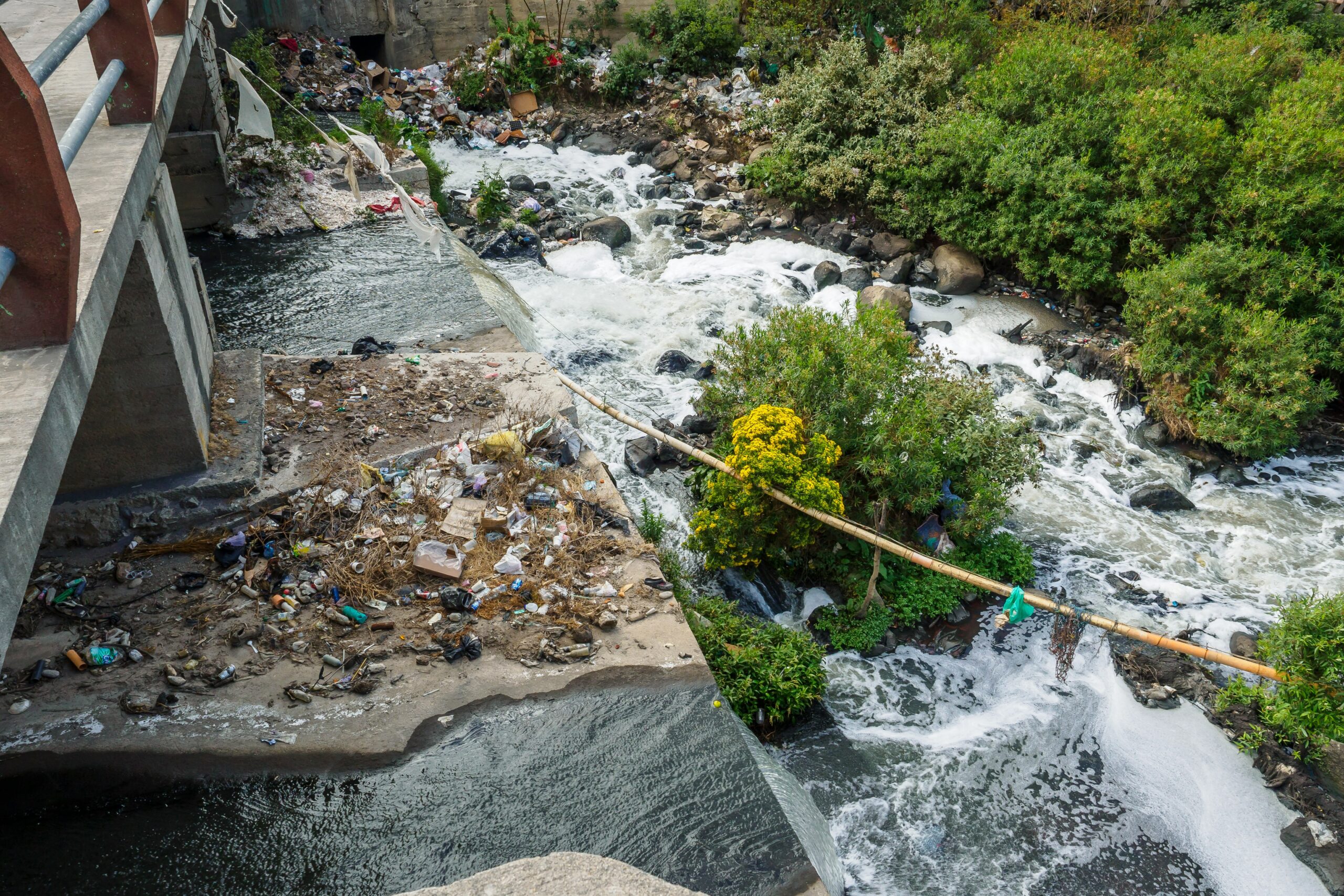
The Earth, a vibrant tapestry of life, has witnessed countless transformations throughout its existence. While natural geological processes have sculpted its landscapes over eons, humanity’s burgeoning influence has, in recent centuries, introduced a new category of change: environmental disasters. These catastrophic events, born from both natural forces and human actions, have reshaped ecosystems, decimated populations, and left indelible scars on the planet. Understanding these devastating occurrences is crucial, not only for acknowledging the fragility of our natural world but also for learning from past mistakes to safeguard our future.
The Earth’s geological engine is a powerful and often destructive force. For millennia, volcanic eruptions, earthquakes, and tsunamis have been the primary architects of large-scale environmental devastation. These events, while often localized, can have cascading impacts that resonate far beyond their immediate epicenters.
Volcanic Eruptions: Fiery Architects of Destruction
Volcanoes, the Earth’s fiery vents, have periodically unleashed their fury, reshaping landscapes and plunging regions into darkness. The sheer power of a volcanic eruption is awe-inspiring, capable of obliterating entire mountainsides and burying civilizations under molten rock and ash.
Mount Tambora (1815): The Year Without a Summer
The eruption of Mount Tambora in Indonesia in 1815 stands as one of the most powerful volcanic events in recorded history. This cataclysmic explosion ejected an estimated 160 cubic kilometers of material into the atmosphere, a staggering volume that had profound global consequences. The immediate vicinity of Tambora was utterly devastated, with villages and fertile lands buried under thick layers of ash and pyroclastic flows. However, the long-term impacts were felt across the globe. The immense quantities of sulfur dioxide injected into the stratosphere formed a veil of aerosols that blocked sunlight, leading to a significant drop in global temperatures. This phenomenon resulted in the infamous “Year Without a Summer” in 1816, causing widespread crop failures, famine, and disease in Europe and North America. The economic and social disruption was immense, with food shortages leading to riots and migration. The Tambora eruption serves as a stark reminder of how even geographically distant natural events can have far-reaching and devastating global implications.
Krakatoa (1883): A Sound That Shook the World
The eruption of Krakatoa, also in Indonesia, in 1883, is another iconic example of volcanic might. While not as volumetrically large as Tambora, Krakatoa’s eruption was characterized by its immense sound, which was heard over 3,000 miles away, and the massive tsunamis it generated. The island of Krakatoa was virtually obliterated, sinking beneath the waves. The tsunamis, some reaching heights of over 100 feet, swept across the surrounding coastlines, claiming tens of thousands of lives in Java and Sumatra. The eruption also produced a spectacular display of atmospheric phenomena, including vivid sunsets caused by volcanic ash particles scattering sunlight. The sheer force of the explosion and the subsequent tsunamis demonstrated the terrifying power of oceanic volcanoes and their ability to cause widespread destruction along coastlines.
Earthquakes and Tsunamis: The Unseen Tremors and Their Crushing Waves
The Earth’s crust is in constant motion, and when tectonic plates shift suddenly, the resulting tremors can trigger devastating earthquakes. These seismic events, often followed by colossal tsunamis, have wreaked havoc on coastal communities and underwater ecosystems.
The Lisbon Earthquake (1755): A Catalyst for Enlightenment Thought
The Great Lisbon Earthquake of 1755 was a devastating seismic event that struck Portugal’s capital city on All Saints’ Day. The earthquake, estimated to be a magnitude 8.5 to 9.0, was followed by massive tsunamis that inundated the city and by widespread fires that raged for days, consuming much of what the earthquake and waves had spared. The destruction was immense, with tens of thousands of lives lost and the city reduced to rubble. This disaster had a profound impact not only on Portugal but also on the intellectual landscape of Europe. The event challenged prevailing philosophical and religious ideas about divine providence and the inherent goodness of the world. Thinkers like Voltaire were deeply affected, and the earthquake became a significant topic of discussion during the Enlightenment, prompting new considerations of natural phenomena and humanity’s place in the universe.
The Indian Ocean Tsunami (2004): A Wake-Up Call for Global Preparedness
The Indian Ocean Tsunami of 2004 was one of the deadliest natural disasters in recorded history. Triggered by a massive underwater earthquake off the coast of Sumatra, Indonesia, the tsunami generated waves that swept across the Indian Ocean, devastating coastal communities in over a dozen countries. The sheer scale of destruction was unprecedented, with an estimated 230,000 people killed. Entire villages were wiped out, and the livelihoods of millions were destroyed. This disaster highlighted the critical need for early warning systems and improved disaster preparedness in vulnerable regions. The global response was significant, with a massive outpouring of aid and a renewed focus on international cooperation in disaster management. The 2004 tsunami served as a tragic but crucial wake-up call, underscoring the interconnectedness of the global community and the importance of collective action in mitigating the impacts of natural disasters.
One of the most significant aspects of understanding the largest environmental disasters in history is learning from past events to prevent future occurrences. An insightful article that delves into this topic is available at Learning from History: Climate Change Lessons. This piece explores how historical environmental crises can inform current strategies for combating climate change and highlights the importance of proactive measures in safeguarding our planet.
The Anthropocene’s Shadow: Human-Caused Environmental Catastrophes
While natural disasters have always been a part of Earth’s history, the advent of industrialization and the exponential growth of human populations have introduced a new and often more insidious form of environmental destruction: human-caused disasters. These events, born from negligence, ignorance, or deliberate actions, have had profound and long-lasting impacts on both the environment and human health.
Industrial Accidents: The Unintended Consequences of Progress
The relentless pursuit of industrial progress has, at times, come at a terrible environmental cost. Accidents in industrial facilities, often involving hazardous materials, have led to widespread contamination and devastating health consequences.
The Bhopal Disaster (1984): A Lingering Toxic Legacy
The Bhopal disaster in India in 1984 remains one of the world’s worst industrial accidents. A leak of methyl isocyanate (MIC) gas from a pesticide plant operated by Union Carbide released a toxic cloud that spread over the densely populated city. The immediate aftermath saw thousands of deaths and tens of thousands suffering from severe respiratory illnesses, blindness, and other debilitating conditions. The long-term health effects continue to plague survivors and their descendants, with increased rates of cancer, birth defects, and chronic diseases. The disaster exposed critical failures in industrial safety standards and government regulation. The lingering environmental contamination from the site continues to pose a threat to groundwater and soil, a stark reminder of the enduring consequences of industrial negligence.
Chernobyl Nuclear Disaster (1986): A Silent, Invisible Threat
The Chernobyl disaster in Ukraine in 1986, caused by a catastrophic nuclear reactor explosion and fire, unleashed a plume of radioactive contamination across large parts of Europe. The immediate explosion killed dozens, and the subsequent long-term exposure to radiation has been linked to thousands of deaths from various cancers, particularly thyroid cancer. Large areas around the plant were rendered uninhabitable, forcing the permanent displacement of hundreds of thousands of people. The exclusion zone, a vast area around the former plant, remains largely abandoned, a haunting testament to the invisible, persistent threat of radioactive contamination. Chernobyl serves as a potent symbol of the dangers associated with nuclear technology and the profound ethical responsibilities that accompany its use.
Oil Spills: The Black Tide of Pollution
The transportation and extraction of oil, a cornerstone of the global economy, carry a significant risk of environmental catastrophe. Oil spills, often resulting from accidents at sea or on land, have inflicted immense damage on marine ecosystems, coastlines, and the economies that depend on them.
The Exxon Valdez Oil Spill (1989): A Scar on the Alaskan Wilderness
The grounding of the Exxon Valdez oil tanker in Prince William Sound, Alaska, in 1989, resulted in the spill of millions of gallons of crude oil. This environmental disaster had a devastating impact on the fragile Alaskan ecosystem. Pristine coastlines were coated in thick oil, killing vast numbers of seabirds, marine mammals, and fish. The fishing industry, a vital part of the local economy, was decimated, with many species of fish and shellfish rendered unfit for consumption for years. The clean-up efforts were enormous and protracted, but the long-term ecological recovery has been slow and incomplete. The Exxon Valdez spill became a watershed moment, raising public awareness about the risks of oil transportation and leading to stricter regulations and improved spill response measures.
The Deepwater Horizon Oil Spill (2010): A Gash in the Gulf of Mexico
The Deepwater Horizon oil rig explosion and subsequent sinking in the Gulf of Mexico in 2010 led to the largest accidental marine oil spill in history. For 87 days, millions of barrels of oil gushed into the Gulf, creating an unprecedented environmental crisis. The spill contaminated vast stretches of coastline, from Texas to Florida, impacting sensitive marshlands, beaches, and marine habitats. The damage to marine life was extensive, affecting everything from plankton to dolphins and sea turtles. The fishing and tourism industries suffered severe economic losses. The Deepwater Horizon spill highlighted the risks associated with deep-sea drilling and the inadequacy of current containment and clean-up technologies for such massive events, prompting a re-evaluation of offshore oil exploration policies.
The Slow Burn: Environmental Degradation and Resource Depletion

Beyond dramatic, instantaneous disasters, humanity’s actions have also contributed to a more insidious form of environmental damage: slow, cumulative degradation. This includes deforestation, desertification, pollution of air and water, and the overexploitation of natural resources, all of which erode the planet’s ability to sustain life.
Deforestation: The Vanishing Green Lungs of the Planet
The clearing of forests for agriculture, timber, and development has been a hallmark of human expansion. While forests provide essential ecological services, their unchecked destruction leads to soil erosion, loss of biodiversity, and contributes to climate change.
The Dust Bowl (1930s): A Man-Made Ecological Collapse
The Dust Bowl of the 1930s in the United States was a period of severe dust storms that ravaged the Great Plains. This ecological disaster was primarily caused by a combination of severe drought and unsustainable farming practices. Decades of plowing up native prairie grasses, which held the soil in place, left the land vulnerable. When drought conditions set in, the exposed topsoil was easily lifted by the wind, creating massive dust storms that blanketed the region, burying farms, livestock, and homes. The Dust Bowl led to widespread agricultural collapse, forced migration of hundreds of thousands of people, and underscored the critical importance of soil conservation and responsible land management.
The Aral Sea Disaster: A Shrinking Tragedy
The Aral Sea, once the fourth-largest lake in the world, has undergone a catastrophic shrinking due to the diversion of its feeder rivers for irrigation projects in the Soviet Union. This man-made ecological disaster has transformed a once-thriving region into a desolate, saline desert. The fishing industry collapsed, leaving communities devastated. The exposed seabed released toxic dust containing pesticides and salts, leading to severe respiratory illnesses and other health problems for the local population. The Aral Sea serves as a stark warning about the devastating consequences of unsustainable water management and the interconnectedness of ecosystems.
Pollution: Poisoning Our Shared Resources
Pollution, in its various forms, represents a pervasive environmental threat. From industrial emissions choking our air to plastic waste inundating our oceans, the accumulation of pollutants degrades ecosystems and poses significant risks to human health.
The Great Smog of London (1952): A Deadly Blanket of Pollution
The Great Smog of London in 1952 was a severe air pollution event that enveloped the city for five days. Caused by a combination of industrial emissions, coal burning for heating, and a temperature inversion that trapped the pollutants, the smog was so dense that visibility dropped to mere feet. The immediate impact was a dramatic increase in respiratory illnesses and premature deaths, with an estimated 4,000 to 12,000 people dying within weeks. The Great Smog was a wake-up call for air quality regulations, leading to the passage of the Clean Air Act in the United Kingdom and influencing air quality policies worldwide.
The Dead Zones of the Oceans: Hypoxia’s Grim Embrace
The creation of “dead zones” in the world’s oceans, particularly in coastal areas, is a growing environmental concern. These areas are characterized by extremely low levels of dissolved oxygen (hypoxia), making them unable to support most marine life. The primary cause of dead zones is eutrophication, the excessive enrichment of water with nutrients, often from agricultural runoff containing fertilizers and sewage. When these nutrients enter the ocean, they fuel the rapid growth of algae. As the algae die and decompose, the process consumes vast amounts of oxygen, creating an oxygen-depleted environment. These dead zones can cover thousands of square miles, decimating fisheries and disrupting marine food webs. The Mississippi River delta region, for example, experiences a significant dead zone annually.
The Looming Threat: Climate Change and its Cascading Impacts

Perhaps the most pervasive and far-reaching environmental challenge facing humanity is climate change. Driven by the burning of fossil fuels and deforestation, the Earth’s climate is warming at an unprecedented rate, leading to a cascade of interconnected environmental disasters.
Rising Sea Levels and Coastal Erosion: The Inundation of Our Shores
As global temperatures rise, glaciers and ice sheets are melting, contributing to a steady increase in sea levels. This phenomenon poses a significant threat to low-lying coastal areas worldwide, leading to increased erosion, saltwater intrusion into freshwater sources, and the displacement of coastal communities.
The Maldives: A Nation on the Brink
The Maldives, a low-lying island nation in the Indian Ocean, is particularly vulnerable to the impacts of rising sea levels. With an average elevation of just 1.5 meters above sea level, much of the country is at risk of permanent inundation within decades. Coastal erosion is already a significant problem, threatening vital infrastructure and freshwater resources. The long-term survival of the Maldivian people is directly tied to global efforts to mitigate climate change and reduce greenhouse gas emissions.
Extreme Weather Events: The Intensification of Nature’s Fury
Climate change is not only causing a gradual warming but also leading to an increase in the frequency and intensity of extreme weather events. This includes more powerful hurricanes and typhoons, prolonged droughts, more intense heatwaves, and more severe flooding.
The Hurricane Katrina Catastrophe (2005): A Vulnerable City’s Reckoning
Hurricane Katrina, which struck the Gulf Coast of the United States in 2005, exposed the devastating consequences of a major storm hitting a vulnerable urban area. The storm surge overwhelmed the levee system protecting New Orleans, leading to catastrophic flooding that submerged large parts of the city. The disaster resulted in over 1,800 deaths and caused billions of dollars in damage. Katrina highlighted issues of infrastructure vulnerability, inadequate disaster preparedness, and the disproportionate impact of such events on marginalized communities. While the direct link to climate change is complex, scientists suggest that warmer ocean temperatures may contribute to more intense hurricanes.
The Australian Bushfires (2019-2020): A Fiery Apocalypse
The unprecedented bushfires that ravaged Australia in 2019-2020, often referred to as the “Black Summer,” were a stark illustration of the intensifying threat of extreme weather events fueled by climate change. Fueled by record-breaking heat and prolonged drought, the fires burned millions of hectares of land, destroying ecosystems, killing an estimated three billion animals, and forcing the evacuation of thousands of people. The fires released massive amounts of greenhouse gases, further exacerbating climate change, creating a dangerous feedback loop.
Throughout history, numerous environmental disasters have left lasting impacts on our planet, reshaping ecosystems and communities alike. One notable example is the devastating effects of climate change on small island developing states, which face unique challenges due to their geographic vulnerabilities. For a deeper understanding of how these nations are adapting and building resilience, you can explore this insightful article on resilience in small island developing states here.
The Path Forward: Learning from the Past to Build a Sustainable Future
| Disaster | Date | Location | Type | Impact | Estimated Area Affected |
|---|---|---|---|---|---|
| Deepwater Horizon Oil Spill | April 2010 | Gulf of Mexico, USA | Oil Spill | 11 deaths, massive marine and coastal ecosystem damage | 68,000 square miles |
| Exxon Valdez Oil Spill | March 1989 | Prince William Sound, Alaska, USA | Oil Spill | Severe damage to marine life and fisheries | 11,000 square miles |
| Chernobyl Nuclear Disaster | April 1986 | Pripyat, Ukraine (then USSR) | Nuclear Accident | Thousands of cancer cases, long-term radiation effects | 2,600 square km exclusion zone |
| Fukushima Daiichi Nuclear Disaster | March 2011 | Fukushima, Japan | Nuclear Accident | Radiation release, evacuation of 150,000 people | 20 km exclusion zone |
| Minamata Disease | 1950s-1960s | Minamata Bay, Japan | Mercury Poisoning | Thousands affected by severe neurological damage | Local bay and surrounding areas |
| Great Smog of London | December 1952 | London, UK | Air Pollution | Approximately 12,000 deaths due to respiratory issues | Entire London metropolitan area |
| Aral Sea Shrinkage | 1960s-present | Central Asia (Kazakhstan, Uzbekistan) | Water Diversion / Ecological Disaster | Collapse of local fisheries, health problems from dust storms | Over 68,000 square km lost |
The history of devastating environmental disasters, both natural and human-induced, offers a stark and urgent lesson. It underscores the profound interconnectedness of our planet’s systems and the delicate balance that sustains life. While we cannot undo the past, we can learn from its tragedies.
Prevention and Mitigation: Building Resilience in a Changing World
The key to navigating the future lies in robust prevention and mitigation strategies. This involves investing in renewable energy sources, implementing sustainable land management practices, improving industrial safety standards, and developing effective early warning systems for natural disasters.
Adaptation and Resilience: Coexisting with a Changing Planet
As the impacts of climate change become increasingly apparent, adaptation and resilience are paramount. This requires developing infrastructure that can withstand extreme weather, protecting vulnerable ecosystems, and supporting communities in their efforts to cope with environmental shifts.
Global Cooperation and Education: A Collective Responsibility
Ultimately, addressing environmental disasters and ensuring a sustainable future requires unprecedented global cooperation. International agreements, the sharing of knowledge and technology, and a renewed commitment to environmental education are crucial. By understanding the devastating power of past environmental catastrophes, humanity can strive to create a future where such events are minimized, and the planet’s remarkable biodiversity is preserved for generations to come.
A Dam Brought the Aral Sea Back—But Only Part of It
FAQs
What are some of the largest environmental disasters in history?
Some of the largest environmental disasters in history include the Exxon Valdez oil spill in 1989, the Chernobyl nuclear disaster in 1986, the Deepwater Horizon oil spill in 2010, the Bhopal gas tragedy in 1984, and the Fukushima Daiichi nuclear disaster in 2011.
How did the Exxon Valdez oil spill impact the environment?
The Exxon Valdez oil spill, which occurred in Alaska in 1989, released approximately 11 million gallons of crude oil into Prince William Sound. The spill had devastating effects on the local wildlife, including seabirds, otters, and fish. It also caused long-term damage to the ecosystem and the local economy.
What were the consequences of the Chernobyl nuclear disaster?
The Chernobyl nuclear disaster, which took place in Ukraine in 1986, resulted in the release of a large amount of radioactive material into the atmosphere. The disaster caused widespread contamination of the surrounding area, leading to health issues, environmental damage, and the evacuation and resettlement of thousands of people.
How did the Deepwater Horizon oil spill impact marine life?
The Deepwater Horizon oil spill, which occurred in the Gulf of Mexico in 2010, released millions of barrels of oil into the ocean over a period of several months. The spill had a significant impact on marine life, including fish, birds, and marine mammals, as well as the habitats they rely on for survival.
What were the long-term effects of the Fukushima Daiichi nuclear disaster?
The Fukushima Daiichi nuclear disaster, which occurred in Japan in 2011 following a massive earthquake and tsunami, resulted in the release of radioactive material into the environment. The long-term effects of the disaster include ongoing concerns about radiation exposure, environmental contamination, and the decommissioning of the damaged nuclear reactors.