
The world teems with enigmas, and among the most captivating are its lost lakes – bodies of water that have vanished, reappeared, or otherwise defy easy explanation. These aquatic mysteries, often shrouded in local folklore and scientific speculation, offer a glimpse into the dynamic and often unpredictable nature of our planet. From the arid deserts where water seems an impossible luxury to remote mountain ranges where they might be hidden by mist, these lost lakes beckon explorers and researchers alike, promising answers to geological puzzles and perhaps even uncovering forgotten histories.
Deserts, characterized by their extreme aridity and scarce water resources, are perhaps the most unlikely places to find lakes. Yet, it is precisely in these harsh environments that some of the most astonishing lost lakes have been documented. Their existence is often fleeting, dictated by rare rainfall events or the subterranean plumbing of ancient aquifers. The sudden appearance and disappearance of these desert oases lend them an almost mythical quality, fueling local legends and challenging conventional understandings of hydrological cycles.
Lake Urmia’s Waning Waters
Lake Urmia, once the largest lake in the Middle East and a salt lake of considerable size, has become a poignant example of a disappearing water body. Located in northwestern Iran, its surface area has dramatically shrunk over the past few decades, raising alarms about its ecological future and the impact on regional climate and biodiversity. Once a vibrant ecosystem supporting millions of migratory birds, its salinization has increased to such an extent that many species can no longer survive.
The Human Impact on Urmia
The decline of Lake Urmia is a complex issue with multifaceted causes, but human activity plays a significant role. Extensive dam construction upstream for irrigation, coupled with prolonged droughts exacerbated by climate change, has severely reduced the inflow of freshwater. Furthermore, increased water consumption by surrounding agricultural communities has put immense pressure on the lake’s diminishing resources. The consequences are far-reaching, affecting not only the environment but also the livelihoods of people who depend on the lake’s ecosystem. Efforts are underway to restore the lake, involving controversial plans to divert water from other river basins, highlighting the delicate balance between human needs and ecological preservation.
The Salt Desert Legacy
As the waters recede, Lake Urmia transforms into a vast salt desert, a stark reminder of its past glory. The exposed lakebed, a mosaic of cracked earth and glistening salt pans, becomes a haunting landscape. This transformation has implications for the local climate, potentially leading to increased dust storms laden with salt, impacting air quality and agricultural lands miles away. The remnants of the lake, now hyper-saline pools, are still home to extremophile microorganisms, offering unique opportunities for scientific research into life in harsh conditions.
The Mirages of the Sahara
The Sahara Desert, a seemingly endless expanse of sand, has long been a subject of fascination and wonder, with tales of lost oases and hidden lakes persisting through generations. While many of these stories might be rooted in mirages or temporary water pools, there is evidence of ancient lakes that once dotted the desert landscape, remnants of a wetter prehistoric era. The discovery of fossilized lakebeds and aquatic life forms provides tangible proof of these lost aquatic realms.
Ancient Aquatic Civilizations
Paleoclimatic studies suggest that the Sahara was once a much greener and wetter region, capable of supporting significant water bodies and diverse ecosystems. During periods of the African Humid Period, vast lakes and rivers crisscrossed the landscape. The archaeological evidence of early human settlements around these ancient water sources points to the possibility of lost civilizations that thrived in these forgotten environments. The exploration of these ancient lakebeds could unlock crucial information about early human migration, adaptation, and the evolution of life in changing climates.
The Illusion of Water
The shimmering heat of the desert can create optical illusions, known as mirages, that often manifest as the appearance of water. These natural phenomena have undoubtedly contributed to the legends of lost lakes, as travelers, parched and desperate, might have mistaken atmospheric distortions for welcoming bodies of water. While these are not true lost lakes, they represent the powerful human yearning for water in an environment where it is scarce, and they add to the mystique of the Sahara.
Lost lakes around the world are a fascinating topic, as they highlight the impact of climate change on our planet’s ecosystems. For a deeper understanding of how rising sea levels and extreme weather events contribute to the disappearance of these natural wonders, you can read the article on climate change’s effects at Rising Sea Levels and Extreme Weather: Understanding Climate Change Impact. This article provides valuable insights into the environmental challenges we face and their implications for freshwater resources.
Subterranean Secrets: Lakes Beneath Our Feet
Beneath the surface of our planet lie vast networks of caves and geological formations, some of which harbor incredible bodies of water. These subterranean lakes, often hidden from sunlight and accessed only through treacherous passages, are some of the most pristine and least explored aquatic environments on Earth. Their isolation has preserved them from pollution and human interference, making them invaluable natural laboratories.
The Crystal Caves of Mexico
The Yucatán Peninsula in Mexico is renowned for its cenotes, natural sinkholes that form the entrances to extensive underground river systems and lakes. These cenotes are not merely bodies of water; they are windows into a hidden world, revealing crystal-clear waters that have been filtered by limestone over millennia. The geological formations surrounding them are breathtaking, with stalactites and stalagmites creating ethereal underwater landscapes.
Sacred Sites and Spiritual Journeys
For the ancient Maya, cenotes held profound spiritual significance. They were considered portals to the underworld, Xibalba, and were often used for religious rituals, sacrifices, and as sources of fresh water. Exploring these sacred sites allows for a deeper understanding of Maya cosmology and their intricate relationship with the natural world. The clarity of the water often reveals submerged artifacts and skeletal remains, offering tangible links to this ancient civilization.
A Realm of Biodiversity
The unique conditions within cenotes – constant temperature, limited light, and distinct water chemistry – have fostered the evolution of specialized and often endemic species. Blind cavefish, unique crustaceans, and other specialized organisms have adapted to this perpetually dark environment, creating a biodiversity hotspot that is largely unknown to the outside world. The study of these subterranean ecosystems provides insights into evolutionary processes and the resilience of life in extreme conditions.
The Lost Sea of the Sahara
Deep beneath the sands of the Sahara Desert lies a vast, ancient aquifer known as the “Lost Sea” or the Nubian Sandstone Aquifer System. This colossal body of fossil water, accumulated over millennia, is a vital resource for the arid regions it underlies, supporting oases and providing water for millions of people. While not a surface lake, its immense scale and critical role make it a significant “lost” aquatic resource, hidden from direct view.
A Legacy of Prehistoric Rains
The water in the Nubian Sandstone Aquifer System is a relic of a much wetter past, when the Sahara experienced significant rainfall and surface water bodies were abundant. This fossil water has been trapped within porous sandstone layers for thousands of years, slowly flowing from recharge zones in the south to the north. Understanding the extent and recharge rates of this aquifer is crucial for sustainable water management in a region facing increasing demand.
Challenges of Subterranean Access
Extracting water from such depths presents significant engineering challenges and environmental concerns. Over-extraction can lead to land subsidence and the depletion of this finite resource. Furthermore, the cost and energy required for pumping can be prohibitive, limiting access for some of the most vulnerable communities. The future of the “Lost Sea” is a constant negotiation between the pressing needs of populations and the imperative to preserve this ancient water source.
Mysterious Vanishings and Sudden Appearances
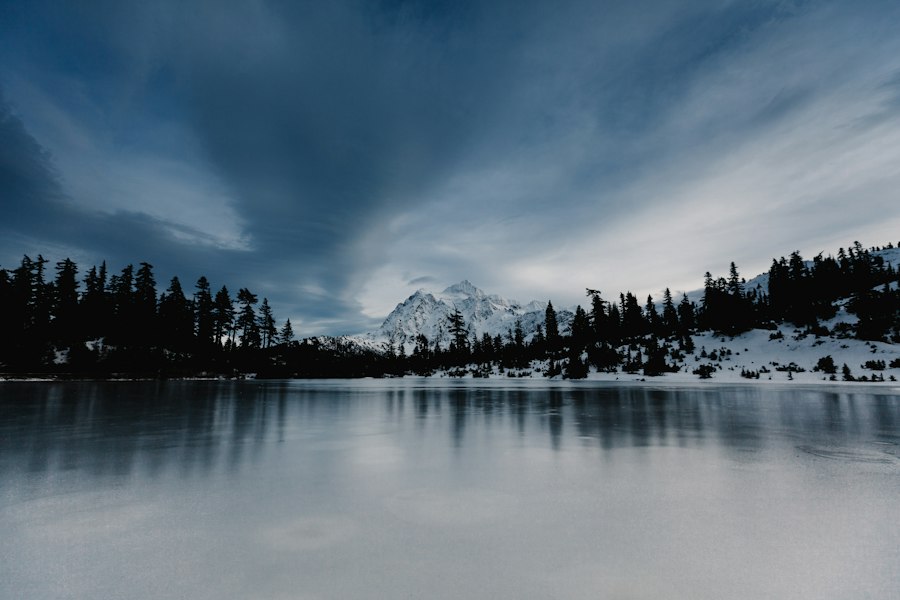
Some lost lakes are defined by their dramatic entrances and exits, appearing seemingly out of nowhere or vanishing without a trace, leaving behind a trail of bewilderment and speculation. These unpredictable aquatic phenomena often defy conventional geological explanations, prompting scientific inquiry and fueling local folklore.
The Racetrack Playa’s Moving Rocks
Racetrack Playa in Death Valley, California, is famous for its “sailing stones” – rocks that mysteriously move across the dry lakebed, leaving long trails in their wake. While not a body of water for most of the year, the playa becomes a shallow lake during rare periods of rainfall. The prevailing theory for the moving rocks involves a combination of thin ice sheets that form on the water’s surface and strong winds, allowing the rocks to glide with minimal friction.
The Ice-Wind Mechanism
During winter months, when temperatures drop and shallow water covers the Racetrack Playa, a thin layer of ice can form. If this ice sheet is large enough and the wind conditions are right, it can exert enough force to push the rocks along the muddy surface. The trails left behind are evidence of these journeys, often appearing to be independent of any obvious cause, adding to the mystique of the location.
Other Explanations and Enduring Mysteries
While the ice-wind theory is widely accepted, other hypotheses have been proposed, including seismic activity and even animal interaction. However, the evidence points most strongly to the interaction between ice and wind. The Racetrack Playa serves as a compelling example of how even seemingly static landscapes can harbor dynamic and enigmatic processes, especially when water is involved, however temporarily.
The Disappearing Lake of Devil’s Punchbowl
Devil’s Punchbowl, a unique geological formation in Oregon, features a pool of water that can seemingly disappear and reappear. This phenomenon is attributed to a subterranean geological structure that acts like a giant siphon. During certain water levels, the water can drain through fissures and underground channels, causing the pool to empty. When these channels become blocked or the water table rises, the pool can refill.
The Siphon Effect in Action
The rock formations at Devil’s Punchbowl are porous and riddled with cracks, allowing water to seep through. When the water level reaches a certain point, it creates enough pressure to overcome the resistance of these passages, initiating a rapid draining process. This geological siphon effect is a natural marvel that highlights the intricate connection between surface water and subterranean hydrological systems.
A Tourist Attraction and Natural Wonder
Devil’s Punchbowl has become a popular tourist destination, attracting visitors eager to witness this natural spectacle. The unpredictability of its filling and emptying adds to its allure, making each visit a potential surprise. The site serves as a vivid illustration of how geological processes can create dramatic and seemingly magical events in the natural world.
Lakes of Myth and Legend

Beyond the scientifically explainable, numerous lakes are woven into the fabric of human culture, existing more in folklore and legend than on any map. These mythical bodies of water are often imbued with supernatural powers, home to legendary creatures, or possessors of profound secrets.
The Loch Ness Monster’s Domain
Perhaps one of the most famous lost or elusive lakes is Loch Ness in Scotland, home to the enduring legend of the Loch Ness Monster. While the lake itself is very real, the creature that supposedly inhabits its depths remains elusive, contributing to its status as a “lost” entity in the realm of concrete evidence.
A Deep and Dark Enigma
Loch Ness is a large, deep, and cold freshwater loch. Its dark, peat-stained waters, combined with its immense size and depth, create an environment where an unknown creature could theoretically remain hidden. The sheer volume of water and the limited visibility make comprehensive searches incredibly challenging, leaving room for speculation and fueling the legend.
The Psychology of Mystery
The enduring appeal of the Loch Ness Monster speaks to a deep human fascination with the unknown and the desire to believe in something extraordinary. Despite numerous expeditions and investigations, no conclusive evidence of a large, unknown creature has ever been found. Yet, the legend persists, a testament to the power of storytelling and the allure of mystery.
The Lake of the Forest of Dean
In England’s Forest of Dean, local folklore speaks of a legendary lake that appears and disappears, often associated with tales of fairies and ancient spirits. While no definitive geographical feature precisely matches these descriptions, the stories themselves have become a part of the region’s identity, representing a lost connection to a more mystical past.
Echoes of a Watery Past
These legends might be echoes of a time when the Forest of Dean was a wetter landscape, or they could be purely symbolic representations of hidden knowledge or forgotten realms. The stories often involve encounters with ethereal beings and the idea of a liminal space where the mundane world meets the supernatural.
The Power of Oral Tradition
The persistence of such legends highlights the power of oral tradition in shaping our perception of the landscape and our relationship with the natural world. Even without concrete evidence, these stories create a sense of wonder and connect people to the history and mythology of their surroundings.
Lost lakes around the world tell fascinating stories of environmental change and human impact, and they often hold secrets waiting to be uncovered. For those intrigued by the mysteries of our planet, a related article explores the hidden technologies that have shaped our landscapes, revealing how ancient innovations may have contributed to the disappearance of these natural wonders. You can read more about this intriguing connection in the article Unearthed: The Lost Tech They Hid.
The Future of Lost Lakes: Conservation and Discovery
| Lake Name | Location | Original Size (sq km) | Year Lost | Cause of Loss | Current Status |
|---|---|---|---|---|---|
| Aral Sea | Central Asia (Kazakhstan/Uzbekistan) | 68,000 | 1960s – ongoing | Water diversion for irrigation | Mostly dried up, fragmented into smaller lakes |
| Lake Chad | Africa (Chad, Cameroon, Niger, Nigeria) | 25,000 | 1970s – ongoing | Climate change and water extraction | Reduced to less than 10% of original size |
| Owens Lake | California, USA | 270 | 1920s | Water diversion to Los Angeles | Dried up, now a dust pollution source |
| Lake Urmia | Iran | 5,200 | 2010s – ongoing | Dams and water diversion | Severely shrunk, salt flats exposed |
| Dead Sea | Border of Jordan and Israel/Palestine | 605 | 1970s – ongoing | Water diversion from inflowing rivers | Water level dropping, shrinking surface area |
The exploration and understanding of lost lakes are not merely academic pursuits; they have profound implications for conservation and our understanding of Earth’s dynamic systems. As climate change alters hydrological patterns and human activity continues to shape landscapes, the fate of existing and potential lost lakes hangs in the balance.
Climate Change and Water Scarcity
The increasing threat of climate change poses a significant risk to many water bodies, including those that are already considered “lost” or are on the verge of disappearing. Rising temperatures, altered precipitation patterns, and increased evaporation can lead to the shrinking or complete desiccation of lakes, turning them into dry basins or saline deserts. Understanding these changes is crucial for developing effective conservation strategies.
Monitoring and Research Initiatives
International collaborations and scientific research are vital for monitoring the health of existing water bodies and identifying areas where new lakes might emerge or existing ones are under threat. Satellite imagery, hydrological modeling, and on-the-ground surveys are essential tools for understanding the complex factors that influence lake formation and disappearance.
The Role of Indigenous Knowledge
In many regions, indigenous communities possess invaluable traditional knowledge about local water resources and the subtle changes in the environment that might precede the appearance or disappearance of lakes. Integrating this knowledge with scientific research can provide a more holistic understanding of these phenomena and contribute to more effective conservation efforts.
New Discoveries and Uncharted Waters
The ongoing exploration of our planet continues to reveal new and unexpected aquatic environments. Remote sensing technologies and advancements in geographical exploration offer the potential to discover previously unknown lakes, particularly in challenging terrains like polar regions, deep underground, or in high-altitude areas.
The Promise of Scientific Advancement
The study of lost lakes, whether they are ephemeral desert oases, subterranean reservoirs, or legendary bodies of water, offers a rich tapestry of scientific inquiry. From understanding paleoclimates and geological processes to exploring unique ecosystems and the potential for life in extreme conditions, these enigmatic water bodies hold keys to unlocking deeper scientific understanding.
Preserving the Mystery
As we strive to understand and explain the mysteries of lost lakes, it is also important to acknowledge the intrinsic value of their enigma. The allure of the unknown, the stories they inspire, and the wonder they evoke are essential parts of the human experience. While science seeks answers, the magic of these lost lakes – their ability to surprise, to mystify, and to remind us of the vast and often unpredictable nature of our world – should be preserved for generations to come. The journey of exploring these lost lakes is far from over; it is an ongoing adventure into the heart of our planet’s most captivating watery secrets.

A Dam Brought the Aral Sea Back—But Only Part of It
FAQs
What are lost lakes?
Lost lakes are bodies of water that have disappeared due to natural or man-made causes, such as drought, deforestation, or changes in water flow.
Where can lost lakes be found around the world?
Lost lakes can be found on every continent, with notable examples in countries like the United States, Canada, Russia, and China.
How do lost lakes impact the environment?
The disappearance of lost lakes can have significant environmental impacts, such as disrupting ecosystems, affecting wildlife habitats, and altering local climate patterns.
Can lost lakes reappear over time?
In some cases, lost lakes can reappear due to changes in environmental conditions, such as increased rainfall or changes in water management practices.
What efforts are being made to protect and preserve lost lakes?
Conservation efforts, such as monitoring water levels, restoring wetlands, and implementing sustainable water management practices, are being undertaken to protect and preserve lost lakes around the world.