
Human activities, driven by an insatiable pursuit of progress and resource exploitation, have inadvertently orchestrated a series of ecological catastrophes, leaving indelible scars on the planet. These human-caused ecological disasters, ranging from the catastrophic oil spills that choke marine life to the insidious creep of deforestation that decimates biodiversity, represent a profound environmental impact that threatens the very fabric of life on Earth. The consequences are far-reaching, affecting ecosystems, economies, and human health, demanding an urgent re-evaluation of our relationship with the natural world.
Pollution, in its myriad forms, stands as a pervasive testament to humanity’s disregard for environmental equilibrium. It is not a single event but a continuous degradation, a slow poisoning of the air, water, and soil that sustain life. The sheer volume and diversity of pollutants released into the environment have overwhelmed natural cleansing processes, leading to widespread ecological disruption.
Atmospheric Degradation: The Veil of Contamination
The air we breathe, once a pristine medium, is now often a cocktail of harmful gases and particulate matter, primarily from industrial emissions and vehicular exhaust. This atmospheric degradation has profound implications for both the environment and human health.
Greenhouse Gas Emissions and Climate Change: A Warming World
The unchecked release of greenhouse gases, such as carbon dioxide (CO2), methane (CH4), and nitrous oxide (N2O), is the primary driver of anthropogenic climate change. These gases, acting like a blanket, trap heat in the Earth’s atmosphere, leading to a gradual but significant increase in global temperatures. The consequences are multifaceted and interconnected. Rising sea levels, fueled by melting glaciers and thermal expansion of ocean water, threaten coastal communities and ecosystems. Extreme weather events, including more frequent and intense heatwaves, droughts, floods, and hurricanes, become commonplace, wreaking havoc on human infrastructure and natural habitats. Changes in precipitation patterns disrupt agricultural cycles, leading to food insecurity and water scarcity in many regions. The ocean, a vast carbon sink, absorbs a significant portion of atmospheric CO2, leading to ocean acidification, which endangers marine life, particularly shell-forming organisms like corals and shellfish. The delicate balance of ecosystems is further disrupted, leading to species migration, habitat loss, and ultimately, extinctions. The interconnectedness of climate systems means that even localized emissions can have global repercussions, underscoring the need for international cooperation in mitigation efforts.
Acid Rain and Air Quality Deterioration: A Corrosive Legacy
The burning of fossil fuels releases sulfur dioxide (SO2) and nitrogen oxides (NOx) into the atmosphere. These pollutants react with water, oxygen, and other chemicals to form sulfuric and nitric acids, which then fall to the Earth as acid rain, snow, fog, or dry particles. Acid rain has devastating effects on forests, lakes, and rivers. It leaches essential nutrients from the soil, making trees more susceptible to disease and insect infestations. It acidifies lakes and streams, harming aquatic life and rendering them uninhabitable for fish and other organisms. Beyond acid rain, particulate matter, including soot, dust, and aerosols, directly impacts air quality. These microscopic particles can penetrate deep into the lungs, causing respiratory problems, exacerbating asthma, and increasing the risk of heart disease. The reduction of visibility due to smog, a complex mixture of pollutants, also has economic and social consequences.
Water Contamination: The Poisoned Veins of the Earth
Water, the elixir of life, is increasingly becoming a conduit for pollution, contaminating our rivers, lakes, oceans, and groundwater. Industrial discharge, agricultural runoff, and inadequate wastewater treatment are major contributors to this pervasive problem.
Industrial Effluents and Chemical Spills: Toxic Discharges
Factories and industrial facilities often discharge untreated or inadequately treated wastewater, laden with heavy metals, toxic chemicals, and organic pollutants, directly into waterways. These effluents can be lethal to aquatic organisms, disrupt food chains, and contaminate drinking water sources. Accidental chemical spills, whether from industrial accidents, transportation mishaps, or improper waste disposal, can cause immediate and catastrophic damage to aquatic ecosystems, creating dead zones where life cannot survive. The persistence of many industrial chemicals means that their effects can be long-lasting, impacting generations of organisms.
Agricultural Runoff: The Unseen Tide of Contamination
Modern agricultural practices, while essential for food production, contribute significantly to water pollution. The excessive use of fertilizers, pesticides, and herbicides leads to runoff that carries these chemicals into rivers and lakes. Nitrogen and phosphorus from fertilizers can cause eutrophication, a process where excessive algal growth depletes oxygen levels in the water, leading to fish kills and the formation of “dead zones.” Pesticides and herbicides, designed to kill pests and weeds, can be toxic to non-target organisms, including beneficial insects, birds, and aquatic life, and can also pose risks to human health if they enter the food chain or drinking water. The long-term accumulation of these chemicals in aquatic environments can have profound and lasting ecological consequences.
Plastic Pollution: A Persistent Menace in Aquatic Environments
The exponential increase in plastic production and consumption has led to a global crisis of plastic pollution, particularly in our oceans. Millions of tons of plastic waste enter marine environments annually, breaking down into microplastics that are ingested by marine life, entering the food chain and potentially impacting human health. These plastics persist in the environment for hundreds of years, entangling marine animals, damaging coral reefs, and altering marine ecosystems. From discarded fishing gear to single-use packaging, the ubiquitous nature of plastic waste poses a formidable challenge to the health of our planet’s waterways.
Soil Degradation: The Erosion of Our Foundation
The earth beneath our feet, the very foundation of terrestrial ecosystems, is suffering from widespread degradation, compromising its ability to support plant life and contributing to broader environmental problems.
Deforestation and Habitat Destruction: The Loss of Green Lungs
The clearing of forests for agriculture, logging, and urban development leads to a cascade of negative environmental impacts. Forests act as vital carbon sinks, absorbing CO2 from the atmosphere and mitigating climate change. Their removal releases stored carbon, exacerbating global warming. Deforestation also results in massive biodiversity loss, as countless species lose their habitats and food sources. The resulting fragmentation of ecosystems makes it difficult for species to migrate and adapt to changing conditions. Furthermore, the removal of tree cover leads to soil erosion, as the exposed soil is easily washed away by rain and wind, reducing soil fertility and increasing the risk of landslides and floods.
Desertification and Land Degradation: The Spreading Barrenness
Desertification, the process by which fertile land becomes desert, is a critical issue driven by unsustainable land management practices, climate change, and deforestation. Overgrazing, intensive agriculture without proper soil conservation measures, and inappropriate irrigation techniques can deplete soil nutrients and moisture, leading to land degradation. This process results in a loss of vegetation cover, increased soil erosion, and reduced agricultural productivity, often leading to displacement of communities and increased poverty. The expansion of deserts shrinks arable land, impacting food security and exacerbating resource conflicts.
Human-caused ecological disasters have far-reaching impacts on both the environment and human societies. A related article that delves into the historical context of migration driven by climate stress is available at Ancient Migration, Climate Stress, and Movement. This piece explores how environmental changes have historically influenced human movement and settlement patterns, shedding light on the ongoing challenges we face today due to ecological degradation.
Biodiversity Loss: The Unraveling of Life’s Tapestry
The vibrant tapestry of life on Earth is unraveling at an alarming rate, primarily due to human activities. Biodiversity, the variety of life in all its forms, is crucial for ecosystem stability, resilience, and the provision of essential ecosystem services that humans depend on.
Habitat Fragmentation and Loss: The Shrinking Sanctuaries
As human populations expand and land use intensifies, natural habitats are increasingly fragmented and degraded. This fragmentation breaks up continuous ecosystems into smaller, isolated patches, making it difficult for wildlife to move between areas, find food, and reproduce. For many species, especially those with large home ranges, this isolation can lead to reduced genetic diversity, increased vulnerability to disease, and ultimately, local extinctions. The conversion of natural landscapes into agricultural fields, urban areas, and industrial zones directly removes the living spaces required by countless species.
Overexploitation and Poaching: The Plundering of Natural Resources
The unsustainable harvesting of natural resources, driven by economic demand and often facilitated by illegal activities, has pushed many species to the brink of extinction. Overfishing has depleted fish stocks in oceans worldwide, disrupting marine food webs. The illegal wildlife trade, fueled by demand for exotic pets, traditional medicines, and luxury goods, has decimated populations of elephants, rhinos, tigers, and many other iconic species. This relentless exploitation, often driven by short-term economic gain, ignores the long-term ecological consequences and the intrinsic value of these species.
Invasive Species: The Uninvited Guests of Destruction
Human travel and trade have facilitated the introduction of non-native species into new environments. When these invasive species are able to establish themselves and outcompete native species for resources, they can cause significant ecological and economic damage. Invasive species often lack natural predators in their new environment, allowing their populations to grow unchecked. They can alter habitat structure, disrupt food webs, and introduce diseases, leading to the decline or extinction of native flora and fauna. The ecological imbalance caused by invasive species is often difficult and costly to reverse.
Resource Depletion: The Unsustainable Consumption of Finite Assets
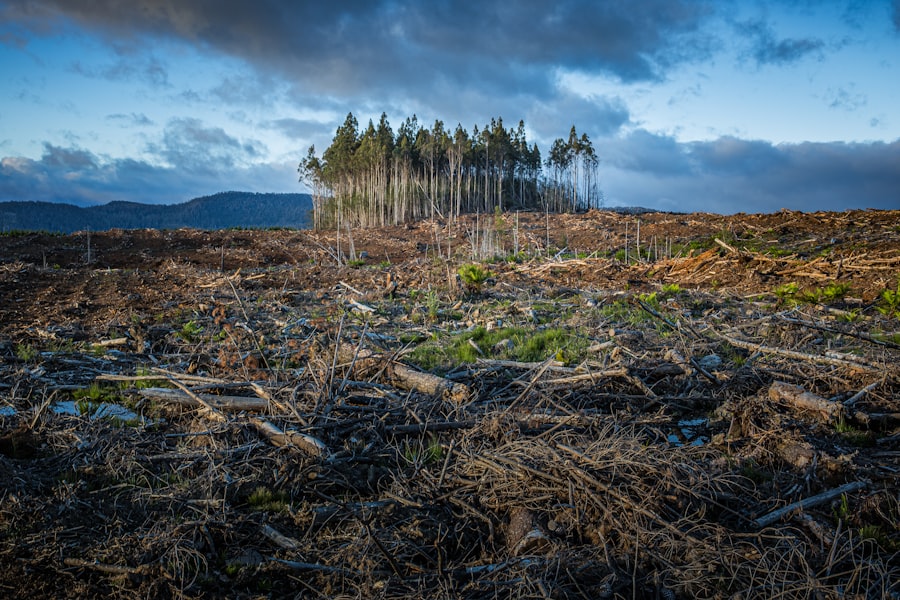
Humanity’s insatiable demand for resources, coupled with inefficient consumption patterns, is rapidly depleting Earth’s finite reserves. This unsustainable trajectory poses a significant threat to future generations and the long-term health of the planet.
Fossil Fuel Depletion: The Running on Empty Future
The world’s reliance on fossil fuels—coal, oil, and natural gas—for energy has powered industrialization and economic growth. However, these are finite resources, and their extraction and consumption are not only unsustainable but also the primary drivers of climate change. As readily accessible reserves dwindle, extraction becomes more difficult and environmentally damaging, often leading to increased pollution and habitat destruction. The transition to renewable energy sources is therefore not merely an environmental imperative but an economic and existential necessity.
Water Scarcity and Over-extraction: The Drying Wells
While water covers a significant portion of the Earth’s surface, only a small fraction is freshwater readily available for human use. Growing populations, increased agricultural demand, and inefficient water management practices are leading to widespread water scarcity in many regions. Over-extraction of groundwater for irrigation and industrial use can lead to aquifer depletion, land subsidence, and saltwater intrusion into freshwater sources, making the water unusable. Competition for dwindling water resources can also lead to social and political instability.
Mineral and Soil Depletion: The Scarcity of Building Blocks
The extraction of minerals for industrial purposes, from rare earth elements for electronics to metals for construction, is also placing a strain on Earth’s finite resources. Mining operations can have significant environmental impacts, including habitat destruction, water pollution, and soil erosion. Furthermore, intensive agricultural practices can deplete the nutrient content of soils, leading to reduced fertility and the need for increasing amounts of synthetic fertilizers, which themselves have environmental consequences. The long-term viability of many industries and food production systems depends on the careful management and conservation of these essential resources.
Habitat Alteration and Destruction: Reshaping the Earth’s Surface
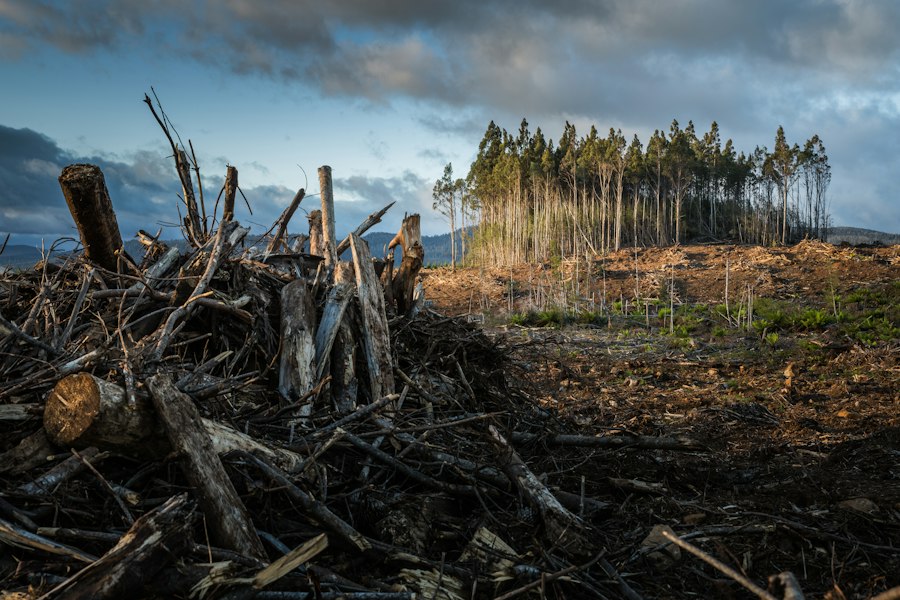
Human activities are fundamentally altering and destroying natural habitats at an unprecedented scale, transforming landscapes and disrupting ecological processes.
Urbanization and Infrastructure Development: The Concrete Jungle
The relentless expansion of cities and the construction of infrastructure such as roads, dams, and buildings have a profound impact on natural landscapes. Urban sprawl encroaches on natural habitats, fragmenting ecosystems and displacing wildlife. The construction of dams alters river flows, affecting aquatic ecosystems and downstream communities. The paving of vast areas for roads and buildings increases impervious surfaces, leading to increased runoff, flooding, and reduced groundwater recharge. The demand for raw materials for construction also drives resource extraction and associated environmental impacts.
Agriculture and Industrial Land Use: The Transformation of Natural Landscapes
The conversion of forests, grasslands, and wetlands into agricultural fields and industrial sites represents one of the most significant drivers of habitat destruction. Monoculture farming practices, while efficient for production, reduce biodiversity and can deplete soil nutrients. Industrial activities, including mining and manufacturing, often lead to land degradation, pollution, and the destruction of natural habitats. The pursuit of economic development through land transformation frequently comes at the cost of ecological integrity.
Coastal Development and Wetland Destruction: The Erosion of Natural Buffers
Coastal areas, rich in biodiversity and providing essential ecosystem services, are increasingly threatened by development. The construction of resorts, housing, and industrial facilities often involves the destruction of wetlands, mangroves, and coral reefs. These natural coastal defenses play a vital role in protecting shorelines from erosion and storm surges. Their loss makes coastal communities more vulnerable to the impacts of rising sea levels and extreme weather events, while also devastating the unique ecosystems they support.
Human-caused ecological disasters have far-reaching consequences that extend beyond immediate environmental damage, affecting ecosystems and communities alike. A related article discusses the implications of such events in a broader context, highlighting how our actions can lead to unforeseen repercussions. For a deeper understanding of these complex issues, you can read more about the consequences of human intervention in fragile environments in this insightful piece on defending lunar bases and the potential fallout from attacks. Explore the article here to learn more about the intricate balance between human activities and ecological stability.
Waste Generation and Management: The Accumulation of Our Detritus
| Disaster | Year | Location | Cause | Environmental Impact | Estimated Area Affected (sq km) | Human Impact |
|---|---|---|---|---|---|---|
| Deepwater Horizon Oil Spill | 2010 | Gulf of Mexico, USA | Offshore drilling rig explosion | Massive marine and coastal pollution, destruction of marine habitats | 68,000 | 11 deaths, long-term health effects on workers and residents |
| Chernobyl Nuclear Disaster | 1986 | Pripyat, Ukraine | Nuclear reactor explosion | Radioactive contamination of land and water, long-term ecosystem damage | 2,600 | Approximately 4,000 cancer deaths estimated, mass evacuations |
| Exxon Valdez Oil Spill | 1989 | Prince William Sound, Alaska, USA | Oil tanker grounding | Severe marine pollution, damage to fish and bird populations | 1,300 | Long-term economic impact on fishing communities |
| Minamata Disease | 1950s-1960s | Minamata Bay, Japan | Industrial mercury discharge | Severe mercury poisoning in marine life and humans | ~100 | Over 1,700 affected, including deaths and chronic illness |
| Aral Sea Shrinkage | 1960s-present | Central Asia | Water diversion for irrigation | Loss of aquatic ecosystem, desertification, increased salinity | ~68,000 (original sea size) | Health problems from dust storms, loss of fisheries |
The sheer volume of waste generated by human societies, coupled with inadequate waste management practices, presents a significant and growing environmental challenge.
Landfills and Waste Disposal: The Growing Mountains of Refuse
The traditional method of disposing of waste in landfills has numerous environmental drawbacks. Landfills occupy valuable land, can leach harmful chemicals into the soil and groundwater, and release methane, a potent greenhouse gas, as organic matter decomposes. As populations grow, the demand for landfill space increases, leading to further land use conflicts and environmental risks. The long-term management and containment of landfill sites are also complex and costly endeavors.
E-waste and Hazardous Waste: The Toxic Legacy of Modern Life
The rapid pace of technological advancement has led to an explosion in electronic waste (e-waste), which often contains toxic materials such as lead, mercury, and cadmium. Improper disposal of e-waste can release these hazardous substances into the environment, posing serious risks to human health and ecosystems. Similarly, the generation of hazardous waste from industrial processes requires specialized treatment and disposal to prevent environmental contamination. The global trade in e-waste and hazardous materials, often to countries with less stringent environmental regulations, exacerbates these problems.
Microplastics and Persistent Organic Pollutants (POPs): The Invisible Threat
Beyond visible waste, microscopic pollutants like microplastics and persistent organic pollutants (POPs) pose a long-term and insidious threat. Microplastics, resulting from the breakdown of larger plastic items, contaminate oceans, soils, and even the air we breathe, entering the food chain and potentially impacting human health. POPs, such as PCBs and dioxins, are chemical compounds that persist in the environment for long periods, bioaccumulating in living organisms and causing a range of adverse health effects, including reproductive problems and cancer. Their pervasive nature and long-term impact underscore the need for stricter regulations and cleaner production methods.
The environmental impact of human-caused ecological disasters is a stark reminder of the delicate interconnectedness of our planet. Addressing these challenges requires a fundamental shift in human behavior, from individual consumption patterns to global policy decisions. Embracing sustainable practices, investing in renewable energy, promoting conservation, and fostering a deeper respect for the natural world are not merely options but necessities for the survival and well-being of all life on Earth. The future of our planet hinges on our collective ability to acknowledge the profound environmental impact of our actions and to forge a path towards genuine ecological stewardship.

A Dam Brought the Aral Sea Back—But Only Part of It
FAQs
What are human caused ecological disasters?
Human caused ecological disasters are environmental catastrophes that result from human activities such as pollution, deforestation, industrial accidents, and climate change.
What are some examples of human caused ecological disasters?
Examples of human caused ecological disasters include oil spills, nuclear accidents, chemical pollution, deforestation, habitat destruction, and overfishing.
What are the impacts of human caused ecological disasters?
Human caused ecological disasters can have devastating impacts on ecosystems, wildlife, and human health. They can lead to loss of biodiversity, habitat destruction, water and air pollution, and long-term environmental damage.
How can human caused ecological disasters be prevented?
Human caused ecological disasters can be prevented through sustainable practices such as reducing carbon emissions, protecting natural habitats, implementing stricter regulations on pollution, and promoting conservation efforts.
What role does individual action play in preventing human caused ecological disasters?
Individual actions such as reducing waste, conserving energy, supporting sustainable products, and advocating for environmental protection policies can all contribute to preventing human caused ecological disasters.