Human-Caused Environmental Disasters: A Global Crisis
The Earth, a vibrant and intricate tapestry of life, is facing an unprecedented existential threat. This threat is not an act of nature beyond our control, but a consequence of human actions, a relentless assault on the delicate balance of our planet’s ecosystems. From the melting ice caps to the choked oceans, from the poisoned rivers to the barren landscapes, the fingerprints of human activity are indelible upon the environmental devastation unfolding across the globe. These human-caused environmental disasters are not isolated incidents; they are interconnected manifestations of a systemic crisis, demanding urgent global attention and transformative solutions. The scale of the problem is staggering, encompassing a wide spectrum of destructive practices and their cascading consequences, leaving no corner of the planet untouched and no species unaffected.
Pollution, in its myriad forms, stands as a pervasive and insidious threat, silently undermining the health of our planet and its inhabitants. It is a relentless byproduct of industrialization, unchecked consumption, and inadequate waste management, seeping into every facet of our environment and impacting every living organism. The sheer volume and diversity of pollutants released into the atmosphere, water bodies, and soil paint a grim picture of our impact.
Air Pollution: The Breath of Death
The air we breathe, essential for life, has become a conduit for a cocktail of toxic substances. Industrial emissions, the exhaust from millions of vehicles, and the burning of fossil fuels release particulate matter, nitrogen oxides, sulfur dioxide, and volatile organic compounds into the atmosphere. These pollutants contribute to respiratory illnesses, cardiovascular diseases, and various forms of cancer, impacting human health on a global scale. Furthermore, air pollution contributes to acid rain, which damages forests, lakes, and buildings, and can deplete the ozone layer, exposing us to harmful ultraviolet radiation. The invisible nature of many of these pollutants makes their immediate impact less apparent, fostering a sense of complacency that belies their deadly efficacy.
Water Pollution: Poisoning Our Lifelines
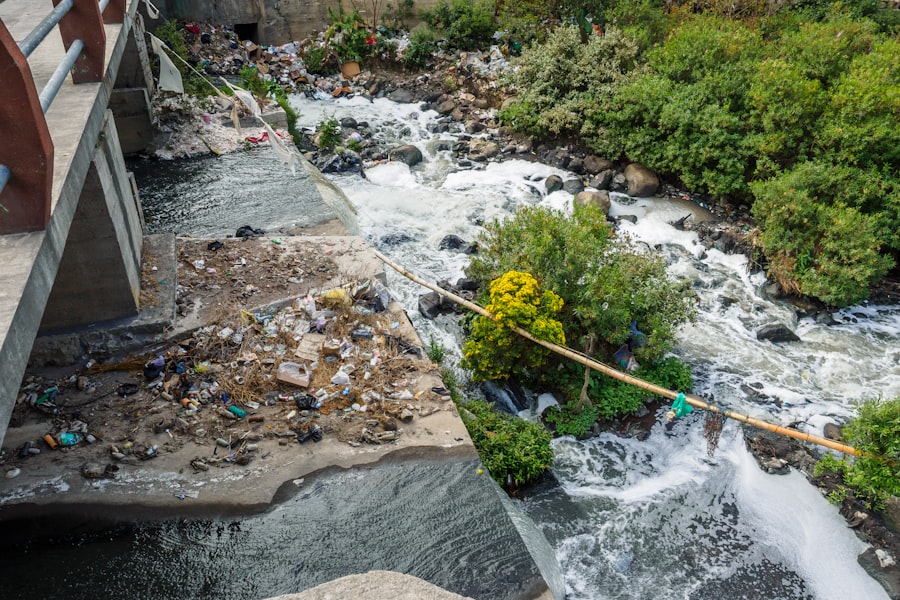
Water, the universal solvent and the very essence of life, is increasingly becoming contaminated. Industrial discharge of heavy metals, agricultural runoff laden with pesticides and fertilizers, and untreated sewage pour into our rivers, lakes, and oceans. This contamination not only renders water unfit for consumption, leading to widespread waterborne diseases like cholera and typhoid, but also devastates aquatic ecosystems. Eutrophication, caused by excess nutrients, leads to algal blooms that deplete oxygen, creating “dead zones” where marine life cannot survive. Plastic pollution, a particularly persistent problem, chokes marine animals, enters the food chain, and breaks down into microplastics, posing long-term health risks to both wildlife and humans. The Great Pacific Garbage Patch serves as a stark, tangible monument to our negligence.
Land Degradation and Soil Contamination: Eroding the Foundation of Life
The land beneath our feet, the foundation of our food production and biodiversity, is suffering a similar fate. Deforestation, driven by agricultural expansion, logging, and urbanization, leads to soil erosion, desertification, and the loss of vital habitats. Intensive farming practices, including monoculture and the excessive use of chemical fertilizers and pesticides, deplete soil nutrients, reduce biodiversity, and contaminate groundwater. Industrial waste, mining operations, and improper disposal of hazardous materials further degrade land quality, rendering it infertile and posing significant risks to human health through direct contact and the contamination of food sources. The loss of fertile topsoil is a slow-motion disaster, undermining our ability to feed a growing global population.
Human-induced environmental disasters have become increasingly prevalent, highlighting the urgent need for sustainable practices. A related article that delves into the impact of climate change on ancient civilizations and how these lessons can inform our current environmental challenges can be found at Uncovering Ancient Civilizations Through Paleoclimate Data. This piece explores how past societies responded to environmental shifts, offering valuable insights into our own vulnerabilities and the importance of proactive measures to prevent future disasters.
The Shifting Equilibrium: Climate Change and Its Devastating Manifestations
Perhaps the most overarching and interconnected human-caused environmental disaster is climate change. Driven primarily by the emission of greenhouse gases from the burning of fossil fuels, deforestation, and industrial processes, our planet is warming at an alarming rate, disrupting long-established climate patterns and unleashing a cascade of destructive events.
Rising Temperatures and Heatwaves: A Feverish Planet
The increase in global average temperatures is leading to more frequent and intense heatwaves. These extreme weather events pose serious health risks, particularly to vulnerable populations, leading to heatstroke, dehydration, and exacerbating existing medical conditions. Beyond human health, rising temperatures impact agriculture, leading to crop failures and food insecurity, and increase the risk of wildfires, which devastate ecosystems and release further greenhouse gases. The gradual but relentless rise in mercury is a clear indicator of a planet in distress.
Extreme Weather Events: The Fury of a Disrupted Climate
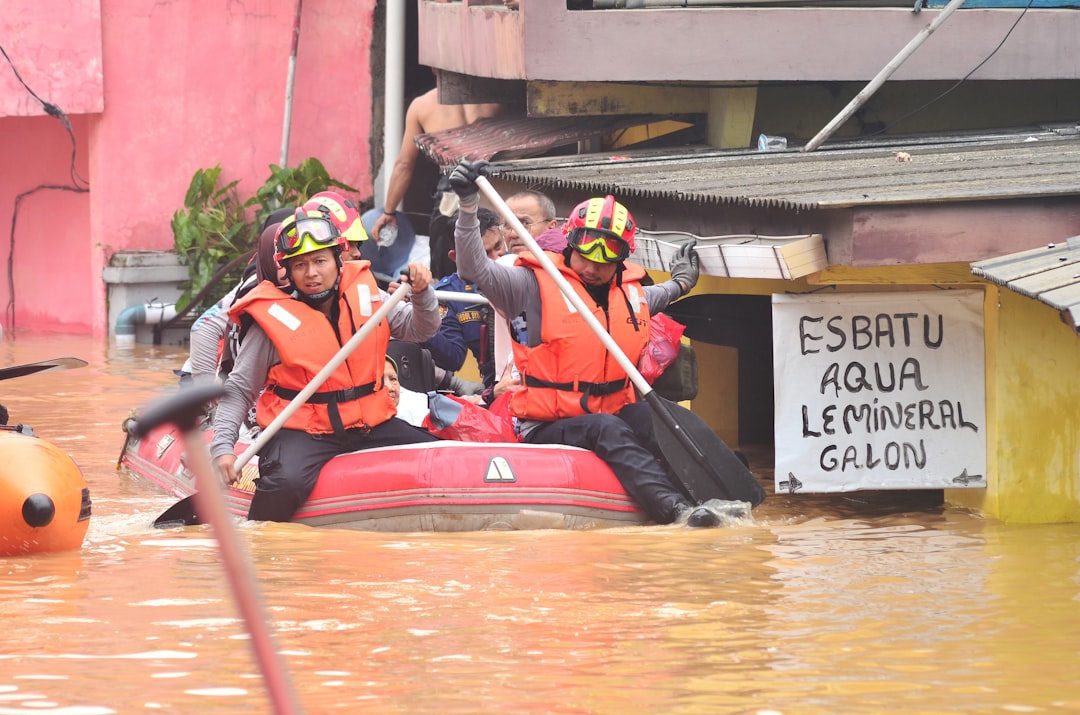
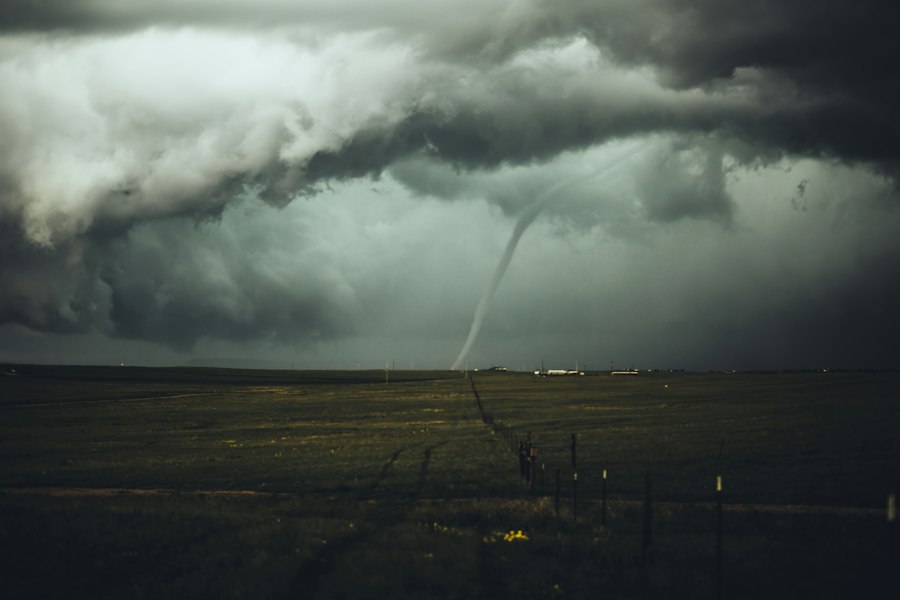
Climate change is amplifying the intensity and frequency of extreme weather events. Hurricanes and typhoons are becoming stronger and more destructive, fueled by warmer ocean waters. Droughts are intensifying in some regions, leading to water scarcity and agricultural collapse, while other areas are experiencing unprecedented flooding due to altered precipitation patterns and rising sea levels. These events cause widespread destruction, displacement of communities, and immense economic losses, creating humanitarian crises and straining global resources. The unpredictable nature of these once-rare occurrences highlights the profound disruption to Earth’s natural cycles.
Sea Level Rise and Coastal Erosion: The Drowning Coasts
As global temperatures rise, glaciers and ice sheets melt at an accelerated pace, contributing to a significant rise in sea levels. This phenomenon poses an existential threat to low-lying coastal communities and island nations, leading to increased coastal erosion, saltwater intrusion into freshwater sources, and displacement of populations. The inundation of coastal wetlands, vital nurseries for marine life and natural buffers against storms, further exacerbates the problem. The creeping advance of the ocean is a constant, undeniable reminder of our warming world.
Ocean Acidification: The Silent Threat to Marine Life
The oceans, vast carbon sinks, are absorbing a significant portion of the excess carbon dioxide released into the atmosphere. This absorption leads to a decrease in the pH of seawater, a process known as ocean acidification. This acidification poses a severe threat to marine organisms with calcium carbonate shells and skeletons, such as corals, shellfish, and plankton, which form the base of the marine food web. The weakening of these foundational species has profound implications for the entire marine ecosystem and the livelihoods of those who depend on it. The vibrant coral reefs, once teeming with life, are succumbing to this invisible enemy.
The Unsustainable Consumption: Resource Depletion and Waste Generation
Our insatiable demand for resources, fueled by a global economy centered on continuous growth and consumption, is rapidly depleting Earth’s finite natural capital. This unsustainable model not only strips the planet of its resources but also generates an ever-increasing mountain of waste, further straining our ecosystems.
Overexploitation of Natural Resources: Draining the Well
The relentless extraction of resources such as fossil fuels, minerals, timber, and fresh water is pushing many ecosystems to their breaking point. Deforestation, driven by demand for timber and land for agriculture, destroys forests that are crucial for biodiversity, carbon sequestration, and regulating water cycles. Overfishing is depleting fish stocks at an alarming rate, threatening marine ecosystems and the food security of millions. The unsustainable extraction of minerals and fossil fuels often involves environmentally destructive practices like strip mining and fracking, leaving behind scarred landscapes and contaminated water sources. We are, quite literally, consuming our future.
The Plastic Pandemic: A Persistent Scourge
Plastic, a ubiquitous material in modern life, has become a significant environmental problem due to its durability and slow decomposition rate. The production and disposal of plastics contribute to greenhouse gas emissions, and their accumulation in landfills and the environment poses a severe threat. As mentioned earlier, plastic pollution chokes wildlife, contaminates soil and water, and breaks down into microplastics that enter the food chain, with unknown long-term health consequences. The sheer volume of single-use plastics highlights our throwaway culture.
Electronic Waste: A Growing Toxic Legacy
The rapid pace of technological advancement has led to a burgeoning problem of electronic waste, or e-waste. Discarded electronics contain valuable materials that could be recycled, but they also contain hazardous substances like lead, mercury, and cadmium, which can leach into the environment and pose serious health risks if not disposed of properly. The improper disposal and informal recycling of e-waste, particularly in developing countries, create toxic hotspots and endanger the health of workers and surrounding communities. We are trading obsolescence for toxic contamination.
Biodiversity Loss: The Silent Extinction
The intricate web of life on Earth, built over millions of years, is unraveling at an unprecedented rate. Human activities are driving species to extinction at a pace far exceeding natural rates, leading to a catastrophic loss of biodiversity. This loss is not merely an aesthetic tragedy; it undermines the stability and resilience of ecosystems, with profound implications for human well-being.
Habitat Destruction and Fragmentation: Erasing Homes
The primary driver of biodiversity loss is habitat destruction. As human populations expand and demand for land increases, natural habitats are cleared for agriculture, urban development, and infrastructure. This not only eliminates the homes of countless species but also fragments remaining habitats, isolating populations and making them more vulnerable to extinction. The Amazon rainforest, the Indonesian rainforests, and countless other vital ecosystems are being systematically dismantled.
Invasive Species: The Uninvited Guests
Human activities, through trade and travel, have facilitated the introduction of invasive species into new environments. These non-native species can outcompete native species for resources, introduce diseases, and disrupt existing ecological balances, leading to the decline and extinction of native flora and fauna. The brown tree snake in Guam and the zebra mussel in the Great Lakes are prime examples of the devastating impact of unchecked invasions.
Overhunting and Poaching: The Silent Slaughter
The unsustainable hunting of wild animals for food, sport, or traditional medicine, coupled with illegal poaching, has driven many species to the brink of extinction. The demand for ivory, rhino horns, and other animal products fuels a lucrative illegal wildlife trade, threatening iconic species like elephants, rhinos, and tigers. The relentless pursuit of profit at the expense of life is a moral and ecological failing.
Human-induced environmental disasters have become an alarming concern in recent years, with numerous incidents highlighting the urgent need for sustainable practices. One such example is the ongoing debate surrounding the impact of industrial pollution on ecosystems and public health. For a deeper understanding of the economic implications of such disasters, you can read this insightful article on the potential risks to personal savings in the face of environmental crises by visiting this link. It emphasizes the interconnectedness of environmental degradation and financial stability, urging individuals to consider the broader consequences of human actions on both nature and their financial futures.
The Need for Systemic Change: Towards a Sustainable Future
| Disaster | Year | Location | Cause | Impact | Estimated Damage |
|---|---|---|---|---|---|
| Deepwater Horizon Oil Spill | 2010 | Gulf of Mexico, USA | Offshore drilling rig explosion | Approx. 4.9 million barrels of oil spilled, extensive marine and coastal damage | Severe ecological and economic impact on fisheries and tourism |
| Chernobyl Nuclear Disaster | 1986 | Pripyat, Ukraine | Nuclear reactor explosion due to flawed reactor design and operator error | Release of large quantities of radioactive particles, long-term health effects | Evacuation of 49,000 people, exclusion zone of 2,600 km² |
| Minamata Disease | 1950s | Minamata Bay, Japan | Mercury poisoning from industrial wastewater | Severe neurological damage and deaths in local population | Long-term contamination of marine life and fishing industry collapse |
| Exxon Valdez Oil Spill | 1989 | Prince William Sound, Alaska, USA | Oil tanker grounding | Approx. 11 million gallons of crude oil spilled, massive wildlife mortality | Decades-long environmental recovery process |
| Great Smog of London | 1952 | London, UK | Air pollution from coal burning | Estimated 12,000 deaths due to respiratory problems | Led to Clean Air Act 1956 |
The interconnectedness of these human-caused environmental disasters paints a stark picture of a global crisis that demands a radical shift in our approach to development, consumption, and our relationship with the natural world. Addressing this crisis requires a multi-faceted and collaborative effort involving governments, corporations, communities, and individuals.
Transitioning to Renewable Energy: Powering a Greener Future
The most critical step in mitigating climate change is a rapid and comprehensive transition away from fossil fuels towards renewable energy sources such as solar, wind, and geothermal power. This transition requires significant investment in renewable energy infrastructure, research and development, and policies that incentivize clean energy adoption and disincentivize the use of fossil fuels. A clean energy revolution is not just an environmental imperative; it is an economic opportunity.
Embracing a Circular Economy: Minimizing Waste, Maximizing Value
Moving away from a linear “take-make-dispose” economic model towards a circular economy is essential for reducing resource depletion and waste generation. A circular economy focuses on designing products for longevity, repairability, and recyclability, and on keeping materials in use for as long as possible. This approach minimizes the need for virgin resources and reduces the environmental burden of waste disposal. The principles of reduce, reuse, and recycle must become the cornerstone of our consumption patterns.
Sustainable Agriculture and Land Management: Nurturing the Earth
Adopting sustainable agricultural practices is crucial for protecting soil health, conserving water, and reducing reliance on harmful chemicals. This includes promoting crop diversification, organic farming, agroforestry, and responsible land-use planning. Protecting and restoring natural habitats, forests, and wetlands is also vital for preserving biodiversity and maintaining ecosystem services. We must learn to work with nature, not against it, to ensure food security and ecological health.
International Cooperation and Policy Reform: A United Front
Addressing global environmental challenges requires unprecedented international cooperation. Governments must implement strong environmental regulations, enforce existing laws, and invest in conservation efforts. International agreements and collaborations are essential for tackling issues like climate change, biodiversity loss, and pollution that transcend national borders. Consumers also play a vital role by making informed choices and demanding sustainable products and practices from businesses. Collective action and decisive policy reform are no longer optional; they are indispensable for survival.
The human-caused environmental disasters we face are not insurmountable obstacles, but rather urgent calls to action. The path forward requires a fundamental reevaluation of our values, our priorities, and our interconnectedness with the natural world. By embracing innovation, fostering collaboration, and committing to sustainable practices, humanity can yet chart a course towards a healthier, more resilient planet for all. The time for incremental change has passed; a paradigm shift is required. The future of life on Earth, in all its magnificent diversity, depends on our willingness to confront this crisis with courage, wisdom, and unwavering resolve.

A Dam Brought the Aral Sea Back—But Only Part of It
FAQs
What are environmental disasters caused by humans?
Environmental disasters caused by humans are events or incidents that result in significant harm to the environment due to human activities. These disasters can include oil spills, deforestation, air and water pollution, and industrial accidents.
How do human activities contribute to environmental disasters?
Human activities contribute to environmental disasters through activities such as deforestation, industrial pollution, overfishing, and the release of greenhouse gases. These actions can lead to habitat destruction, loss of biodiversity, and climate change.
What are the impacts of environmental disasters caused by humans?
The impacts of environmental disasters caused by humans can be devastating, including damage to ecosystems, loss of biodiversity, contamination of air and water sources, and health risks to humans and wildlife. These disasters can also lead to long-term environmental degradation and economic losses.
Can environmental disasters caused by humans be prevented?
While it may not be possible to completely eliminate the risk of environmental disasters caused by humans, steps can be taken to prevent or mitigate their impact. This includes implementing regulations and policies to reduce pollution, promoting sustainable practices, and raising awareness about the importance of protecting the environment.
What can individuals do to help prevent environmental disasters?
Individuals can help prevent environmental disasters by reducing their carbon footprint, conserving water and energy, supporting sustainable products and practices, and advocating for environmental protection policies. Small actions taken by individuals can collectively make a significant impact on reducing the risk of environmental disasters caused by humans.