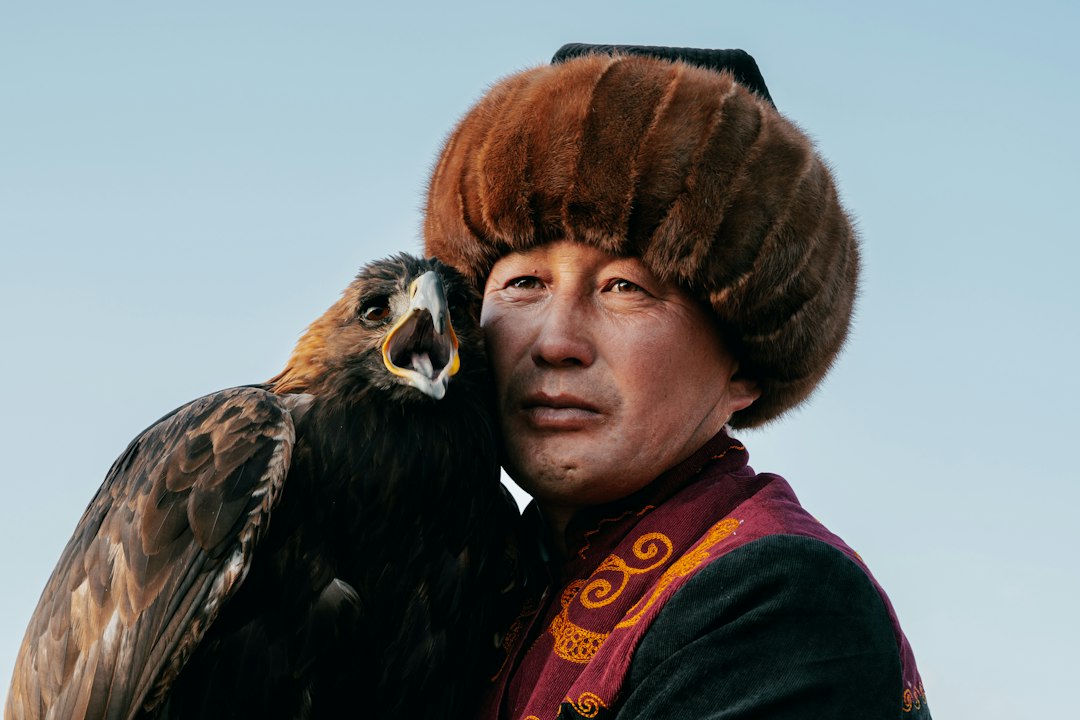
The vast and enigmatic expanse of Central Asia, a region often shrouded in mystique, is brought to life in a compelling new geography documentary, “Exploring the Diverse Landscapes of Central Asia.” This cinematic journey embarks on an ambitious exploration of the region’s breathtaking natural beauty, its profound geographical influences, and the intricate tapestry of life that has evolved within its dramatic terrains. The documentary doesn’t merely present static vistas; it delves into the dynamic forces that have shaped these lands over millennia, revealing the geological processes, climatic shifts, and the enduring relationship between humans and their environment.
The boundless steppe, a quintessential Central Asian landscape, serves as the opening act of this visual odyssey. The documentary masterfully captures the sheer immensity of these grassy plains, stretching as far as the eye can see under an ever-changing sky.
The Great Steppe: A Living, Breathing Ecosystem
“Exploring the Diverse Landscapes of Central Asia” emphasizes that the steppe is far from a barren wasteland. It is presented as a vibrant, living ecosystem, teeming with specialized flora and fauna adapted to its arid conditions and extreme temperature fluctuations. The film showcases the resilience of life here, from the migratory patterns of vast herds of wild ungulates, their movements dictated by the availability of sparse vegetation, to the tenacious grasses that carpet the land, holding the soil against the persistent winds. The documentary employs time-lapse photography to illustrate the subtle yet profound seasonal transformations of the steppe, from the emerald hues of spring to the golden browns of summer and the stark, snow-dusted canvas of winter.
The Aral Sea’s Tragic Tale: A Man-Made Desert
A poignant and crucial segment of the steppe exploration is dedicated to the ecological catastrophe of the Aral Sea. The documentary presents a stark and sobering account of how ambitious irrigation projects in the Soviet era led to the diversion of the rivers that fed this once-enormous inland sea. The visuals are powerful, juxtaposing archival footage of a thriving sea with the desolate, saline desert that remains today. The film interviews scientists and local residents, piecing together the devastating environmental and social consequences – the collapse of fishing industries, widespread health problems due to toxic dust storms, and the profound cultural loss. This section serves as a critical reminder of the delicate balance of natural systems and the potential for human actions to have irreversible, far-reaching impacts.
Nomadic Legacies: Life on the Move
The documentary highlights the enduring cultural legacy of nomadic peoples who have historically thrived on the steppe. Through interviews with descendants of these traditional communities and re-enactments, viewers gain an understanding of their ingenious adaptations to life on the move. The film explores their deep knowledge of the land, their sustainable herding practices, and the social structures that allowed for survival in such a challenging environment. The iconic yurt, the portable dwelling of the nomads, is presented not just as a shelter but as a symbol of their adaptability and harmonious existence with nature. The documentary also touches upon the modern challenges faced by these communities, as traditional ways of life increasingly come into conflict with globalization and sedentarization.
In exploring the intricate geography of Central Asia, one can gain deeper insights by examining historical cartography, such as the Piri Reis map. This fascinating document not only highlights the navigational knowledge of the 16th century but also sheds light on the connections between different regions, including Central Asia. For a more in-depth look at this intriguing map and its implications, you can read the article titled “Uncovering the Secrets of the Piri Reis Map” available at this link.
The Roof of the World: The Majestic Tian Shan and Pamir Mountains
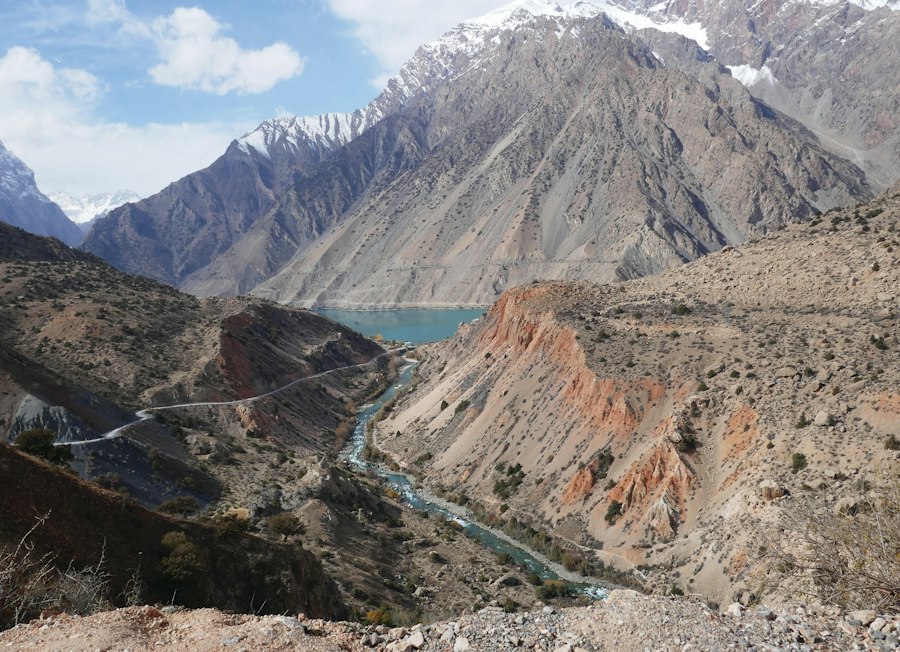
Leaving the expansive plains behind, “Exploring the Diverse Landscapes of Central Asia” ascends to the towering heights of the Tian Shan and Pamir mountain ranges, often referred to as the “Roof of the World.” These formidable massifs dominate the southern and eastern reaches of the region, dictating weather patterns and shaping the lives of those who dwell in their shadow.
The Tian Shan: Celestial Mountains and Glacial Giants
The documentary paints a vivid picture of the Tian Shan, translating its name into “Celestial Mountains.” The sheer scale of these peaks is emphasized, with drone footage soaring above snow-capped summits that pierce the clouds. The film focuses on the dramatic glacial systems that feed the region’s major rivers. Expert glaciologists explain the formation and retreat of these glaciers, a process that is accelerating due to climate change, with significant implications for downstream water resources. The documentary captures the raw, untamed beauty of the alpine meadows that bloom with vibrant wildflowers in the short summer months, providing a stark contrast to the stark, rocky slopes above.
Biodiversity Hotspots: Unique Alpine Life
Within the rugged embrace of the Tian Shan, the documentary reveals hidden pockets of extraordinary biodiversity. Viewers are introduced to species that have evolved in isolation, perfectly adapted to the high-altitude environment. The elusive snow leopard, a symbol of the region’s wildness, is featured through rare and stunning footage, illustrating its incredible camouflage and hunting prowess. The film also highlights other unique wildlife, such as the marmot colonies that dot the grasslands and the diverse array of birds of prey that circle the skies. This section underscores the importance of these mountain ranges as vital refuges for a unique and vulnerable array of life.
The Pamir Mountains: Crossroads of Continents and Ancient Routes
The Pamir Mountains, a complex knot of ranges where the Tian Shan, Karakoram, Hindu Kush, and Hindu Raj mountains converge, are explored with a sense of historical and geographical significance. The documentary emphasizes their role as a natural fortress and a crucial crossroads throughout history.
The Pamir Highway: A Ribbon of Adventure
A significant portion of the Pamir exploration is dedicated to the iconic Pamir Highway, one of the world’s highest international roads. The film follows this serpentine route, showcasing the breathtaking vistas that unfold at every turn. The documentary captures the stark beauty of the high-altitude desert landscapes, dotted with nomadic herders and their livestock. It also delves into the lives of the communities that have settled along the highway, their resilience in the face of extreme isolation and harsh conditions. The stories of resilience and ingenuity of the people who call the Pamirs home are a central theme.
Glacial Lakes and Water Towers
The Pamirs are home to a stunning array of glacial lakes, their turquoise and sapphire waters creating surreal spectacles against the rugged mountain backdrop. The documentary explains the geological processes that formed these lakes, often as a result of glacial erosion and moraine dams. These lakes are not just aesthetically remarkable; they are vital reservoirs of fresh water, feeding rivers that sustain agriculture and communities far beyond the mountain ranges. The film touches upon the challenges of managing these precious water resources in a region facing increasing demand and the impacts of climate change.
Deserts of Extremes: The Kyzylkum and Karakum Oases
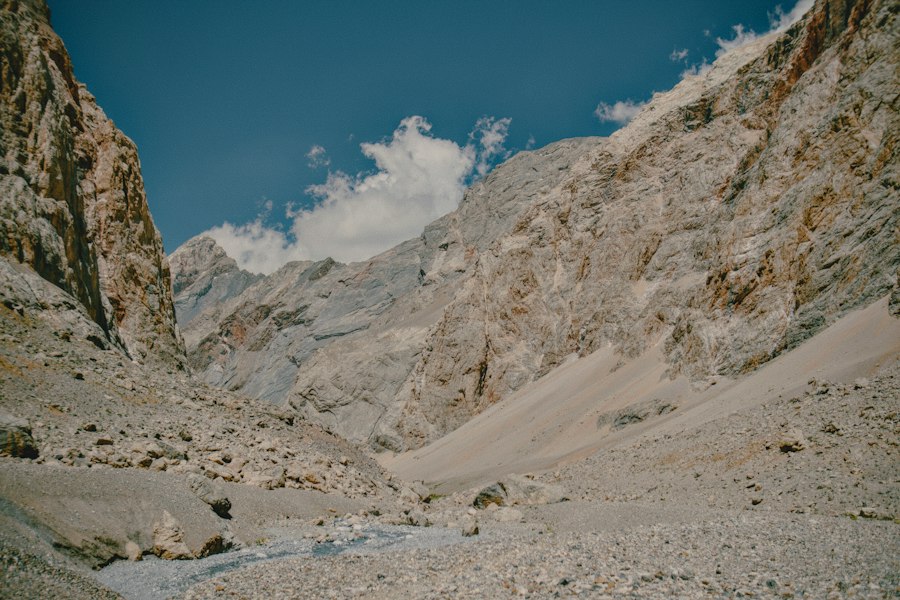
The geographical narrative then shifts to the vast and unforgiving desert landscapes that dominate large swathes of Central Asia, namely the Kyzylkum and Karakum deserts. These are not simply sandy expanses; they are realms of extreme temperatures, unique geological formations, and life that has learned to survive against all odds.
The Kyzylkum: Red Sands and Hidden Water
The Kyzylkum, meaning “Red Sand,” is brought to life through stunning aerial photography that reveals the undulating dunes and the stark beauty of its arid terrain. The documentary explores the challenges of life in this hyper-arid environment, where water is the most precious commodity. It highlights the ingenious methods that have been developed over centuries to access and manage water, from ancient qanats (underground water channels) to modern wells.
Desert Flora and Fauna: Masters of Survival
The film delves into the remarkable adaptations of the plants and animals that call the Kyzylkum home. Viewers witness the resilience of drought-resistant shrubs that cling to the sandy soil, the unique flowering plants that burst into life after rare rainfall, and the hardy reptiles and insects that have evolved to withstand the extreme heat. The documentary also features the majestic Bactrian camel, a creature perfectly suited to the desert, and the gazelles that roam the open plains. This section is a testament to the power of evolution and the incredible ability of life to find a way, even in the harshest of conditions.
The Karakum: A Sea of Sand and Natural Resources
The Karakum, or “Black Sand,” desert, is presented as a landscape of both immense natural beauty and significant economic importance. The documentary explores the geological processes that have shaped this vast desert, including the formation of sand dunes and the underlying rock formations.
The Karakum Canal: An Artery of Life
A significant feature of the Karakum exploration is the Karakum Canal, an ambitious and controversial Soviet-era engineering project. The documentary examines the canal’s dual nature: it has brought much-needed water to arid lands, enabling agricultural development and supporting human settlements, but it has also had significant environmental consequences, including the depletion of water sources and soil salinization. The film presents a nuanced perspective, acknowledging both the benefits and the drawbacks of this colossal undertaking.
Natural Gas Reserves: A Double-Edged Sword
The Karakum is also a treasure trove of natural gas reserves, a resource that has transformed the economies of some Central Asian nations. The documentary explores the impact of this resource extraction, from the vast industrial complexes that dot the landscape to the economic opportunities and environmental challenges that arise. It raises important questions about sustainable resource management and the long-term implications for the region.
The Fergana Valley: A Fertile Crescent and a Nexus of Cultures
Moving from the extremes of desert and mountain, “Exploring the Diverse Landscapes of Central Asia” highlights the Fergana Valley, a fertile oasis that has long been a cradle of civilization and a melting pot of cultures. This lush, alluvial plain is fed by the mighty Syr Darya River, making it one of the most agriculturally productive regions in Central Asia.
The Fertile Embrace: Agriculture and Water Management
The documentary showcases the vibrant agricultural landscapes of the Fergana Valley, where cotton fields stretch as far as the eye can see, interspersed with orchards of apricots, peaches, and pomegranates. Expert farmers and agronomists explain the traditional and modern techniques employed to maximize crop yields in this bountiful region. The intricate irrigation systems, developed over centuries, are a testament to the valley’s reliance on water management, a critical factor in its sustained prosperity. The film also touches upon the historical significance of the region as a breadbasket for Central Asia.
Cultural Crossroads: A Tapestry of Traditions
The Fergana Valley’s strategic location has made it a meeting point for diverse ethnicities and cultures. The documentary explores this rich cultural heritage through its exploration of bustling bazaars, traditional craftsmanship, and the unique customs and traditions that have flourished here. Viewers are introduced to the intricate artistry of Fergana’s ceramics and textiles, and the captivating melodies of its traditional music. The film emphasizes the harmonious coexistence of various communities, a testament to the enduring power of cultural exchange.
Geopolitical Significance: A Region of Interest
The documentary also acknowledges the historical and contemporary geopolitical significance of the Fergana Valley. Its fertile lands, abundant water resources, and strategic location have made it a region of interest for various powers throughout history. The film touches upon the complex ethnic and political dynamics that have shaped the valley, offering a glimpse into the challenges and opportunities that lie ahead for its inhabitants.
In exploring the diverse landscapes and rich cultural heritage of Central Asia, one can gain a deeper understanding of the region’s geography and its impact on local communities. For those interested in how geography influences various aspects of life, including preparedness for natural disasters, a related article offers essential insights on home safety. You can read more about these important tips for emergency readiness in the article found here. This connection highlights the importance of understanding both the environment and the measures needed to protect oneself within it.
Conclusion: A Region of Enduring Wonder and Vital Importance
| Metric | Data/Value | Description |
|---|---|---|
| Number of Countries Covered | 5 | Kazakhstan, Kyrgyzstan, Tajikistan, Turkmenistan, Uzbekistan |
| Total Area Covered | 4,003,450 km² | Combined land area of the five Central Asian countries |
| Major Mountain Ranges Featured | 3 | Pamir, Tien Shan, Altai Mountains |
| Length of Rivers Highlighted | Approx. 7,000 km | Includes Amu Darya, Syr Darya, and others |
| Desert Areas Covered | 2 | Karakum and Kyzylkum Deserts |
| Average Elevation | 1,000 – 3,000 meters | Varies across mountain ranges and plateaus |
| Documentary Duration | 90 minutes | Typical length of a Central Asia geography documentary |
| Number of Ecosystems Featured | 4 | Mountain, desert, steppe, and riverine ecosystems |
“Exploring the Diverse Landscapes of Central Asia” concludes by reiterating the profound geographical richness and ecological importance of this often-overlooked region. The documentary leaves the viewer with a deep appreciation for the resilience of life in its most extreme forms, the enduring legacy of human adaptation, and the intricate interplay between geology, climate, and culture. It underscores that Central Asia is not merely a collection of dramatic landscapes but a vital component of the global ecosystem, facing contemporary challenges that have far-reaching implications. The film serves as a powerful call for greater understanding and appreciation of this geographically diverse and culturally rich corner of the world. It is a journey that not only educates but also inspires awe and a renewed sense of wonder for the natural world.
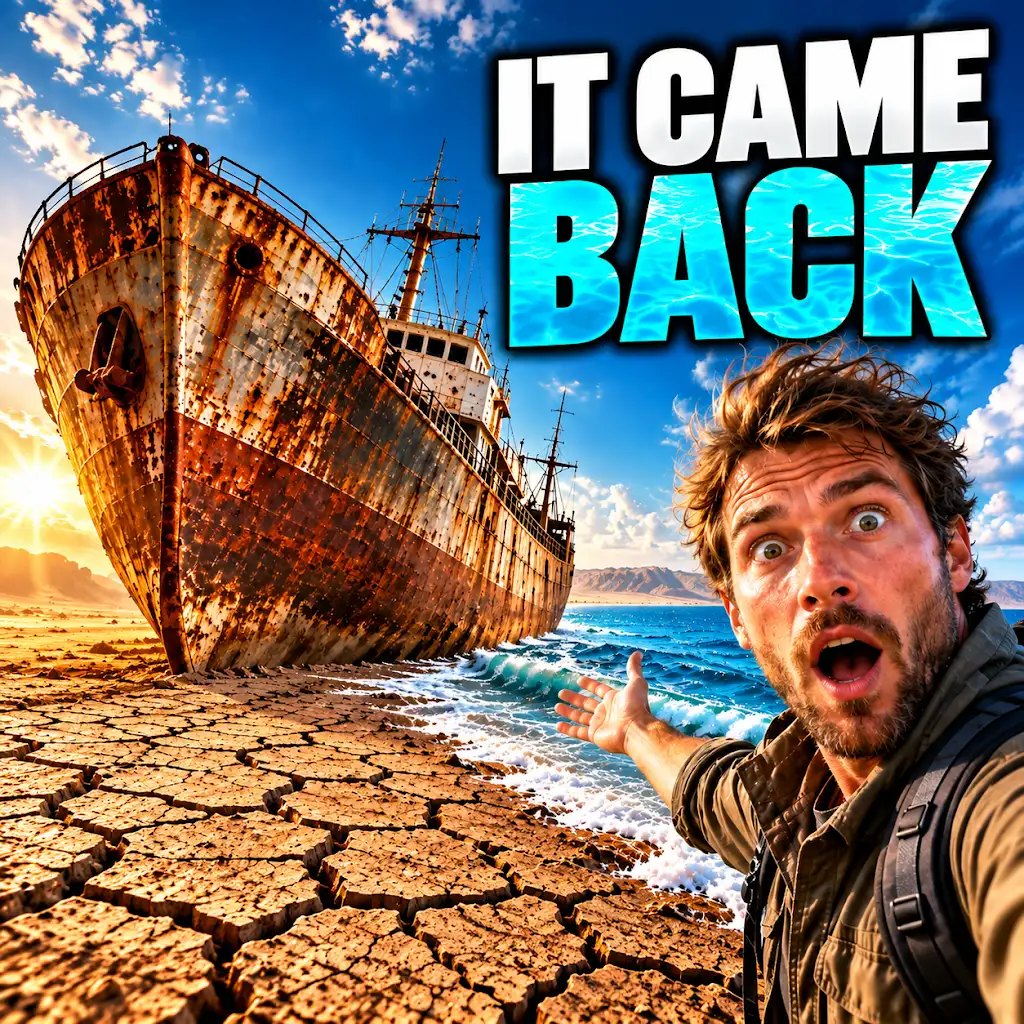
A Dam Brought the Aral Sea Back—But Only Part of It
FAQs
What is the focus of the Central Asia geography documentary?
The documentary focuses on exploring the diverse geography of Central Asia, including its landscapes, climate, natural resources, and unique geographical features.
Which countries are typically included in Central Asia?
Central Asia typically includes countries such as Kazakhstan, Kyrgyzstan, Tajikistan, Turkmenistan, and Uzbekistan. Sometimes Afghanistan and Mongolia are also considered part of Central Asia.
What are some of the key geographical features of Central Asia?
Central Asia is known for its vast steppes, deserts, mountains (including the Pamir and Tien Shan ranges), and the Aral Sea. The region also has important rivers like the Amu Darya and Syr Darya.
How does the geography of Central Asia influence the region’s climate?
The geography of Central Asia plays a significant role in shaping its climate. The region experiences extremes in temperature, with hot summers and cold winters. The presence of mountain ranges also affects precipitation patterns.
What are some of the environmental challenges faced by Central Asia?
Central Asia faces environmental challenges such as water scarcity, desertification, deforestation, and pollution. The shrinking of the Aral Sea due to water diversion for agriculture is a prominent environmental issue in the region.