
The Aral Sea, once a vast inland body of water, is a stark testament to human intervention and ecological catastrophe. A geography documentary, “The Disappearing Aral Sea,” meticulously chronicles the dramatic decline of this once-thriving ecosystem, painting a poignant picture of environmental degradation and its far-reaching consequences. This documentary doesn’t just present facts; it weaves a narrative of a lost world, a vibrant culture, and the devastating ripple effects of unsustainable agricultural practices.
A Thriving Ecosystem and Lifeline for Millions
Before its precipitous decline, the Aral Sea was the fourth-largest lake in the world, a shimmering expanse of blue stretching across Uzbekistan and Kazakhstan. Its waters teemed with life, supporting a rich and diverse fishery that was the backbone of local economies. Fishing villages dotted its shores, their inhabitants living in harmony with the rhythms of the sea. The documentary vividly portrays this bygone era, showcasing archival footage of bustling ports, bountiful catches, and a way of life intrinsically linked to the aquatic environment. It highlights the immense biodiversity of the Aral, from its abundant fish species to the unique flora and fauna that depended on its saline waters. The documentary emphasizes that for millions of people, the Aral Sea was not just an ecological feature but a vital source of sustenance, trade, and cultural identity.
The Strategic Importance of the Aral Basin
The Aral Sea’s significance extended beyond its immediate ecological and economic impact. The entire Aral Basin, encompassing the Amu Darya and Syr Darya river systems that fed the sea, was a strategically important region for the Soviet Union. The documentary delves into the geographical context of the basin, explaining how these two mighty rivers, originating in the Pamir and Tian Shan mountains, were channeled through a vast and arid landscape. This geographical reality made the basin ideal for large-scale agricultural development, particularly cotton cultivation, which the Soviet regime prioritized for its economic potential. The documentary illustrates the intricate network of canals and irrigation systems that were designed to transform the desert into fertile farmland, a feat of engineering that would ultimately have catastrophic consequences for the Aral.
The documentary on the geography of the Aral Sea provides a compelling look at the environmental and geopolitical challenges faced by the region due to water mismanagement and climate change. For those interested in further exploring the intersection of geography and international relations, a related article titled “The Geopolitical Impact of Artemis Accords” delves into how space exploration agreements can influence global politics and resource distribution. You can read more about it here: The Geopolitical Impact of Artemis Accords.
The Genesis of a Catastrophe: The Soviet Irrigation Project
The Grand Vision of Cotton Production
The documentary meticulously traces the origins of the Aral Sea’s demise to the mid-20th century, when the Soviet Union embarked on an ambitious and ultimately disastrous plan to transform Central Asia into a major cotton-producing region. Driven by a desire for self-sufficiency and significant export revenue from cotton, Soviet planners conceived of vast irrigation projects that would divert the waters of the Amu Darya and Syr Darya rivers away from the Aral Sea and onto the arid plains for agricultural purposes. The film presents this as a classic case of prioritizing short-term economic gains over long-term environmental sustainability. It showcases the sheer scale of these engineering endeavors, highlighting the construction of monumental canals and intricate pumping stations, all designed to maximize the irrigation of cotton fields.
The Flaws in the Design and Implementation
“The Disappearing Aral Sea” does not shy away from exposing the fundamental flaws in the Soviet irrigation project. The documentary explains that the canals were poorly constructed, with a significant amount of water lost to seepage and evaporation before it even reached the fields. Furthermore, the efficiency of water usage in the agricultural sector was remarkably low, with traditional, water-intensive irrigation methods being employed. The film interviews former engineers and agronomists who recount the skepticism and warnings that were voiced at the time, voices that were largely ignored by the central planning authorities. The pursuit of cotton quotas and the immense political pressure to achieve agricultural targets overshadowed any concerns about the ecological impact on the Aral Sea.
The Unforeseen Consequences: Water Diversion and Salinization
The most devastating consequence of this massive water diversion was the drastic reduction in the inflow of freshwater into the Aral Sea. As the rivers were systematically drained, the Aral began to shrink at an alarming rate. The documentary vividly illustrates this process through satellite imagery and expert testimonies, showing the sea receding year after year, leaving behind vast expanses of dry land. This desiccation led to a dramatic increase in salinity, rendering the water increasingly toxic for the native flora and fauna. The once-thriving fisheries collapsed, leading to the economic ruin of coastal communities and the abandonment of once-bustling fishing ports. The documentary meticulously details the chain reaction of ecological collapse, from the loss of fish populations to the extinction of many plant and animal species that were adapted to the Aral’s specific environment.
The Environmental Fallout: A Ticking Time Bomb
The Emergence of the Aralkum Desert
As the Aral Sea retreated, it left behind a vast, desolate seabed, now known as the Aralkum Desert. The documentary vividly portrays this stark, alien landscape, a stark contrast to the vibrant blue that once characterized the region. This new desert is not just an empty expanse; it is a toxic legacy. The exposed seabed is laden with accumulated salts, pesticides, and other agricultural chemicals that were washed into the Aral over decades. The film shows how these toxic substances are easily picked up by the wind, forming massive dust storms that travel hundreds of kilometers, affecting air quality and human health far beyond the immediate vicinity of the Aral.
The Dust Storms of Toxic Proportions
The documentary dedicates significant attention to the phenomenon of the Aral dust storms. These are not ordinary sandstorms; they are carriers of dangerous pollutants. The film features interviews with residents who describe the debilitating effects of these storms – respiratory illnesses, skin diseases, and a general decline in public health. The documentary presents scientific data on the composition of these dust particles, highlighting the presence of heavy metals and agricultural chemicals. It underscores the far-reaching geographical impact of these storms, demonstrating how the toxic dust from the Aral’s former seabed can travel across international borders, posing a significant regional health and environmental challenge. The film emphasizes that this is a man-made disaster with a global reach, affecting ecosystems and populations far from the original source.
The Loss of Biodiversity and Ecological Collapse
The impact on biodiversity is a central theme in “The Disappearing Aral Sea.” The documentary meticulously documents the decimation of the Aral’s rich ecosystem. The collapse of the fish populations, which once numbered dozens of species, is a particularly poignant aspect. The film shows abandoned fishing boats and nets, silent monuments to a lost industry. It also highlights the impact on bird and mammal species that relied on the Aral and its surrounding wetlands for survival. The documentary interviews ecologists who explain the concept of ecological collapse and how the Aral Sea’s demise has triggered a cascade of negative effects throughout the region’s food webs and habitats. The loss of this significant body of water has irrevocably altered the delicate balance of the Central Asian environment.
The Human Cost: A Legacy of Hardship and Resilience
The Abandonment of Fishing Villages and Economic Devastation
The documentary vividly portrays the human tragedy that has unfolded along the shores of the Aral Sea. The once-thriving fishing villages, bustling with activity and life, are now ghost towns. The film revisits these abandoned settlements, showing their decaying infrastructure and the lingering remnants of a once-prosperous community. The economic devastation is palpable; fishing, the lifeblood of these communities, disappeared overnight. The documentary features interviews with former fishermen and their families, who recount their struggles to adapt to a new reality, facing unemployment, poverty, and the loss of their cultural heritage. The film powerfully illustrates the profound social and economic consequences of environmental degradation.
Health Crises and the Struggle for Survival
The health implications of the Aral Sea’s disappearance are a critical focus of the documentary. The toxic dust storms have contributed to a surge in respiratory illnesses, cancers, and birth defects in the affected populations. The film features testimonials from doctors and public health officials who describe the challenges of providing healthcare in this devastated region. The documentary highlights the resilience of the people living in the Aral region, many of whom continue to struggle for survival despite the overwhelming environmental challenges. It showcases community initiatives aimed at mitigating the effects of the dust storms and finding alternative livelihoods, demonstrating a spirit of perseverance in the face of adversity.
Cultural Erosion and the Loss of Identity
Beyond the economic and health impacts, the documentary also addresses the erosion of cultural identity that has accompanied the Aral Sea’s decline. For generations, the lives and traditions of the people in this region were intertwined with the sea. The loss of this natural resource has meant the loss of traditional fishing practices, folklore, and a way of life. The film interviews elders who lament the disappearance of their heritage and the challenges of passing down their traditions to younger generations who have never known the Aral as a living entity. The documentary emphasizes that the Aral Sea’s disappearance is not just an environmental issue; it is a cultural catastrophe.
The Aral Sea, once one of the largest lakes in the world, has dramatically shrunk over the past few decades due to extensive irrigation projects and climate change, leading to significant ecological and economic consequences for the surrounding regions. This environmental disaster shares similarities with other global issues of state failure, as discussed in a related article on Haiti, where mismanagement and external pressures have led to dire consequences for its population. For more insights on how geography and governance intersect in shaping human experiences, you can read the article on Haiti’s challenges here.
Glimmers of Hope: Restoration Efforts and a Path Forward
| Metric | Value | Description |
|---|---|---|
| Original Surface Area | 68,000 km² | Approximate size of the Aral Sea before shrinkage began |
| Current Surface Area | ~10,000 km² (varies) | Estimated size after decades of shrinkage |
| Location | Central Asia | Between Kazakhstan and Uzbekistan |
| Main Rivers Feeding the Sea | Amu Darya, Syr Darya | Primary sources of water inflow |
| Year Shrinkage Began | 1960s | When large-scale irrigation projects diverted water |
| Environmental Impact | Severe | Loss of aquatic life, increased salinity, desertification |
| Population Affected | ~1 million | People living in the Aral Sea basin affected by ecological changes |
| Restoration Efforts | Ongoing since 2005 | Projects like the Kok-Aral Dam to restore northern part |
The North Aral Sea Project: A Partial Resuscitation
Amidst the grim narrative, “The Disappearing Aral Sea” offers a glimmer of hope through the story of the North Aral Sea Project. The documentary details this ambitious engineering feat, which involved the construction of the Kok-Aral dam to separate the smaller, northern portion of the Aral Sea from the larger, more severely damaged southern part. The film showcases the remarkable success of this project, with the North Aral Sea showing signs of recovery. Salinity levels have decreased, and fish populations are beginning to return, bringing renewed economic opportunities to the surrounding communities. The documentary presents this as a testament to the fact that even in the face of seemingly insurmountable environmental damage, restoration is possible with concerted effort and scientific intervention.
Challenges and the Future of the South Aral Sea
While the North Aral Sea Project offers a beacon of hope, the documentary acknowledges the immense challenges that remain, particularly concerning the South Aral Sea. The southern basin, being much larger and more depleted, presents a far more complex and daunting restoration task. The film discusses the ongoing scientific research and the various proposals being considered for the potential rehabilitation of this region. It also highlights the critical need for regional cooperation and sustained international support to address the long-term ecological and economic recovery of the entire Aral Basin. The documentary underscores that the lessons learned from the Aral Sea’s demise must inform future water management policies globally.
Lessons Learned and the Imperative for Sustainable Practices
Ultimately, “The Disappearing Aral Sea” serves as a powerful cautionary tale. The documentary concludes by emphasizing the vital lessons that can be drawn from this environmental tragedy. It underscores the imperative for sustainable water management, responsible agricultural practices, and a more holistic approach to environmental stewardship. The film calls for greater awareness of the interconnectedness of ecosystems and the long-term consequences of human actions. The documentary leaves the viewer with a profound understanding of the fragility of our planet’s resources and the urgent need to change our relationship with the natural world before more “jewels” are lost forever. The Aral Sea’s story, as told through this compelling geography documentary, is a stark reminder of what is at stake.
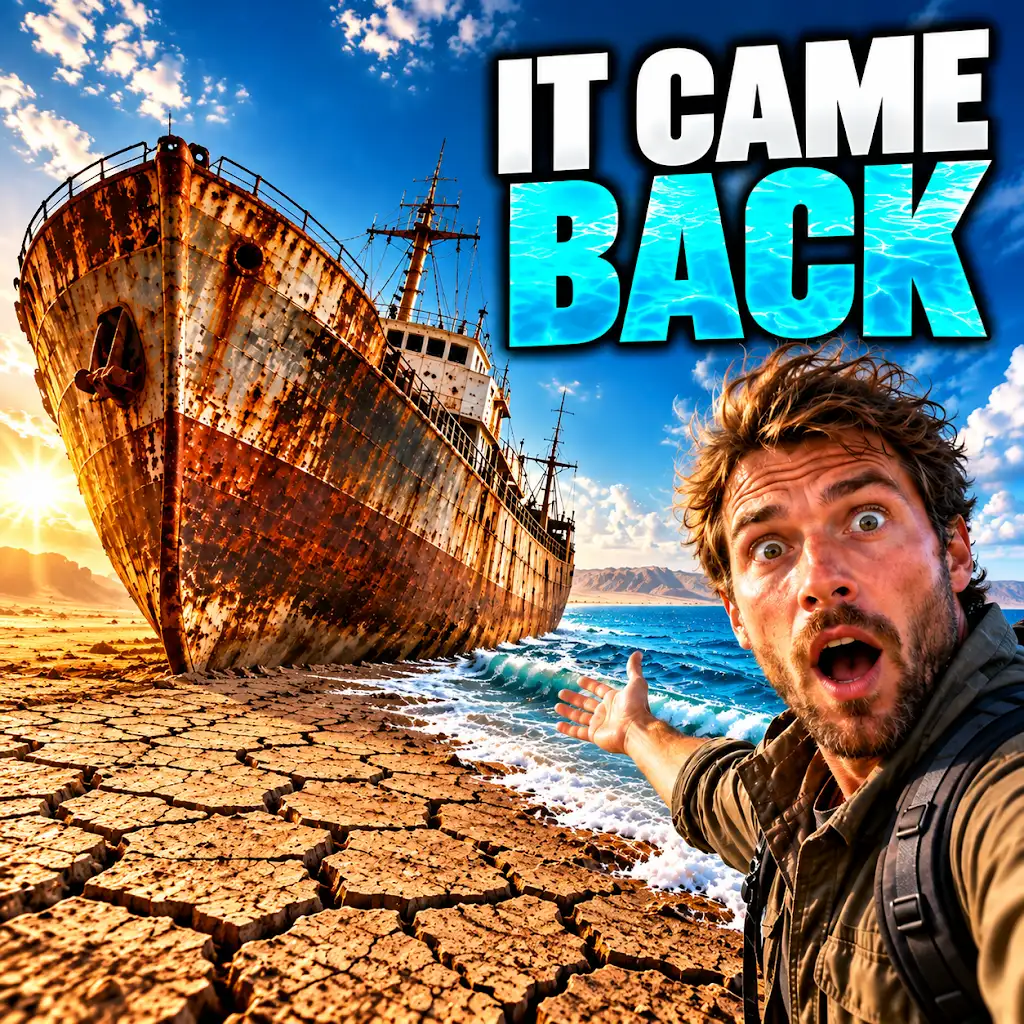
A Dam Brought the Aral Sea Back—But Only Part of It
FAQs
What is the Aral Sea?
The Aral Sea was once the fourth-largest lake in the world, located in Central Asia between Kazakhstan and Uzbekistan.
Why is the Aral Sea shrinking?
The Aral Sea has been shrinking due to the diversion of its two main tributary rivers, the Amu Darya and Syr Darya, for irrigation purposes.
What are the environmental consequences of the shrinking Aral Sea?
The shrinking of the Aral Sea has led to environmental consequences such as the exposure of toxic chemicals and salts in the dried-up seabed, resulting in health issues for local populations and loss of biodiversity.
What efforts have been made to address the shrinking of the Aral Sea?
Efforts to address the shrinking of the Aral Sea include the construction of dams and canals to redirect water flow, as well as international initiatives to promote sustainable water management practices in the region.
What can be learned from a documentary about the Aral Sea geography?
A documentary about the Aral Sea geography can provide insights into the causes and consequences of the sea’s shrinking, as well as the ongoing efforts to restore the ecosystem and improve the livelihoods of communities in the region.