The Aral Sea, once a colossal inland body of water, is now a stark testament to ecological devastation. Within its shrinking confines, specifically in Uzbekistan, lies a haunting spectacle: the Aral Sea Ship Graveyard. This desolate expanse, dotted with the skeletal remains of vessels that once plied its waters, offers a poignant and chilling glimpse into the past and a stark warning for the future. Exploring this graveyard is not merely a visual journey; it is an immersion into a history of ambition, environmental neglect, and the enduring power of nature’s reclaiming embrace.
The Aral Sea’s story is one of immense natural bounty and catastrophic human intervention. For millennia, it sustained thriving ecosystems and supported fishing communities. Its vibrant waters, fed by the mighty Amu Darya and Syr Darya rivers, were a lifeline for the region, contributing to a rich biodiversity and a robust economy.
A Natural Wonder of Central Asia
For centuries, the Aral Sea was celebrated for its impressive size and ecological significance. It was the fourth-largest lake in the world, a vast expanse of blue that mirrored the boundless Central Asian skies. Its salinity levels were moderate, supporting a diverse array of fish species that fueled local economies and provided sustenance for the surrounding populations. Fishing fleets, comprising a variety of vessels from small wooden boats to larger Soviet-era trawlers, were a common sight, their sails and masts a constant feature on the horizon.
Soviet Ambitions and Agricultural Dreams
The turning point arrived with the Soviet Union’s ambitious plans for agricultural development in the mid-20th century. Driven by the desire to boost cotton production, a highly lucrative crop in arid climates, Soviet planners embarked on a massive irrigation project. The Amu Darya and Syr Darya rivers, the very lifelines of the Aral Sea, were rerouted to irrigate vast tracts of desert land. This decision, made with little regard for the ecological consequences, would ultimately seal the Aral Sea’s fate.
The Rivers Diverted, the Sea Recedes
The construction of extensive canal systems, such as the Karakum Canal, began in the 1960s. These canals siphoned off enormous quantities of water from the rivers, diverting it away from its natural course. As the water supply dwindled, the Aral Sea began its inexorable retreat. The process was gradual at first, but by the late 20th century, the dramatic shrinkage had become undeniable. The once mighty sea was fracturing into smaller, saltier bodies, and its shores were receding at an alarming rate.
The Aral Sea ship graveyard is a haunting reminder of environmental change and human impact on nature, with abandoned vessels now stranded in a desolate landscape. This phenomenon can be further understood in the context of resource management and scarcity, as explored in the article on food rationing. For a deeper insight into how societies adapt to shortages and the archaeological implications of such practices, you can read more in this related article: Uncovering the Archaeology of Food Rationing.
The Emergence of the Ship Graveyard
As the Aral Sea shrank, it left behind a desolate landscape, and stranded within this new desert were the silent witnesses to its demise: the ships. These vessels, once vibrant symbols of a thriving industry, were gradually abandoned as the waters receded, their hulls slowly being swallowed by the encroaching sand and salt.
A Slow and Inevitable Stranding
The process of stranding was a heartbreaking one for the local communities. As the water levels dropped, fishing boats found themselves unable to reach the open sea. With their livelihood disappearing before their eyes, captains and crews were forced to abandon their vessels, their dreams tied to the receding tides. Some ships were hauled ashore, a desperate attempt to save them from the inevitable, while others were simply left to the mercy of the elements.
The Desert Claims Its Prize
The desert, once a distant horizon, began to creep closer, its sandy tendrils reaching out to embrace the stranded vessels. The relentless sun baked their hulls, the salty winds scoured their surfaces, and the sand slowly buried their decks and cabins. Over time, what were once bustling fishing boats transformed into ghostly relics, their once proud forms now fragmented and weathered.
Muk’s Port: The Epicenter of the Tragedy
The port of Moynaq (or Muynak), once a bustling hub of activity on the Aral Sea, became the epicenter of this maritime tragedy. Its harbor, once teeming with ships, gradually became a vast expanse of sand. The once-familiar sight of fishing vessels bobbing on the water was replaced by the unsettling spectacle of rusty hulls resting on dry, cracked earth. Moynaq’s Ship Graveyard stands as the most poignant and extensive collection of these stranded vessels, a somber monument to what was lost.
Navigating the Sands of Time: A Journey Through the Graveyard
Exploring the Aral Sea Ship Graveyard is an experience that transcends mere sightseeing. It is a journey through time, a visceral encounter with the consequences of environmental mismanagement, and an opportunity for profound reflection.
The Silent Giants of Moynaq
The most iconic and extensive part of the graveyard is found near Moynaq. Here, dozens of Soviet-era fishing trawlers and factory ships lie scattered across the desert floor. Their sheer size is overwhelming, especially in the context of their current surroundings. These once proud vessels, designed to withstand the open waters, now stand as rusted behemoths against the backdrop of endless sand and sky. Their peeling paint, rusted metal, and broken windows tell tales of a forgotten era.
Tracing the Ghostly Footprints of Industry
As one walks among the stranded ships, it is possible to imagine the life that once thrived here. One can picture fishermen mending their nets, the clang of machinery as fish were processed, and the camaraderie of crews returning from successful voyages. The skeletal remains offer a tangible connection to this lost history, allowing visitors to trace the ghostly footprints of a once-vibrant maritime industry.
The Aesthetics of Desolation
There is a strange and haunting beauty to the Aral Sea Ship Graveyard. The stark contrast between the rusted metal of the ships and the ochre hues of the desert sand creates a visually striking panorama. The play of light and shadow on the weathered hulls, the silhouettes against the vast sky, and the sheer scale of the abandonment all contribute to an unforgettable, albeit somber, aesthetic. It is a landscape that evokes a sense of awe and melancholy in equal measure.
The Personal Stories Held Within
Beyond the industrial scale of the disaster, each stranded ship likely holds individual stories. The names of the vessels, often still faintly visible, hint at their origins and purpose. One can’t help but wonder about the captains, the crews, and the families who depended on these ships. While these stories may be lost to the sands of time, the presence of the ships serves as a constant reminder of the human element in this ecological tragedy.
The Environmental Legacy: A Bitter Harvest
The Aral Sea’s demise has had far-reaching and devastating environmental consequences, extending far beyond the stranded ships. The ecological fallout has impacted not only the immediate region but also broader climatic patterns and human health.
The Salt and Dust Storms: A Toxic Legacy
As the Aral Sea dried up, its exposed seabed, rich in salt and agricultural chemicals from decades of irrigation, became a source of dangerous dust and salt storms. These storms, carrying toxic particles, can travel for hundreds of kilometers, impacting air quality, agriculture, and human health across Central Asia and beyond. The salt contamination makes land infertile, exacerbating agricultural challenges.
The Loss of Biodiversity
The shrinking of the Aral Sea led to a drastic decline in its biodiversity. Many fish species, once abundant, were driven to extinction due to the increasing salinity and the loss of their habitat. The surrounding wetlands and the unique ecosystem that depended on the sea also suffered immensely, leading to a significant loss of plant and animal life. The vibrant bird populations that once frequented the area have also been drastically reduced.
The Impact on Local Communities
The environmental catastrophe has had a profound impact on the lives of the people living in the region. The collapse of the fishing industry, which was the economic backbone of many communities, led to widespread unemployment and economic hardship. The health of the local population has also suffered, with increased rates of respiratory illnesses, cancers, and birth defects attributed to the toxic dust storms and the contaminated environment.
A Warning for the Planet
The Aral Sea serves as a stark and potent warning for the rest of the world about the dangers of unsustainable resource management and the irreversible consequences of ecological neglect. Its fate highlights the interconnectedness of ecosystems and the devastating impact that human actions can have on the natural world.
The Aral Sea ship graveyard stands as a haunting reminder of environmental neglect, much like the ongoing deforestation crisis that threatens ecosystems worldwide. As the waters receded, numerous vessels were left stranded, illustrating the devastating impact of human activity on nature. For a deeper understanding of how such environmental issues interconnect, you can explore this article on the deforestation crisis, which highlights the urgent need for sustainable practices to protect our planet’s resources.
Hope on the Horizon? Efforts Towards Restoration
| Metric | Value | Details |
|---|---|---|
| Location | Aral Sea, Central Asia | Between Kazakhstan and Uzbekistan |
| Number of Abandoned Ships | Hundreds | Mostly fishing vessels and cargo ships |
| Year of Peak Activity | 1960s-1980s | When the Aral Sea was at its largest |
| Current Water Level | Less than 10% of original volume | Due to diversion of rivers for irrigation |
| Environmental Impact | Severe | Desertification, toxic dust storms, loss of fisheries |
| Ship Graveyard Size | Several square kilometers | Ships stranded on dry seabed |
| Tourism Interest | Moderate | Attracts photographers and environmental researchers |
Despite the grim reality, there are glimmers of hope and ongoing efforts to mitigate the damage and, in some areas, even begin a process of ecological recovery. These initiatives, though facing immense challenges, offer a chance for a more sustainable future.
The Small Aral Sea Project: A Beacon of Success
One of the most significant success stories is the revival of the Small Aral Sea. Located in the northern part of the Aral Sea basin, this section has benefited from a massive dam-building project initiated by Kazakhstan. The Kok-Aral Dam, completed in 2005, successfully separated the Small Aral Sea from the increasingly saline South Aral Sea. This intervention has led to a significant increase in the water level and a decrease in salinity, allowing fish populations to begin returning and reviving some of the local fishing industry.
International Cooperation and Scientific Research
Numerous international organizations and scientific bodies are involved in studying the Aral Sea crisis and exploring potential solutions. These efforts include monitoring environmental changes, researching methods for desalinization and water management, and supporting local communities in adapting to the new environmental realities. Collaboration between countries in the Aral Sea basin is crucial for any long-term success.
The Role of Sustainable Agriculture and Water Management
A key aspect of any future recovery plan involves rethinking agricultural practices in the region. Moving away from water-intensive crops like cotton and adopting more drought-resistant alternatives, along with implementing efficient irrigation techniques, are vital steps. Better water management at a regional level, ensuring equitable distribution and preventing overuse, is also paramount.
Education and Awareness: The Power of Knowing
Raising global awareness about the Aral Sea’s plight is crucial for fostering support and driving policy changes. Educational initiatives and documentaries that highlight the scale of the disaster and the ongoing efforts towards recovery play a vital role in shaping public opinion and inspiring action. Understanding the lessons learned from the Aral Sea can prevent similar ecological catastrophes elsewhere.
The Aral Sea Ship Graveyard, though a symbol of loss and destruction, also serves as a powerful educational tool. It is a tangible reminder of the fragility of our planet’s ecosystems and the profound responsibility humans bear in protecting them. As visitors stand amidst the rusting hulks, they are not just witnessing a historical anomaly; they are confronting the consequences of human choices and perhaps, in the quiet of the desert wind, hearing the whispers of a future where nature, with our careful stewardship, can begin to heal.
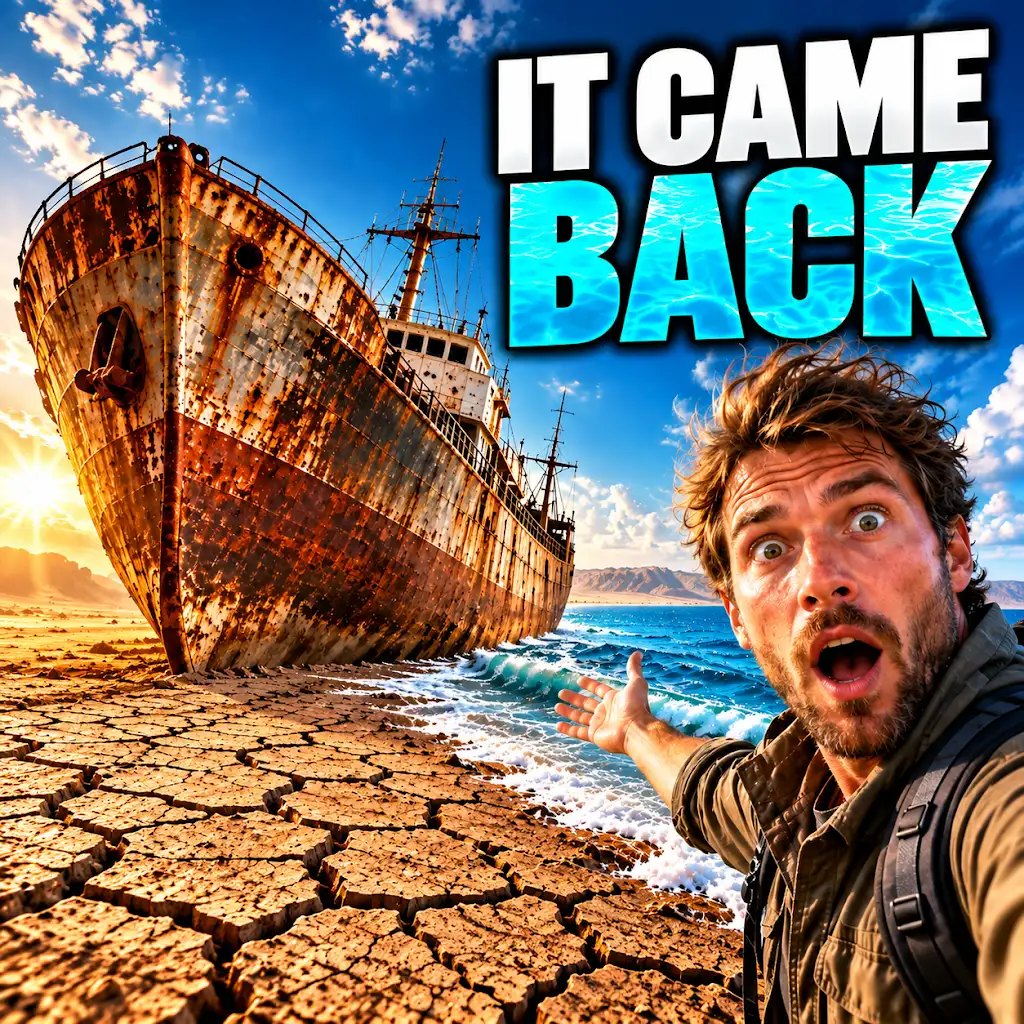
A Dam Brought the Aral Sea Back—But Only Part of It
FAQs
What is the Aral Sea ship graveyard?
The Aral Sea ship graveyard is a collection of abandoned ships left to rust in the dry seabed of the Aral Sea, once one of the world’s largest lakes.
How did the Aral Sea ship graveyard come to be?
The Aral Sea ship graveyard was created as a result of the shrinking of the Aral Sea due to diversion of its feeder rivers for irrigation purposes, leading to the sea losing over 90% of its water volume.
When did the ships in the Aral Sea ship graveyard become abandoned?
The ships in the Aral Sea ship graveyard became abandoned in the 1980s when the Aral Sea began to rapidly shrink, leaving the ships stranded on the dry seabed.
What is the significance of the Aral Sea ship graveyard?
The Aral Sea ship graveyard serves as a haunting reminder of the environmental disaster caused by human activities, highlighting the consequences of unsustainable water management practices.
Can visitors access the Aral Sea ship graveyard?
Visitors can access the Aral Sea ship graveyard by taking guided tours to the region, providing a unique opportunity to witness the eerie sight of the abandoned ships in the desolate landscape.