The skeletal remains of ships, once proud vessels of commerce and industry, now lie beached and decaying in the vast, desolate expanse of the Aral Sea. These hulking husks, rusted and forlorn, serve as a haunting monument to a forgotten era, a poignant testament to the catastrophic environmental devastation that has reshaped this once-vibrant ecosystem. Once the fourth-largest inland body of water on Earth, the Aral Sea has shrunk to a fraction of its former glory, a tragic casualty of ambitious Soviet-era irrigation projects that diverted its life-giving tributaries. The ships, stranded miles from any discernible water, are a stark and visceral symbol of this ecological catastrophe, their silent presence whispering tales of a lost paradise and a stark warning for the future.
The Aral Sea, prior to its drastic decline, was a thriving hub of activity. Its waters teemed with fish, supporting a robust fishing industry and the communities that depended on it. Along its shores, bustling ports and shipyards hummed with life. Ships of all sizes traversed its surface, from small fishing boats to larger cargo vessels, all contributing to the economic vitality of the region. These ships were not merely tools of trade; they were integral to the identity and livelihood of the people who called the Aral Sea home. Their eventual abandonment and slow decay is a direct consequence of the sea’s disappearance, a visual narrative of a world that once was, now irrevocably altered.
A Once-Lively Metropolis of Water
The Aral Sea was once a magnificent inland ocean, a shimmering expanse of turquoise water stretching across parts of Kazakhstan and Uzbekistan. Its vastness inspired awe, and its bounty sustained a rich ecosystem. The cities and towns that dotted its coastline, such as Aralsk and Muynak, were centers of fishing and trade, their economies inextricably linked to the sea’s health. The constant activity of ships – the murmur of engines, the creak of rigging, the calls of fishermen – created a vibrant symphony of life. The ports were bustling with activity, with crews unloading catches, repairing nets, and preparing for their next voyage. These were not just ports; they were gateways to a world of opportunity and sustenance, fueled by the abundance of the Aral Sea. The sheer scale of the sea meant that travel by water was often the most efficient and practical way to transport goods and people, making the ships the lifeblood of the region.
The Instruments of a Failed Dream
The ships found stranded in the Aral Sea are a diverse collection. Among them are former fishing trawlers, their nets long since rotted away, their decks exposed to the elements. There are also cargo ships, their hulls pitted and scarred, once laden with goods that now exist only in memory. Even smaller vessels, once used for transport or leisure, lie abandoned, their paint peeling and their wooden structures succumbing to the harsh desert conditions. Each vessel represents a lost dream, a story cut short by the relentless advance of desertification. They are the silent witnesses to a grand, albeit flawed, ambition.
The abandoned ships in the Aral Sea serve as haunting reminders of the environmental consequences of human actions, particularly in relation to water management and ecological balance. A related article that delves into the broader implications of environmental degradation is titled “The Deforestation Crisis: A Looming Catastrophe.” This piece explores how deforestation, much like the drying of the Aral Sea, poses significant threats to biodiversity and climate stability. For more insights, you can read the article here: The Deforestation Crisis: A Looming Catastrophe.
The Seeds of Devastation: Soviet Ambitions and Their Bitter Harvest
The dramatic decline of the Aral Sea is not a natural phenomenon but a man-made tragedy, born from the ambitious, and ultimately catastrophic, irrigation schemes of the Soviet Union. In the mid-20th century, driven by a desire to boost agricultural output, particularly cotton production, vast quantities of water were diverted from the Amu Darya and Syr Darya rivers, the Aral Sea’s primary sources. This decision, made with little regard for the environmental consequences, set in motion a chain of events that would ultimately lead to the sea’s near-complete annihilation and the desolation of the surrounding region.
The Cotton Crusade: A Thirsty Empire
The Soviet Union’s fervent pursuit of self-sufficiency in cotton production was a driving force behind the redirection of the rivers. Cotton, a highly lucrative commodity, was seen as a key to economic prosperity. To cultivate this thirsty crop in the arid climate of Central Asia, vast irrigation networks were constructed, channeling water from the Amu Darya and Syr Darya to the cotton fields. This ambitious project, however, failed to account for the fundamental principle of water balance. The sheer volume of water extracted for irrigation far exceeded the natural replenishment rate of the Aral Sea, leading to its inexorable shrinkage. The focus was entirely on agricultural output, with ecological considerations relegated to a secondary, if any, concern.
Diverting the Veins of Life
The Amu Darya and Syr Darya rivers, once mighty arteries feeding the Aral Sea, were systematically dammed and their waters rerouted through an intricate system of canals. These canals, stretching for hundreds of miles, were designed to deliver water to distant cotton fields, transforming arid lands into fertile ground. However, each drop of water diverted from the rivers represented a loss for the Aral Sea. The natural flow that had sustained the sea for millennia was disrupted, its lifeblood siphoned away to fuel a singular agricultural ambition. This engineering feat, while showcasing human ingenuity, ultimately proved to be an act of ecological vandalism.
The Salt-Kissed Graveyard: From Bustling Ports to Deserted Sands
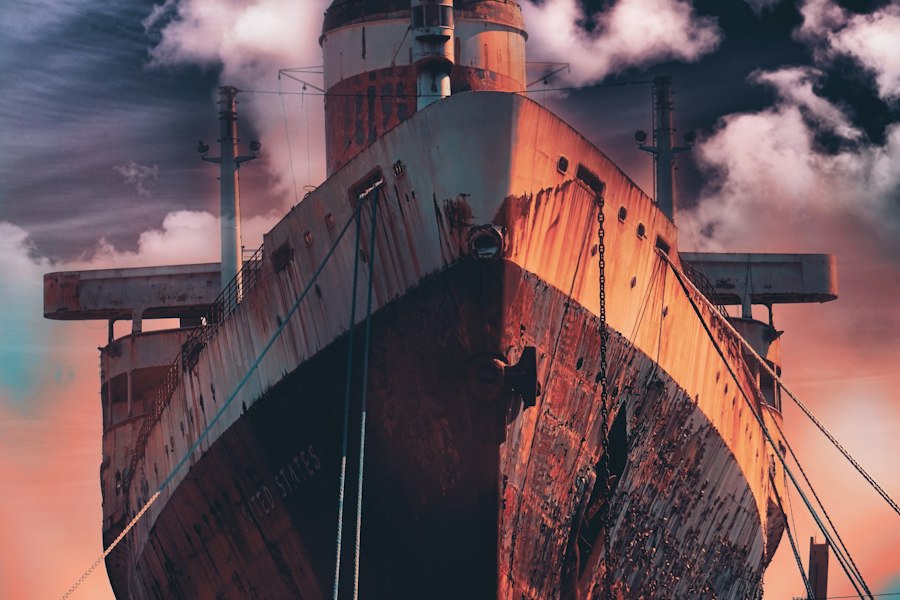
As the Aral Sea receded, so too did the livelihoods of the communities that depended on it. Ports that were once teeming with activity became isolated relics, their docks jutting out into the barren earth. The fishing fleets, once the pride of the region, were rendered useless, their vessels marooned on what was now a dusty seabed. The transformation was swift and brutal, leaving behind a desolate landscape and a trail of economic hardship.
Aralsk: A City Adrift
The port city of Aralsk, once a thriving center of the Aral Sea fishing industry, offers one of the most poignant examples of this devastating shift. Ships that once sailed freely on the water are now stranded miles inland, their hulls embedded in the dry, cracked earth. The once-bustling docks are now silent testaments to a bygone era, the sea breeze replaced by the biting wind carrying dust and salt. The fishing fleets, their nets gathering only dust, are now just skeletal remains, their once-gleaming hulls rusting under the relentless sun. The local population, their livelihoods decimated, were forced to abandon their homes or adapt to a new, harsh reality.
Muynak: The Ship Graveyard of Uzbekistan
The Uzbek city of Muynak is perhaps the most iconic representation of the Aral Sea’s demise. Its “ship graveyard,” a vast expanse of sand dotted with the decaying hulks of fishing vessels, has become a symbol of ecological disaster. These ships, once vital to the town’s economy, are now stark relics, their skeletal forms a haunting reminder of the sea’s vanished presence. Tourists, drawn by the sheer surrealism of the scene, walk among these silent giants, witnessing firsthand the devastating consequences of human intervention. The rust-colored hulls against the stark blue sky create a surreal and deeply moving panorama, a stark reminder of what was lost.
The Lingering Scars: Environmental and Human Impact
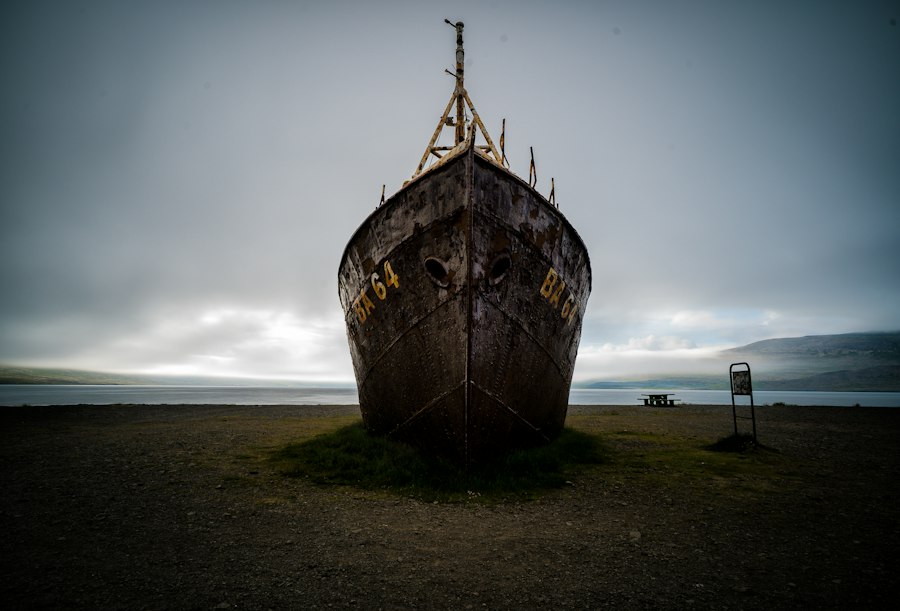
The receding Aral Sea has left behind a legacy of profound environmental damage and widespread human suffering. The exposed seabed, a vast salt desert, has become a source of toxic dust storms that carry harmful chemicals across vast distances, impacting human health and agricultural productivity. The once-rich fishing grounds have been obliterated, leading to economic collapse and social upheaval. The Aral Sea region stands as a stark warning of the interconnectedness of ecosystems and the devastating consequences of unchecked human ambition.
The Toxic Breath of the Desert
As the Aral Sea dried up, it left behind a vast seabed contaminated with salt, pesticides, and other industrial pollutants accumulated over decades. This exposed land, now a sprawling salt desert, is frequently swept by powerful winds, creating massive dust storms. These “toxic dust storms” can travel for hundreds of miles, carrying fine particles of salt and chemicals that settle on agricultural lands, reducing crop yields, and contaminating water sources. More alarmingly, these dust storms pose serious health risks to the populations living in the region and beyond. Respiratory illnesses, such as asthma and bronchitis, as well as cardiovascular problems and even certain types of cancer, have been linked to exposure to these toxic airborne particles. The very air, once fresh with the scent of the sea, has become a vector of disease.
A Lost Livelihood, A Broken Community
The collapse of the fishing industry, once the economic backbone of the Aral Sea region, has had devastating social and economic consequences. Thousands of people who relied on fishing for their livelihoods were rendered jobless overnight. The towns and villages that once thrived on the bounty of the sea have been reduced to ghost towns, their populations dwindling as people seek work and a better future elsewhere. The traditional way of life has been shattered, leaving behind a sense of loss and displacement. The cultural fabric of these communities has been torn, and the resilience required to survive in this new, harsh environment is a testament to the enduring spirit of the people.
The Ecological Ripple Effect
The Aral Sea’s demise has not only impacted the immediate region but has also had far-reaching ecological consequences. The altered climate patterns, the loss of biodiversity, and the salinization of surrounding lands are all interconnected effects of this environmental catastrophe. The delicate balance of the ecosystem has been irrevocably disrupted, with ripple effects that continue to unfold. The once-vibrant wetlands and deltas that fed the sea have withered, impacting migratory bird routes and the survival of numerous species. The Aral Sea serves as a chilling case study in the cascading impacts of large-scale environmental mismanagement.
The abandoned ships in the Aral Sea serve as haunting reminders of the environmental disaster that has unfolded in the region over the decades. These ghostly vessels, once bustling with activity, now lie stranded in the receding waters, telling a story of ecological neglect and human impact. For those interested in exploring the broader implications of how human activities shape landscapes, a fascinating read can be found in an article about ancient builders and their secrets. You can check it out here.
Echoes of the Past, Lessons for the Future
| Ship Name | Type | Year Abandoned | Location (Coordinates) | Length (meters) | Status |
|---|---|---|---|---|---|
| Aral-1 | Cargo | 1990 | 45.5°N, 60.7°E | 75 | Rusting, partially submerged |
| Sea Spirit | Fishing Vessel | 1995 | 45.7°N, 60.9°E | 30 | Abandoned on dry seabed |
| Aral Explorer | Research Vessel | 1988 | 45.6°N, 60.8°E | 50 | Stranded, deteriorating |
| Desert Mariner | Cargo | 1992 | 45.4°N, 60.6°E | 80 | Beached, hull damaged |
| Aral Nomad | Fishing Vessel | 1993 | 45.8°N, 61.0°E | 35 | Abandoned, rusting |
The abandoned ships of the Aral Sea are more than just rusting metal; they are potent symbols of a critical lesson learned at a terrible cost. They stand as a stark reminder of the fragility of our planet’s ecosystems and the imperative of sustainable practices. The story of the Aral Sea is a cautionary tale, a call to action for humanity to re-evaluate its relationship with the environment and to prioritize the health of our planet for future generations.
A Monument to Human Hubris
The presence of these derelict vessels serves as a powerful visual metaphor for human ambition unchecked by ecological wisdom. The Soviet grand vision of agricultural dominance, while driven by seemingly practical goals, ultimately led to an ecological catastrophe of unparalleled proportions. The ships, once symbols of progress and prosperity, have been transformed into monuments to human hubris, their silent presence a constant reproach to the decisions that led to their abandonment. They stand as enduring reminders that technological advancement without environmental consideration can lead to profound and irreversible damage.
The Imperative of Restoration and Remediation
While the full restoration of the Aral Sea may be an impossible dream, efforts are being made to mitigate the damage and to reclaim parts of the ecosystem. Projects aimed at damming feeder rivers and restoring water flow to certain sections of the sea offer glimmers of hope. These initiatives, though challenging and often underfunded, represent a recognition of the mistakes of the past and a commitment to learning from them. The focus is shifting from exploitation to conservation and restoration, acknowledging that the health of the environment is paramount.
A Global Warning
The plight of the Aral Sea and its abandoned ships is not an isolated incident. It serves as a universal warning for all nations and communities to tread lightly on the Earth. The lessons learned from this ecological disaster must inform policy decisions, inspire technological innovation focused on sustainability, and foster a global consciousness that values environmental stewardship above short-term economic gains. The haunting sight of these beached vessels should serve as a constant impetus to protect our planet’s precious water resources and to ensure that future generations do not inherit a world filled with such stark reminders of our past failures. The rusted hulls of the Aral Sea ships are a silent yet powerful call to action, urging humanity to chart a course toward a more sustainable and harmonious coexistence with nature.

A Dam Brought the Aral Sea Back—But Only Part of It
FAQs
What is the Aral Sea?
The Aral Sea was once one of the four largest lakes in the world, located in Central Asia between Kazakhstan and Uzbekistan.
Why are there abandoned ships in the Aral Sea?
The Aral Sea has been shrinking due to diversion of its feeder rivers for irrigation purposes, leaving behind abandoned ships stranded in the desert.
How did the Aral Sea shrink?
The Aral Sea began shrinking in the 1960s when the Soviet Union diverted the rivers that fed into it for agricultural irrigation, causing a significant decrease in water levels.
What is the environmental impact of the shrinking Aral Sea?
The shrinking of the Aral Sea has led to environmental disasters, including the exposure of toxic chemicals and salts in the dried-up seabed, causing health issues for local populations.
Can the Aral Sea be restored?
Efforts are being made to restore the Aral Sea, such as building dams and canals to redirect water flow, but full restoration to its original size and ecosystem is unlikely.