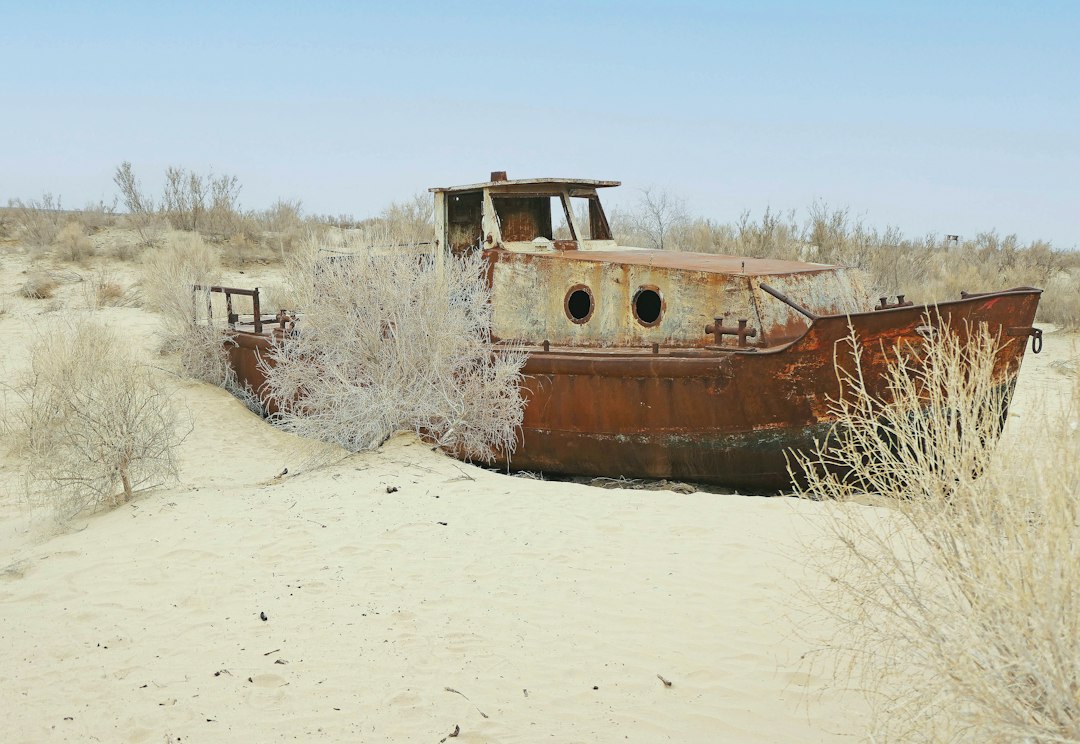
The Amu Darya, a mighty river once the lifeblood of Central Asia, has been tragically diminished. Its waters, diverted for vast irrigation projects, have shrunk to a trickle, leaving behind the ecological catastrophe of the Aral Sea. The dream of restoring this legendary river, and in doing so, potentially breathing life back into the desiccated Aral, is a monumental undertaking, fraught with immense challenges but imbued with the hope of a sustainable future for the region. This article delves into the multifaceted efforts and complexities surrounding the ambitious goal of restoring the Amu Darya to save the Aral Sea.
The Amu Darya, historically known by various names including the Oxus, has for millennia been a vital artery in the heart of Central Asia. Originating in the Pamir Mountains, it flows through the vast plains of Turkmenistan and Uzbekistan, its waters nurturing fertile lands and supporting diverse ecosystems. Its historical significance is deeply woven into the fabric of regional history, trade routes, and the very existence of numerous civilizations that flourished along its banks. For centuries, its predictable flows sustained agriculture, provided drinking water, and supported a rich biodiversity, including a vibrant fishing industry in the Aral Sea, its ultimate destination.
The Soviet Era’s Grand Design: Agriculture Over Ecology
The mid-20th century marked a turning point for the Amu Darya, a period characterized by ambitious Soviet development plans. Driven by a desire to boost cotton production, a lucrative export commodity, the Soviet government embarked on a massive irrigation program. Vast swathes of the arid Central Asian landscape were transformed into cotton fields, requiring an unprecedented diversion of water from the Amu Darya and its sister river, the Syr Darya.
The Scale of Diversion: A Thirst Unquenched
The sheer scale of the water diversion was staggering. Entire river systems were rerouted through an intricate network of canals, some spanning hundreds of kilometers. The Karakum Canal, one of the world’s largest, alone siphoned off a significant portion of the Amu Darya’s flow, primarily to irrigate cotton plantations in Turkmenistan. This grand engineering feat, while achieving its agricultural aims in the short term, came at an unbearable cost to the river’s natural course and its eventual destination.
The Unintended Consequences: A Desertifying Landscape
The consequences of these massive diversions were devastating and far-reaching. As less and less water reached the Aral Sea, its surface area began to shrink at an alarming rate. The rich fishing grounds, once teeming with life, became barren salt flats. The local climate, once moderated by the sea’s vast expanse, became harsher, with hotter summers and colder winters. The exposed seabed, laden with salt and agricultural chemicals, turned into a toxic dustbowl, blowing across the region, polluting air and water, and leading to widespread respiratory and other health problems for the local populations.
The Aral Sea: A Monument to Ecological Ruin
The Aral Sea, once the fourth-largest inland body of water in the world, has become a stark symbol of environmental devastation. Its dramatic decline is one of the most significant anthropogenic ecological disasters of the 20th century. The transformation from a thriving sea, supporting a rich ecosystem and a vibrant fishing industry, to a parched desert is a chilling testament to the unintended consequences of human intervention on a massive scale.
The Shrinking Shoreline: A Visual Catastrophe
The visual impact of the Aral Sea’s demise is undeniable. Satellite imagery clearly depicts the dramatic reduction in its surface area, revealing former coastlines miles inland from the present-day shores. Ghost towns, once bustling fishing ports, now sit in the middle of a barren wasteland, their piers reaching out to a sea that is no longer there. This stark visual reminder serves as a powerful indictment of the unsustainable practices that led to its downfall.
The Ecological Imbalance: A Chain Reaction of Destruction
The shrinking of the Aral Sea triggered a cascade of ecological imbalances. The salinity of the remaining water increased dramatically, making it uninhabitable for most of the fish species that once thrived there. The loss of the sea’s moderating influence on the climate led to more extreme temperatures and reduced precipitation. The dust storms, carrying toxic salts and pesticides from the exposed seabed, further degraded the surrounding land and water resources, creating a vicious cycle of environmental degradation.
The Amu Darya river, a crucial water source for Central Asia, has significantly influenced the ecological and socio-economic landscape of the region, particularly in relation to the Aral Sea’s dramatic shrinkage. For a deeper understanding of how such geographical factors impact global relations and political dynamics, you can explore this insightful article on political geography. It provides a broader context that helps to understand the implications of water resource management in areas like the Amu Darya basin and its effects on neighboring countries. You can read more about it here: Understanding Political Geography: A Key Aspect of Global Relations.
The Modern Imperative: Why Restore the Amu Darya?
The imperative to restore the Amu Darya is no longer solely an environmental concern; it is a multifaceted necessity encompassing ecological, economic, social, and even geopolitical considerations. The long-term sustainability and well-being of Central Asia are inextricably linked to the health and vitality of its major rivers.
Ecological Recovery: Breathing Life Back into a Damaged Ecosystem
The primary driver for restoring the Amu Darya is the desperate need for ecological recovery. The river’s diminished flow has had a profound and negative impact on the entire downstream ecosystem, most notably the Aral Sea. Reinstating a more natural flow regime would begin the slow and arduous process of healing the damaged environment.
Reviving Waterways: From Trickles to Torrents
Restoring the Amu Darya means enabling it to fulfill its historical role as a provider of life-giving water. This involves reducing or re-evaluating the extensive water diversions that have starved the river for decades. The goal is to ensure that a sufficient volume of water reaches its natural destination, allowing for the gradual replenishment of downstream wetlands, lakes, and, ideally, at least a portion of the Aral Sea.
Biodiversity’s Last Stand: A Hope for Endangered Species
The ecological devastation has pushed many species to the brink of extinction. Restoring the Amu Darya offers a glimmer of hope for the recovery of its native biodiversity. Healthier water systems can support a wider range of flora and fauna, from aquatic life to the birds and mammals that depend on these ecosystems. It represents a chance to reverse the trend of species loss and preserve the region’s natural heritage.
Economic Renaissance: From Crisis to Opportunity
The economic consequences of the Aral Sea disaster have been severe, impacting agriculture, fisheries, and local livelihoods. Restoring the Amu Darya holds the promise of an economic renaissance, creating new opportunities and revitalizing a struggling region.
Agriculture’s New Dawn: Sustainable Practices and Diversification
While the initial cause of the Amu Darya’s decline was the unsustainable expansion of cotton monoculture, restoration efforts aim to foster a more sustainable and diversified agricultural sector. With improved water management and potentially increased water availability, regions can shift away from water-intensive crops and explore more resilient and profitable alternatives. This could include drought-resistant crops, horticulture, and even agro-tourism.
Fisheries’ Comeback: A Long and Arduous Path
The once-thriving fishing industry is a distant memory. However, with successful restoration efforts and careful management, there is a long-term aspiration for the eventual return of commercial fishing to revitalized water bodies. This would require significant ecological recovery and the reintroduction of suitable fish species, a process that would take many years, if not decades.
Social Well-being: Healthier Communities and Revived Livelihoods
The human cost of the Aral Sea disaster has been immense, with widespread health problems and economic hardship. Restoring the Amu Darya is crucial for the social well-being of the millions who live in the region.
Combating Environmental Health Crises: Cleaner Air and Water
The toxic dust storms have had a devastating impact on public health, causing respiratory illnesses, cardiovascular problems, and other health issues. By reducing the exposed seabed and improving water quality, restoration efforts can significantly mitigate these health crises, leading to healthier communities and a better quality of life.
Rebuilding Communities: Empowering Local Populations
The economic decline has led to significant out-migration and the erosion of traditional livelihoods. Restoring the Amu Darya can create new economic opportunities and empower local populations, fostering a sense of hope and ownership in the region’s future. This includes supporting community-based initiatives and ensuring that restoration efforts are inclusive and benefit those most affected.
The Complexities of Restoration: Navigating the Obstacles
The dream of restoring the Amu Darya is a noble one, but the path to achieving it is fraught with immense complexities and significant obstacles. These challenges span political, economic, technical, and environmental domains, requiring a concerted and collaborative effort from all stakeholders.
Political Will and Regional Cooperation: A Delicate Balance
The Amu Darya is a transboundary river, flowing through multiple countries: Afghanistan, Tajikistan, Uzbekistan, and Turkmenistan. The effective restoration of the river hinges on the political will and active cooperation of all these nations. Disagreements over water allocation, historical grievances, and competing national interests can significantly hinder progress.
Water Diplomacy: The Art of Compromise
Effective water diplomacy is paramount. This involves establishing robust frameworks for dialogue, negotiation, and agreement on water sharing and management. Building trust and finding mutually beneficial solutions that address the diverse needs and priorities of each country are essential for any successful restoration effort.
International Aid and Support: A Crucial Catalyst
The scale of the challenge often exceeds the financial and technical capacities of individual nations. Therefore, securing international aid, technical expertise, and financial support from global organizations and donor countries is crucial to drive and sustain restoration initiatives.
Economic Viability and Funding: A Gigantic Undertaking
Restoring a river system of the Amu Darya’s magnitude requires substantial financial investment. The costs associated with infrastructure development, water management technologies, ecological monitoring, and community development programs are enormous.
Sustainable Funding Models: Beyond Short-Term Solutions
Developing sustainable funding models that extend beyond initial grants and aid is critical for the long-term success of restoration efforts. This could involve exploring public-private partnerships, innovative financing mechanisms, and revenue-generating activities linked to improved water management and environmental services.
Re-evaluating Economic Priorities: Agriculture vs. Ecology
A fundamental challenge lies in re-evaluating economic priorities. The historical emphasis on water-intensive agriculture, particularly cotton production, needs to be balanced with the urgent need for ecological restoration. This transition requires careful planning, investment in alternative livelihoods, and a shift in policy towards sustainable resource management.
Technical Challenges and Infrastructure: Reimagining Water Management
The existing water infrastructure, designed for massive diversion, needs to be re-engineered and adapted for a more balanced and sustainable water flow. This involves addressing issues of efficiency, leakage, and outdated technologies.
Modernizing Irrigation Systems: Efficiency and Conservation
A significant portion of water loss in the Amu Darya’s historical path occurred due to inefficient irrigation practices and leaky canals. Modernizing irrigation systems through the adoption of drip irrigation, sprinkler systems, and improved canal lining technologies can dramatically reduce water consumption and increase efficiency.
Water Storage and Regulation: Balancing Demand and Supply
Developing or rehabilitating water storage facilities and implementing advanced water regulation techniques are crucial for managing the Amu Darya’s flow effectively. This involves balancing the demands of agriculture, industry, and the environment, ensuring a more consistent and predictable water supply while also allowing for natural seasonal variations.
Environmental Realities: The Long Road to Recovery
Even with significant efforts, the environmental recovery of the Aral Sea and the Amu Darya basin will be a long and arduous process. The damage inflicted over decades has created deep-seated ecological problems that will take time and consistent effort to address.
Salinity Management and Soil Reclamation: Healing the Land
The high salinity of the soil and water in the Aral Sea region is a major hurdle. Reclamation efforts, which could involve the use of salt-tolerant plants, improved drainage systems, and the gradual introduction of freshwater, are essential for healing the land.
Climate Change Impacts: An Added Layer of Complexity
The region is also vulnerable to the impacts of climate change, which can exacerbate water scarcity and alter precipitation patterns. Restoration efforts must take these future climate scenarios into account, ensuring that the implemented strategies are resilient and adaptable to changing environmental conditions.
Promising Initiatives and Emerging Hope: Glimmers of Progress
Despite the overwhelming challenges, there are promising initiatives and emerging signs of hope for the Amu Darya and the Aral Sea. These efforts, driven by international collaboration, scientific innovation, and local determination, offer a vision for a more sustainable future.
The Success of the North Aral Sea Project: A Beacon of Hope
The restoration efforts in the northern Aral Sea, undertaken by Kazakhstan with international support, offer a compelling case study of what can be achieved. The construction of the Kok-Aral Dam in 2005 successfully separated the Small Aral Sea from the rest of the basin, allowing its water levels to rise significantly.
Reviving Ecosystems and Fisheries: A tangible Outcome
The North Aral Sea Project has seen a remarkable revival of its ecosystem. Water salinity has decreased, and fish populations have returned, leading to the re-establishment of a small-scale fishing industry. This tangible success demonstrates the potential for ecological restoration when focused and sustained efforts are applied.
Lessons Learned for the South: A Blueprint for the Future
The successes and challenges of the North Aral Sea Project provide valuable lessons for future restoration efforts, particularly for the much larger and more complex southern Aral Sea. The data collected and the practical experience gained are invaluable for planning and implementing broader regional initiatives.
Transboundary Water Management Initiatives: Fostering Cooperation
Several initiatives are actively promoting transboundary water management and cooperation among the Amu Darya basin countries. These efforts aim to build trust, share information, and develop joint strategies for the sustainable use of the river’s resources.
Basin Organizations and Scientific Collaboration: A Unified Approach
The establishment and strengthening of basin organizations, which bring together water experts, policymakers, and stakeholders from different countries, are crucial for fostering a unified approach to water management. Collaborative research projects and data sharing can lead to a more comprehensive understanding of the river system and inform effective decision-making.
Community-Based Water User Associations: Local Empowerment
Empowering local communities through the establishment of water user associations is vital for ensuring the equitable and efficient distribution of water. These associations can play a key role in managing local irrigation systems, resolving disputes, and promoting water conservation at the grassroots level.
Technological Innovations and Sustainable Agriculture: New Tools for Restoration
Advancements in technology and the promotion of sustainable agricultural practices are offering new tools and strategies for the restoration of the Amu Darya and the Aral Sea.
Precision Agriculture and Water-Saving Technologies: Maximizing Efficiency
Precision agriculture techniques, which utilize data and technology to optimize crop yields and resource use, are essential for reducing water consumption. Technologies like remote sensing, soil moisture monitoring, and advanced irrigation scheduling can significantly improve water efficiency in agriculture.
Diversification of Crops and Livelihoods: Reducing Reliance on Water-Intensive Crops
Encouraging the diversification of crops and promoting alternative livelihoods beyond traditional cotton farming are crucial steps towards reducing the pressure on the Amu Darya’s water resources. This includes supporting the cultivation of drought-resistant crops, horticulture, and developing value-added agricultural products.
The Amu Darya river, once a vital water source for the surrounding regions, has significantly contributed to the ecological decline of the Aral Sea. This transformation has sparked interest in various studies that explore the historical and environmental implications of water scarcity. For instance, an intriguing article discusses ancient droughts and their biblical references, shedding light on how past civilizations dealt with similar challenges. You can read more about this fascinating topic in the article here.
The Path Forward: A Collective Commitment to a River’s Revival
| Metric | Value | Unit | Notes |
|---|---|---|---|
| Length of Amu Darya River | 2,540 | km | One of the longest rivers in Central Asia |
| Average Discharge of Amu Darya | 2,000 | m³/s | Varies seasonally and due to irrigation withdrawals |
| Original Surface Area of Aral Sea | 68,000 | km² | Before significant shrinkage in the 20th century |
| Current Surface Area of Aral Sea | ~10,000 | km² | As of early 2020s, varies by basin |
| Year of Major Diversion of Amu Darya for Irrigation | 1960s | Year | Start of large-scale irrigation projects causing Aral Sea shrinkage |
| Reduction in Aral Sea Volume | ~90% | Percentage | Since 1960s due to river diversion |
| Salinity Increase in Aral Sea | From 10 to 100+ | g/L | Increased salinity due to evaporation and reduced inflow |
| Main Countries in Amu Darya Basin | Uzbekistan, Turkmenistan, Tajikistan, Afghanistan, Kyrgyzstan | Countries | Countries through which the river flows or drains |
The restoration of the Amu Darya and the salvation of the Aral Sea represent one of the most significant environmental and humanitarian challenges of our time. It is a task that demands unwavering commitment, sustained collaboration, and a fundamental shift in how we interact with our planet’s vital resources. The journey is long and arduous, but the potential rewards – a revitalized ecosystem, healthier communities, and a more sustainable future for Central Asia – are immense.
Sustaining the Momentum: Long-Term Vision and Political Will
The success of any restoration effort hinges on maintaining long-term political will and sustained commitment from all riparian countries and the international community. Short-term projects, however well-intentioned, are insufficient to address the deep-seated environmental degradation. A clear, long-term vision that prioritizes ecological health alongside economic development is essential.
Integrated Water Resource Management: A Holistic Approach
Adopting a holistic approach to Integrated Water Resource Management (IWRM) is critical. This means considering all aspects of the water cycle, from upstream source protection to downstream use and environmental needs. It requires coordination across sectors – agriculture, industry, energy, and environment – to ensure that water resources are managed sustainably and equitably.
Public Awareness and Education: Cultivating Stewardship
Raising public awareness about the importance of the Amu Darya and the Aral Sea, and the consequences of their degradation, is crucial for fostering a sense of stewardship and accountability. Educational programs can empower local communities to become active participants in conservation efforts and promote responsible water use practices.
Investing in Research and Innovation: Knowledge for a Sustainable Future
Continued investment in scientific research and technological innovation is vital for understanding the complex dynamics of the Amu Darya basin and developing effective solutions. This includes research into climate change impacts, hydrological modeling, ecological restoration techniques, and the development of new water-saving technologies.
Monitoring and Evaluation: Tracking Progress and Adapting Strategies
Robust monitoring and evaluation systems are essential to track the progress of restoration efforts, identify what is working and what is not, and adapt strategies accordingly. This data-driven approach ensures that resources are used efficiently and that interventions are effective in achieving their intended outcomes.
Exploring Novel Solutions: Beyond Traditional Approaches
The scale of the challenge may require exploring novel and unconventional solutions. This could include innovative approaches to desalination, water harvesting, and ecosystem restoration that were not feasible in the past. A willingness to experiment and adapt is key.
Empowering Local Communities: The Guardians of the River
Ultimately, the long-term success of restoring the Amu Darya rests on the active involvement and empowerment of the local communities who live along its banks and depend on its waters. Their traditional knowledge, their stake in the land, and their commitment to a sustainable future are invaluable assets.
Capacity Building and Skill Development: Equipping Local Stewards
Providing communities with the necessary capacity building and skill development opportunities is essential. This includes training in sustainable agriculture, water management, environmental monitoring, and small-scale enterprise development.
Ensuring Equitable Benefits: A Just Transition
The benefits of any restoration effort must be equitably distributed. This means ensuring that local communities have access to clean water, improved livelihoods, and a healthier environment. A just transition that prioritizes the needs of those most affected by environmental degradation is paramount for building trust and fostering long-term sustainability.
The Amu Darya, once a symbol of life and prosperity, has become a poignant reminder of the delicate balance between human ambition and ecological integrity. The ambitious undertaking of its restoration, with the ultimate goal of breathing life back into the Aral Sea, is a testament to humanity’s capacity for both profound destruction and remarkable renewal. The path ahead is undeniably challenging, but by fostering regional cooperation, embracing innovation, and empowering local communities, the dream of a revitalized Amu Darya, and a recovering Aral Sea, can indeed become a reality, offering a beacon of hope for a more sustainable world.

A Dam Brought the Aral Sea Back—But Only Part of It
FAQs
What is the Amu Darya river?
The Amu Darya river is one of the longest rivers in Central Asia, flowing through Tajikistan, Afghanistan, Turkmenistan, and Uzbekistan. It is approximately 2,400 kilometers long.
What is the Aral Sea?
The Aral Sea was once one of the four largest lakes in the world, located in Central Asia between Kazakhstan and Uzbekistan. Due to human activities such as diverting water from the rivers that feed it, the Aral Sea has shrunk significantly over the past few decades.
How has the Amu Darya river affected the Aral Sea?
The Amu Darya river, along with the Syr Darya river, used to flow into the Aral Sea and provide it with water. However, due to irrigation projects and dams built along these rivers, the water flow into the Aral Sea has significantly decreased, leading to its shrinking.
What are the environmental consequences of the shrinking of the Aral Sea?
The shrinking of the Aral Sea has led to environmental disasters such as the exposure of toxic chemicals and pesticides in the dried-up seabed, dust storms carrying salt and pollutants, and the loss of biodiversity in the region.
What efforts are being made to address the issues surrounding the Amu Darya river and the Aral Sea?
Efforts are being made by countries in the region, as well as international organizations, to address the issues surrounding the Amu Darya river and the Aral Sea. These efforts include water management projects, restoration initiatives, and agreements between countries to better manage the water resources in the region.