
The Soviet Union, a vast and ambitious state that spanned much of the twentieth century, left an indelible mark on the global landscape. Its monumental industrialization and relentless pursuit of progress, however, came at a devastating environmental cost. The pursuit of rapid economic growth and military superiority often trumped ecological concerns, leading to a series of environmental disasters that continue to resonate today. These catastrophes, born from a unique confluence of ideology, unchecked power, and scientific hubris, serve as stark warnings about the consequences of prioritizing human endeavor over the delicate balance of nature.
The Soviet Union’s economic model was fundamentally built on heavy industry. From the early Five-Year Plans onward, the emphasis was on increasing production output, often with little regard for the environmental impact. This relentless drive created a legacy of pollution that permeated air, water, and soil across the vast expanse of the USSR.
The Rise of Industrial Centers and Their Waste
The establishment of sprawling industrial complexes, particularly in resource-rich regions, became a hallmark of Soviet development. These centers, designed to churn out steel, chemicals, machinery, and armaments, were often located in close proximity to urban populations, assuming that the environmental consequences would be localized and manageable. However, the sheer scale of industrial activity overwhelmed natural absorptive capacities.
Chemical Pollution and its Havoc
The chemical industry, a vital component of the Soviet war machine and its export economy, was particularly notorious for its disregard for environmental safety. Factories spewed untreated or inadequately treated waste into rivers and lakes, poisoning aquatic life and contaminating drinking water sources for millions. The production of fertilizers, pesticides, and synthetic materials, while crucial for agricultural output and consumer goods, often involved hazardous processes with significant byproducts that were indiscriminately discharged. This led to widespread contamination with heavy metals, persistent organic pollutants, and other toxic substances, creating long-term health issues for nearby communities.
Air Quality Degradation in Urban Sprawl
The proliferation of coal-fired power plants, factories, and a rapidly growing vehicle fleet contributed to severe air pollution in Soviet cities. Industrial emissions, rich in sulfur dioxide, nitrogen oxides, and particulate matter, frequently blanketed urban areas in smog, leading to respiratory illnesses, acid rain, and damage to buildings and vegetation. The lack of effective emission control technologies, coupled with a prevailing attitude that environmental concerns were secondary to industrial output, exacerbated these problems. Residents of heavily industrialized cities often lived with a constant reminder of the nation’s progress in the form of thick, acrid air.
Resource Extraction and its Ecological Footprint
The Soviet Union possessed immense natural resources, and their exploitation was central to its economic and geopolitical ambitions. However, the methods employed in mining, logging, and oil and gas extraction often left behind devastated landscapes and severely degraded ecosystems.
The Open-Pit Mines and Their Toxic Lakes
The extraction of minerals, particularly coal and metals, frequently involved the creation of enormous open-pit mines. These vast scars on the earth not only displaced communities and destroyed natural habitats but also created significant environmental hazards. Runoff from these mines often carried heavy metals and acidic compounds into surrounding waterways, creating toxic lakes and rendering large areas infertile. The visual impact of these mines was profound, a constant testament to the raw power of industrial extraction.
Deforestation and Soil Erosion in Logging Regions
The vast Siberian and Far Eastern forests were heavily exploited for timber, both for domestic use and for export. Unsustainable logging practices, including clear-cutting and inadequate reforestation efforts, led to widespread deforestation. This, in turn, resulted in severe soil erosion, disrupting local hydrological cycles, and contributing to desertification in some areas. The loss of forest cover also had a significant impact on biodiversity, threatening the habitats of numerous species.
The environmental disasters that occurred in the Soviet Union have left a lasting impact on the region, highlighting the consequences of industrial negligence and state policies that prioritized economic growth over ecological health. A related article that delves into the broader implications of governmental authority and land use can be found at Protecting National Security: The Role of Eminent Domain, which discusses how eminent domain can affect communities and environments, drawing parallels to the environmental challenges faced during the Soviet era.
The Aral Sea: A Monument to Ecological Mismanagement
Perhaps the most iconic and tragic environmental disaster in the Soviet Union was the desiccation of the Aral Sea. What was once the fourth-largest lake in the world became a stark symbol of the devastating consequences of grand, ill-conceived engineering projects.
The Cotton Boom and the Diversion of Rivers
The drive for increased cotton production, particularly in the arid regions of Central Asia, led to the ambitious decision to divert the Amu Darya and Syr Darya rivers, the primary sources of water for the Aral Sea. Massive irrigation projects were undertaken, promising to transform desert lands into fertile cotton fields. However, the immense quantities of water withdrawn for irrigation, coupled with inefficient irrigation techniques that resulted in significant water loss through evaporation and seepage, meant that increasingly less water reached the Aral Sea.
The Shrinking Shoreline and its Economic Impact
The consequences of these diversions were catastrophic. The Aral Sea began to shrink at an alarming rate. Its salinity levels soared, killing off the fish that once sustained local fishing industries and led to the collapse of coastal communities. The once-thriving port of Muynak became a ghost town, its ships rusting on the dry seabed, a haunting monument to a lost era. The economic repercussions extended beyond the fishing industry, impacting agriculture in the region due to increased salinization of the soil and the disruption of local microclimates.
The Dust Storms and Public Health Crises
As the sea receded, vast expanses of dry, salt-laden land were exposed. Prevailing winds picked up this salt, dust, and chemical pollutants from the desiccated seabed, creating massive, toxic dust storms that swept across the region. These storms carried a cocktail of harmful substances, including pesticides and heavy metals, leading to widespread respiratory illnesses, increased rates of cancer, and other serious health problems among the local populations. The once vibrant fishing communities were now plagued by disease, a direct consequence of the environmental devastation.
Nuclear Catastrophes: The Dark Side of Atomic Ambition
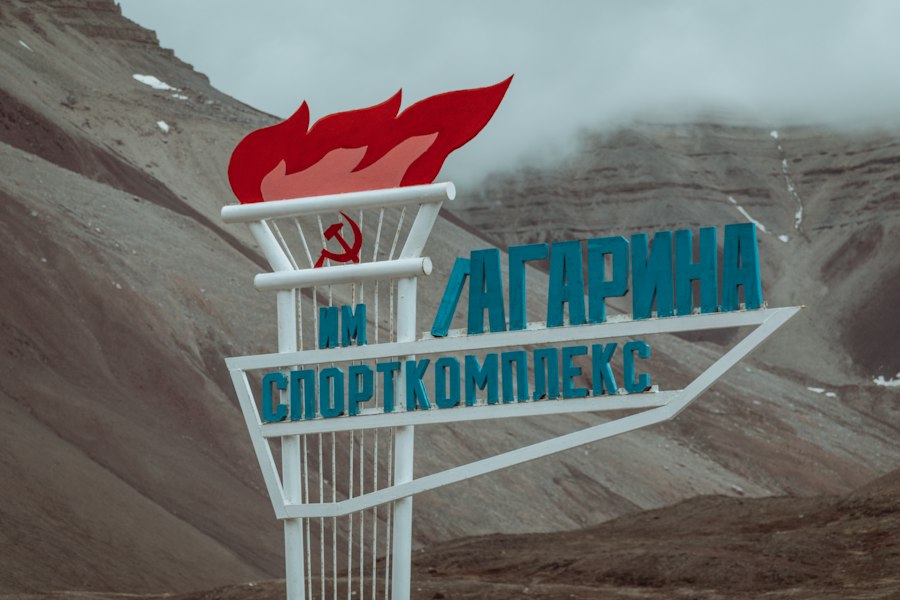
The Soviet Union’s pursuit of nuclear power and weapons development, while intended to bolster its military might and provide energy, also resulted in some of the most devastating environmental disasters in history. The secrecy surrounding these programs, coupled with a cavalier attitude towards safety, created a legacy of radioactive contamination.
Chernobyl: The Accidental Meltdown
The Chernobyl disaster in 1986 remains the most infamous nuclear accident in history. A catastrophic explosion and fire at the Chernobyl Nuclear Power Plant in Ukraine released massive amounts of radioactive material into the atmosphere, contaminating large swathes of Europe. The immediate aftermath saw the deaths of plant workers and firefighters, and the long-term consequences included increased rates of cancer and other illnesses in affected populations, as well as the displacement of hundreds of thousands of people from their homes.
The Flawed Reactor Design and Human Error
The disaster was a complex interplay of a flawed reactor design (the RBMK-1000), which lacked adequate safety features, and human error during a poorly executed safety test. The pursuit of efficiency and power output had evidently overshadowed crucial safety considerations. The inherent instability of the RBMK reactor design, particularly at low power levels, coupled with operator actions that violated safety protocols, created a perfect storm for disaster.
The Exclusion Zone and Lingering Radiation
The area surrounding Chernobyl was declared an exclusion zone, a vast expanse of land rendered uninhabitable due to high levels of radiation. This zone, now a haunting testament to the disaster, remains a stark reminder of the long-term consequences of nuclear accidents. While nature has begun to reclaim the area, the lingering radiation continues to pose a threat, and the psychological impact on those affected continues to be felt. The cleanup efforts, an monumental undertaking, are ongoing and will continue for decades to come.
Other Nuclear Incidents and Waste Disposal Issues
Chernobyl was not an isolated incident. The Soviet Union experienced numerous other, albeit less catastrophic, nuclear accidents and incidents throughout its history. These included leaks from nuclear submarines, accidents at research facilities, and issues with the storage and disposal of radioactive waste. The lack of transparency and stringent safety protocols meant that many of these events went unreported or were downplayed, leaving behind pockets of radioactive contamination that continue to pose risks.
The Plight of Semipalatinsk
The Semipalatinsk Nuclear Test Site in Kazakhstan was the Soviet Union’s primary nuclear weapons testing ground for decades. Thousands of atmospheric and underground nuclear tests were conducted there, exposing large populations in the surrounding regions to dangerous levels of radiation. The long-term health consequences for the people of Semipalatinsk have been severe, with high rates of cancer, birth defects, and other radiation-related illnesses. The legacy of these tests continues to haunt the region, with ongoing efforts to mitigate the environmental and health impacts.
Radioactive Waste Management and Secrecy
The safe disposal of radioactive waste from nuclear power plants and weapons production was a persistent challenge for the Soviet Union. In many cases, waste was stored inadequately or dumped into rivers and the sea, leading to significant environmental contamination. The secrecy surrounding these operations meant that the full extent of the problem was often unknown, and the cleanup and remediation efforts have been complex and costly. The Barents Sea, for instance, became a repository for a significant amount of radioactive waste from Soviet nuclear submarines.
Toxic Legacies: Industrial Pollution Beyond Specific Incidents
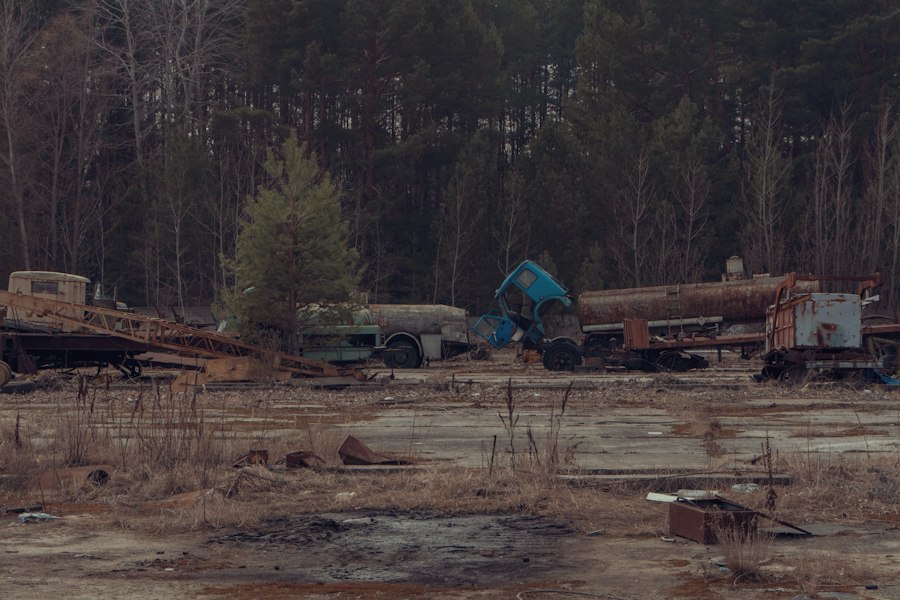
Beyond the headline-grabbing disasters, the Soviet Union left behind a pervasive and insidious legacy of industrial pollution that affected vast regions and had long-term health consequences for its population.
Norilsk: A City Choked by Emissions
The city of Norilsk, located in the Siberian Arctic, is renowned for its massive nickel and copper smelters. These industrial behemoths have been operating for decades with little regard for environmental controls, resulting in some of the worst air pollution on the planet. The constant emissions of sulfur dioxide, heavy metals, and other pollutants have decimated the surrounding environment, creating a barren and toxic landscape. The air quality in Norilsk is so poor that its residents have significantly shorter life expectancies and suffer from a higher incidence of respiratory and cardiovascular diseases.
The Arctic Landscape Devastated
The industrial activity in Norilsk has had a devastating impact on the fragile Arctic ecosystem. The acid rain generated by the smelters has destroyed vegetation, leading to soil erosion and habitat loss. The heavy metals released into the environment have contaminated the soil and water, posing risks to wildlife and human health. The very landscape around Norilsk is a testament to the destructive power of unchecked industrial pollution.
Magnitogorsk and the Urals Industrial Belt
The Urals region, a major industrial heartland of the Soviet Union, became synonymous with heavy industry and its associated pollution. Magnitogorsk, a city built around one of the world’s largest steel mills, was notorious for its smog-filled skies and polluted waterways. The entire Urals industrial belt, a vast network of factories and mining operations, contributed to widespread environmental degradation, including air and water contamination, soil pollution, and deforestation. The long-term health impacts on the inhabitants of these industrial cities are a grim reminder of this era.
The Drowning of Villages for Hydroelectric Power
The Soviet Union’s ambitious plans for hydroelectric power generation often involved the construction of massive dams, which resulted in the flooding of vast tracts of land. This often meant the displacement of entire villages and the submersion of agricultural land and forests. While providing electricity, these projects also led to the alteration of river ecosystems, the loss of valuable farmland, and the disruption of local communities. The environmental costs of these mega-projects were often substantial and long-lasting.
The environmental disasters that occurred in the Soviet Union serve as a stark reminder of the consequences of neglecting ecological balance. From the Aral Sea’s dramatic shrinkage to the catastrophic Chernobyl nuclear accident, these events highlight the urgent need for sustainable practices. For a deeper understanding of how historical events can inform our current climate crisis, you can explore this insightful article on the topic. It emphasizes the lessons we can learn from the past, making it essential reading for anyone interested in environmental issues. Check it out here: learning from history.
The Road to Remediation: Challenges and Hope
| Disaster | Year | Location | Description | Impact | Estimated Deaths |
|---|---|---|---|---|---|
| Aral Sea Shrinkage | 1960s – 1990s | Central Asia (Kazakhstan, Uzbekistan) | Massive diversion of rivers for irrigation caused the Aral Sea to shrink drastically. | Loss of fisheries, desertification, health problems due to toxic dust storms | Thousands (indirect) |
| Chernobyl Nuclear Disaster | 1986 | Pripyat, Ukraine | Explosion and fire at a nuclear reactor released large amounts of radioactive material. | Radiation sickness, long-term cancer increase, evacuation of 350,000+ people | Estimated 4,000+ (long-term) |
| Kyshtym Disaster | 1957 | Chelyabinsk Oblast, Russia | Explosion at a nuclear waste storage tank released radioactive contamination. | Contamination of 20,000 km², forced evacuation of 10,000 people | Unknown, possibly hundreds |
| Lake Karachay Contamination | 1950s – 1960s | Chelyabinsk Oblast, Russia | Used as a dumping site for radioactive waste, one of the most polluted places on Earth. | Severe radiation exposure, environmental contamination | Unknown |
| Severnaya Dvina River Pollution | 1970s – 1980s | Arkhangelsk Region, Russia | Industrial waste and chemical pollutants discharged into the river. | Water contamination, fish population decline | Not documented |
The collapse of the Soviet Union brought a new era of awareness and, in some cases, a belated recognition of the environmental damage caused. However, the scale of the problems left behind presents immense challenges for the successor states.
The Legacy of Contamination and Health Impacts
The environmental disasters of the Soviet era have left a lasting legacy of contamination that continues to affect the health and well-being of millions. The cleanup and remediation of polluted sites are incredibly complex and expensive undertakings. The long-term health impacts of radiation exposure, chemical poisoning, and air pollution continue to manifest in increased rates of cancer, respiratory illnesses, and other chronic diseases.
International Cooperation and Aid
Recognizing the transboundary nature of many of these environmental problems, international cooperation has become crucial in addressing the legacies of Soviet environmental disasters. Aid and expertise from other nations and international organizations have been vital in supporting cleanup efforts, developing sustainable practices, and improving environmental monitoring. However, the scale of the problem often outstrips available resources.
The Transition to More Sustainable Practices
While the Soviet legacy is one of environmental devastation, there is a growing awareness and a commitment in many of the successor states to transition towards more sustainable industrial and agricultural practices. Stricter environmental regulations, the adoption of cleaner technologies, and increased investment in renewable energy sources are all part of this ongoing effort. The lessons learned from the Soviet era serve as a potent reminder of the interconnectedness of human progress and environmental health.
The Role of Environmental Activism and Civil Society
In the post-Soviet era, environmental activism and civil society organizations have played an increasingly important role in advocating for environmental protection and holding governments and industries accountable. These groups often work to raise public awareness, monitor pollution, and push for stronger environmental policies. Their efforts are crucial in ensuring that the mistakes of the past are not repeated and that a more sustainable future is built. The fight for environmental justice continues, fueled by the enduring scars of the Soviet Union’s environmental blunders.

A Dam Brought the Aral Sea Back—But Only Part of It
FAQs
What were some of the major environmental disasters in the Soviet Union?
Some major environmental disasters in the Soviet Union include the Chernobyl nuclear disaster in 1986, the Aral Sea ecological crisis due to excessive irrigation practices, and the pollution of the Black Sea from industrial and agricultural runoff.
How did the Chernobyl nuclear disaster impact the environment?
The Chernobyl nuclear disaster released a large amount of radioactive material into the atmosphere, contaminating the surrounding area and causing long-term health and environmental consequences. The disaster led to the evacuation and abandonment of nearby towns and a significant increase in cancer rates among those exposed to the radiation.
What caused the Aral Sea ecological crisis in the Soviet Union?
The Aral Sea ecological crisis was primarily caused by the Soviet Union’s extensive irrigation projects diverting water from the two rivers that fed the sea. This led to a drastic reduction in the sea’s water levels, salinity levels rising, and the exposure of toxic chemicals and pesticides in the exposed seabed.
How did industrial pollution impact the environment in the Soviet Union?
Industrial pollution in the Soviet Union had a significant impact on the environment, leading to air and water pollution, deforestation, and soil degradation. The heavy industrialization and lack of environmental regulations resulted in widespread contamination of ecosystems and health hazards for the population.
What efforts have been made to address the environmental legacy of the Soviet Union?
Since the collapse of the Soviet Union, efforts have been made to address the environmental legacy left by the country. This includes cleanup and remediation efforts at contaminated sites, implementing environmental regulations, promoting sustainable practices, and raising awareness about the importance of environmental protection.