
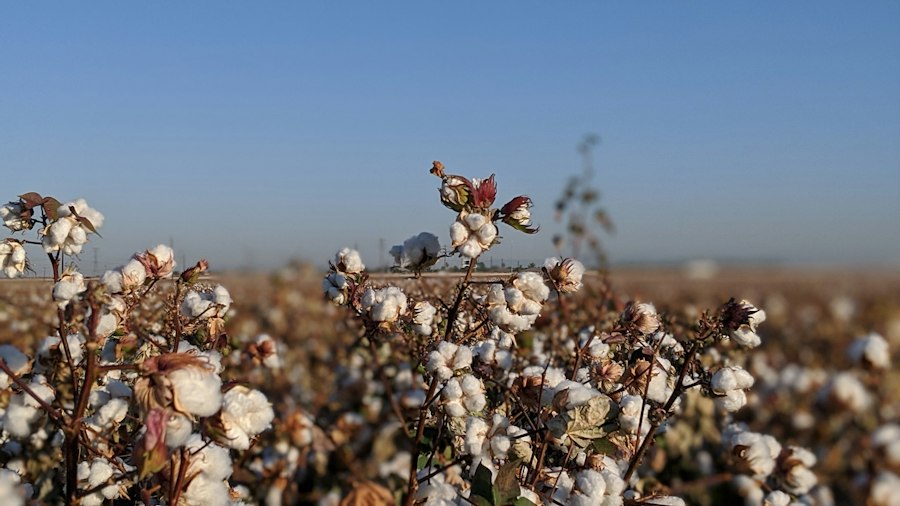
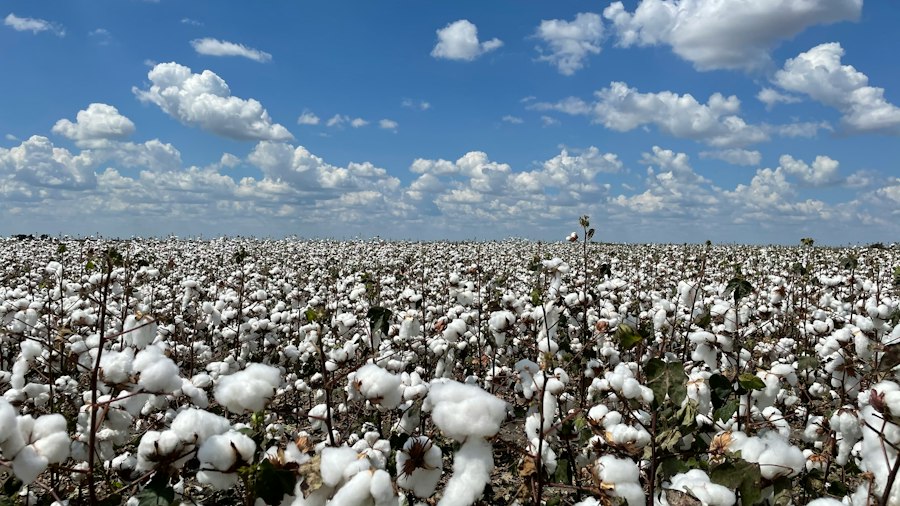
The Soviet Union, a vast and ambitious enterprise, harbored a deep desire to achieve self-sufficiency and project its industrial might onto the global stage. Within this grand vision, cotton, often dubbed “white gold,” occupied a particularly prominent position. Its cultivation, however, became inextricably linked with one of the most catastrophic environmental man-made disasters of the 20th century: the desiccation of the Aral Sea. The relentless pursuit of cotton production, driven by centralized planning and an unwavering belief in the transformative power of Soviet ideology, ultimately led to the near-annihilation of a once-thriving inland sea, leaving a legacy of ecological ruin and human suffering.
The Soviet leadership recognized cotton’s economic and strategic importance. It was a vital commodity for the textile industry, a significant source of foreign currency through exports, and a symbol of agricultural prowess.
Cotton as a Symbol of Soviet Economic Power
Under Stalin’s fervent industrialization drive, cotton production was elevated to a national priority. The perceived success of Soviet agriculture in other sectors, such as grain, emboldened planners to set ambitious targets for cotton yields. The ability to produce vast quantities of cotton would not only feed the burgeoning Soviet textile mills but also demonstrate the superiority of the socialist economic model over capitalist nations, which were perceived as dependent on external markets. The sheer scale of planned agricultural operations, meticulously managed by state enterprises, was meant to be a testament to the efficiency and rational organization that communism promised. Cotton, with its predictable growth cycles and established market demand, became an ideal crop to showcase this perceived mastery over nature and economics.
Strategic Importance in a Cold War Climate
In the geopolitical landscape of the Cold War, economic independence was paramount. The Soviet Union sought to minimize its reliance on imports for essential goods, and cotton was no exception. By developing a robust domestic cotton industry, the USSR aimed to secure its supply chain and avoid any potential economic leverage that Western nations might wield. This desire for self-sufficiency was amplified by a general suspicion of international trade, viewed through the lens of potential capitalist exploitation. Furthermore, successful cotton production could be used as a propaganda tool, demonstrating the Soviet Union’s ability to not only feed its population but also clothe them in domestically produced fabrics, further solidifying the narrative of a self-reliant and prosperous socialist state. This strategic imperative fueled a relentless drive for increased output, regardless of the cost.
The environmental consequences of Soviet cotton production in the Aral Sea region have been extensively documented, highlighting the drastic changes to the ecosystem and local communities. For a deeper understanding of how such large-scale agricultural practices can lead to significant ecological disasters, you can explore a related article that discusses the impact of lost inventions and historical game changers. This article provides insights into how human innovation can sometimes lead to unintended consequences, much like the situation in the Aral Sea. You can read more about it here: Lost Inventions: History’s Game Changers.
The Ambitious Irrigation Projects: Transforming the Landscape
To achieve these ambitious cotton production targets, the Soviet government embarked on a series of colossal irrigation projects, fundamentally altering the hydrology of Central Asia. The Amu Darya and Syr Darya rivers, the lifeblood of the Aral Sea, were systematically diverted, transforming vast arid landscapes into cotton fields.
The Grand Design of Water Diversion
The decision to divert the Amu Darya and Syr Darya was not an ad hoc measure but a calculated, long-term strategy. Envisioned as part of a larger effort to colonize and develop the arid regions of Central Asia, these projects were grand in scale and engineering ambition. The primary objective was to bring water to previously unfarmed land, thereby expanding the territory dedicated to cotton cultivation. This involved the construction of extensive canal systems, pumping stations, and reservoirs. The Karakum Canal, for instance, was one of the largest irrigation projects in the world, stretching for over 1,300 kilometers and designed to irrigate millions of hectares of desert. The underlying assumption was that nature, with the application of Soviet ingenuity and sheer force, could be bent to serve human needs and economic objectives. This engineering hubris, however, failed to account for the delicate ecological balance of the region.
The Karakum Canal: A Lifeline to Nowhere
The Karakum Canal, a monumental feat of Soviet engineering, exemplifies the scale of ambition and the eventual consequences of these water diversion projects. Conceived in the 1950s, it was intended to bring water from the Amu Darya to the vast Karakum Desert in Turkmenistan, transforming it into a productive agricultural region, primarily for cotton. The canal itself was a massive undertaking, involving the excavation of millions of cubic meters of earth and the construction of numerous pumping stations to lift water over significant elevations. However, the canal was poorly constructed, with unlined sections that resulted in colossal water losses through seepage into the desert sands. This inefficiency meant that a significant portion of the water that left the Amu Darya never reached its intended destinations, and a substantial amount evaporated en route. Despite its enormous scale, the Karakum Canal became a symbol of the flawed logic that prioritized immediate agricultural output over sustainable water management, contributing significantly to the Aral Sea’s demise.
The Syr Darya and Amu Darya: Rivers Re-engineered
The Amu Darya and Syr Darya, ancient arteries of Central Asia, were systematically re-engineered to serve the cotton fields. Their flows were dammed, channeled, and siphoned off, reducing their once-mighty currents to mere trickles in many stretches. The vast majority of their water was directed into a sprawling network of canals, designed to quench the thirst of millions of acres of cotton. This was not a gradual process but a rapid and aggressive transformation. Within a few decades, the natural ebb and flow of these rivers were utterly disrupted. Entire ecosystems that depended on the regular inundation of floodplains and the life-giving waters of these rivers were starved of their essential resource. The transformation of these rivers was a stark illustration of how a centralized, top-down approach to resource management could disregard the intricate web of life that depended on natural water systems.
The Environmental Price of Cotton: Early Warnings Ignored
Even as the irrigation projects expanded, scientists and local inhabitants began to voice concerns about the escalating environmental impact. However, these warnings were largely dismissed by the central planners, who prioritized production quotas over ecological sustainability.
Salinization and Waterlogging: The Land Suffers
The intensive irrigation of cotton, coupled with the use of chemical fertilizers and pesticides, began to take a heavy toll on the land. Inefficient irrigation techniques led to waterlogging, where the water table rose to the surface, saturating the soil and making it infertile. Furthermore, as water evaporated from the fields, it left behind dissolved salts, leading to widespread salinization. This process gradually rendered vast tracts of land unusable for agriculture, creating a vicious cycle where more land had to be brought under cultivation to compensate for the degraded areas, thus intensifying the demand on water resources. The dream of fertile lands turned into a nightmare of salt-encrusted fields, a visual testament to the unsustainable agricultural practices.
The Silent Poisoning of the Soil
Beyond salinization, the relentless application of agrochemicals, including persistent pesticides and herbicides, began to contaminate the soil. These chemicals, designed to maximize cotton yields, seeped into the groundwater and rivers, further polluting the already strained water resources. The long-term effects of this widespread chemical contamination on both the environment and human health were largely unacknowledged or downplayed by Soviet authorities. The soil, once capable of sustaining diverse life, was gradually transformed into a sterile medium, dependent on an ever-increasing input of artificial aids that brought their own hidden costs.
The Aral Sea’s Decline: A Slow and Tragic Dissolution
The most devastating consequence of the diverted river waters was the precipitous decline of the Aral Sea. Once the fourth-largest inland sea in the world, it began to shrink at an alarming rate, unleashing a cascade of environmental and social problems.
The Shrinking Giant: A Visual Catastrophe
The visual impact of the Aral Sea’s decline was profound and undeniable. As the water receded, vast expanses of the seabed were exposed, transforming a vibrant blue expanse into a desolate wasteland. Shorelines retreated for kilometers, leaving behind ghost towns and derelict fishing fleets stranded in the middle of a dusty desert. The once-bustling ports, teeming with fishing vessels and their catches, became relics of a forgotten era. The sheer scale of this shrinkage was staggering, with the Aral Sea losing more than 90% of its volume in a matter of decades. This visible catastrophe served as a stark and tragic monument to the unchecked ambition and environmental negligence of the Soviet regime.
From Bustling Ports to Desert Ghosts
The once-thriving fishing communities that dotted the Aral Sea’s shores were among the first and most directly impacted by its demise. Ports like Muynak, once a hub of activity with thousands of fishermen bringing in massive hauls of sturgeon and carp, were left stranded miles inland. The fishing industry, which had sustained entire towns, collapsed. Boats rusted in the sand, their purpose rendered obsolete. The economic and social fabric of these communities was torn apart, leading to widespread unemployment, poverty, and mass migration. The remnants of these once-vibrant ports served as poignant reminders of the ecological and human cost of the Aral Sea’s desiccation.
The Evaporation Phenomenon: A Accelerating Loss
The smaller surface area and increased salinity of the remaining Aral Sea accelerated the process of evaporation. With less water to begin with, what little remained was lost to the atmosphere at an even faster rate. This created a self-perpetuating cycle of decline. The high salinity also made it impossible for most of the native fish species to survive, further impacting the ecosystem and the livelihoods of the people who depended on it. The Aral Sea was not just shrinking; it was slowly dissolving into the atmosphere, a tragic testament to the irreversible consequences of human intervention.
The Ecological Fallout: A Dead Sea Rises
The desiccation of the Aral Sea triggered a devastating ecological domino effect, impacting not only the immediate region but also extending its reach far beyond. The loss of this vast body of water led to profound changes in the local climate and the extinction of numerous species.
The Rise of the Toxic Dust Bowl
As the seabed dried, it exposed millions of tons of salt, sand, and agricultural chemicals. These toxic materials were then whipped up by the winds, creating massive dust storms that blanketed the surrounding regions. These dust storms, often carrying pesticide residues and heavy metals, posed serious health risks to the populations living in the vicinity, contributing to respiratory illnesses, birth defects, and cancers. The once fertile lands around the Aral Sea became a toxic dust bowl, a constant reminder of the environmental devastation. The fine particles of dust, laden with harmful substances, could travel hundreds, even thousands, of kilometers, impacting ecosystems and human health far from the Aral Sea itself.
Loss of Biodiversity: A Silent Extinction
The Aral Sea was once a rich ecosystem, supporting a diverse array of flora and fauna. Its rapid decline led to the extinction of numerous fish species, birds, and other wildlife that depended on its waters. The unique habitat was destroyed, and with it, a significant portion of the region’s natural heritage. The loss of the sea’s biodiversity was a silent extinction, a tragic consequence that went largely unnoticed by the broader world at the time, yet represented an irreplaceable loss to the natural world.
The Human Cost: Suffering and Displacement
The environmental devastation wrought by the Aral Sea’s decline had a profound and devastating impact on the human populations living in the region. Livelihoods were destroyed, health crises emerged, and communities were forced to abandon their homes.
Health Crises: A Legacy of Contamination
The toxic dust storms and contaminated water sources led to a severe decline in public health. Respiratory diseases, cancers, and birth defects became rampant in the Aral Sea region. The lack of clean drinking water and the reliance on contaminated sources further exacerbated these health problems. The long-term health consequences for generations to come are still being felt. The dream of a prosperous cotton-growing region had instead created a region plagued by preventable diseases, a grim testament to the human cost of unsustainable agricultural practices.
Respiratory Illnesses and Cancer Rates
The constant exposure to airborne toxins from the exposed seabed led to a significant increase in respiratory illnesses, such as asthma and bronchitis. Furthermore, the presence of pesticides and heavy metals in the dust and water supply contributed to a dramatic rise in cancer rates, particularly among children and women. The once vibrant communities were now grappling with a pervasive sense of illness and a bleak future.
Water Scarcity and Disease Transmission
The diversion of water not only killed the Aral Sea but also led to severe water scarcity for the local populations. The limited available water was often contaminated with agricultural runoff and industrial waste, leading to outbreaks of waterborne diseases like typhoid and hepatitis. The struggle for access to clean water became a daily reality, further straining already impoverished communities.
Displacement and Migration: The Exodus from the Shore
As livelihoods evaporated and the environment became increasingly hostile, many residents were forced to abandon their homes and migrate to other regions in search of a better life. The once proud fishing communities were hollowed out, leaving behind ghost towns and a sense of profound loss. This mass displacement further exacerbated social and economic problems in the areas where people sought refuge. The dream of a stable life in a Soviet agricultural paradise had dissolved, forcing a desperate exodus.
The Collapse of Fishing Communities
The fishing industry, which had sustained entire towns and provided a source of pride and employment for generations, collapsed entirely. With no fish left in the sea, fishermen were left without a means of income. This led to widespread unemployment and the eventual abandonment of their homes and communities, as the economic foundation of their lives had literally evaporated.
The Search for New Beginnings
The displaced populations often faced hardship and discrimination in their new environments, struggling to find work and adapt to unfamiliar circumstances. The scars of their displacement, both economic and emotional, were deep and long-lasting. The Aral Sea region became a poignant symbol of the human cost of environmental degradation and the failures of centralized planning that disregarded human well-being.
The environmental disaster surrounding the Aral Sea is closely linked to the Soviet cotton production policies that prioritized extensive irrigation and monoculture farming. This shift not only devastated local ecosystems but also led to significant socio-economic challenges for the communities that relied on the sea for their livelihoods. For a deeper understanding of how governmental policies can impact resources and communities, you can read more in this article about the implications of national emergency powers and asset protection found at this link.
The Legacy of the Aral Sea: A Stark Warning for the Future
| Year | Cotton Production (million tons) | Aral Sea Water Level (meters) | Area of Aral Sea (thousand km²) | Environmental Impact |
|---|---|---|---|---|
| 1960 | 0.5 | 53.4 | 68 | Minimal impact, natural water levels |
| 1970 | 1.2 | 52.8 | 60 | Beginning of water diversion for irrigation |
| 1980 | 2.5 | 50.0 | 40 | Significant shrinkage, increased salinity |
| 1990 | 3.0 | 45.0 | 25 | Severe ecological damage, loss of fisheries |
| 2000 | 2.8 | 42.0 | 15 | Desertification, health problems in local populations |
The Aral Sea disaster serves as a stark and enduring warning about the perils of unchecked environmental exploitation and the importance of sustainable resource management. The lessons learned from this catastrophe continue to resonate today, as the world grapples with similar challenges.
The Continuing Struggle for Recovery
Despite the collapse of the Soviet Union, efforts to address the Aral Sea crisis have been ongoing, though progress has been slow and the damage extensive. While some measures have led to partial recovery in certain areas, the Aral Sea has likely been irreversibly altered. The focus has shifted from attempting to restore the Aral Sea to its former glory to mitigating the ongoing environmental and social impacts.
Regional Cooperation and International Efforts
Following the Soviet Union’s dissolution, the newly independent Central Asian nations have faced the daunting task of managing the Aral Sea basin. This has necessitated a degree of regional cooperation, though challenges remain. International organizations and environmental groups have also become involved, providing aid and expertise for restoration efforts and disaster relief. The scale of the problem, however, has often outstripped the available resources and political will.
The Imperative of Sustainable Water Management
The Aral Sea disaster underscores the critical need for sustainable water management practices globally. It highlights the interconnectedness of ecosystems and the devastating consequences that can arise when natural resources are exploited without regard for their long-term viability. The lessons of the Aral Sea are a crucial reminder for all nations to prioritize environmental protection and adopt responsible approaches to resource utilization. The pursuit of short-term economic gains at the expense of ecological balance is a recipe for disaster, a lesson etched in the dried seabed of a once-great sea. The Soviet pursuit of cotton, while driven by ambition, ultimately led to a profound and enduring tragedy, a testament to the fragility of nature and the hubris of unchecked human ambition.

A Dam Brought the Aral Sea Back—But Only Part of It
FAQs
What was the significance of cotton production in the Soviet Union?
Cotton production was a key industry in the Soviet Union, as it was used to produce textiles for clothing and other goods. It was also a major export crop, bringing in valuable foreign currency for the Soviet economy.
How did the Soviet government promote cotton production in the region surrounding the Aral Sea?
The Soviet government implemented large-scale irrigation projects in the region surrounding the Aral Sea to support cotton production. This led to the diversion of water from the two main rivers that fed the Aral Sea, causing significant environmental damage.
What were the environmental consequences of Soviet cotton production on the Aral Sea?
The diversion of water for irrigation purposes led to the shrinking of the Aral Sea, once the fourth largest lake in the world. This caused severe environmental consequences, including the exposure of toxic chemicals in the lakebed, loss of biodiversity, and negative impacts on the local climate.
How did the decline of the Aral Sea impact the surrounding communities?
The shrinking of the Aral Sea led to the loss of fishing industry jobs and increased desertification in the surrounding area. This had a significant impact on the health and livelihoods of the local communities, leading to economic hardship and health issues.
What is the current state of cotton production in the region surrounding the Aral Sea?
Cotton production in the region surrounding the Aral Sea has declined significantly in recent years due to the environmental degradation caused by Soviet-era irrigation practices. Efforts are being made to promote more sustainable agriculture practices and restore the health of the Aral Sea ecosystem.