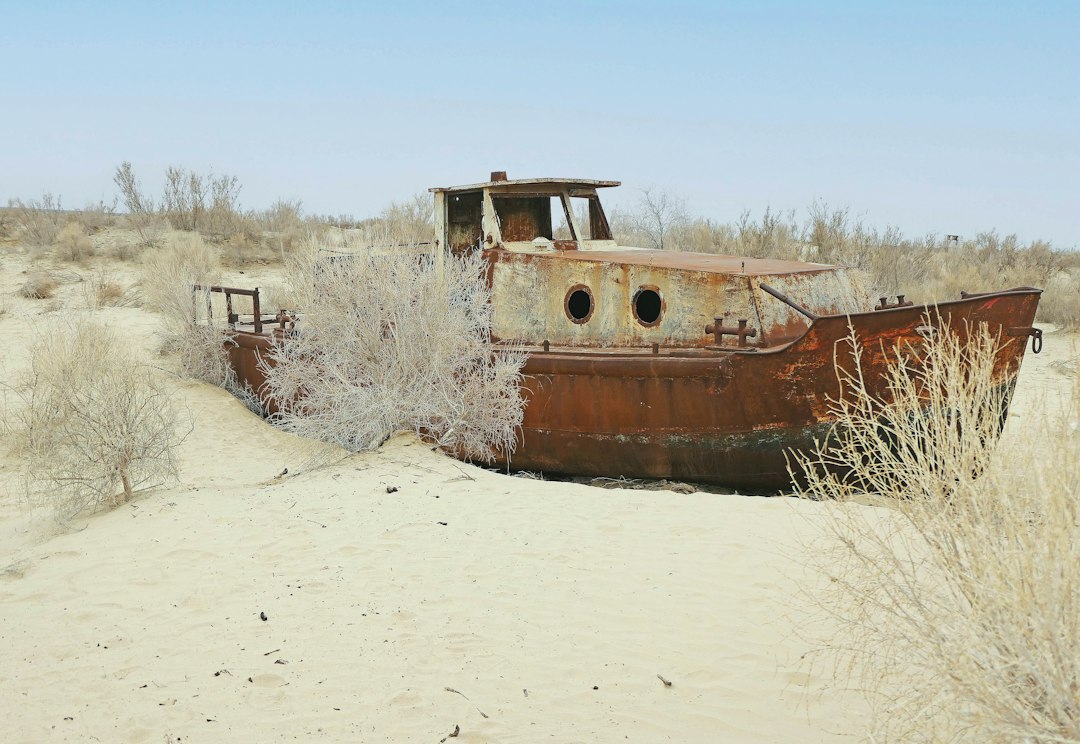
The Aral Sea, once a vibrant inland sea teeming with life and a cornerstone of the regional economy, now stands as a stark monument to one of the most devastating ecological man-made disasters in human history. The documentary “Lost Waters: Aral Sea Disaster” meticulously chronicles this tragedy, offering viewers a profound and often heartbreaking glimpse into the causes, consequences, and the lingering shadows of this ecological catastrophe. Through compelling interviews, archival footage, and evocative imagery, the film paints a vivid picture of a once-thriving ecosystem brought to its knees by human ambition and misguided policies.
The Aral Sea, nestled between Kazakhstan and Uzbekistan, was not always a parched wasteland. For centuries, it was the fourth-largest inland body of water on Earth, a vital artery for the communities that depended on its bounty. Its waters teemed with a remarkable diversity of fish, supporting a robust fishing industry that provided livelihoods for countless families and contributed significantly to the Soviet Union’s food supply. The region surrounding the sea was a fertile oasis, benefiting from the sea’s moderating influence on the climate, which allowed for agriculture to flourish.
A Vital Resource for Regional Economies
The fishing industry was the lifeblood of many settlements along the Aral Sea’s shores. Ports like Aralsk and Muynak were bustling hubs of activity, where fishing fleets brought in impressive catches daily. This industry not only provided food but also supported related businesses, from boat building and net mending to processing plants and transportation networks. The livelihoods of generations were intrinsically tied to the health and productivity of the sea.
The Influence of the Aral Sea on Local Climate
The vast expanse of the Aral Sea played a crucial role in moderating the region’s climate. Its waters absorbed and released heat slowly, preventing extreme temperature fluctuations. This created a more temperate environment, conducive to both agriculture and human habitation. The sea’s presence contributed to higher humidity levels, supporting a delicate ecological balance that benefited the surrounding landscapes.
A Hub of Biodiversity and Natural Wonders
Beyond its economic importance, the Aral Sea was a remarkable ecosystem, home to a rich tapestry of life. Numerous fish species, including sturgeon and carp, thrived in its waters. The surrounding deltas and wetlands were vital stopover points for migratory birds, attracting a diverse array of avian species. The unique environment fostered a delicate ecological balance that had been sustained for millennia.
The Aral Sea disaster has drawn attention to the profound impact of human activities on natural ecosystems, highlighting the urgent need for sustainable practices. For those interested in exploring the broader implications of environmental changes and how ancient wisdom can guide our understanding of nature’s signs, a related article titled “Ancient Weather Wisdom: Understanding Nature’s Signs” offers valuable insights. You can read it here: Ancient Weather Wisdom: Understanding Nature’s Signs.
The Genesis of the Disaster: Soviet Irrigation Schemes
The seeds of the Aral Sea’s demise were sown in the mid-20th century, during the Soviet era, with ambitious agricultural projects aimed at transforming the arid Central Asian landscape into a cotton-growing paradise. Driven by the desire to meet global demand for cotton and to achieve self-sufficiency in agricultural production, the Soviet government embarked on massive irrigation schemes, diverting the waters of the two major rivers that fed the Aral Sea – the Amu Darya and the Syr Darya.
The Grand Vision of Cotton Cultivation
The ideological imperative to expand cotton production in the Soviet Union was immense. Cotton was seen as a strategic commodity, and Central Asia, with its vast, sun-drenched plains, was deemed the ideal location for its cultivation. This vision, however, came at a significant cost to the Aral Sea. The sheer scale of the irrigation projects required to water these vast cotton fields would inevitably have consequences for the sea’s water supply.
Diverting the Lifelines: Amu Darya and Syr Darya
The construction of immense canal systems, such as the Karakum Canal, diverted the majority of the Amu Darya’s and Syr Darya’s waters away from their natural course towards the Aral Sea. These canals, designed to irrigate cotton fields and rice paddies, were often inefficient, with significant amounts of water lost to evaporation and seepage. The Aral Sea, once the recipient of these mighty rivers, found itself progressively starved of its essential water source.
The Unforeseen Ecological Consequences
The architects of these irrigation projects failed to adequately consider the ecological ramifications of their actions. The diversion of the rivers was not a gradual adjustment but a massive redirection of water flow. The long-term impact on the Aral Sea’s volume, salinity, and the delicate ecosystem it supported was largely overlooked in the pursuit of agricultural output. The focus was on immediate gains, with little regard for the sustainability of the natural environment.
The Aral Sea’s Decline: A Visible and Devastating Transformation
As the rivers’ waters were siphoned off, the Aral Sea began its inexorable decline. The process was gradual at first, but it soon accelerated, leading to a dramatic shrinking of its surface area. The once vibrant sea began to fragment into smaller, disconnected bodies of water, each with increasing salinity levels. The visual evidence of this transformation was stark and undeniable.
The Shrinking Surface Area: A Shrinking World
The most immediate and visible impact of the water diversion was the dramatic reduction in the Aral Sea’s surface area. Satellite imagery from the late 20th century vividly illustrates this shrinkage, showing the sea receding from its historical shorelines, leaving behind vast expanses of exposed seabed. The once formidable sea was being reduced to mere puddles in comparison to its former glory.
Rising Salinity and the Loss of Freshwater Life
As the water volume decreased, the concentration of salts in the remaining water increased dramatically. This rise in salinity made the water increasingly inhospitable to freshwater species. Fish populations, once abundant, began to collapse. The delicate balance of the ecosystem was irrevocably disrupted, leading to widespread species die-offs and a drastic reduction in biodiversity.
The Emergence of Salt Deserts and Toxic Dust Storms
The exposed seabed, once submerged under the sea, became a vast desert. This dried-out land, laden with salt and the residues of agricultural chemicals, became a source of potent dust storms. These storms, carrying toxic particles over hundreds of kilometers, posed serious health risks to the populations living in the surrounding regions and beyond. The legacy of the sea’s demise was not confined to its immediate shores.
The Human Cost: Lives Upended and Health Crisis
The environmental catastrophe that befell the Aral Sea had profound and devastating consequences for the human populations who lived in its vicinity. Livelihoods were destroyed, communities were uprooted, and a serious public health crisis emerged, fueled by the environmental degradation. The dream of agricultural prosperity had turned into a nightmare of hardship and illness.
The Collapse of Fishing Communities
The collapse of the fishing industry was the most immediate and direct human impact. Fishing villages that had thrived for generations became ghost towns. Fishing boats lay abandoned on the dry seabed, silent testaments to a lost way of life. Families who had relied on the sea for sustenance and income were left with no alternative but to abandon their homes in search of work elsewhere, leading to widespread displacement and social disruption.
Health Impacts: Respiratory Illnesses and Cancers
The toxic dust storms emanating from the exposed seabed had a devastating impact on public health. The dust contained high concentrations of salt, pesticides, and other agricultural chemicals, which were inhaled by the local population. This led to a surge in respiratory illnesses, including asthma and bronchitis, as well as higher rates of certain cancers. Children were particularly vulnerable to these health effects.
The Psychological Toll and Cultural Loss
Beyond the physical ailments, the ecological disaster inflicted a significant psychological toll on the communities. The loss of their environment, their livelihoods, and their cultural heritage created a deep sense of grief and despair. The Aral Sea was more than just a body of water; it was a symbol of their identity and their connection to the land. Its demise represented a profound cultural loss, leaving a void that was difficult to fill.
The Aral Sea disaster serves as a poignant reminder of the devastating impact of environmental mismanagement, and it is often discussed in the context of broader themes of ecological collapse. For those interested in exploring the underlying factors contributing to such crises, a related article delves into the real reasons behind civilization’s decline, particularly focusing on environmental degradation. You can read more about this critical issue in the article found here. Understanding these connections can provide valuable insights into the lessons we must learn from the Aral Sea tragedy.
Glimmers of Hope and the Path Forward: Conservation Efforts and Lingering Challenges
| Metric | Value | Description |
|---|---|---|
| Documentary Title | The Aral Sea Disaster | Name of the documentary covering the environmental crisis |
| Release Year | 2009 | Year the documentary was first released |
| Duration | 52 minutes | Total runtime of the documentary |
| Primary Focus | Environmental Impact | Focus on ecological consequences of the Aral Sea shrinkage |
| Key Topics Covered | Water diversion, desertification, health effects | Main subjects discussed in the documentary |
| Filming Locations | Kazakhstan, Uzbekistan | Regions around the Aral Sea featured in the film |
| Viewership | Over 1 million | Estimated number of viewers worldwide |
| Languages Available | English, Russian | Languages in which the documentary is available |
| Production Company | Environmental Films Ltd. | Company responsible for producing the documentary |
Despite the overwhelming scale of the disaster, “Lost Waters” does not entirely abandon hope. The documentary acknowledges the ongoing efforts to mitigate the damage and explores the challenges that still lie ahead. While the Aral Sea may never fully recover its former glory, there are signs of resilience and a growing awareness of the need for sustainable practices.
The Restoration of the Northern Aral Sea
One of the most significant success stories, albeit limited, has been the partial restoration of the Northern Aral Sea in Kazakhstan. Through the construction of the Kok-Aral Dam, the flow of the Syr Darya river was redirected, leading to a significant increase in the water level and a decrease in salinity in this northern section. This has allowed for the return of some fish species and a partial revival of the fishing industry in the region.
International Cooperation and Awareness
The Aral Sea disaster has become a stark warning to the world about the consequences of unsustainable water management and environmental neglect. International organizations and governments have increasingly recognized the need for cooperation and have supported various initiatives aimed at addressing the ongoing challenges. Raising global awareness is a crucial step towards preventing similar tragedies in other parts of the world.
The Lingering Challenges: Salinity, Contamination, and Climate Change
However, the challenges facing the Aral Sea region remain immense. The southern Aral Sea continues to be largely desiccated, and the lingering effects of salinization and chemical contamination persist. Climate change further exacerbates these issues, with rising temperatures leading to increased evaporation and altered rainfall patterns. The long-term recovery of the Aral Sea is a complex and ongoing struggle.
The Lessons Learned: A Call for Sustainable Water Management
The story of the Aral Sea disaster, as powerfully depicted in “Lost Waters,” serves as a crucial lesson for humanity. It underscores the interconnectedness of ecosystems and the profound impact of human actions on the environment. The documentary is a stark reminder of the urgent need for responsible water management, sustainable agricultural practices, and a greater respect for the delicate balance of our planet’s natural resources. The film leaves viewers with a heavy heart but also with a renewed understanding of the vital importance of preserving our water resources for future generations.
A Dam Brought the Aral Sea Back—But Only Part of It
FAQs
What is the Aral Sea disaster documentary about?
The Aral Sea disaster documentary focuses on the environmental catastrophe that occurred due to the diversion of rivers for irrigation purposes, leading to the shrinking of the Aral Sea.
When did the Aral Sea disaster occur?
The Aral Sea disaster began in the 1960s when the Soviet Union diverted the Amu Darya and Syr Darya rivers for irrigation projects, causing the sea to shrink dramatically over the following decades.
What are the main consequences of the Aral Sea disaster?
The main consequences of the Aral Sea disaster include environmental degradation, loss of biodiversity, economic hardship for local communities, and health issues due to the exposure of toxic chemicals and dust storms from the exposed seabed.
Who is the target audience for the Aral Sea disaster documentary?
The target audience for the Aral Sea disaster documentary includes environmental activists, policymakers, researchers, and anyone interested in learning about the impact of human activities on the environment.
Where can I watch the Aral Sea disaster documentary?
The Aral Sea disaster documentary may be available for streaming on online platforms, such as streaming services, documentary websites, or through educational institutions and environmental organizations.