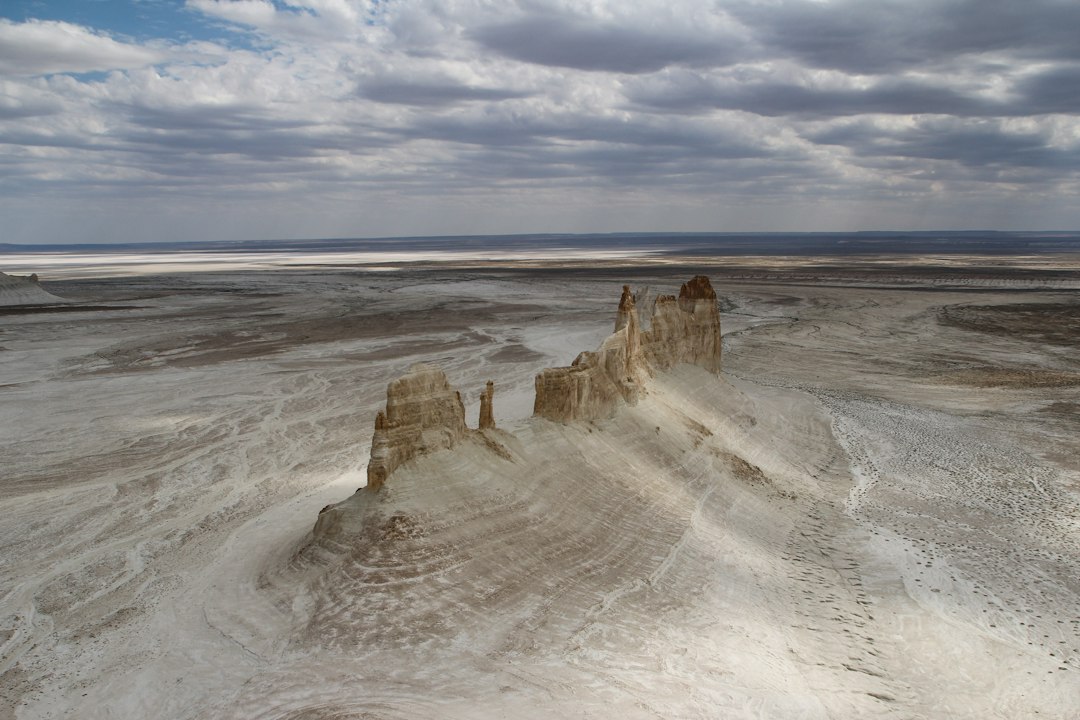
The Aral Sea, once the fourth-largest lake in the world, is now a stark and sorrowful testament to human intervention and environmental catastrophe. The documentary “Vanishing Waters: Aral Sea Kazakhstan” offers a poignant and unflinching look at the devastating decline of this once-thriving body of water, chronicling its transformation from a vibrant ecosystem and economic heartland into a desolate and polluted desert. Through powerful imagery, personal testimonies, and expert analysis, the film paints a vivid picture of the ecological, economic, and social consequences of one of the 20th century’s most profound man-made environmental disasters.
The documentary opens with haunting visuals of the Aral Sea as it once was. These early scenes, often depicted through archival footage and the recollections of elderly residents, transport the viewer to a time when the Aral was a thriving hub of activity and a source of life for millions. The vast expanse of water, teeming with fish and supporting a bustling fishing industry, is a stark contrast to the barren landscapes that dominate the film’s later sections.
A Rich Ecosystem and a Thriving Fishery
The film meticulously details the ecological richness of the Aral Sea before its decline. It was a unique and productive ecosystem, supporting a diverse array of flora and fauna. The documentary highlights the abundance of fish species that once called the Aral home, a resource that sustained entire communities. The narrative emphasizes how this natural bounty was not just a matter of ecological interest but formed the bedrock of the local economy.
The Sound of Bustling Ports
Interviews with former fishermen and port workers evoke a sense of nostalgia and loss. They recount tales of plentiful catches, the vibrant atmosphere of the port towns like Aralsk, and the economic prosperity that the Aral Sea brought. The sounds of bustling activity, the shouts of vendors, and the creaking of boats are brought to life through their memories, underscoring the magnitude of what was lost.
A Lifeblood for Central Asia
The documentary emphasizes the Aral Sea’s crucial role not just for the immediate region but for a broader Central Asian context. Its waters contributed to the regional climate, and its ecological health had far-reaching implications. The film portrays the sea as a vital artery, nourishing the surrounding lands and supporting a way of life that had existed for centuries.
The documentary on the Aral Sea in Kazakhstan highlights the environmental and socio-economic consequences of the region’s drastic changes, drawing parallels to historical events that have shaped human civilization. A related article that delves into the collapse of trade networks during the Bronze Age can provide valuable insights into how environmental factors can influence societal structures and economies. For further reading, you can explore this fascinating connection in the article titled “The Collapse of Bronze Age Trade Networks” available at this link.
The Great Diversion: Seeds of Destruction
At the heart of the “Vanishing Waters” narrative lies the Soviet Union’s ambitious irrigation projects of the 1960s, the primary catalyst for the Aral Sea’s demise. The documentary meticulously explains the rationale behind these projects and the catastrophic unintended consequences that followed. It’s a story of grand ambitions clashing with ecological realities, a cautionary tale about the hubris of altering natural systems on such a massive scale.
The Amu Darya and Syr Darya: Rivers Re-routed
The film details how the two main rivers feeding the Aral Sea, the Amu Darya and the Syr Darya, were systematically diverted to irrigate vast cotton fields in the arid plains of Central Asia. Expert commentary and visual aids clearly illustrate the network of canals that siphoned off the precious water, leaving the Aral Sea with increasingly little replenishment. The scale of this engineering feat, undertaken with little regard for the consequences to the sea, is a central focus.
The Cotton Empire: A Costly Crop
“Vanishing Waters” explores the motivations behind the Soviet drive for cotton production. The film highlights how cotton was a highly profitable commodity, and the Soviet economy placed a premium on its output. This economic imperative, however, came at an unimaginable ecological cost, as the documentary powerfully demonstrates. The pursuit of a lucrative crop led directly to the desolation of a massive inland sea.
The Illusion of Progress: Unforeseen Consequences
The filmmakers underscore the short-sightedness of the Soviet irrigation strategy. While the projects were initially hailed as triumphs of Soviet engineering and agricultural prowess, their long-term environmental impact was devastatingly overlooked. The documentary critiques the lack of foresight and the failure to conduct adequate environmental impact assessments, exposing the flawed logic that underpinned these decisions.
The Desertification of a Dream: Life in the Dust
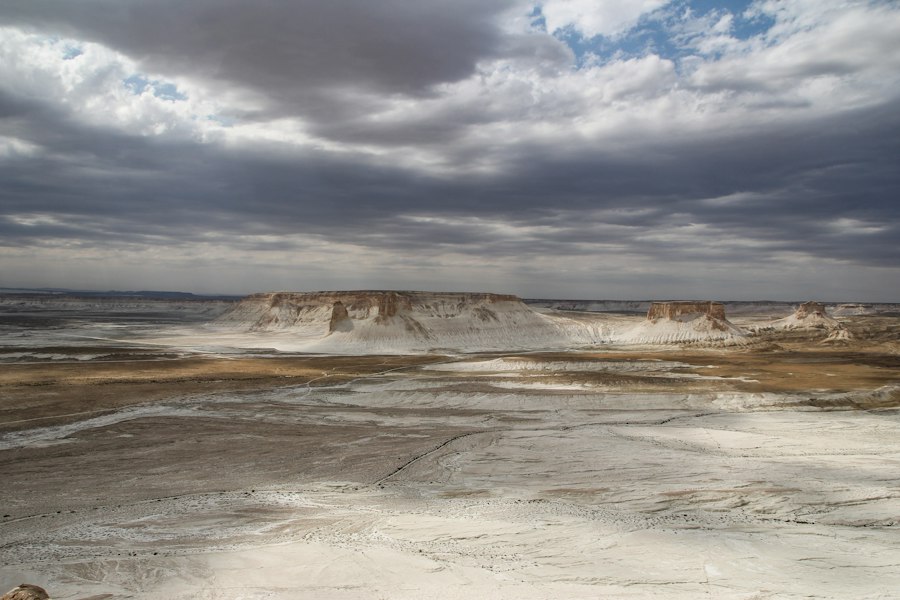
As the Aral Sea receded, it left behind a barren, salt-encrusted desert. The documentary unflinchingly portrays the stark realities of life in this transformed landscape, where former fishing villages are now stranded miles from any water, and the environment itself has become a source of further ecological and health problems.
Ghost Towns of the Sea
The film revisits once-thriving port towns like Aralsk and Muynak, now eerie remnants of their former glory. The skeletal remains of fishing trawlers lie rusting in the sand, symbols of a lost era. The documentary captures the profound sense of abandonment and loss felt by the inhabitants, who witnessed their livelihoods and communities evaporate with the receding waters.
The Salt and Dust Storms: A Toxic Legacy
One of the most chilling aspects of the Aral Sea’s transformation is the emergence of massive salt and dust storms. The documentary shows how the exposed seabed, laden with salt and agricultural chemicals from pesticides and fertilizers used on the cotton fields, is picked up by the wind and carried for hundreds of miles. These toxic dust storms are not only an environmental hazard but also a severe threat to human health.
Respiratory Illnesses and Health Crises
The film interviews residents, particularly children and the elderly, who suffer from a range of health problems attributed to the dust storms, including respiratory diseases, cancers, and birth defects. The documentary highlights the direct link between the environmental catastrophe and the decline in public health, revealing the human cost of the Aral Sea’s disappearance.
A Fight for Survival: The Human Spirit Endures
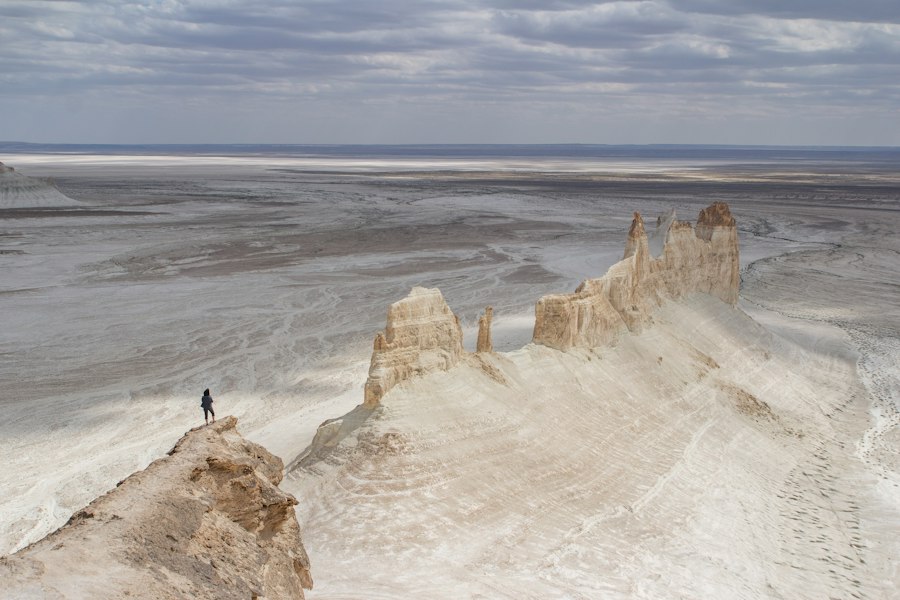
Despite the overwhelming challenges, “Vanishing Waters” also shines a light on the resilience and determination of the people living in the Aral Sea region. The documentary showcases their efforts to adapt to their new reality, their struggles for survival, and their unwavering hope for a better future.
Adapting to a Changed Landscape
The film profiles individuals and communities who have found new ways to survive in the desertified region. Some have turned to herding livestock, while others have sought new economic opportunities in neighboring areas. The documentary portrays their resourcefulness and their ability to find sustenance and meaning in a drastically altered environment.
The Voice of the People: Calls for Action
The documentary gives a platform to the voices of the local population, who express their frustration and their pleas for international aid and attention. Their testimonies serve as powerful calls to action, highlighting the urgent need for remedial measures and sustainable solutions. The film emphasizes their enduring connection to the lost sea and their desire for its restoration.
Small Victories and Lingering Hope
“Vanishing Waters” doesn’t shy away from the immense scale of the problem, but it also points to glimmers of hope. The film might touch upon efforts to partially restore sections of the sea or to implement more sustainable agricultural practices in the surrounding regions. These small victories, though dwarfed by the overall devastation, represent the tenacity of the human spirit and the possibility of mitigating further damage.
The Aral Sea documentary highlights the devastating impact of environmental neglect in Kazakhstan, showcasing how the once-thriving body of water has drastically diminished over the years. For those interested in understanding the broader implications of resource management and international competition, a related article discusses the challenges posed by Chinese electric vehicles to the US market. This piece provides insight into how global dynamics can affect local economies and environmental policies. You can read more about this topic in the article here.
The Aral Sea as a Global Warning: Lessons for Tomorrow
| Metric | Value | Description |
|---|---|---|
| Location | Aral Sea, Kazakhstan | Geographical focus of the documentary |
| Original Size (1960s) | 68,000 km² | Approximate surface area of the Aral Sea before shrinkage |
| Current Size (2020s) | ~10,000 km² | Remaining surface area after decades of shrinkage |
| Primary Cause | Water diversion for irrigation | Main reason for the Aral Sea’s desiccation |
| Environmental Impact | Severe | Includes loss of fish species, desertification, and health issues |
| Documentary Length | 45 minutes | Typical duration of the documentary |
| Year Released | 2018 | Year the documentary was published |
| Languages Available | English, Russian, Kazakh | Languages in which the documentary is available |
| Key Themes | Environmental degradation, human impact, restoration efforts | Main topics covered in the documentary |
Ultimately, “Vanishing Waters: Aral Sea Kazakhstan” transcends its focus on a specific geographical tragedy to serve as a universal warning. The documentary implores viewers to learn from the Aral Sea’s fate and to reconsider our relationship with the natural world, emphasizing the interconnectedness of ecosystems and the profound consequences of unsustainable practices.
A Cautionary Tale for Global Water Management
The film uses the Aral Sea as a stark case study of the dangers of poorly managed water resources and the potential for catastrophic environmental consequences. It serves as a crucial lesson for nations grappling with water scarcity and the complex challenges of irrigation and agricultural development in arid regions.
The Interconnectedness of Ecosystems
“Vanishing Waters” vividly illustrates how the alteration of one major ecosystem can have cascading effects on others. The drying up of the Aral Sea impacted regional climate, biodiversity, and human health, demonstrating the delicate balance of natural systems and the importance of maintaining their integrity.
The Responsibility of Humanity
The documentary concludes with a powerful message about humanity’s responsibility to protect the planet. It urges for a shift in perspective, moving away from exploitation towards stewardship and sustainable practices. The Aral Sea’s vanishing waters serve as a potent reminder that the choices made today have profound and lasting implications for the future of both nature and humanity. The film leaves the viewer with a sense of urgency, a call to reflect on our collective impact and to actively work towards preserving the planet’s precious resources for generations to come. The documentary is not just a historical account; it is a living testament to the devastating consequences of environmental neglect and a potent plea for a more conscientious approach to our planet’s fragile ecosystems.
A Dam Brought the Aral Sea Back—But Only Part of It
FAQs
What is the Aral Sea Kazakhstan documentary about?
The Aral Sea Kazakhstan documentary focuses on the environmental disaster caused by the shrinking of the Aral Sea in Kazakhstan due to human activities.
When was the Aral Sea Kazakhstan documentary released?
The release date of the Aral Sea Kazakhstan documentary may vary depending on the specific documentary being referred to. However, documentaries on the Aral Sea crisis have been released over the years to raise awareness about the issue.
Who produced the Aral Sea Kazakhstan documentary?
Various filmmakers and production companies have produced documentaries on the Aral Sea crisis in Kazakhstan. Some well-known documentaries on this topic have been produced by National Geographic, BBC, and independent filmmakers.
Where can I watch the Aral Sea Kazakhstan documentary?
The Aral Sea Kazakhstan documentary may be available for viewing on streaming platforms like Netflix, Amazon Prime, or YouTube. It may also be screened at film festivals, environmental events, or educational institutions.
Why is the Aral Sea Kazakhstan documentary important?
The Aral Sea Kazakhstan documentary is important as it sheds light on the devastating consequences of human actions on the environment. It raises awareness about the need for sustainable practices and conservation efforts to prevent similar environmental disasters in the future.