The dust of centuries settled thick and undisturbed, a silent testament to the passage of time. For generations, the story of Jamestown, the first permanent English settlement in North America, was a tale of hardship, resilience, and ultimately, survival. Yet, within its hallowed grounds lay a secret, a whisper from the past that begged to be heard. It was a secret encased in bone, a skeletal remains discovered by archaeologists that promised to unravel a particularly dark chapter of Jamestown’s harrowing early years. This discovery was not merely another artifact unearthed; it was a potential key to unlocking a forgotten narrative, a mystery waiting to be painstakingly pieced together.
The rediscovery of the original Jamestown fort in 2015 was a monumental event in itself. For centuries, the exact location of the 1607 James Fort had been lost to time, its precise footprint obscured by shifting riverbanks and encroaching development. Archaeologists, through meticulous research and the use of advanced technologies like aerial LiDAR, finally pinpointed its boundaries within the Jamestown Rediscovery project site. This breakthrough opened a new frontier for exploration, offering a tangible link to the very beginnings of English presence in America. Within the confines of this long-lost palisade, a team of dedicated researchers began to excavate, each trowel scrape unearthing fragments of history. It was during this intense period of excavation, amidst the remnants of colonial life – broken pottery, rusted tools, and the foundations of long-vanished structures – that a significant discovery was made. Buried just within the original palisade walls, an almost intact human skeleton was unearthed. The context of its burial, deep within the fort’s boundaries and appearing to be a hasty interment, immediately suggested it was more than just a typical colonial burial.
The Significance of Location and Context
The location of the skeleton was paramount. Unlike the more formal burial grounds that would emerge later as the colony stabilized, this individual was interred within the defensive perimeter of the early fort. This strongly implied a death that occurred during a period of extreme duress, a time when every inch of ground was vital for survival. The absence of a coffin and the seemingly abrupt nature of the burial further hinted at circumstances far removed from a peaceful passing. Archaeologists, accustomed to the nuances of archaeological evidence, immediately recognized the potential significance of this find. It suggested a narrative that might extend beyond the known accounts of hardship and into the realm of the unimaginable.
Initial Observations and the Seeds of Mystery
From the outset, the skeleton presented a curious puzzle. While largely intact, there were subtle clues that pointed towards something extraordinary. The manner of the burial, the lack of grave goods, and the placement within the fort’s defensive structure all contributed to an aura of mystery. The team began to hypothesize about the identity of this individual and the circumstances surrounding their death. Could this be a victim of disease, of violence, or something even more sinister? The skeletal remains themselves, even before any advanced analysis, began to whisper tales of a life lived under immense pressure, a life that likely ended abruptly and tragically within the confines of the fledgling settlement.
The discovery of William West’s skeleton in Jamestown has sparked significant interest in the historical context of early American settlements. For those looking to explore more about the implications of government-controlled assets and their historical significance, a related article can be found at this link. This article provides a comprehensive overview of how government oversight has shaped various aspects of American history, including land and resource management, which can be tied back to the early colonial experiences exemplified by the Jamestown settlement.
The Period of the “Starving Time”: A Grim Backdrop
The skeleton’s discovery coincided with the deep dive into one of Jamestown’s most infamous periods: the winter of 1609-1610, notoriously known as the “Starving Time.” This was a period of unparalleled hardship, a crucible that tested the very limits of human endurance. A severe drought, coupled with a breakdown in relations with the Powhatan Confederacy and a lack of consistent supply shipments from England, plunged the colonists into a desperate struggle for survival. Food supplies dwindled to almost nothing, and starvation became a daily reality for the inhabitants of Jamestown. Accounts from the period paint a grim picture of extreme deprivation, of colonists resorting to unimaginable measures to stay alive.
The Brutal Reality of the Starving Time
The historical records from the Starving Time are harrowing. Captain George Percy, in his account, describes the colonists gnawing on leather, gnawing on their own limbs, and even resorting to cannibalism to survive. The population of Jamestown plummeted from an estimated 500 settlers to a mere 60 by the end of the winter. This was not a time of orderly burials or grieving rituals. It was a time of sheer desperation, where the living struggled to find sustenance and the dead were often disposed of as quickly and pragmatically as possible. The conditions were so dire that the very fabric of their society began to fray, replaced by a primal instinct for survival.
Archaeological Echoes of Desperation
The archaeological evidence unearthed at Jamestown has consistently mirrored these grim historical accounts. Excavations have revealed evidence of severe malnutrition, disease, and violent conflict. The discovery of the skeleton within the fort during this very period immediately amplified the potential significance of the find. It was a tangible link to this desperate era, a silent witness to the horrors that unfolded. The question then became, did this skeleton represent a victim of the starvation, of disease, or of the extreme measures taken by the desperate colonists?
The Bones Tell Their Own Story: Forensic Analysis

The skeletal remains, once carefully excavated and preserved, became the subject of intense scientific scrutiny. Archaeologists, in collaboration with forensic anthropologists and other specialists, began the painstaking process of analyzing the bones. This was not just about identifying the age or sex of the individual; it was about extracting every possible clue from the calcium and collagen, deciphering the story etched into the very structure of the skeleton.
Unveiling the Individual’s Identity
Initial examinations provided basic demographic information. The skeleton belonged to a young woman, estimated to be in her mid-teens. This in itself was significant, as it revealed that even the youngest members of the colony were enduring the extreme conditions. Further analysis, including isotopic analysis of her teeth and bones, began to shed light on her diet and geographical origins. These sophisticated techniques allowed researchers to reconstruct aspects of her life, hinting at a life lived within the confines of Jamestown and possibly originating from England.
Evidence of Trauma and Disease
The most compelling discoveries came from the detailed examination of the skeleton for signs of trauma and disease. Forensic anthropologists meticulously scanned the bones for evidence of cuts, fractures, or any other anomalies. The findings were stark and disturbing.
The Macabre Markings: Evidence of Cannibalism
The most chilling discovery was the presence of precise cuts on the skull and mandible that indicated butchery. These marks, consistent with those made by knives and cleavers used for dismemberment and food preparation, pointed towards the unthinkable. The skeleton bore the undeniable marks of having been consumed by other humans. This was not a natural death or a death from conventional violence; this was a grim testament to the depths of desperation reached during the Starving Time. The young woman had become a source of sustenance for her fellow colonists.
Signs of Malnutrition and Hardship
Beyond the evidence of cannibalism, the skeleton also exhibited signs of severe malnutrition and the stresses of a difficult life. Stunted growth, evidence of iron deficiency anemia, and other skeletal markers all spoke to a life of deprivation and hardship. Even before the final, tragic events, her life had been one of struggle against the harsh realities of colonial existence.
Reconstructing a Life: “Jane” Emerges from the Past
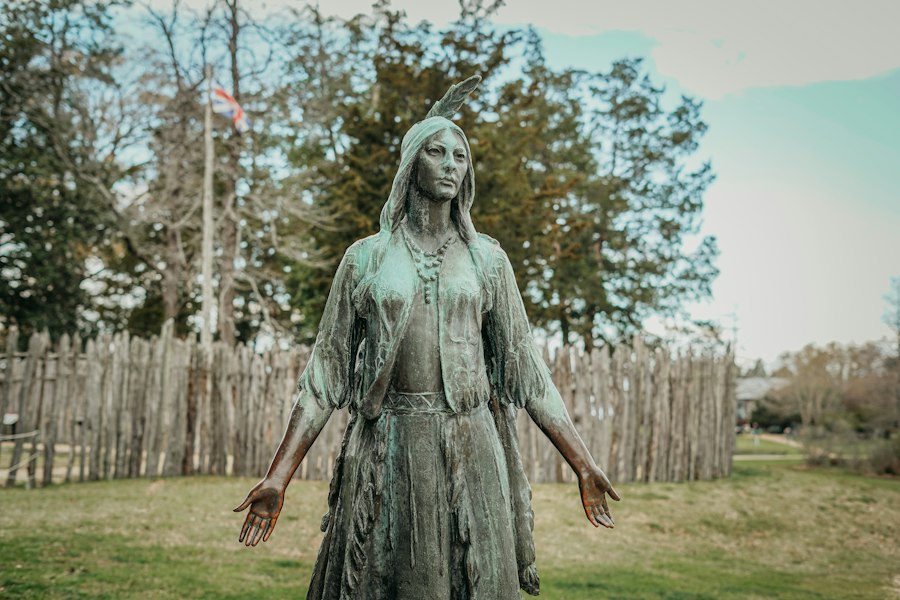
The cumulative evidence led to the poignant nickname “Jane” for this young woman, a name that encapsulated both her human identity and the desperate circumstances of her demise. Her story, pieced together from the silent testimony of her bones, began to emerge from the depths of history. She was no longer just a nameless skeleton; she was a young girl, likely an immigrant, who had traveled across the Atlantic only to face unimaginable horrors in the fledgling colony.
The Journey Across the Atlantic
Isotopic analysis helped to confirm that Jane was likely of English origin, having spent her formative years in Britain before making the perilous journey to the New World. This underscores the hopes and dreams that many brought with them to Jamestown, dreams that were cruelly shattered by the realities of the settlement. Her youth meant she was likely one of the many who accompanied more experienced colonists, perhaps an indentured servant or a child of settlers.
A Life Cut Short by Desperation
The combination of skeletal trauma and evidence of hardship painted a tragic picture of Jane’s final days. She was not the only victim of the Starving Time, but her remains offered the most direct and undeniable evidence of the extreme measures taken by the colonists. Her story became a powerful, visceral reminder of the human cost of colonial expansion and the brutal realities that underpinned the survival of Jamestown.
The Ethical and Emotional Impact of the Discovery
The identification of Jane as a victim of cannibalism had a profound emotional and ethical impact on the archaeologists and the wider public. It forced a confrontation with the darkest aspects of human history, challenging romanticized notions of early colonial life. The discovery brought a visceral reality to the often-abstract accounts of the Starving Time, making it impossible to ignore the sheer desperation that drove individuals to such extremes. It raised questions about how to ethically represent and remember such a traumatic event and the individuals who endured it.
The discovery of the William West skeleton in Jamestown has sparked significant interest in the early colonial period and its implications for understanding the lives of settlers. This topic is intricately connected to broader themes of exploration and the challenges faced by early Americans, which can also be seen in discussions about the militarization of deep space logistics. For a deeper dive into how these themes of exploration and security have evolved over time, you can read more in this article about the militarization of space. The connections between past and present highlight the ongoing human quest for survival and dominance in uncharted territories. You can find the article here: militarization of deep space logistics.
Understanding the Wider Implications of “Jane”
| Metric | Data |
|---|---|
| Name | William West |
| Location Found | Jamestown, Virginia |
| Estimated Age at Death | Approximately 25-30 years |
| Time Period | Early 17th Century (circa 1607-1610) |
| Cause of Death | Unknown (subject to archaeological study) |
| Significance | One of the earliest English settlers’ remains found at Jamestown |
| Condition of Skeleton | Partial skeleton with well-preserved bones |
| Notable Findings | Evidence of early colonial diet and health conditions |
The discovery of “Jane” and the revelation of her fate transcended the simple act of unearthing a historical artifact. It provided crucial scientific validation for the most harrowing accounts of the Starving Time and offered a powerful human face to this grim period. The implications of her story resonate far beyond the boundaries of Jamestown itself.
Validating Historical Accounts
For decades, the stories of cannibalism during the Starving Time were often debated, sometimes dismissed as exaggerations or sensationalism. The undeniable skeletal evidence of Jane’s remains provided irrefutable scientific validation for these accounts. It confirmed that the historical narratives, as grim as they were, accurately reflected the horrifying reality faced by the early Jamestown settlers. This validation is crucial for understanding the true challenges and sacrifices involved in establishing the first permanent English settlement.
A More Nuanced Understanding of Colonial History
The story of “Jane” contributes to a more nuanced and complex understanding of colonial history. It moves beyond a simple narrative of heroic pioneers and showcases the brutal realities, the desperate measures, and the immense suffering that were also part of this foundational period. It highlights that survival often came at a tremendous moral and physical cost, forcing individuals to make impossible choices. This understanding is vital for a complete and accurate historical perspective.
The Power of Forensic Archaeology in Reclaiming Lost Narratives
The discovery of Jane serves as a powerful testament to the capabilities of modern forensic archaeology. Through meticulous excavation, advanced scientific analysis, and interdisciplinary collaboration, archaeologists can unearth and interpret evidence that allows us to reclaim lost narratives and give voice to individuals whose stories might otherwise have remained buried forever. The bones of “Jane,” once silent and forgotten, now speak volumes, reminding us of the enduring human spirit and the dark corners of history that science can illuminate. Her story, a tragedy etched in bone, will forever be a part of the Jamestown legacy.
Jamestown DNA Revealed a Family Secret Hidden for 400 Years
FAQs
What is the significance of the William West Jamestown skeleton?
The William West Jamestown skeleton is significant because it is one of the earliest known examples of a European settler in North America.
How was the William West Jamestown skeleton discovered?
The William West Jamestown skeleton was discovered during an archaeological excavation in Jamestown, Virginia in 2013.
What do we know about William West based on the skeleton?
Based on the skeleton, researchers were able to determine that William West was a European male who lived in the early 17th century and likely died in his late 30s.
What can the study of the William West Jamestown skeleton tell us about early colonial life?
Studying the William West Jamestown skeleton can provide insights into the health, diet, and living conditions of early European settlers in North America.
Are there any ongoing research or studies related to the William West Jamestown skeleton?
Researchers continue to study the William West Jamestown skeleton to learn more about his life, as well as to gain a better understanding of the early history of Jamestown and the broader colonial period.