Unearthing Jamestown: Skeleton Discovery Sheds Light on Early Settlers
The story of Jamestown, America’s first permanent English settlement, is a narrative etched in hardship, resilience, and ultimately, survival. For centuries, its archaeological record has offered tantalizing glimpses into the lives of those who dared to establish a foothold on the shores of Virginia in 1607. However, recent groundbreaking discoveries have pushed the boundaries of our understanding, offering an unprecedented, intimate look at the struggles faced by these early colonists. The unearthing of a remarkably preserved human skeleton, believed to be that of a young colonist, has ignited a new wave of research and public fascination, providing a visceral connection to the individuals whose sacrifices laid the foundation for a nation.
The Jamestown Rediscovery project, a long-standing archaeological endeavor, has consistently unearthed artifacts that paint a picture of daily life, from tools and weaponry to domestic items. Yet, the discovery of skeletal remains, particularly one so well-preserved and potentially identifiable, represents a paradigm shift. It moves beyond the general narrative of colonial existence and delves into the specific experiences of an individual, offering a direct window into their health, diet, and even the circumstances of their death. This article will explore the significance of this skeletal find, delving into the methods of its recovery, the scientific analyses that have been, and will continue to be, undertaken, and the profound implications for our understanding of the Jamestown experience.
The discovery was not a chance encounter but the result of meticulous, decades-long archaeological work within the confines of Historic Jamestowne, the original island site of the settlement. For years, archaeologists have painstakingly excavated the area, carefully sifting through layers of soil that hold the secrets of the past. The search for the original Jamestown fort, lost for centuries, has been a primary objective, and it was within the projected footprint of this palisade that the skeleton was found.
A Glimpse into the Fort’s Heart
The location of the skeletal remains is of paramount importance. The discovery was made within what is believed to be a former trash pit, a common site for the disposal of refuse, waste, and unfortunately, the deceased, particularly during times of extreme hardship. This context suggests that the individual likely succumbed during the early, perilous years of the settlement, a period notoriously marked by disease, starvation, and conflict with the indigenous Powhatan Confederacy. The fact that the skeleton was found within the fort’s palisade, rather than outside its boundaries, further reinforces the notion that this individual was a member of the struggling English community.
The Preservation Puzzle
The remarkable state of preservation of the skeleton is a significant aspect of the discovery. While organic materials often decay rapidly in the ground, certain soil conditions can lead to exceptional preservation. In this case, the sediment composition, combined with the absence of factors that typically accelerate decomposition, has allowed for the retention of skeletal structure, and potentially, even soft tissues or traces of them. This level of preservation is rare and offers a wealth of information that would be lost with less intact remains.
The Moment of Discovery
The archaeological team, accustomed to uncovering a multitude of artifacts, likely experienced a unique mix of scientific curiosity and solemn respect upon encountering the human remains. The process of excavation around such a find is exceptionally delicate. Every grain of soil is carefully removed, and each bone is meticulously documented in situ before being extricated. The hope is always to recover as much contextual information as possible – the precise orientation of the body, the presence of any associated grave goods or artifacts, and the surrounding soil layers – all of which contribute to the narrative of the individual’s life and death.
The recent discovery of skeletons belonging to Jamestown settlers has sparked significant interest in the early colonial history of America. This archaeological find sheds light on the hardships faced by the settlers and their adaptation to the New World. For those intrigued by historical events and their implications on modern society, an article discussing the potential impact of economic shifts, such as whether to sell a house before a dollar collapse, can provide a fascinating perspective on how history often influences present-day decisions. You can read more about this topic in the article found here: Should I Sell My House Before Dollar Collapse?.
Peeling Back the Layers: Scientific Analysis in Progress
The discovery of the skeleton is merely the beginning of a long and intricate scientific investigation. Modern archaeological science offers a powerful suite of tools to extract information from even the smallest fragments of bone. The aim is to reconstruct not just the physical appearance of this early settler, but also aspects of their life, health, and identity.
Osteological Examination: The Bones Tell a Story
The initial phase of analysis involves a thorough osteological examination. This is a detailed study of the bones themselves, carried out by forensic anthropologists and bioarchaeologists. They will meticulously record the sex, age at death, stature, and any signs of disease, trauma, or nutritional deficiencies evident in the skeletal structure.
Determining Age and Sex
The fusion of bones and the development of certain skeletal features allow for a reasonably accurate determination of age at death. For example, the state of the epiphyseal fusion in long bones is a key indicator for younger individuals, while changes in the pubic symphysis and cranial sutures provide clues for adults. Similarly, distinct differences in pelvic structure and cranial features between males and females enable the determination of biological sex.
Reconstructing Stature and Build
Measurements of long bones, such as the femur and tibia, can be used to estimate the individual’s living height. The robusticity and muscular attachments on the bones can also provide insights into their physical build and the types of labor they might have performed.
Evidence of Disease and Malnutrition
The skeleton can bear silent witness to the hardships of colonial life. Signs of chronic diseases, such as arthritis, tuberculosis, or syphilis, may be visible. Evidence of severe malnutrition, like Harris lines (growth arrest lines on long bones) or porotic hyperostosis (porous bone on the skull), can indicate periods of prolonged food scarcity or poor diet.
Identifying Trauma and Cause of Death
Any evidence of fractures, whether healed or unhealed, can indicate injuries sustained during life. This could be from accidents, violence from indigenous peoples, or even infighting among the colonists. While determining the exact cause of death solely from skeletal remains can be challenging, certain pathologies or the presence of foreign objects embedded in the bone can offer clues.
Isotopic Analysis: A Window into Diet and Origin
Beyond the direct examination of bone structure, advanced techniques like isotopic analysis can unlock secrets about an individual’s diet and geographical origin. By analyzing the ratios of stable isotopes of elements like carbon, nitrogen, oxygen, and strontium within the bones and teeth, scientists can infer what the person ate and where they might have lived before arriving in Jamestown, or even during their time there.
Dietary Reconstruction
The ratios of carbon and nitrogen isotopes, in particular, can reveal the primary sources of protein and carbohydrates in an individual’s diet. This can help distinguish between diets rich in marine resources, terrestrial plants, or animal products. This is crucial for understanding the dietary challenges and adaptations of the Jamestown settlers.
Tracing Geographical Origins
Strontium isotope ratios in teeth and bones can act as a geographical marker. As an individual grows, their teeth incorporate strontium from the local environment. Analyzing these ratios can help determine if the individual grew up in England or in a different part of the world, and even if they spent time in different geographical locations within the colony.
Ancient DNA Analysis: Unveiling Identity
Perhaps the most exciting frontier of modern bioarchaeology is the potential for ancient DNA (aDNA) analysis. If enough viable DNA can be extracted from the skeleton, it could offer unprecedented insights into the individual’s genetic makeup, ancestry, and potentially even provide clues to their identity.
Ancestry and Genetic Heritage
Ancient DNA can reveal the individual’s genetic ancestry, providing insights into their familial origins within England or beyond. This could help understand the diverse backgrounds of the early colonists.
Potential for Identifying Individuals
While challenging, in some cases, aDNA analysis can be compared to existing genealogical records or DNA databases. If the skeleton belongs to a historically documented individual, it might be possible to link the genetic data to a specific name, revolutionizing our understanding of that person’s life.
The Historical Context: Jamestown’s Crucible
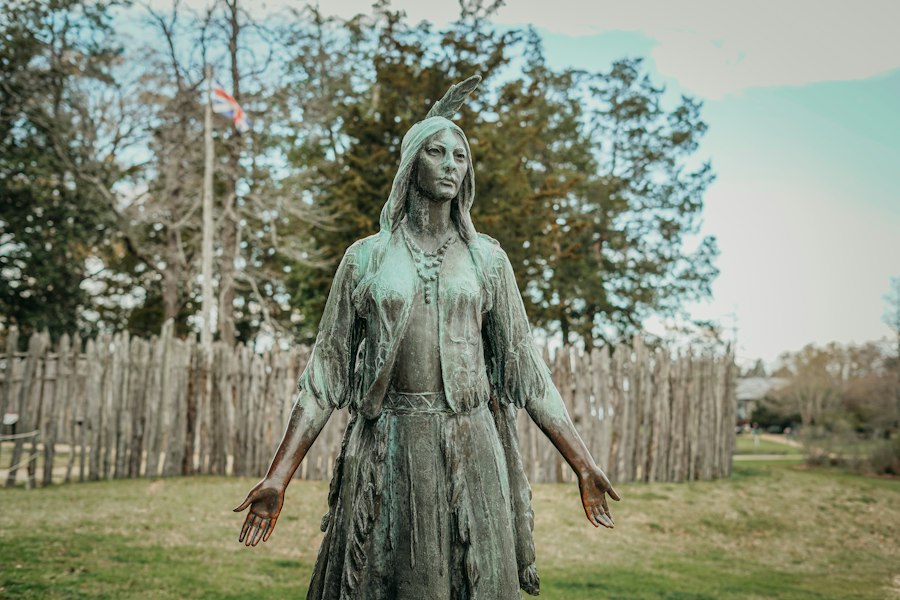
The discovery of this skeleton must be understood within the brutal context of Jamestown’s early years. The settlement was plagued by a multitude of challenges, and the individual discovered likely endured immense suffering. This skeletal find serves as a tangible reminder of those immense struggles.
The “Starving Time” and Beyond
The period between 1609 and 1610, known as the “Starving Time,” stands out as a particularly devastating chapter in Jamestown’s history. During this period, the colony was besieged by the Powhatan Confederacy, supply ships were delayed, and the settlers faced widespread famine. Accounts from the time describe horrific acts of cannibalism as a last resort for survival. The skeletal remains may well offer direct evidence of such desperate measures, or the ravages of starvation and disease that claimed the lives of so many.
Relations with the Powhatan Confederacy
The relationship between the English settlers and the indigenous Powhatan people was complex and fraught with tension. While there were periods of trade and tentative peace, conflict was also a recurring reality. The skeleton’s bones might reveal injuries sustained during skirmishes, providing concrete evidence of the violence that characterized these early encounters.
Disease and Public Health
The unsanitary conditions of the early settlement, coupled with the introduction of new diseases to which the colonists had no immunity, led to widespread illness. The skeletal analysis will be crucial in identifying common ailments that afflicted the settlers and understanding the impact of disease on the population.
A Tangible Link to the Past: Implications for Historical Understanding
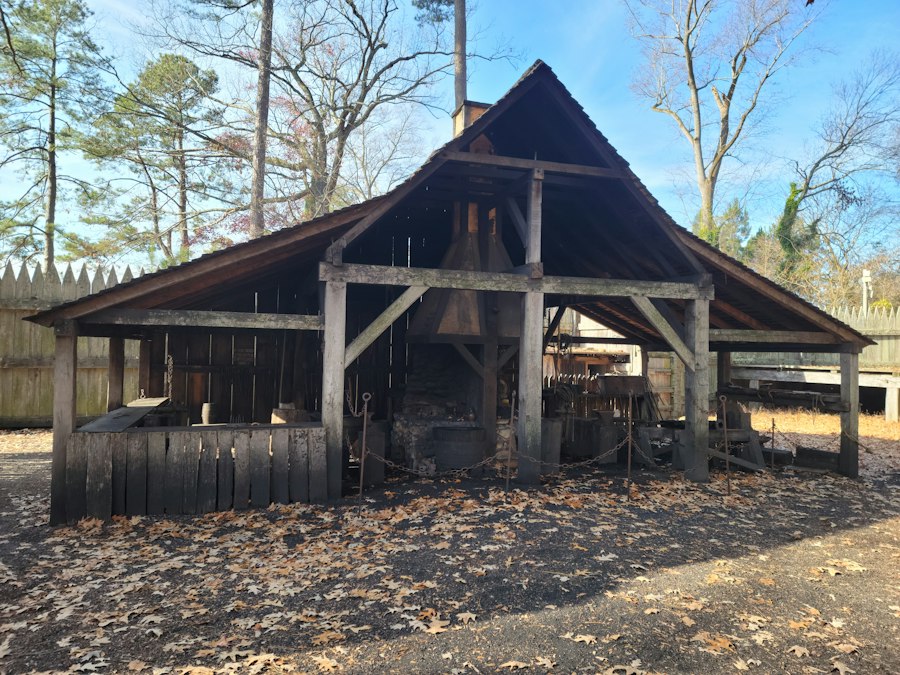
The unearthing of this skeleton is not just an archaeological event; it is a profound historical moment. It offers a tangible, human connection to the individuals whose bravery and endurance shaped the course of American history. The insights gained from its analysis will undoubtedly reshape our understanding of the Jamestown experience.
Humanizing the Narrative
History books often present colonial settlers as abstract figures, defined by their roles in grand events. This skeleton, however, represents a real person, with a life, a diet, and an eventual death. This human element makes the past more relatable and fosters a deeper empathy for the challenges faced by these early pioneers.
Filling the Gaps in the Historical Record
While written accounts from Jamestown exist, they are often biased, incomplete, or focus on the actions of prominent figures. Skeletal remains offer an independent source of information that can corroborate, contradict, or fill in the gaps left by written records, providing a more nuanced and accurate historical picture.
Informing Future Preservation Efforts
Understanding the conditions that led to the preservation of this skeleton, as well as the types of environmental factors that can degrade human remains, is crucial for future archaeological work. The lessons learned can inform best practices for the excavation, conservation, and curation of human remains found at historical sites.
The recent discovery of skeletons belonging to the Jamestown settlers has shed new light on the early days of American colonization, revealing insights into their struggles and daily lives. This fascinating find is part of a broader narrative about how human endeavors, whether on land or in space, are often fraught with challenges and governance issues. For a deeper understanding of the complexities surrounding control and authority in uncharted territories, you can explore this related article on space governance.
The Future of Jamestown Archaeology: A New Era of Discovery
| Metric | Details |
|---|---|
| Discovery Year | 2013 |
| Location | Jamestown, Virginia, USA |
| Number of Skeletons Found | Approximately 30 |
| Estimated Date of Death | 1609-1610 (Starving Time) |
| Cause of Death | Starvation, disease, possible violence |
| Significance | Provides insight into early colonial hardships and mortality |
| Archaeological Team | Jamestown Rediscovery Project |
| Notable Findings | Signs of malnutrition, trauma, and burial practices |
The discovery of this skeleton marks a significant milestone in the ongoing work at Historic Jamestowne. It heralds a new era of archaeological investigation, one that increasingly leverages cutting-edge scientific technologies to unlock the secrets of the past.
Interdisciplinary Collaboration
The analysis of this skeleton will require a close collaboration between archaeologists, anthropologists, geneticists, historians, and other specialists. This interdisciplinary approach is essential for a comprehensive understanding of the findings and their broader historical significance.
Public Engagement and Education
The story of this skeleton’s discovery has already captured the public imagination. Continued efforts to share the findings through exhibitions, publications, and digital platforms will be crucial for educating the public about the importance of archaeological research and the enduring legacy of Jamestown.
The Ongoing Quest for the Lost Fort
While this discovery is monumental, the search for the full extent of the original Jamestown fort continues. Future excavations within its projected boundaries may yield further skeletal remains or artifacts that will continue to deepen our understanding of this pivotal period in American history. The meticulous work of the Jamestown Rediscovery project, fueled by such extraordinary finds, promises to keep unearthing the stories of those who dared to build a new world. The skeleton, once a silent inhabitant of the earth, now speaks volumes, a poignant testament to the lives and sacrifices of Jamestown’s earliest settlers.
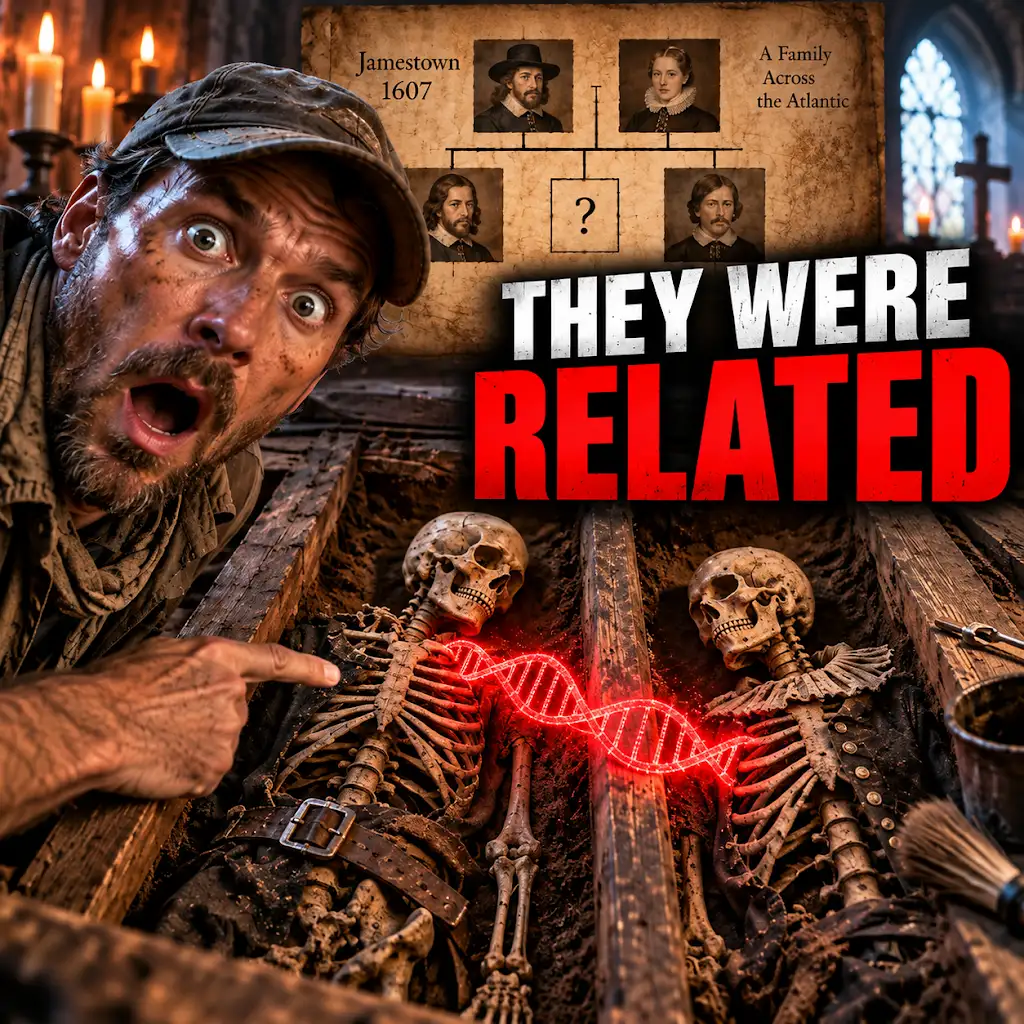
Jamestown DNA Revealed a Family Secret Hidden for 400 Years
FAQs
What was discovered at Jamestown related to the settlers?
The remains of four early Jamestown settlers were discovered during an archaeological dig in Jamestown, Virginia.
When were the skeletons discovered?
The skeletons were discovered in 2013 during an excavation at the site of the original Jamestown settlement.
What information did the skeletons provide about the early settlers?
The skeletons provided valuable information about the early settlers’ lives, including their diets, health, and causes of death.
How were the skeletons identified?
The skeletons were identified through a combination of historical records, forensic analysis, and DNA testing.
What significance do the skeletons hold for understanding Jamestown’s history?
The discovery of the skeletons has helped researchers gain a better understanding of the challenges faced by the early Jamestown settlers, as well as their daily lives and experiences.