Uncovering Family Ties: DNA Reveals Hidden Relationships
For centuries, the tapestry of family has been woven through stories, photographs, and whispered secrets passed down through generations. Yet, some threads have remained stubbornly elusive, leaving individuals to ponder the origins of their heritage and the faces of ancestors lost to time. In the modern era, a revolutionary tool has emerged, capable of illuminating these obscured connections and rewriting the narratives of kinship: DNA. The simple act of spitting into a tube or rubbing a swab on the inside of one’s cheek has unlocked a Pandora’s Box of genealogical revelations, exposing hidden relationships, confirming suspected links, and forging bonds that were previously unknown.
The profound ability of DNA to reveal family ties lies in its fundamental structure and how it is inherited. Deoxyribonucleic acid, or DNA, is the blueprint of life, containing the genetic instructions that determine an individual’s traits. It is passed down from parents to children, with each individual inheriting approximately 50% of their DNA from their mother and 50% from their father. This inheritance pattern, while complex, creates unique genetic signatures that can be traced and compared.
Autosomal DNA: The Broad Spectrum of Connection
The most commonly used type of DNA for genealogical purposes is autosomal DNA. This DNA is found in the 22 pairs of non-sex chromosomes that are inherited from both parents. Autosomal DNA is passed down randomly from all of your ancestors, making it ideal for identifying relatives across many generations.
Understanding Inheritance Patterns
When individuals share autosomal DNA, it is a strong indicator of a familial relationship. The amount of DNA shared can also provide clues about the closeness of that relationship. For example, full siblings are likely to share a significant percentage of their autosomal DNA, while a third cousin will share a much smaller, but still detectable, amount. Companies that offer DNA testing analyze these shared segments and compare them against a vast database of other users, identifying individuals who have a statistically significant amount of DNA in common.
The Importance of Shared Segments
The analysis of shared DNA segments, measured in centimorgans (cM), is crucial. A higher number of shared cM generally indicates a closer relationship. However, the relationship between cM and actual familial distance is not always linear. Genetic recombination, the process by which chromosomes exchange genetic material during reproduction, can lead to variations in the amount of shared DNA even between closely related individuals. This is why DNA testing results are often presented as probabilities rather than definitive declarations of relationship.
Mitochondrial DNA (mtDNA): Tracing the Maternal Lineage
While autosomal DNA provides a broad overview of ancestral connections, mitochondrial DNA (mtDNA) offers a specific window into one’s maternal lineage. mtDNA is inherited exclusively from the mother, as it is located in the mitochondria within the egg cell, and sperm mitochondria are typically not passed on to the embryo. This means that one’s mtDNA is identical to their mother’s, grandmother’s mother’s, and so on, stretching back through their maternal line.
A Direct Link to the Matriarch
The advantage of mtDNA testing is its ability to trace a direct maternal line without the complications of recombination seen in autosomal DNA. This can be invaluable for researchers trying to pinpoint specific maternal ancestors or confirm a maternal connection when other records are scarce. However, due to its maternal inheritance, mtDNA only provides information about one specific ancestral line and does not reveal relationships through paternal or other ancestral branches.
Haplogroups and Deep Ancestry
mtDNA analysis can also reveal haplogroups, which are large groups of people who share a common ancestral mutation in their mtDNA. These haplogroups can indicate deep ancestral origins and migration patterns, providing a broader understanding of where one’s maternal ancestors may have originated tens of thousands of years ago.
Y-DNA: The Paternal Chronicle
Complementing mtDNA’s maternal insight, Y-DNA analysis focuses on the Y chromosome, which is exclusively present in males. The Y chromosome is passed down from father to son, making it the ideal tool for tracing paternal lineages. Similar to mtDNA, Y-DNA does not undergo recombination in the same way as autosomal DNA, allowing for a more direct and consistent inheritance of genetic markers.
Following the Father’s Footsteps
For men, Y-DNA testing can confirm paternal relationships and reveal connections to distant paternal relatives. By comparing Y-DNA profiles, individuals can identify others who share a common paternal ancestor, potentially unearthing previously unknown branches of their family tree. This can be particularly useful for surname studies or for individuals seeking to connect with their paternal heritage, especially in cases of adoption or when family records are incomplete.
Surname Projects and Ancient Migrations
Y-DNA testing has also been instrumental in the formation of surname projects, where men with the same surname can pool their genetic data to identify common ancestral origins for that name. Furthermore, Y-DNA haplogroups can shed light on ancient human migrations, revealing the paths taken by early male populations across continents.
In exploring the fascinating connections that DNA can unveil about our ancestry, a related article discusses the increasing economic ties between China and Mexico, highlighting how these partnerships can influence global dynamics. This article, titled “China’s Investment in Mexican Factories: A Growing Partnership,” provides insights into how international relationships can shape cultural and familial ties across borders. For more information, you can read the article here: China’s Investment in Mexican Factories: A Growing Partnership.
The Unexpected Discoveries: Unveiling Hidden Relatives and Surprising Kinships
Perhaps the most compelling aspect of DNA-based family research is the sheer potential for unexpected discoveries. While many individuals embark on DNA testing with specific questions in mind – perhaps to confirm a family rumor or to connect with a known distant relative – the results often bring forth entirely unknown connections that can be both startling and deeply enriching.
Beyond the Known Family Tree: Cousins You Never Knew You Had
For many, the most common revelation is the discovery of numerous cousins they never knew existed. These “new” relatives might be living across the country or even on different continents, their lives unfolding entirely separate from the tester’s own until a shared ancestral link is revealed through DNA. This can lead to the creation of entirely new branches on the family tree, offering fresh perspectives on family history and expanding one’s social network with individuals who share a profound, albeit previously unrecognized, bond.
Navigating New Relationships
The process of connecting with these newfound relatives can be a journey in itself. Initial contact may involve a mix of excitement, curiosity, and even a degree of apprehension. However, with open communication and a shared interest in family history, these nascent relationships can blossom into meaningful connections, fostering a sense of belonging and shared identity.
Bridging Generational Gaps
These discoveries are not limited to contemporaries. DNA testing can also bridge generational gaps, revealing connections to ancestors several generations removed who might have been lost to historical records or family lore. This can bring a sense of completeness to one’s understanding of their lineage, providing a tangible link to those who came before.
Recent advancements in genetic testing have uncovered surprising family connections, as highlighted in an article discussing how DNA can reveal hidden relationships. This fascinating exploration into our genetic makeup not only sheds light on ancestry but also raises important questions about privacy and the implications of sharing our genetic information. For more insights on the intersection of genetics and personal rights, you can read this informative piece on what the government can confiscate at this link.
Adoption and Identity: Finding Biological Roots
One of the most profound applications of DNA testing lies in its ability to assist adoptees in finding their biological families. For individuals who have grown up without knowledge of their birth parents, DNA can provide a crucial first step in understanding their genetic heritage and potentially locating birth relatives.
The Search for Origins
The emotional weight of adoption is immense, and the desire to understand one’s origins is often a deeply ingrained human need. DNA testing, by connecting adoptees with biological relatives who have also tested, can offer answers to long-held questions about identity, health predispositions, and family history. This journey can be emotionally complex, requiring careful navigation and support for all parties involved.
Ethical Considerations and Reunion
The process of DNA-facilitated reunion for adoptees and biological families involves significant ethical considerations. Consent, privacy, and emotional preparedness are paramount. While DNA can initiate a connection, the subsequent relationship development requires sensitivity and respect from all individuals involved.
Uncovering Ancestral Secrets: Illegitimacy, Adoptions, and Hidden Paternity
Beyond simply finding more relatives, DNA can also uncover deeply buried family secrets. These might include instances of illegitimacy, undisclosed adoptions, or even paternities that were never acknowledged. The genetic code, unlike human memory, does not lie.
The Unvarnished Truth
When DNA results contradict long-held family narratives, it can be a challenging experience. However, for many, the clarity and truth offered by genetic analysis are ultimately more valuable than perpetuating a falsehood. These revelations, while potentially upsetting, can lead to a more authentic understanding of one’s lineage and family dynamics.
Reconstructing Family Histories
The ability of DNA to expose these hidden truths allows for a more accurate reconstruction of family histories. It can bring closure to generations of unanswered questions and provide a foundation for a more truthful and complete understanding of one’s ancestry.
DNA Testing Companies: Navigating the Landscape of Genetic Genealogy
The burgeoning field of genetic genealogy has been propelled by a growing number of companies offering DNA testing services. Each company utilizes different methodologies and databases, making the choice of which service to use a significant decision for individuals seeking to uncover their family ties.
Major Players in the Market
Several prominent companies dominate the DNA testing market, each with its own strengths and specializations. These include AncestryDNA, 23andMe, MyHeritage DNA, and FamilyTreeDNA. These companies have amassed vast databases of genetic information, increasing the likelihood of finding matches and uncovering familial connections.
AncestryDNA: The Largest Database
AncestryDNA boasts the largest autosomal DNA database, making it a popular choice for those seeking to find the most potential matches. Their platform also integrates seamlessly with Ancestry.com’s extensive historical records, providing a powerful combination of genetic and documentary research.
23andMe: Beyond Genealogy
23andMe offers a dual approach, providing both genealogical insights and detailed health predisposition reports. Their focus on health genetics can be appealing to those interested in understanding potential inherited health risks alongside their ancestry.
MyHeritage DNA: Global Reach
MyHeritage DNA is particularly strong in connecting individuals with European ancestry and has a significant user base in Europe. Their platform also emphasizes the creation of family trees and includes tools for historical research.
FamilyTreeDNA: Specializing in Y-DNA and mtDNA
FamilyTreeDNA is renowned for its specialized Y-DNA and mtDNA testing, making it the go-to choice for individuals focused on tracing specific paternal or maternal lines with greater depth.
Interpreting Your Results: The Art and Science of DNA Matching
Receiving DNA results is just the beginning of the genealogical journey. Understanding these results, particularly the shared centimorgan (cM) amounts and estimated relationships, requires a blend of scientific interpretation and careful genealogical research.
The Importance of Centimorgans (cM)
As previously mentioned, centimorgans are the units used to measure the amount of shared DNA between individuals. Each DNA testing company provides a breakdown of shared cM, which is then used to estimate the degree of relationship. However, it is crucial to remember that these are estimates, and actual relationships can vary due to the randomness of genetic inheritance.
Beyond the Initial Match: Building Your Family Tree
A DNA match is rarely enough on its own to definitively prove a relationship. The real work begins when individuals use these matches as clues to build and expand their family trees. Cross-referencing DNA matches with historical records, such as birth certificates, marriage licenses, census data, and obituaries, is essential for confirming relationships and understanding the context of these newfound connections.
The Role of Ancestral DNA Research
When initial matches don’t immediately reveal a clear connection, ancestral DNA research becomes paramount. This involves delving into the documented family histories of both the tester and their matches to identify common ancestors. Often, a match might be a distant cousin, and the shared ancestor could be several generations back.
Ethical Considerations and the Future of DNA-Based Genealogy
As DNA technology becomes more accessible and its applications expand, important ethical considerations come to the forefront. The responsible use of genetic information and the impact on individuals and families are crucial aspects of this evolving field.
Privacy and Data Security
The vast amount of personal genetic information collected by DNA testing companies raises concerns about privacy and data security. Users must be aware of how their data is stored, used, and protected. Understanding the terms of service and privacy policies of these companies is essential.
Consent and Control
The ethical use of genetic data hinges on informed consent. Individuals should have control over how their DNA information is shared and utilized. The potential for DNA data to be accessed by law enforcement or used for purposes beyond genealogical research necessitates careful consideration and robust privacy measures.
The “Genetic Sommelier” and the Future of Personalization
As the science of DNA analysis advances, the potential for highly personalized insights grows. Beyond ancestry, future applications might include personalized nutrition, fitness recommendations, and even tailored medical treatments based on an individual’s genetic makeup. The concept of a “genetic sommelier” – someone who can interpret complex genetic data for individuals – might become increasingly relevant.
The Impact on Family Dynamics and Societal Perceptions
The revelations brought about by DNA testing can have a profound impact on family dynamics. Some families may find their narratives strengthened and enriched, while others may face challenges as previously hidden truths come to light. Societal perceptions of family, kinship, and identity are also being reshaped by the increasing awareness of genetic connections.
Redefining Family
In an era where traditional family structures are diverse and evolving, DNA testing offers a powerful tool for understanding the biological underpinnings of kinship. It can help individuals connect with biological relatives they may never have known, expanding their sense of family and belonging.
The Ever-Expanding Tapestry of Humanity
Ultimately, DNA-based family research is not just about uncovering individual family trees; it is about understanding the interconnectedness of humanity. By revealing our shared genetic heritage, DNA technology offers a unique perspective on the vast and intricate tapestry of human migration, evolution, and the enduring bonds of kinship that have shaped our species for millennia. The ongoing exploration of our genetic past promises to continue revealing hidden relationships and rewriting the stories of who we are and where we come from.
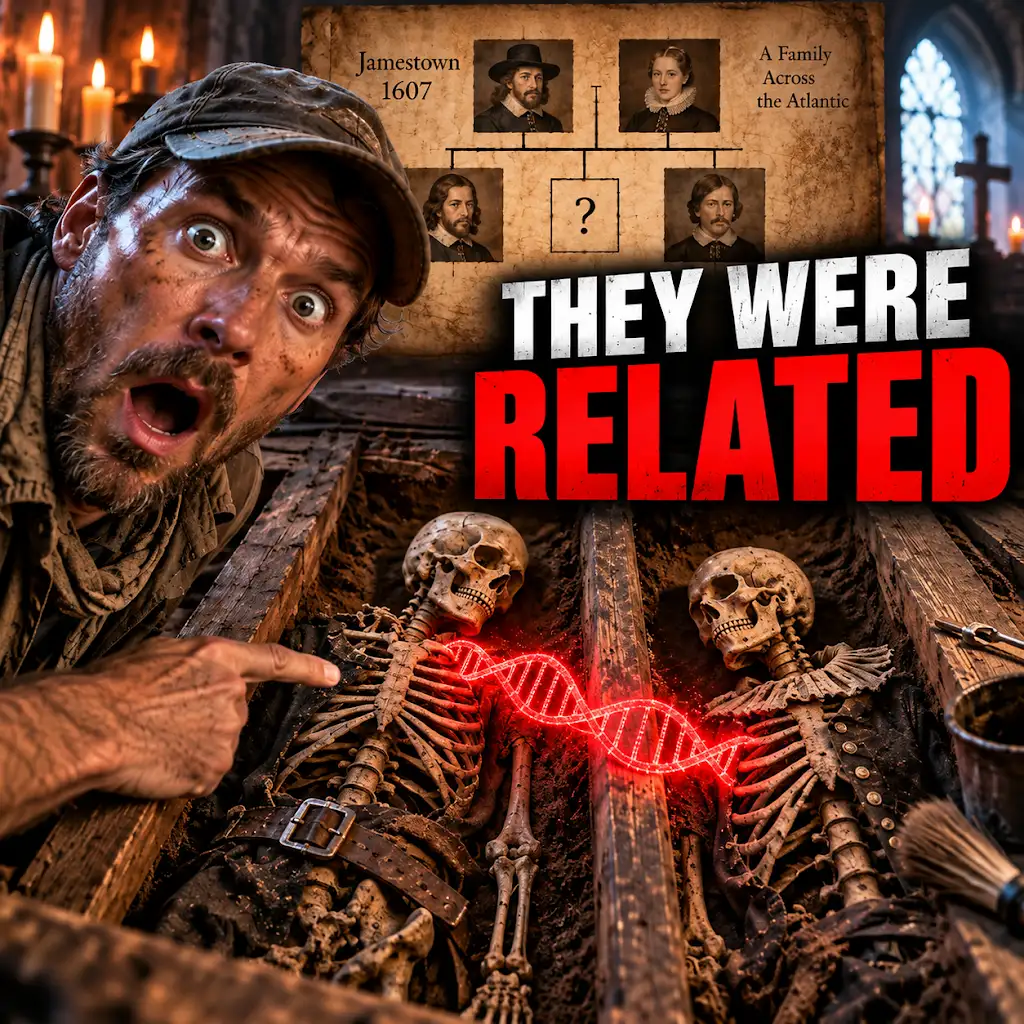
Jamestown DNA Revealed a Family Secret Hidden for 400 Years
FAQs
What is the significance of DNA in revealing hidden family relationships?
DNA testing can provide concrete evidence of biological relationships between individuals, uncovering hidden family connections that may not be apparent through traditional genealogical research.
How does DNA testing work to reveal family relationships?
DNA testing compares specific genetic markers between individuals to determine the likelihood of a shared biological relationship. By analyzing these markers, scientists can identify common ancestry and establish familial connections.
What types of family relationships can be revealed through DNA testing?
DNA testing can uncover various family relationships, including parent-child relationships, sibling relationships, grandparent-grandchild relationships, and more distant connections such as cousins or extended family members.
Can DNA testing confirm or deny paternity?
Yes, DNA testing is commonly used to establish paternity by comparing the genetic markers of a child with those of a potential father. The results can definitively confirm or exclude paternity with a high degree of accuracy.
Are there any limitations or inaccuracies associated with DNA testing for family relationships?
While DNA testing is highly accurate in determining family relationships, there can be limitations due to factors such as sample quality, testing methods, and the complexity of genetic inheritance. It is important to consult with a genetic counselor or healthcare professional for a comprehensive understanding of DNA testing results.