Unraveling History: Ancient DNA and Genealogy
The Whispers of the Past
For millennia, humanity has been captivated by its origins. From the earliest cave paintings to grand historical epics, the desire to understand where we come from, who our ancestors were, and how we arrived at our present moment has been a driving force. Traditionally, this quest relied on the fragmented and often biased records left behind: written accounts, archaeological discoveries, and oral traditions. While these sources have painted a rich tapestry of human history, they often present incomplete narratives, riddled with gaps and subject to interpretation. The advent of ancient DNA (aDNA) analysis has, in recent decades, opened an entirely new, revolutionary chapter in this ongoing human endeavor. It provides a direct, biological window into the past, allowing us to bypass the limitations of traditional historical methods and hear the whispers of our ancestors in a way never before possible. This powerful scientific tool is not only transforming our understanding of human migration, evolution, and societal development but is also deeply entwining with the burgeoning field of personal genealogy, offering individuals unprecedented insights into their own ancestral journeys.
Recent advancements in ancient DNA research have significantly impacted the field of historical genealogy, providing insights into the genetic makeup of our ancestors and their migrations. A fascinating article that explores the implications of these findings can be found at this link. This piece discusses how the integration of genetic data into genealogical studies is reshaping our understanding of lineage and heritage, revealing connections that were previously obscured by time.
The Dawn of Ancient DNA: A Scientific Revolution
The ability to extract and analyze DNA from ancient remains, such as bones, teeth, and even preserved tissues, has been a game-changer. This field, known as paleogenetics, has moved from theoretical possibility to a robust scientific discipline, pushing the boundaries of what we can learn about our deep past. The initial breakthroughs were painstakingly slow, hampered by the degradation of DNA over time and the challenges of contamination. However, advancements in DNA sequencing technologies, particularly next-generation sequencing (NGS), have dramatically increased the speed, accuracy, and depth of analysis, making it possible to reconstruct genomes from samples that were once considered unusable. This technological leap has enabled scientists to delve into the genetic makeup of individuals who lived thousands, and even tens of thousands, of years ago, offering concrete data points that complement and sometimes challenge existing historical and archaeological hypotheses.
Early Challenges and Breakthroughs
The very idea of recovering DNA from ancient sources was met with skepticism. DNA, a fragile molecule, is susceptible to degradation from environmental factors like heat, moisture, and microbial activity. Early attempts to extract DNA from fossils often resulted in short, fragmented pieces that were difficult to piece together. Contamination from modern DNA, either from researchers or the environment, also posed a significant hurdle. Despite these obstacles, pioneering researchers persisted, developing more sophisticated extraction techniques and stringent protocols to minimize contamination. The first successful retrieval and analysis of ancient DNA from a Neanderthal femur in 1997 marked a pivotal moment, confirming that it was indeed possible to glean genetic information from extinct human relatives. This initial success paved the way for further explorations, gradually expanding the scope and ambition of aDNA research.
Technological Advancements Fueling Discovery
The true explosion in aDNA research can be directly attributed to the development and refinement of high-throughput DNA sequencing technologies. Next-generation sequencing (NGS) allowed for the simultaneous sequencing of millions of DNA fragments, vastly increasing the efficiency and reducing the cost of genomic analysis. This meant that even highly degraded DNA samples, which previously yielded only tiny fragments, could now be analyzed comprehensively. Furthermore, advancements in bioinformatics and computational tools have become indispensable. These sophisticated algorithms are essential for reconstructing fragmented ancient genomes, identifying authentic ancient DNA sequences amidst a sea of contamination, and comparing them to modern human genomes and those of other ancient hominins. The iterative process of technological improvement and scientific discovery continues, promising even more profound insights in the years to come.
Reconstructing Ancestral Journeys: Migration and Evolution
Ancient DNA has fundamentally reshaped our understanding of human history, particularly in the realms of migration patterns and evolutionary development. By analyzing the genetic signatures of ancient populations, scientists can trace the movements of people across continents, identify admixture events between different groups, and even shed light on the biological adaptations that allowed humans to thrive in diverse environments. This genetic evidence provides a powerful complement to archaeological findings and linguistic studies, offering a more nuanced and detailed picture of how modern human populations came to be.
The Peopling of Continents
One of the most significant contributions of aDNA research has been in unraveling the complex narratives of human migration. By analyzing the genomes of individuals from various ancient populations, researchers have been able to reconstruct the pathways and timelines of how humans spread across the globe. For instance, studies of ancient Siberian DNA have provided crucial insights into the initial peopling of the Americas, suggesting multiple migration waves from Asia across the Bering Land Bridge. Similarly, aDNA from early European farmers has illuminated their spread from Anatolia, genetically transforming the continent over thousands of years and interacting with existing hunter-gatherer populations. This genetic mapping allows us to move beyond broad assumptions and identify specific ancestral components within populations, revealing the intricate tapestry of human dispersal.
Evolutionary Adaptations and Divergence
Beyond migration, ancient DNA provides a direct line of evidence for human evolution. By comparing the genomes of ancient hominins like Neanderthals and Denisovans with those of modern humans, scientists can identify genetic differences that may have contributed to distinct traits and adaptations. For example, the discovery of Neanderthal DNA in the genomes of non-African populations revealed that interbreeding occurred between Homo sapiens and Neanderthals as early as 50,000 years ago. This admixture has implications for our immune systems, skin pigmentation, and even our susceptibility to certain diseases. Furthermore, studying the evolution of specific genes related to diet, climate adaptation, and disease resistance in ancient populations offers a tangible glimpse into the biological pressures and selective forces that have shaped our species.
The Personal Connection: Ancient DNA and Genealogy
The exciting advancements in ancient DNA analysis are not confined to academic research labs. The field has rapidly intersected with the booming world of personal genealogy, offering individuals an unprecedented opportunity to connect with their ancestral past on a deeply personal level. Commercial DNA testing companies now provide ancestry reports that not only identify present-day ethnic and geographic origins but also increasingly incorporate insights derived from ancient DNA studies, painting a richer and more scientifically grounded picture of one’s heritage.
Beyond the Last Few Centuries
Traditional genealogical research often focuses on tracing family lines back as far as existing records allow, typically a few hundred years at most. While invaluable for understanding recent family history, these records rarely provide insights into the deep ancestral roots that stretch back thousands of years. Ancient DNA analysis, however, bridges this gap. By comparing an individual’s DNA to reference populations, including those from ancient archaeological sites, genealogical companies can estimate the proportion of their genetic heritage that may have originated from distinct ancient groups. This allows individuals to connect with ancestral populations that existed long before written records, offering a glimpse into migrations and admixtures that shaped their lineage at a much deeper temporal scale.
Uncovering Ancient Ancestors and Migrations
For many individuals, the results from ancient DNA analysis can be profound. They might discover that a significant portion of their ancestry traces back to ancient hunter-gatherer groups in Europe, or perhaps to the early farmers who spread across the Near East, or even to populations that migrated out of Africa tens of thousands of years ago. These findings can provide a tangible link to the great migrations that shaped human history, allowing individuals to see themselves as part of a much larger and more ancient human story. This can be particularly impactful for those with limited or fragmented genealogical records, offering a scientific pathway to understanding their origins where traditional methods fall short.
Reinterpreting Family Stories and Traditions
Sometimes, ancient DNA results can corroborate or even challenge long-held family stories and traditions. A family might have a tradition of being from a certain region, but genetic analysis might reveal a more complex history, indicating migration from unexpected directions or admixture with populations not previously acknowledged. This doesn’t necessarily invalidate family narratives but rather enriches them, adding layers of scientific understanding to cultural heritage. Conversely, genetic findings can also provide a scientific basis for long-held family beliefs about origins or distant relatives, offering a sense of validation and connection. The ability to connect current individuals with ancient populations is a powerful tool for self-discovery and can foster a deeper appreciation for the complex journeys that have led to their existence.
Recent advancements in ancient DNA analysis have shed light on the intricate connections between historical populations, revealing fascinating insights into genealogy and migration patterns. A compelling exploration of how such genetic studies can enhance our understanding of historical narratives can be found in the article on Piri Reis and Ottoman cartography, which discusses the significance of mapping in the context of cultural exchange and identity. You can read more about this intriguing intersection of history and science in the article here.
The Ethical Landscape of Ancient DNA and Genealogy
As the power of ancient DNA analysis grows, so too do the ethical considerations surrounding its use, particularly in the context of personal genealogy. The ability to access and interpret genetic information about individuals, both living and deceased, raises important questions about privacy, consent, data ownership, and the potential for misinterpretation or misuse of this sensitive information. Responsible stewardship of ancient DNA data and its applications is paramount to ensuring that this scientific advancement benefits humanity without compromising individual rights or perpetuating historical injustices.
Privacy and Consent for the Deceased
A significant ethical challenge arises when analyzing DNA from ancient remains, which represent individuals who cannot provide their own consent. While the primary goal of scientific research is often to advance knowledge for the benefit of all, the privacy of individuals, even those long deceased, is a consideration. Researchers must navigate protocols that respect the dignity of ancient individuals and their cultural contexts. In the realm of personal genealogy, the use of DNA from deceased relatives also raises questions about the consent of living family members who may not wish for their genetic information to be shared or analyzed. Clear guidelines and ethical frameworks are needed to address these complex scenarios, ensuring that the pursuit of ancestral knowledge is balanced with respect for individual autonomy.
Data Interpretation and the Risk of Misinformation
The interpretation of ancient DNA data is a complex scientific process. While commercial genealogy services have made this information more accessible, there is a risk of oversimplification or misinterpretation of results. Genetic ancestry is not a static or definitive label but rather a probabilistic estimation based on comparisons with reference populations. Presenting these results as absolute truths can lead to misconceptions or even harmful stereotypes. It is crucial for both researchers and consumers to approach ancient DNA ancestry with a nuanced understanding of its limitations and to avoid making definitive pronouncements about identity or belonging based solely on genetic data. Responsible communication and education about the scientific basis and limitations of these analyses are vital.
Inclusivity, Representation, and Historical Justice
The development and application of ancient DNA research must also prioritize inclusivity and representation. Historically, scientific research has sometimes focused on specific populations or regions, potentially leaving others underrepresented. Efforts are underway to expand the scope of ancient DNA databases to include a broader range of global ancestries, ensuring that diverse human histories are illuminated. Furthermore, the insights gained from ancient DNA can sometimes challenge existing historical narratives that have perpetuated injustices. It is important to use this knowledge responsibly, promoting a more accurate and equitable understanding of the past, and to consider the potential implications for descendant communities and their relationship to ancestral lands and heritage. The ethical imperative is to ensure that the unraveling of history through ancient DNA contributes to a more just and informed future for all.
The Future Frontier: Unlocking Deeper Mysteries
The field of ancient DNA and its intersection with genealogy is still in its relative infancy, with immense potential for future discoveries. As technologies continue to advance and our understanding of genomic science deepens, we can anticipate even more profound revelations about our past and our present. The ongoing integration of ancient DNA data with other historical and archaeological evidence promises to weave an ever more intricate and compelling narrative of human existence, one that will continue to shape our understanding of who we are and where we came from.
Next-Generation Sequencing and Beyond
The relentless pace of technological innovation is poised to further revolutionize ancient DNA research. Emerging sequencing technologies promise even greater accuracy, speed, and the ability to extract genetic information from increasingly challenging and degraded samples. This could unlock access to genomes from previously inaccessible time periods or environments. Furthermore, advancements in single-cell sequencing may allow for the analysis of DNA from even smaller or more precious ancient specimens, such as ancient pollen grains or microbial communities, providing entirely new avenues of historical inquiry. The continuous refinement of bioinformatics tools will also be critical, enabling us to extract more meaning from the ever-growing volume of ancient genomic data.
Integrating Ancient DNA with Other Disciplines
The future of unraveling history lies in the powerful synergy between ancient DNA and other scientific and humanistic disciplines. Imagine integrating ancient genomic data with archaeological findings of settlement patterns, tool use, and diet. Consider combining genetic insights with linguistic studies to trace the origins and spread of languages, or with climate modeling to understand how ancient populations adapted to changing environments. This interdisciplinary approach will create a richer, more holistic understanding of human history, where biological evidence complements and informs the interpretations of historical and archaeological records. This integrated approach will undoubtedly lead to paradigm shifts in our understanding of human societies, cultures, and their complex evolutionary trajectories.
The Evolving Landscape of Personal Ancestry
For genealogists and individuals interested in their heritage, the future promises an even more detailed and nuanced exploration of personal ancestry. As ancient DNA databases grow and become more representative, the precision with which we can pinpoint ancestral origins will increase. We may see the development of more sophisticated tools that can differentiate between closely related ancient populations or identify specific genetic contributions from ancient individuals within a family line. The ethical considerations surrounding data sharing and privacy will continue to evolve, likely leading to new platforms and protocols that empower individuals to control their genetic information while still contributing to collective scientific understanding. The journey of unraveling history, both on a grand scale and within each individual, is far from over, and the continued exploration of ancient DNA promises to be one of its most exciting and transformative chapters.
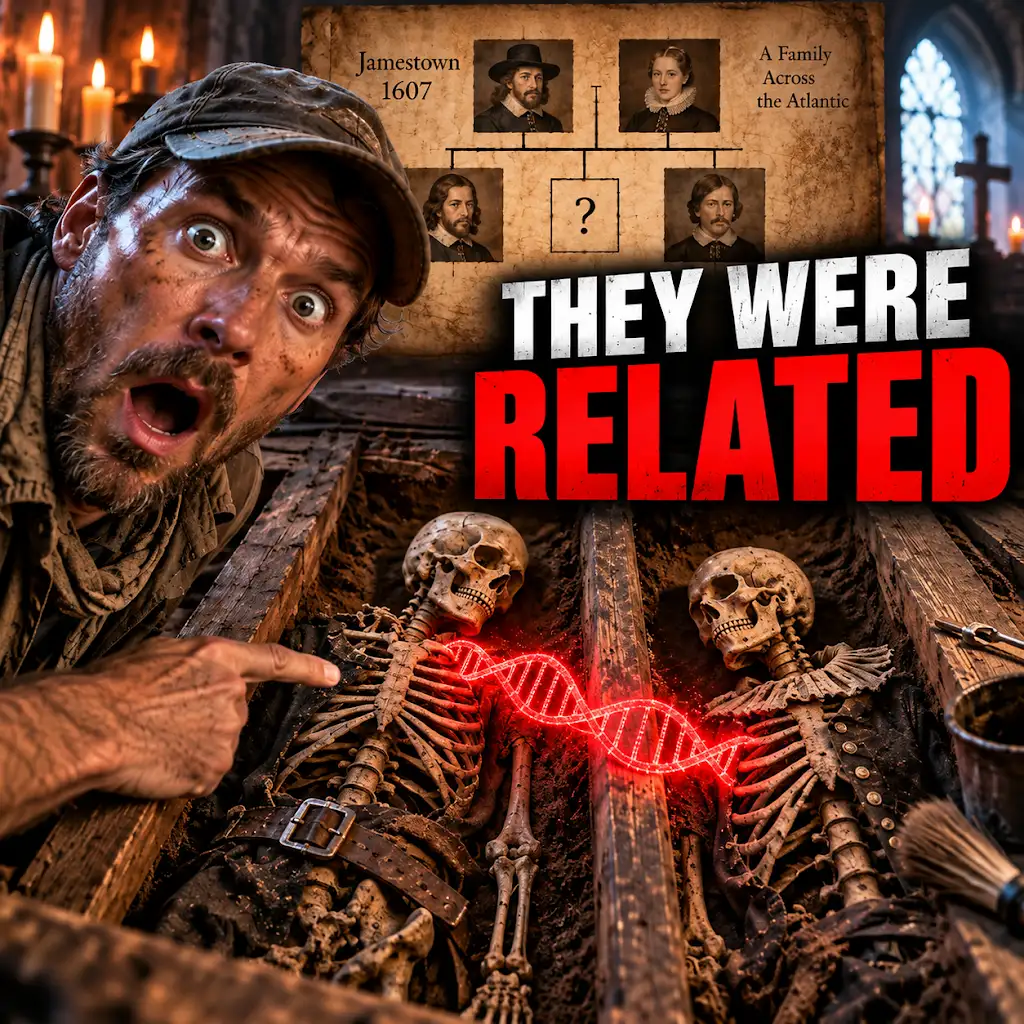
Jamestown DNA Revealed a Family Secret Hidden for 400 Years
FAQs
What is ancient DNA?
Ancient DNA refers to genetic material that is extracted from ancient remains such as bones, teeth, and hair. This DNA can provide valuable information about the genetic makeup of individuals who lived in the past.
How is ancient DNA used in historical genealogy?
Ancient DNA is used in historical genealogy to trace the genetic ancestry of individuals and populations from the past. By analyzing ancient DNA, researchers can uncover information about migration patterns, genetic relationships, and population dynamics throughout history.
What are the challenges of working with ancient DNA?
Working with ancient DNA presents several challenges, including degradation of the genetic material over time, contamination from modern DNA, and limited sample sizes. Researchers must use specialized techniques and protocols to extract and analyze ancient DNA accurately.
What insights can be gained from studying ancient DNA in historical genealogy?
Studying ancient DNA in historical genealogy can provide insights into the genetic diversity of past populations, the origins of different genetic lineages, and the impact of historical events on genetic variation. This information can help researchers reconstruct the genetic history of human populations.
How does ancient DNA research contribute to our understanding of human history?
Ancient DNA research contributes to our understanding of human history by providing direct genetic evidence of past populations, migrations, and interactions. By analyzing ancient DNA, researchers can uncover new information about the origins and movements of ancient peoples, as well as the genetic legacy they have left in modern populations.