The faded photograph, clutched in the hand of Elias Vance, held a silent testament to a past shrouded in the fog of time. His great-great-grandmother, Eleanor Vance, a woman of unknown origins, stared out from the sepia-toned image, her gaze both melancholic and resolute. For generations, the Vance family had whispered tales of a lost lineage, a fragmented history that hinted at a clandestine adoption or a hidden secret. Elias, a historian by profession and a genealogist by passion, felt an unshakeable pull to unravel this enigmatic thread, to finally piece together the story that had been lost to the mists of time. His quest began not in dusty archives or hushed libraries, but in the very essence of Eleanor herself: her DNA.
Elias’s journey into genetic genealogy was not born from a casual interest but from a deep-seated need to understand his roots. The Vance family narrative, while rich in anecdotal lore, lacked concrete historical anchors. Eleanor’s presence in the family records was a curious anomaly. She appeared, married a Vance, and became the matriarch of a flourishing line, yet her parentage was conspicuously absent. Family Bibles offered no clues, census records were frustratingly vague, and local historical societies yielded only echoes of the past. It was as if Eleanor had materialized out
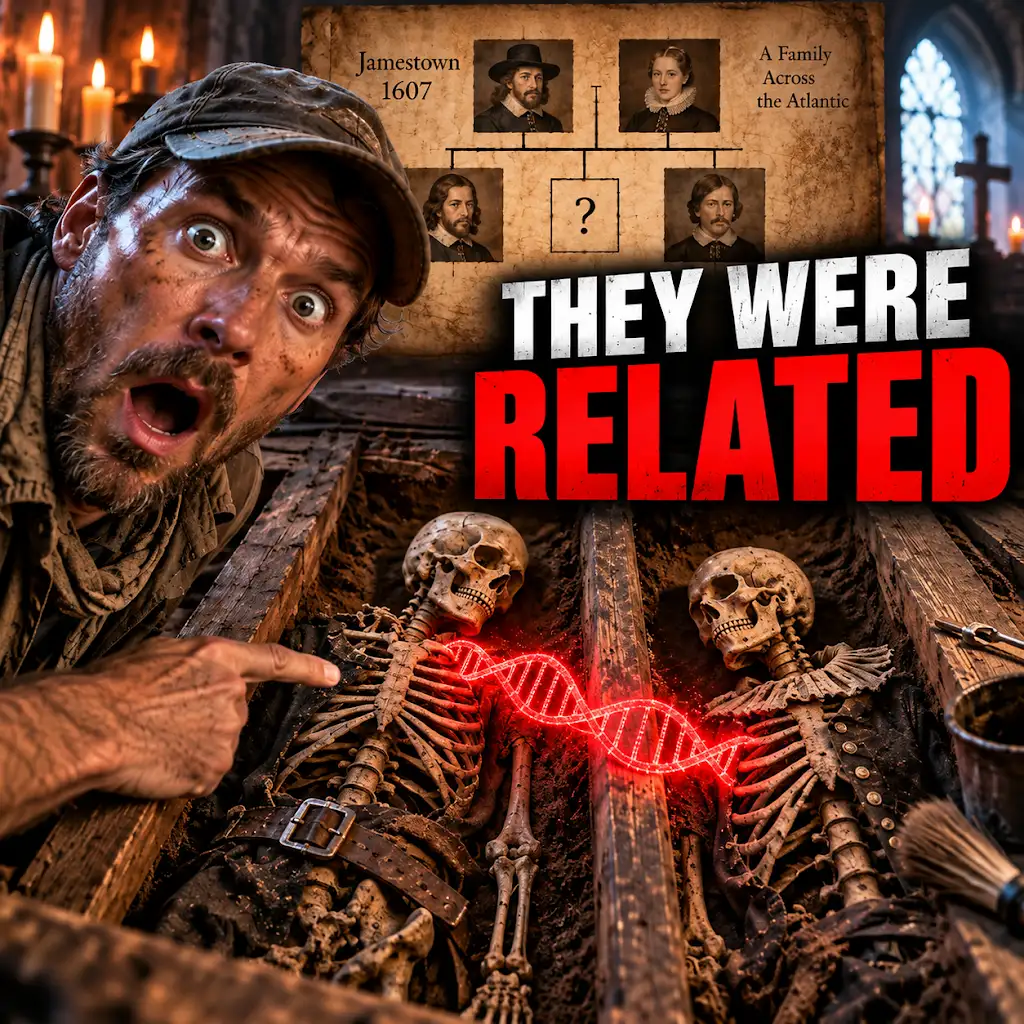
Jamestown DNA Revealed a Family Secret Hidden for 400 Years
FAQs
What is genetic genealogy?
Genetic genealogy is the use of DNA testing in combination with traditional genealogical and historical records to infer relationships between individuals.
How does genetic genealogy help solve historical mysteries?
Genetic genealogy can help solve historical mysteries by providing insights into familial relationships, identifying unknown ancestors, and confirming or disproving existing genealogical research.
What are some examples of historical mysteries solved through genetic genealogy?
Some examples of historical mysteries solved through genetic genealogy include identifying the remains of unknown soldiers, confirming royal lineage, and uncovering the true identities of historical figures.
How accurate is genetic genealogy in solving historical mysteries?
Genetic genealogy is generally considered to be a reliable tool in solving historical mysteries, but its accuracy can vary depending on the quality of the DNA samples, the size of the genetic database, and the expertise of the genealogist interpreting the results.
Are there any ethical considerations to keep in mind when using genetic genealogy to solve historical mysteries?
Yes, there are ethical considerations to keep in mind when using genetic genealogy to solve historical mysteries, such as obtaining informed consent from living relatives before testing their DNA, respecting the privacy of individuals involved, and being mindful of potential implications for family members.