The relentless sun beat down, turning the world into a shimmering oven. For many, the hum of an air conditioner is a comforting soundtrack to summer’s peak. But for those without this modern luxury, or when the power grid buckles under the strain, surviving extreme heat becomes a formidable, and sometimes dangerous, challenge. This article explores effective strategies for navigating sweltering temperatures when AC is not an option, focusing on proactive measures, environmental modifications, and personal care to maintain health and well-being.
Extreme heat is more than just discomfort; it’s a serious public health threat. Prolonged exposure to high temperatures can overwhelm the body’s natural cooling mechanisms, leading to a spectrum of heat-related illnesses. Understanding these risks is the first step in preventing them.
Heat Exhaustion and Heatstroke: The Spectrum of Illness
- Heat Cramps: These are the earliest signs of heat-related illness, characterized by involuntary muscle spasms, often in the legs, arms, or abdomen, usually occurring during or after strenuous activity in the heat. They are a signal that the body is struggling to cope with fluid and electrolyte loss.
- Heat Exhaustion: This is a more serious condition that develops when the body loses too much water and salt. Symptoms can include heavy sweating, cool, pale, and clammy skin, a fast, weak pulse, nausea or vomiting, muscle cramps, tiredness or weakness, dizziness, headache, and fainting. If left untreated, heat exhaustion can progress to heatstroke.
- Heatstroke: This is a life-threatening medical emergency. The body’s temperature rises rapidly and its ability to sweat fails. Symptoms include a high body temperature (103°F or higher), hot, red, dry or damp skin, a rapid, strong pulse, a throbbing headache, nausea, confusion, and loss of consciousness. Immediate medical attention is crucial for heatstroke.
Vulnerable Populations and Increased Risk
Certain groups are more susceptible to the ill effects of extreme heat. Recognizing these vulnerabilities allows for targeted preventative measures and community support.
- The Elderly: Older adults often have underlying health conditions that make it harder for their bodies to regulate temperature. They may also take medications that interfere with heat regulation or have a diminished sense of thirst.
- Infants and Young Children: Their bodies are less efficient at regulating temperature, and they are more prone to dehydration.
- Individuals with Chronic Illnesses: Conditions such as heart disease, lung disease, kidney disease, and diabetes can be exacerbated by extreme heat.
- Outdoor Workers and Athletes: Those who spend extended periods in hot environments are at significantly higher risk of heat-related illnesses due to continuous exertion and exposure.
- People Experiencing Homelessness: Lack of access to cool shelter and resources makes this population exceptionally vulnerable.
- Individuals without Access to Air Conditioning: This is the core group this article aims to support, highlighting their unique challenges and the importance of accessible cooling strategies.
Living in extreme heat without air conditioning can be a daunting challenge, especially as climate change continues to intensify summer temperatures. For those seeking insights into how ancient civilizations adapted to their environments, an intriguing article titled “Uncovering the Lost Civilization: Piri Reis Map Theory” explores the innovative strategies used by past societies to thrive in harsh conditions. You can read more about it here: Uncovering the Lost Civilization: Piri Reis Map Theory. Understanding these historical adaptations may provide valuable lessons for modern-day living in extreme heat.
Modifying Your Living Space for Cooler Temperatures
Creating a cooler indoor environment without air conditioning requires a strategic approach to manage heat gain and promote airflow. These methods focus on passive cooling techniques and smart utilization of natural elements.
Blocking the Sun’s Rays
The sun is a primary source of heat entering a home. Minimizing its direct impact is paramount.
- Window Treatments:
- Blackout Curtains or Blinds: These are highly effective at blocking sunlight and insulating windows. Opt for lighter colors on the outside to reflect solar radiation. Ensure they are tightly fitted to prevent heat from seeping around the edges.
- Reflective Window Films: These films can be applied directly to glass and are designed to reflect a significant portion of solar heat before it enters the room. They offer a less intrusive solution than heavy curtains.
- Exterior Shutters or Awnings: While a more permanent solution, exterior shading devices like shutters and awnings are incredibly effective at preventing sunlight from ever reaching the windows, thus drastically reducing heat gain.
- Strategic Planting:
- Deciduous Trees and Vines: Planting these on the south and west sides of a home can provide natural shade during the summer months when leaves are present, and allow sunlight to pass through in the winter. This is a long-term investment in passive cooling.
Enhancing Natural Ventilation
Maximizing airflow can significantly lower indoor temperatures, especially during cooler parts of the day.
- Cross-Ventilation: The key to effective cross-ventilation is to create a pathway for air to flow through the home.
- Opening Windows and Doors Strategically: Open windows on opposite sides of the house and on different floors to create a natural draft. The ideal time for this is during the cooler evening and early morning hours when outdoor temperatures are lower than indoor temperatures.
- Stack Effect: Warm air rises. Opening windows on lower floors and upper floors simultaneously can create a “stack effect,” drawing cooler air in from the bottom and pushing warmer air out from the top.
- Using Fans Wisely: Fans don’t cool the air, but they create a wind chill effect on the skin, making you feel cooler. Their strategic use can enhance ventilation and comfort.
- Box Fans in Windows: Place a box fan in a window facing outwards, especially in the evening, to exhaust hot air from the room. Conversely, placing a fan facing inwards can draw cooler evening air into the house.
- Ceiling Fans: These are excellent for circulating air within a room, creating a gentle breeze that aids in cooling. Ensure they are set to rotate counter-clockwise in the summer to push air downwards.
- Creating a “Whole House Fan” Effect: With multiple fans, you can create a system to move air through your home more effectively. For example, use fans to draw cool air in from one side of the house and exhaust hot air out from another.
Reducing Internal Heat Sources
Many common household activities and appliances generate significant heat. Minimizing their use during peak heat hours can make a difference.
- Appliance Management:
- Oven and Stove: Avoid using the oven and stovetop during the hottest parts of the day. Opt for no-cook meals, microwave cooking, or outdoor grilling.
- Lighting: Incandescent light bulbs generate a surprising amount of heat. Switch to cooler LED bulbs where possible, and turn off lights when not in use.
- Electronics: Unplug electronics that are not in use, as many continue to draw power and generate heat even when turned off (phantom load).
- Laundry and Dishwashing: Run these appliances in the early morning or late evening when it is cooler, and when the heat they generate will be less impactful.
Staying Hydrated and Nourished

Proper hydration is paramount during extreme heat, as the body loses fluids rapidly through sweating. Diet also plays a role in maintaining energy levels and assisting the body’s cooling processes.
The Importance of Fluid Intake
Dehydration can exacerbate heat-related illnesses. Consistent and adequate fluid consumption is non-negotiable.
- Water is Your Best Friend: Make water your primary beverage. Sip it consistently throughout the day, even if you don’t feel thirsty. Keep a water bottle handy and refill it often.
- Electrolyte Replenishment: Sweating leads to the loss of electrolytes like sodium and potassium. While water is key, consider hydrating drinks that replenish these, especially if engaging in physical activity or experiencing heavy sweating.
- Coconut Water: A natural source of electrolytes.
- Sports Drinks (in moderation): Choose those with lower sugar content.
- Homemade Electrolyte Drinks: A simple mix of water, a pinch of salt, and a squeeze of lemon or lime can be effective.
- Limiting Dehydrating Beverages:
- Alcohol: Alcohol is a diuretic, meaning it increases fluid loss.
- Caffeinated Drinks: While moderate caffeine intake is generally fine, excessive consumption can have a mild diuretic effect.
- Sugary Drinks: These can sometimes hinder hydration.
Smart Eating for Heat Management
The foods you consume can impact your body’s ability to cope with heat. Focus on light, cooling, and nutrient-rich options.
- Cooling Foods:
- Fruits and Vegetables with High Water Content: Watermelon, cucumbers, strawberries, cantaloupe, oranges, and leafy greens are excellent choices.
- Salads and Cold Soups: These are refreshing and packed with nutrients.
- Light and Easily Digestible Meals: Heavy, fatty meals require more energy to digest, which can increase body heat. Opt for smaller, more frequent meals.
- Avoiding Heavy, Hot Meals: As mentioned earlier, cooking can generate significant heat. Plan meals that require minimal or no cooking during peak heat.
Personal Cooling Strategies and Comfort Measures
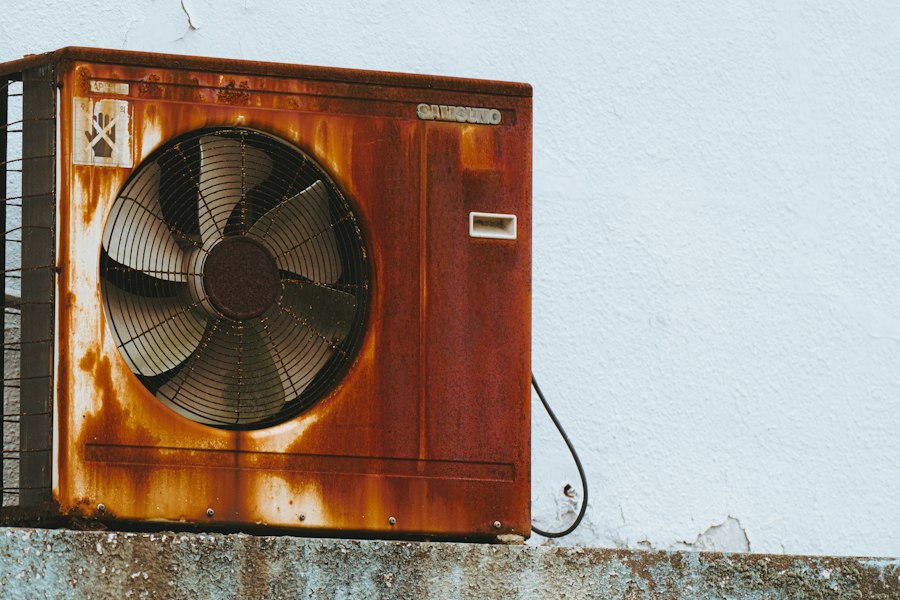
Beyond modifying your environment and staying hydrated, direct personal cooling techniques can provide immediate relief and prevent heat buildup.
Utilizing Water for Cooling
Water is a natural coolant. Employing it externally can offer significant relief.
- Cool Showers and Baths: A cool shower or bath can quickly lower body temperature. If a full shower isn’t feasible, a cool sponge bath can provide similar benefits.
- Cold Compresses and Towels: Applying cool, damp cloths to pulse points like the neck, wrists, and temples can help dissipate heat from the body.
- Misting and Spritzing: A spray bottle filled with cool water can provide a refreshing mist, especially when used in conjunction with a fan for an evaporative cooling effect.
- Soaking Feet: Soaking your feet in a basin of cool water can help cool the entire body.
Dressing for the Heat
Clothing choices have a significant impact on how well your body can regulate temperature.
- Lightweight, Breathable Fabrics: Opt for natural fibers like cotton and linen, which allow for better air circulation and moisture wicking than synthetic materials.
- Loose-Fitting Clothing: Tight clothing can restrict airflow and trap heat. Loose garments allow air to circulate around the body, facilitating evaporation of sweat.
- Light Colors: Light-colored clothing reflects sunlight and heat, while dark colors absorb it.
Creating a Personal Cool Zone
Identifying and utilizing areas within your home that naturally stay cooler can provide a sanctuary from the heat.
- Basements and Lower Floors: These areas are typically cooler than upper floors due to being below ground level. Spend as much time as possible in these spaces.
- Shaded Rooms: Identify rooms that receive less direct sunlight throughout the day and prioritize spending time in them.
- Portable Cooling Devices: While not AC, devices like personal misting fans or evaporative coolers can provide localized cooling.
Living in extreme heat without air conditioning can be a daunting challenge, but understanding how ancient civilizations managed similar conditions can provide valuable insights. For instance, a fascinating article discusses the innovative control technologies used by ancient societies to cope with their environments. You can read more about these methods in the article here. By exploring these historical strategies, we can find inspiration for adapting our own living spaces to withstand the sweltering heat.
Community and Preparedness: Staying Safe Together
| Metric | Value/Range | Notes |
|---|---|---|
| Average Indoor Temperature | 85°F – 105°F (29°C – 40°C) | Varies depending on outdoor heat and building insulation |
| Heat-Related Illness Risk | High | Includes heat exhaustion, heat stroke, dehydration |
| Recommended Daily Water Intake | 3-4 liters | Increased hydration needed to prevent dehydration |
| Sleep Quality | Reduced by 20-30% | High temperatures disrupt sleep cycles |
| Energy Expenditure | Increased by 10-15% | Body works harder to cool down |
| Mortality Rate Increase | Up to 15% during heatwaves | Higher in elderly and vulnerable populations |
| Cooling Methods Without AC | Fans, hydration, shade, cool baths | Less effective than air conditioning |
Surviving extreme heat is not solely an individual endeavor. Community support and proactive preparedness are vital for ensuring everyone’s safety, especially during widespread heat events.
Seeking Out Public Cooling Centers
Many communities establish public cooling centers during heatwaves, offering a safe and air-conditioned respite for those without access to AC.
- Identifying Local Resources: Familiarize yourself with the locations and operating hours of nearby cooling centers, libraries, community centers, and other public spaces that offer air conditioning.
- Transportation Considerations: Plan how you will get to and from cooling centers, especially if you have mobility challenges.
Checking In on Vulnerable Neighbors
The heat disproportionately affects the most vulnerable. A simple act of checking in can make a life-saving difference.
- Reach Out to Elderly Neighbors: Offer to help with errands, ensure they have adequate supplies of water, and remind them of cooling center options.
- Assist Those with Chronic Illnesses: Offer support and ensure they are aware of local resources and health recommendations for heat management.
- Look Out for Families with Young Children: Ensure they have access to cool spaces and understand the signs of heat-related illness in children.
Emergency Preparedness for Heatwaves
Treating heatwaves with the same seriousness as other natural disasters can prevent tragic outcomes.
- Develop a Heatwave Plan: Outline strategies for staying cool, staying hydrated, and how you will communicate with loved ones during an extended heat event.
- Emergency Kit Essentials: Include extra water, non-perishable food, a battery-powered radio, a first-aid kit, and any necessary medications.
- Understanding Local Emergency Services: Know how to contact emergency services and be aware of any heat-specific advisories or resources provided by local authorities.
By understanding the risks, implementing smart environmental modifications, prioritizing hydration and nutrition, employing personal cooling strategies, and fostering a sense of community preparedness, individuals can significantly improve their ability to survive and thrive even in the most extreme heat without the comfort of air conditioning. The key lies in proactive planning and a diligent commitment to self-care and the well-being of others.