
Unearthing History: Jamestown Virginia Skeleton Discovery
The Jamestown Rediscovery project, an ongoing archaeological endeavor at the original site of the first permanent English settlement in North America, has consistently yielded remarkable insights into the lives of its early inhabitants. Among its most poignant discoveries, the identification and study of human remains have provided a visceral connection to the hardships and triumphs of the colonists. One particular skeleton, unearthed in 2012, has captivated researchers and the public alike, offering an intimate glimpse into the brutal realities of survival in early 17th-century Virginia. This discovery, shrouded in the passage of centuries, has become a focal point for understanding not only an individual’s fate but also the broader narrative of Jamestown’s challenging beginnings.
The archaeological dig at Historic Jamestowne, overseen by Preservation Virginia in partnership with the National Park Service, has been a continuous process of meticulous excavation and analysis. The site, thought to have been largely forgotten and paved over by subsequent development, was rediscovered in 1994. Since then, archaeologists have been piecing together the physical remnants of the struggling colony, uncovering artifacts ranging from pottery shards and tools to fortifications and the very foundations of buildings. It was within this context of constant revelation that the remains of a human skeleton were found, buried in a remarkably intact state, providing a stark testament to the harsh conditions faced by the Jamestown settlers.
The Location of the Discovery
The skeleton was discovered within the confines of the original James Fort, specifically in what archaeologists believe was once a guardhouse or a barracks area. This location is significant, as it places the individual directly within the heart of the colonial defenses and living quarters. The strategic placement of this burial suggests that the individual may have been a resident within the fort’s perimeter, facing the same dangers and uncertainties as the rest of the inhabitants. The soil conditions at Jamestown have, in some areas, aided in the preservation of organic materials, and this fortunate circumstance allowed for the recovery of skeletal remains with a surprising level of detail. The archaeological team, led by Dr. William Kelso, has meticulously documented the precise location of every artifact and feature, ensuring that the context of the discovery is as informative as the remains themselves.
Initial Assessment and Preservation Efforts
Upon discovery, the skeletal remains were carefully excavated by forensic anthropologists and archaeologists. The initial assessment focused on the preservation of the bones, which were delicate and susceptible to damage. Specialized techniques were employed to stabilize and extract the remains, ensuring that no detail was lost. The process was painstaking, requiring a deep understanding of archaeological best practices and a commitment to scientific rigor. The team recognized the immense historical and scientific value of the find and prioritized its careful handling and subsequent analysis. The goal was not merely to excavate a skeleton, but to extract a wealth of information that could illuminate the lives and deaths of Jamestown’s earliest settlers.
The recent discovery of skeletons in Jamestown, Virginia, has shed light on the early colonial period and the lives of those who settled in America. This archaeological find is significant as it provides insights into the health, diet, and social structures of the time. For a deeper understanding of how ancient elites have historically wielded power and knowledge, you can read a related article that explores these themes further at Power and Knowledge: Ancient Elites Control.
Identifying the Individual: Clues in Bone and Beyond
The process of identifying the individual was a complex undertaking, relying on a combination of skeletal analysis, archaeological context, and, most notably, advanced scientific techniques that have revolutionized our understanding of historical human remains. The skeleton, when first uncovered, offered tantalizing clues, but it was the application of modern science that truly brought the story of this individual to life. The mystery surrounding their identity, shrouded by the passage of over 400 years, began to slowly unravel as researchers delved deeper into the data.
Forensic Anthropology: Unlocking Skeletal Secrets
Forensic anthropologists meticulously examined the skeleton to determine age, sex, and any physical characteristics that could provide further insight. The cranial features, bone structure, and dental health were all analyzed. The examination revealed that the individual was a young male, likely in his late teens or early twenties. This finding was significant, as it pointed to the presence of younger individuals within the colony, and underscored the youthful demographic that comprised a substantial portion of the early Jamestown population. The state of his teeth offered clues about his diet and health, while the condition of his bones could reveal evidence of disease, trauma, or strenuous labor.
Evidence of Diet and Disease
The analysis of the teeth and bones provided crucial information about the individual’s health and diet. Evidence of malnutrition and deficiencies was observed, which is consistent with the documented struggles of the Jamestown colonists for adequate food supplies. The skeletal remains showed signs of stress and hardship, reflecting the difficult conditions of survival. This was not the life of a leisurely gentleman but of someone enduring the relentless challenges of a new and unforgiving environment. The presence of specific markers on the bones could also indicate the prevalence of certain diseases that were rampant in the era.
Signs of Trauma and Hardship
Perhaps the most striking findings from the skeletal analysis were the clear indications of severe trauma. The individual’s bones bore the marks of violence, including evidence of what appeared to be scalping. This grim discovery painted a vivid picture of the potential dangers faced by settlers, including conflicts with indigenous populations and potentially internal strife. The nature of the wounds suggested a brutal and violent end, a stark reminder of the perilous existence in early colonial America. The meticulous documentation of these injuries by forensic specialists was crucial in piecing together the final moments of this young man’s life.
The Power of DNA Analysis: A Name from the Past
The breakthrough in identifying the individual came with the application of ancient DNA analysis. Working with the remains, scientists were able to extract DNA and compare it to known genealogical records. This cutting-edge technique allowed researchers to connect the skeleton to a specific historical figure: Captain George Percy. Percy was a prominent figure in the early years of Jamestown, serving as the colony’s governor for a period and a key chronicler of its early struggles. This DNA match provided
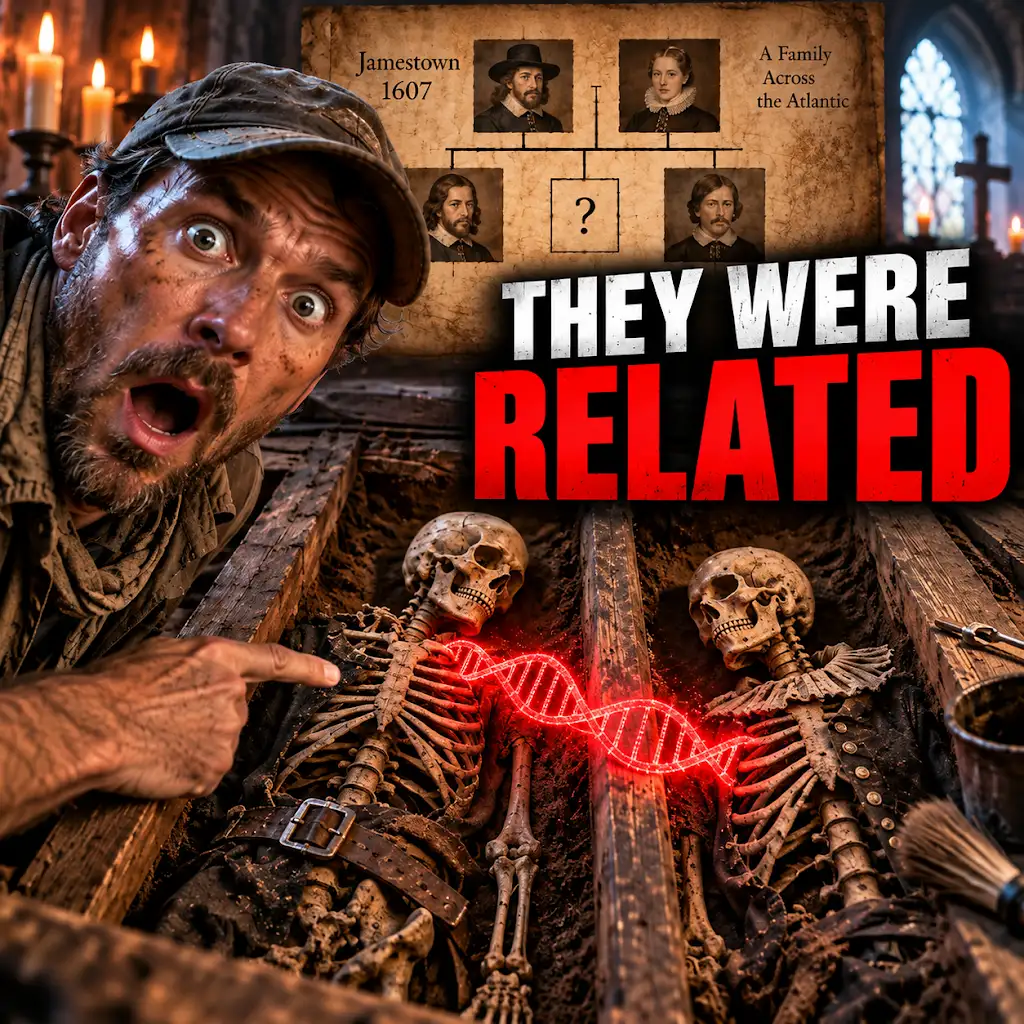
Jamestown DNA Revealed a Family Secret Hidden for 400 Years
FAQs

What was discovered in Jamestown, Virginia?
The remains of a young woman were discovered in Jamestown, Virginia.
When were the skeleton remains found?
The skeleton remains were found in 2015 during an archaeological dig.
How old is the skeleton found in Jamestown, Virginia?
The skeleton found in Jamestown, Virginia is believed to be around 14 years old at the time of death.
What significance does this discovery hold?
This discovery sheds light on the early history of Jamestown and provides insight into the lives of the settlers who lived there.
What further research is being conducted on the skeleton?
Further research is being conducted on the skeleton to learn more about the individual’s life, health, and cause of death.