The whispers of history, long held captive by the earth and the passage of time, are finally finding a voice. For centuries, the story of Jamestown, the first permanent English settlement in North America, has been pieced together through archaeological digs, historical documents, and educated conjecture. Yet, a revolutionary new tool is now reshaping our understanding of this foundational chapter of American history: DNA research. This cutting-edge science, by analyzing the genetic legacy of those who first walked these shores, is unlocking previously inaccessible layers of Jamestown’s past, offering profound new insights into the lives, identities, and relationships of its earliest inhabitants.
Jamestown, established in 1607, was a venture fraught with peril. Survival was a constant battle against disease, starvation, and conflict with the indigenous Powhatan Confederacy. The historical record, while invaluable, often offers a fragmented and biased perspective, leaving many questions unanswered. Who were the individuals buried in the forgotten graves? What were their origins? What was the true nature of their interactions with the native populations? Were the stories of hardship and survival as simple as they appeared in early accounts? These are the persistent enigmas that have long fueled scholarly debate and public fascination.
The Challenges of Traditional Historical Interpretation
Early accounts of Jamestown were often written by those in positions of power or those seeking to shape particular narratives. This meant that the voices of the common laborer, the indentured servant, or the enslaved individual were frequently marginalized or omitted entirely. Archaeological evidence, while providing tangible proof of daily life, often struggles to reveal the personal stories of the individuals who left it behind. Without direct genetic links, definitively identifying skeletal remains and understanding their familial or social connections has been a monumental undertaking. The very act of excavation, while crucial, also carries the inherent risk of disturbing and potentially destroying delicate genetic material.
The Promise of Scientific Revelation
The advent of ancient DNA (aDNA) analysis has revolutionized the field of historical research. This highly specialized discipline allows scientists to extract and analyze genetic material from ancient human remains, even when highly degraded. By comparing these ancient DNA profiles to modern databases and to DNA from other historical individuals, researchers can begin to reconstruct familial relationships, trace ancestral origins, and even identify individuals who were previously unknown or misidentified. For Jamestown, this means the potential to move beyond speculation and towards concrete, evidence-based conclusions.
The Jamestown Rediscovery DNA research has opened new avenues for understanding the early colonial experience in America, particularly through the analysis of remains found at the site. This research is not only significant for its historical implications but also connects to broader themes of exploration and mapping in the New World. For instance, an intriguing related article explores the enigmatic Piri Reis map, which offers insights into early cartography and the European perspective on the Americas. You can read more about this fascinating topic in the article titled “Uncovering the Mystery of the Piri Reis Map” at this link.
Unearthing the Dead: Archaeological Foundations for DNA Analysis
The ongoing archaeological excavations at the original Jamestown fort site have been instrumental in providing the skeletal remains necessary for this new wave of genetic research. These digs, meticulously conducted by teams of archaeologists, have unearthed not only the physical structures of the fort but also numerous graves, offering a direct link to the individuals who lived and died there. The preservation of these remains, often found in challenging environmental conditions, has been a testament to the skill and dedication of the archaeological community.
The “Unknowns” of the Jamestown Cemetery
One of the most significant discoveries from the archaeological digs has been the identification of a mass burial site, often referred to as the “unknowns.” These graves contain the remains of individuals who, due to their unmarked nature or the fragmented state of their skeletons, have defied traditional identification. It is within these forgotten resting places that the greatest potential for groundbreaking DNA discoveries lies. The ability to analyze the DNA from these individuals promises to shed light on previously unknown inhabitants and their stories.
The Delicate Process of DNA Extraction
Extracting viable DNA from ancient skeletal remains is a painstaking and highly sensitive process. The DNA
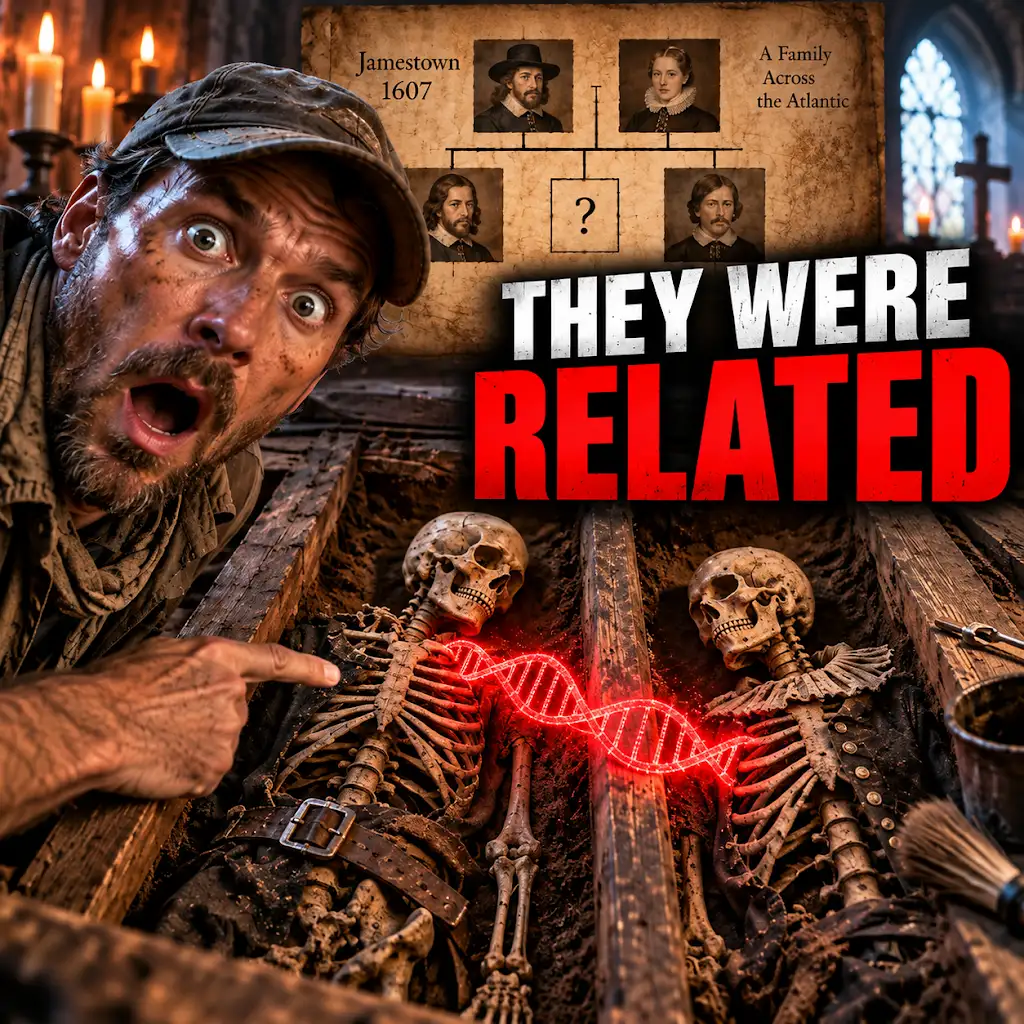
Jamestown DNA Revealed a Family Secret Hidden for 400 Years

FAQs

What is the Jamestown Rediscovery DNA research about?
The Jamestown Rediscovery DNA research is a project aimed at studying the genetic material of individuals buried at the historic Jamestown site in Virginia.
Why is DNA research important for Jamestown Rediscovery?
DNA research is important for Jamestown Rediscovery as it can provide valuable insights into the ancestry, health, and relationships of the individuals who lived and died at Jamestown.
What have researchers discovered through DNA analysis at Jamestown?
Researchers have discovered familial relationships, genetic markers for diseases, and information about the diverse origins of the settlers at Jamestown through DNA analysis.
How does DNA research contribute to our understanding of Jamestown history?
DNA research contributes to our understanding of Jamestown history by providing concrete evidence of relationships, origins, and health conditions of the individuals who lived at the settlement.
What are the future implications of DNA research at Jamestown Rediscovery?
The future implications of DNA research at Jamestown Rediscovery include further insights into the lives of the settlers, potential identification of unknown individuals, and a deeper understanding of the genetic diversity of early American populations.