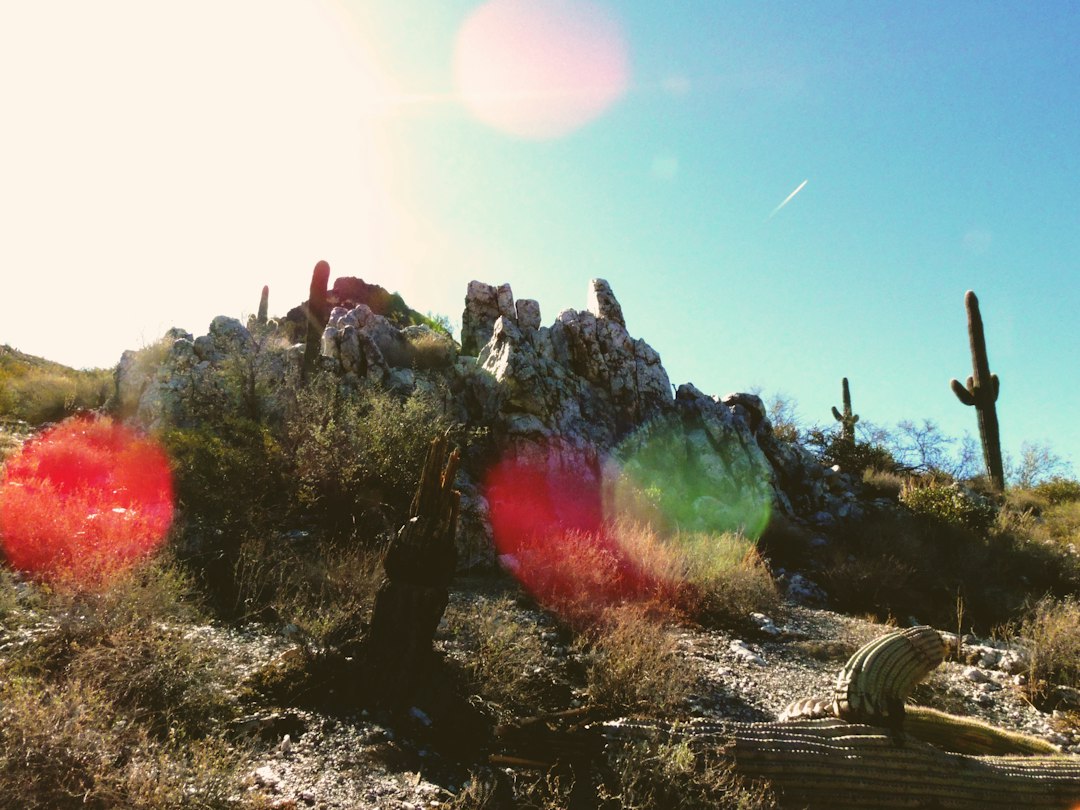
The relentless sun beat down, a molten disk in a sky of bleached blue, turning the landscape into a shimmering mirage. For many in arid regions, the advent of air conditioning has become a near-necessity, a bulwark against the suffocating embrace of extreme heat. Yet, for those without this modern convenience, or for those seeking to reduce their reliance on energy-intensive systems, the challenge of surviving the desert heat requires a deep understanding of time-tested strategies and a resourceful approach to comfort. This article delves into the art of beating the desert heat without AC, exploring ancient wisdom, modern adaptations, and the fundamental principles that allow humans to thrive even in the harshest of environments.
Before devising strategies to combat the heat, it is crucial to understand its nature. Desert environments are characterized by low humidity, intense solar radiation, and rapid temperature fluctuations. The lack of moisture in the air means that our primary cooling mechanism – evaporation – is significantly less effective. This makes the perception of heat far greater than the actual air temperature might suggest.
The Impact of Dehydration on Body Temperature
The human body is a remarkable thermoregulatory machine, but its capacity is finite. When exposed to extreme heat, the body attempts to cool itself through sweating. However, in a dry environment, sweat evaporates quickly, and if fluid intake doesn’t keep pace, dehydration sets in. This impairs the body’s ability to sweat efficiently, leading to a dangerous rise in core temperature, a condition known as heat exhaustion or, in severe cases, heatstroke. Understanding the critical role of hydration is the first and most important step in surviving without AC.
Solar Radiation: The Invisible Threat
The sun’s rays are a potent source of heat. In the desert, the intensity of this radiation is amplified by the clear skies and the reflective nature of the sandy terrain. Direct exposure to sunlight can quickly raise body temperature, even in the shade. Therefore, minimizing exposure to direct solar radiation is paramount. This involves understanding when the sun is at its strongest and taking proactive measures to shield oneself.
The Role of Air Movement and Humidity
While low humidity is the hallmark of desert air, even slight increases can offer a marginal cooling effect through more noticeable perspiration. Air movement, whether natural or artificial, plays a vital role in removing the insulating layer of hot air that builds up around the body, facilitating heat dissipation. Without AC, harnessing and amplifying these natural cooling mechanisms becomes the central focus.
Surviving desert heat without air conditioning can be a daunting challenge, but there are various strategies to help you cope with extreme temperatures. For those interested in preparedness and survival tactics, a related article titled “Secret Stash Spots: Prepping for SHTF” offers valuable insights on how to create safe havens and essential supplies for extreme weather conditions. You can read more about it by visiting this link: Secret Stash Spots: Prepping for SHTF.
Embracing the Cool: Architectural and Environmental Strategies
Throughout history, civilizations have developed ingenious ways to design and orient their dwellings to mitigate extreme temperatures. These principles, though often overlooked in the age of climate control, remain highly effective. The goal is to create a microclimate within the living space that is significantly cooler than the ambient outdoor temperature.
Passive Cooling Techniques: Lessons from Ancient Civilizations
Ancient cultures living in hot climates understood the importance of building materials, orientation, and ventilation.
Strategic Site Selection and Orientation
The location of a dwelling can significantly influence its temperature. Building on the north side of a hill, for instance, can provide shade during the hottest parts of the day. Orienting the building to minimize direct sunlight on its largest facades, particularly during the peak afternoon hours, is crucial. In the Northern Hemisphere, this often means placing living spaces on the north or east sides of a structure.
Utilizing Thermal Mass
Materials like adobe, stone, and rammed earth have a high thermal mass, meaning they can absorb and store heat during the day and slowly release it at night. This helps to moderate indoor temperatures, keeping them cooler during the day and warmer during the cooler evenings. Thick walls are particularly effective in this regard, acting as a buffer against external heat.
The Power of Shading and Vegetation
Creating shade is one of the most effective ways to reduce heat gain. Overhanging eaves, verandas, and pergolas can provide significant shade to windows and walls. Planting deciduous trees on the south and west sides of a building can offer natural cooling in the summer while allowing sunlight to penetrate in the winter. Drought-tolerant native plants are ideal for desert environments.
Enhancing Natural Ventilation
Moving air is key to dissipating heat. Designing for effective natural ventilation can create a cooling breeze even without mechanical assistance.
Cross-Ventilation: The Breath of the House
Designing windows and openings on opposite sides of a room or house allows for cross-ventilation, creating a natural airflow that sweeps through the space. Strategically placed vents at different heights can also promote stack ventilation, where warm air rises and exits through higher openings, drawing cooler air in from lower ones.
The Effectiveness of Courtyards
Traditional desert architecture often features central courtyards. These open spaces can act as cool air sinks, especially if they contain water features or vegetation. The shade cast by surrounding walls and buildings within the courtyard can significantly lower the temperature of the air within it, which can then be drawn into the adjacent rooms.
Wind Catchers and Solar Chimneys
Ancient architectural innovations like wind catchers (badgirs) and solar chimneys are highly effective passive cooling devices. Wind catchers channel prevailing breezes down into the living spaces, while solar chimneys utilize the sun’s heat to create an updraft, drawing hot air out of the building.
Practical Daily Habits: Living with the Heat
Beyond architectural considerations, daily habits play a pivotal role in maintaining comfort and safety in extreme heat. These are often simple, yet profoundly effective, strategies that require discipline and awareness.
Hydration: The Cornerstone of Survival
This cannot be stressed enough. Maintaining proper hydration is non-negotiable in a hot climate.
Water: The Lifeline
The body loses water through sweat and respiration. Replacing this lost fluid is critical. It’s not just about drinking when thirsty; regular, small sips throughout the day are more effective. Electrolyte-rich drinks, such as diluted fruit juices or specialized electrolyte solutions, can help replenish salts lost through sweat.
Hydrating Foods
Incorporating water-rich foods into the diet can contribute significantly to fluid intake. Fruits like watermelon, cantaloupe, and berries, as well as vegetables like cucumbers and celery, are excellent choices.
Avoiding Dehydrating Agents
Caffeine and alcohol are diuretics, meaning they can increase fluid loss. Limiting their consumption, especially during the hottest parts of the day, is advisable.
Timing is Everything: Adapting to the Sun’s Cycle
The sun’s intensity follows a predictable pattern. Aligning daily activities with this pattern is a key strategy for heat survival.
Embracing the Early Morning and Late Evening
The coolest parts of the day are typically in the early morning hours before sunrise and in the late evening after sunset. Performing strenuous activities, errands, and even cooking during these cooler periods can significantly reduce heat exposure and overall body temperature.
The Art of the Midday Siesta
Historically, the midday siesta was a practical response to extreme heat. Resting indoors during the hottest part of the day, when the sun is at its zenith, allows the body to conserve energy and avoid overheating. This period can be used for napping, reading, or any other quiet indoor activity.
Minimizing Outdoor Exposure During Peak Hours
Direct sun exposure between 10 AM and 4 PM is particularly intense. When outdoor activity is unavoidable, seeking shade, wearing protective clothing, and limiting the duration of exposure are essential.
Clothing and Personal Cooling Strategies
The choice of clothing and personal cooling techniques can make a significant difference in comfort levels.
Breathable and Light-Colored Fabrics
Natural fibers like cotton and linen are breathable and allow air to circulate, helping to wick away moisture from the skin. Light colors reflect sunlight, absorbing less heat than dark colors. Loose-fitting garments are also preferable, as they allow for better airflow.
The Power of Wetting Down
Dampening clothing, particularly around the neck and wrists, can provide a significant cooling effect as the water evaporates. A spray bottle filled with water can be a portable cooling companion.
Utilizing Wet Towels and Bandanas
A cool, damp towel or bandana placed around the neck or head can provide immediate relief. The evaporation of water from these items draws heat away from the body.
Creating a Cooler Sanctuary: Indoor Strategies Without AC
Even without air conditioning, a home can be transformed into a significantly cooler sanctuary. This involves a combination of smart design, strategic use of natural resources, and simple everyday practices.
Maximizing Natural Cooling Within the Home
The goal is to create airflow and minimize heat gain from the outside.
Ventilating Smartly: Opening and Closing Windows
The key is to open windows at night and in the early morning when the outside air is cooler than the inside air, allowing cooler air to flush out the heat accumulated during the day. As the day heats up, all windows and doors should be closed to trap the cooler indoor air.
Harnessing the Evaporative Cooler Effect
Even without a dedicated evaporative cooler, a simple DIY approach can offer some relief. Placing bowls of ice or cold water in front of a fan can create a localized cooling breeze as the water evaporates. Hanging damp sheets in front of open windows can also contribute to evaporative cooling.
Blackout Curtains and Blinds: The First Line of Defense
Direct sunlight entering through windows is a major source of heat gain. Thick, light-colored blackout curtains or blinds are essential for blocking out the sun’s rays. Keeping them closed during the day, especially on windows that receive direct sunlight, can significantly lower indoor temperatures.
Creating a Cooler Microclimate Indoors
Beyond ventilation, specific strategies can be employed to make the indoor environment more comfortable.
The Role of Indoor Plants
While their impact might be subtle, indoor plants can contribute to cooling through transpiration, the process by which plants release water vapor into the air. They also improve air quality.
Minimizing Heat-Generating Appliances
Many common household appliances generate significant heat. During the hottest parts of the day, it’s wise to minimize the use of ovens, stovetops, and even electronics like computers and televisions. Opting for microwave cooking or preparing no-cook meals can reduce heat output.
Strategic Use of Fans
While fans don’t lower the air temperature, they create a cooling breeze by increasing air circulation and facilitating the evaporation of sweat. Positioning fans to create cross-ventilation or to direct airflow towards occupants can provide a noticeable difference in comfort. Ceiling fans are particularly effective for circulating air throughout a room.
Surviving desert heat without air conditioning can be quite challenging, but there are various strategies to help you stay cool. For instance, staying hydrated and wearing light clothing can make a significant difference. If you’re interested in learning more about effective techniques for coping with extreme temperatures, you might want to check out this insightful article on surviving the heat. It offers practical tips that can help you manage the sweltering conditions while keeping your comfort in mind.
Preparedness and Safety: When the Heat Becomes Dangerous
| Metric | Value/Range | Notes |
|---|---|---|
| Optimal Hydration Intake | 2-4 liters per day | Depends on activity level and temperature |
| Safe Core Body Temperature | 36.5°C – 37.5°C (97.7°F – 99.5°F) | Above 40°C (104°F) is dangerous |
| Recommended Clothing | Loose, light-colored, breathable fabrics | Helps reflect sunlight and improve ventilation |
| Shade Temperature Reduction | Up to 10-15°C cooler than direct sun | Seek shade during peak heat hours (10am-4pm) |
| Evaporative Cooling Effect | Can reduce skin temperature by 3-5°C | Use damp cloths or misting for cooling |
| Recommended Rest Periods | Every 30-60 minutes during intense heat | Rest in shade and hydrate |
| Heat Stroke Onset Time | Within 1-2 hours of intense heat exposure | Depends on individual and conditions |
| Nighttime Temperature Drop | Can drop 10-20°C in desert | Use for cooling and recovery |
While the strategies outlined above can significantly enhance comfort, it’s crucial to recognize the signs of heat-related illness and be prepared for emergencies.
Recognizing the Signs of Heat Exhaustion and Heatstroke
Understanding the symptoms of heat-related illnesses is vital for prompt action.
Heat Exhaustion Symptoms
These include heavy sweating, cold, pale, and clammy skin, a fast, weak pulse, nausea or vomiting, muscle cramps, tiredness or weakness, dizziness, and headache. If these symptoms appear, the individual should move to a cooler place, loosen clothing, apply cool, wet cloths to the body, and sip water.
Heatstroke Symptoms
Heatstroke is a medical emergency and requires immediate attention. Symptoms include a high body temperature (103°F or higher), hot, red, dry, or damp skin, a fast, strong pulse, headache, dizziness, nausea, confusion, and unconsciousness. If heatstroke is suspected, call emergency services immediately.
Emergency Preparedness in Extreme Heat
Having a plan in place for extreme heat events is crucial.
Creating a Cool-Down Zone
Identifying and preparing a cool-down zone in the home, perhaps a basement or a room on the north side of the house with good shade, can provide refuge during particularly intense heatwaves.
Staying Connected and Informed
Monitoring weather forecasts and heat advisories is important. Staying in touch with vulnerable neighbors or family members ensures that help can be provided if needed.
The Importance of Hydration Kits and Cooling Supplies
Having readily available supplies of water, electrolyte drinks, cool towels, and a spray bottle can be a lifesaver during an unexpected heat event.
Beating the desert heat without AC is not simply a matter of enduring discomfort; it is an art form that combines an understanding of the environment with resourceful and time-tested strategies. By embracing passive cooling techniques, adapting daily habits, and prioritizing safety, one can not only survive but thrive, demonstrating the enduring human capacity to find comfort and resilience in even the most challenging of climates. The absence of AC does not have to mean an absence of comfort; it can, instead, be an invitation to connect more deeply with natural rhythms and to cultivate a greater appreciation for the power of simple, sustainable living.

How Ancient Cities Stayed Cool Without Air Conditioning
FAQs
1. What are some tips for surviving desert heat without air conditioning?
– Stay hydrated by drinking plenty of water.
– Wear lightweight, loose-fitting clothing to help your body stay cool.
– Use fans or open windows to create airflow in your living space.
– Avoid outdoor activities during the hottest parts of the day.
– Seek shade or use cooling towels to lower your body temperature.
2. How can I keep my home cool in the desert heat without air conditioning?
– Close blinds or curtains during the hottest parts of the day to block out sunlight.
– Use reflective window film to reduce heat coming into your home.
– Open windows at night to let cooler air in and close them during the day to trap the cool air inside.
– Use fans strategically to circulate air and create a cooling effect.
– Consider using a swamp cooler or evaporative cooler as an alternative to traditional air conditioning.
3. What are the signs of heat exhaustion and heat stroke in the desert heat?
– Heat exhaustion symptoms include heavy sweating, weakness, dizziness, nausea, and muscle cramps.
– Heat stroke symptoms include a high body temperature, confusion, rapid pulse, and possible loss of consciousness.
– If you or someone else is experiencing these symptoms, it’s important to seek medical attention immediately.
4. How can I stay safe while exercising in the desert heat without air conditioning?
– Exercise during the cooler parts of the day, such as early morning or evening.
– Stay hydrated before, during, and after your workout.
– Wear light-colored, breathable clothing to help your body stay cool.
– Take frequent breaks in the shade to rest and cool down.
– Listen to your body and stop exercising if you start to feel dizzy or unwell.
5. What are some foods and drinks that can help me stay cool in the desert heat?
– Eat water-rich fruits and vegetables like watermelon, cucumbers, and oranges.
– Drink plenty of water, coconut water, or electrolyte-rich beverages to stay hydrated.
– Avoid caffeine and alcohol, as they can dehydrate your body.
– Enjoy cold soups, salads, and smoothies as refreshing meal options.
– Consider freezing fruits like grapes or berries for a cool and healthy snack.