
The oppressive weight of an extreme heatwave descends, turning familiar landscapes into shimmering mirages. When the humming sanctuary of air conditioning dies, and the rhythmic hum of the refrigerator falls silent, the true challenge begins: surviving the heat without power. This isn’t merely a matter of discomfort; it’s a serious threat to health and well-being. Understanding how to mitigate the risks and maintain a safe environment becomes paramount. This article explores practical strategies and essential knowledge for navigating power outages during periods of intense heat, ensuring survival and minimizing the dangers posed by soaring temperatures.
The confluence of extreme heat and a loss of essential power creates a dangerous synergy. Without air conditioning, homes rapidly become ovens, pushing internal temperatures to life-threatening levels. This is particularly perilous for vulnerable populations, including the elderly, young children, individuals with chronic illnesses, and those who work outdoors. The lack of refrigeration also poses a significant risk of food spoilage, leading to potential foodborne illnesses. Beyond the immediate physical threats, prolonged exposure to heat can lead to heat exhaustion and the even more severe heatstroke, which can be fatal if left untreated. Recognizing the signs and understanding the underlying mechanisms of heat-related illnesses is the first line of defense.
The Physiological Impact of Heat on the Human Body
The human body is a remarkable thermoregulator, but it has limits. When ambient temperatures exceed the body’s ability to dissipate heat effectively, a cascade of physiological responses occurs. The body attempts to cool itself through vasodilation, widening blood vessels near the skin’s surface to release heat. Sweating is another crucial mechanism, where the evaporation of perspiration draws heat away from the skin. However, in extreme heat and humidity, sweat may not evaporate efficiently, rendering this cooling mechanism less effective. As core body temperature rises, cellular function begins to break down. Enzymes essential for metabolic processes become less efficient, and dehydration exacerbates the situation by impairing the body’s ability to sweat and regulate blood flow. This can lead to electrolyte imbalances, affecting nerve and muscle function, and ultimately compromising organ systems.
The Silent Threat: Heat Exhaustion and Heatstroke
Heat exhaustion is the body’s precursor to heatstroke and is characterized by heavy sweating, weakness, dizziness, nausea, headache, and a rapid pulse. The skin may feel cool and clammy despite the heat. If left untreated, heat exhaustion can progress to heatstroke, a medical emergency. Heatstroke occurs when the body’s temperature regulation system fails, and core body temperature rises dangerously high, typically above 103°F (39.4°C). Signs of heatstroke include hot, dry skin (though sometimes the skin may still be moist), confusion, altered mental status, seizures, and loss of consciousness. The pulse may become rapid and strong. Heatstroke can cause permanent damage to the brain, heart, kidneys, and muscles, and without immediate medical attention, it can be fatal.
The Perils of Spoiled Food and Waterborne Illnesses
A power outage during a heatwave introduces a critical challenge related to food and water safety. Refrigerators and freezers rely on electricity to maintain safe internal temperatures. Without power, these appliances quickly warm up, allowing bacteria to multiply rapidly in perishable foods. Foods that have been at room temperature for more than two hours (or one hour if the ambient temperature is above 90°F or 32.2°C) are considered unsafe and should be discarded. This includes dairy products, meats, poultry, fish, cooked grains, and cut fruits and vegetables. Consuming spoiled food can lead to various foodborne illnesses, characterized by symptoms such as nausea, vomiting, diarrhea, and abdominal cramps, which can further dehydrate and weaken an individual, making them more susceptible to heat-related issues.
Surviving extreme heat without electricity can be a daunting challenge, but there are strategies that can help individuals stay cool and safe during such conditions. For more insights on how to prepare for and adapt to changing climates, you can read a related article that discusses anticipated global map shifts and their implications for weather patterns. This article can be found at this link.
Creating a Cool Sanctuary: Strategies for Cooling Your Home
When the primary cooling systems fail, resourcefulness and strategic adjustments become key to creating habitable zones within a home. The goal is to minimize heat gain and maximize any available cooling effects. This involves a multi-pronged approach, focusing on insulation, ventilation, and the judicious use of water. Even small improvements can make a significant difference in maintaining a bearable environment.
Blocking the Sun’s Rays: Window Treatments and External Shading
Sunlight is a primary source of heat gain in a home. During a power outage, blocking this direct solar radiation becomes a top priority. Heavy, dark-colored curtains or blackout blinds are highly effective. During the hottest parts of the day, ensure all windows exposed to direct sunlight are completely covered. Beyond internal measures, consider external shading solutions. Awnings, shutters, or even strategically placed tarps can significantly reduce the amount of heat entering the house. If you have the foresight, planting deciduous trees on the south and west sides of your home can provide natural shade in the summer months, which is a long-term strategy for reducing heat gain.
Harnessing Natural Ventilation: Strategic Airflow and Cross-Breezes
While air conditioning circulates cool air, natural ventilation relies on the movement of air to facilitate cooling. Identifying and optimizing airflow within the home is crucial. Open windows and doors strategically to create cross-breezes, especially during cooler periods like early morning and late evening. If one side of the house is hotter, opening windows on the cooler side can help draw air through. However, during the peak heat of the day, it is often more beneficial to keep windows and doors closed to trap any cooler air that may have accumulated inside and to prevent the ingress of hot external air. Ceiling fans, even without air conditioning, can create a wind-chill effect, making the air feel cooler on the skin.
Evaporative Cooling: The Power of Water
Evaporative cooling is a natural and effective method of lowering ambient temperatures. This principle relies on the fact that water absorbs heat as it evaporates. Simple techniques can be employed to harness this effect. Hanging damp sheets or towels in front of open windows or near areas where people are gathered can help cool the air as the water evaporates. Placing bowls of ice in front of fans can create a makeshift air cooler, as the fan blows air over the ice, chilling it. Taking cool showers or baths, or even just splashing water on your face and body, can significantly lower your body temperature and provide temporary relief.
Creating Cooler Zones: Focusing on Lower Levels and Basements
Heat rises, making upper floors of a home significantly hotter. During a power outage, it’s wise to concentrate your living spaces on the lowest accessible level of your home. Basements, if available, are naturally cooler due to being underground and can serve as excellent refuges. If you don’t have a basement, a ground-floor living area will be considerably more bearable than an upper story. Moving furniture away from walls and creating open spaces can also improve air circulation, further aiding in keeping these areas cooler.
Personal Cooling and Hydration: Staying Safe from Within
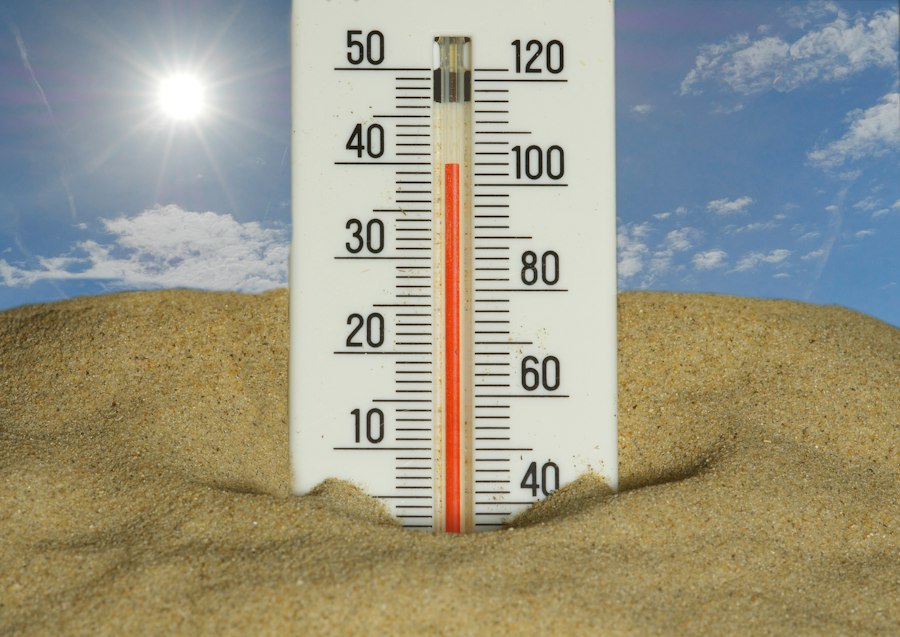
While modifying the home environment is essential, personal cooling and meticulous hydration are paramount for individual survival during extreme heat without power. The body’s ability to cope with heat is directly linked to its internal state, and proactive measures are vital.
The Lifeline of Hydration: Water and Electrolyte Balance
Dehydration is a swift and dangerous consequence of extreme heat, especially when combined with a loss of cooling. Maintaining proper hydration is non-negotiable. Drink plenty of water, even if you don’t feel thirsty. The goal is to replenish the fluids lost through sweating. For prolonged heat exposure, especially if you’ve been sweating heavily, plain water might not be enough to replace lost electrolytes. Consider sports drinks or electrolyte-rich beverages, but be mindful of sugar content. Coconut water is a natural source of electrolytes. Avoid sugary drinks, caffeine, and alcohol, as they can contribute to dehydration.
Recognizing and Responding to Dehydration Symptoms
Understanding the early signs of dehydration is crucial. These include increased thirst, dry mouth, reduced urination, fatigue, and dizziness. As dehydration progresses, symptoms can worsen to include dark urine, sunken eyes, and a lack of tears. Promptly addressing these symptoms by drinking fluids is essential. If symptoms are severe or persistent, seeking medical attention is paramount.
Cooling the Body Directly: Clothing and Personal Hygiene
The choice of clothing plays a significant role in personal comfort and heat regulation. Opt for lightweight, loose-fitting garments made from breathable fabrics like cotton or linen. Light colors reflect sunlight, further reducing heat absorption. Staying clean also helps. Frequent sponge baths with cool water can lower body temperature and prevent heat rash. Wearing a damp bandana or hat around your neck can provide continuous cooling as the water evaporates.
Cooling Techniques for Infants and the Elderly
These groups are particularly vulnerable to heat-related illnesses. For infants, ensure they are dressed in lightweight clothing and are offered more frequent fluids (breast milk or formula). Never leave an infant in a hot car, even for a short period. For the elderly, encourage them to drink fluids regularly, even if they don’t feel thirsty. Monitor them closely for any signs of heat-related distress and ensure their living environment is as cool as possible.
Essential Supplies and Preparedness for a Heatwave Emergency
Proactive preparedness is the most effective strategy for weathering a power outage during extreme heat. Having the right supplies on hand can make the difference between discomfort and a genuine emergency.
Emergency Water Storage: A Critical Reservoir
Water is your most vital resource. Store a minimum of one gallon of water per person per day for drinking and sanitation. Consider larger containers for longer outages. Rotate your water supply every six months to ensure freshness. In addition to potable water, have a supply of non-perishable food that requires no cooking or minimal preparation, such as canned goods, energy bars, and dried fruits.
Lighting and Communication: Staying Connected and Informed
Without power, illumination becomes a challenge. Stock up on battery-powered lanterns, flashlights, and an ample supply of extra batteries. Consider a hand-crank or solar-powered radio to stay informed about weather updates, emergency instructions, and the estimated restoration of power. Ensure your mobile phones are fully charged before a predicted outage, and consider a portable power bank for recharging.
Cooling Devices and Alternatives: Extending Comfort
Beyond natural methods, consider battery-powered fans as an immediate source of relief. Personal cooling towels that activate with water can provide targeted cooling. If you have a generator, ensure it is properly maintained and used safely outdoors, away from windows and doors, to avoid carbon monoxide poisoning. For those with specific medical needs, pre-planning with healthcare providers regarding medication storage and cooling requirements is essential.
First-Aid Kit and Medications: Addressing Immediate Health Needs
A well-stocked first-aid kit is essential for any emergency. Include items for treating minor injuries, burns, and insect bites. If you or a family member require prescription medications, ensure you have at least a week’s supply on hand. Discuss with your doctor or pharmacist how to store medications safely during a power outage, as some medications require refrigeration.
Surviving extreme heat without electricity can be a daunting challenge, but there are various strategies that can help individuals cope during such times. For instance, staying hydrated and utilizing natural ventilation can significantly improve comfort levels. Additionally, understanding the broader implications of climate-related issues, such as those discussed in a related article on the challenges of overland shipping between the US and Mexico, can provide valuable insights into how infrastructure and logistics are affected by extreme weather. To learn more about these challenges, you can read the article here.
When to Seek External Assistance: Knowing Your Limits
| Metric | Recommended Value/Guideline | Notes |
|---|---|---|
| Indoor Temperature | Below 80°F (27°C) | Use shading, ventilation, and cooling techniques to maintain |
| Water Intake | At least 2-3 liters per day | Increase intake during extreme heat to prevent dehydration |
| Clothing | Lightweight, loose-fitting, light-colored | Helps reflect heat and allows sweat evaporation |
| Ventilation | Cross-ventilation with open windows/doors | Maximize airflow during cooler parts of the day |
| Cooling Methods | Use damp cloths, fans (battery-operated), and shade | Evaporative cooling helps reduce body temperature |
| Time Outdoors | Limit to early morning or late evening | Avoid peak heat hours (10 AM – 4 PM) |
| Rest Periods | Frequent breaks in shaded or cooler areas | Prevents heat exhaustion and heat stroke |
| Food Intake | Light meals, avoid heavy or hot foods | Reduces metabolic heat production |
| Emergency Contacts | Have a list of local cooling centers and emergency services | Important for vulnerable individuals |
Despite the best preparations, there are times when home-based strategies are insufficient, and seeking external help becomes necessary. Recognizing these situations and knowing where to turn can be life-saving.
Identifying Vulnerable Individuals and Community Resources
Certain individuals are at higher risk during extreme heat and power outages. This includes infants, the elderly, pregnant women, individuals with chronic health conditions, and those with disabilities. Community resources, such as designated cooling centers, are often established by local authorities during heatwaves. These centers provide air-conditioned spaces for the public to escape the heat. Familiarize yourself with the locations and operating hours of these centers in your area.
Emergency Services and Medical Care: Prioritizing Health
If you or someone you know experiences severe symptoms of heat-related illness, such as confusion, loss of consciousness, or seizures, do not hesitate to call emergency services immediately. Recognize that heatstroke is a medical emergency. For individuals with chronic health conditions that may be exacerbated by extreme heat or power outages, proactively communicating with their healthcare providers to develop contingency plans is crucial.
Neighborly Support and Mutual Aid: The Power of Community
In times of crisis, neighbors can be an invaluable resource. Check on elderly neighbors, families with young children, or those with known health vulnerabilities. Offering assistance with fetching water, sharing cooling strategies, or providing transportation to a cooling center can make a significant difference. Fostering a sense of community preparedness can enhance everyone’s resilience.
Evacuation and Shelter: When Staying Home is Not an Option
In extreme circumstances, such as prolonged power outages in conjunction with dangerous heat, local authorities may issue evacuation orders for designated shelters. Staying informed about these advisories through reliable news sources or emergency alerts is vital. If an evacuation order is issued, follow the instructions of emergency personnel and prioritize safety.
Surviving extreme heat without power is a test of preparedness, resourcefulness, and community spirit. By understanding the dangers, implementing effective cooling strategies, prioritizing personal hydration and cooling, and ensuring adequate supplies, individuals can significantly mitigate the risks. The ability to remain calm, adapt to circumstances, and know when to seek external assistance are all critical components of successfully navigating these challenging conditions. The lessons learned from power outages during heatwaves serve as a potent reminder of the importance of proactive planning and community support in ensuring the safety and well-being of all.