
The persistent whisper of a changing climate is no new song to humanity. Long before the advent of modern meteorology or the stark pronouncements of scientific consensus, ancient peoples faced environmental shifts, adapting their lives and societies to survive and thrive. Their strategies, honed over millennia of observation and experimentation, offer profound insights into resilience and innovation in the face of planetary transformation. These ancestral approaches were not driven by abstract ecological theories but by the visceral realities of survival – securing food, water, shelter, and community in environments that were constantly, and sometimes dramatically, in flux. Examining these ancient adaptations illuminates not just historical ingenuity but also provides a deep well of wisdom for contemporary challenges.
Ancient societies, intimately connected to their natural surroundings, possessed an unparalleled understanding of environmental cycles. They lived by the sun, the moon, the stars, and the subtle shifts in weather patterns. This deep observational capacity allowed them to anticipate and react to changes that might have seemed sudden to those less attuned. Their knowledge was not merely academic; it was practical, embodied, and passed down through generations, forming the bedrock of their survival strategies.
The Importance of Oral Tradition and Observational Knowledge
For cultures without written records, the transmission of knowledge was paramount. Oral traditions, encompassing myths, legends, stories, and practical instructions, served as living libraries of environmental wisdom. Elders, revered for their accumulated experience, were repositories of information about weather prediction, animal behavior, plant life cycles, and the signs of environmental stress. This knowledge was not static; it was a dynamic system, constantly refined by the observations of each generation. For instance, a story about a particularly harsh winter might contain embedded instructions on how to store food reserves, identify edible winter plants, or build more robust shelters. These narratives were not just entertainment; they were survival manuals, ensuring that critical information about adapting to climate variability was never lost.
Mapping Environmental Clues: Weather Patterns and Seasonal Shifts
Ancient peoples were astute observers of subtle environmental cues. They learned to read the clouds, the direction of the wind, the behavior of insects and birds, and the ripening of specific plants as indicators of impending weather changes. A particular cloud formation might signal an approaching storm, while the unusual flight patterns of birds could indicate a shift in seasons or a coming drought. These observations were not random; they were systematic, leading to the development of sophisticated local calendars and almanacs, often tied to celestial events. These calendars allowed for precise planning of agricultural cycles, hunting expeditions, and resource gathering, minimizing the risks associated with unpredictable weather. The timing of planting, for example, was critical. Sowing seeds too early could lead to frost damage, while sowing too late could result in insufficient growth before the onset of drought or the end of the growing season.
Reading the Landscape: Signs of Drought, Flood, and Resource Scarcity
Beyond weather, ancient communities learned to read the land itself for signs of stress. Changes in water levels in rivers and lakes, the drying up of springs, the wilting of certain vegetation, or the migration patterns of animals could all signal impending environmental challenges. These observations allowed for proactive responses, such as migrating to areas with more reliable water sources or intensifying efforts to conserve existing resources. The decline of certain animal populations, for example, might prompt a shift in hunting strategies or a greater reliance on alternative food sources. Similarly, the early signs of drought, such as a reduction in the size and abundance of wild fruits, would trigger efforts to collect and preserve any available resources more diligently.
Ancient civilizations have long demonstrated remarkable adaptability to changing climates, a theme explored in depth in various studies. For instance, the article titled “Tuvalu’s Future: Challenges and Opportunities Ahead” discusses how modern societies can learn from historical adaptations to climate change, emphasizing the importance of resilience and innovation. By examining the strategies employed by ancient peoples in response to environmental shifts, we can gain valuable insights into how contemporary communities, like those in Tuvalu, might navigate their own climate-related challenges. To read more about this topic, visit the article here: Tuvalu’s Future: Challenges and Opportunities Ahead.
Mobility and Resourcefulness: The Nomadic and Semi-Nomadic Advantage
For many ancient societies, mobility was not a sign of instability but a strategic advantage in navigating environmental fluctuations. The ability to move with the seasons, following resource availability or escaping unfavorable conditions, was a cornerstone of their adaptive strategies. This flexibility allowed them to capitalize on temporary abundance and mitigate the impact of prolonged scarcity.
Seasonal Migrations and Following the Rains
Pastoralist societies, in particular, developed highly sophisticated migration routes, often spanning vast distances. These movements were dictated by the availability of fresh grazing lands for their livestock, which in turn were influenced by rainfall patterns. Following the rains meant accessing the most nutritious pastures and ensuring the survival of their herds, the foundation of their economy and sustenance. These migrations were not haphazard wanderings; they were carefully planned journeys, often undertaken over generations, with established routes and designated resting points. The knowledge of water sources and safe passage along these routes was a vital component of their cultural inheritance.
Transhumance: Seasonal Movement Between Altitudes and Latitudes
A specific form of seasonal migration, known as transhumance, involved moving livestock between different ecological zones based on the time of year. In mountainous regions, for instance, communities would move their herds to higher altitudes during the summer months when lower valleys became too hot and dry, and then descend to lower elevations in the winter to escape the snow and find more sheltered pastures. This practice maximized the use of available grazing land throughout the year and provided a buffer against localized environmental extremes. The success of transhumance relied on intimate knowledge of microclimates and the timing of vegetation growth at different elevations.
Opportunistic Foraging and Harvesting: Capitalizing on Fleeting Resources
Beyond the deliberate movements of pastoralists, many hunter-gatherer and agricultural societies practiced opportunistic foraging and harvesting. When environmental conditions were favorable, they would exploit abundant resources, whether it was a sudden bloom of edible plants, a predictable migration of fish or game, or a particularly bountiful harvest. This required an acute awareness of the environment’s fleeting opportunities and the ability to mobilize quickly to take advantage of them. This might involve temporarily settling in an area rich in a specific resource or undertaking specialized expeditions to gather it. The preservation of these harvested resources, through drying, smoking, or other methods, was crucial for extending their availability beyond the immediate period of abundance.
Innovation in Agriculture and Resource Management

When sedentary lifestyles became prevalent, ancient peoples developed ingenious agricultural practices and resource management techniques to cope with environmental variability. These innovations were not about imposing control over nature but about working in harmony with its rhythms, mitigating its excesses, and maximizing its bounty.
Water Management Systems: Terracing, Irrigation, and Reservoirs
Water was, and remains, the lifeblood of agriculture. Ancient civilizations developed sophisticated water management systems to deal with both drought and flood. Terracing hillsides, for example, prevented soil erosion and allowed for more efficient water retention in arid regions. Elaborate irrigation systems, channeling water from rivers and springs to fields, transformed arid landscapes into fertile agricultural zones. The construction of reservoirs and cisterns to store water during periods of abundance for use during times of scarcity was also a critical strategy. The Inca’s extensive terracing system in the Andes is a prime example of this, allowing them to cultivate crops on steep slopes and manage water runoff effectively.
Drought-Resistant Crops and Seed Saving
The domestication and cultivation of indigenous crops that were naturally resistant to drought or other adverse conditions were fundamental to agricultural resilience. Ancient farmers also developed sophisticated seed-saving techniques, carefully selecting and preserving seeds from the most productive and resilient plants. This ensured a continuous supply of adapted varieties and provided a genetic bank to draw upon in the face of changing environmental pressures. The practice of saving seeds from plants that survived a drought year, for example, would prioritize the propagation of those hardier genes.
Crop Diversification and Mixed Farming
Reliance on a single crop made communities vulnerable to disease or environmental disaster. Ancient agriculturalists often practiced crop diversification, cultivating a variety of crops with different growing seasons, water requirements, and resilience to pests and diseases. Mixed farming, integrating livestock into agricultural systems, also enhanced resilience. Animal manure fertilized the soil, improving crop yields, while crop byproducts provided fodder for livestock. This synergistic approach created a more robust and self-sustaining agricultural ecosystem.
Social and Economic Adaptations: Building Resilience Through Community
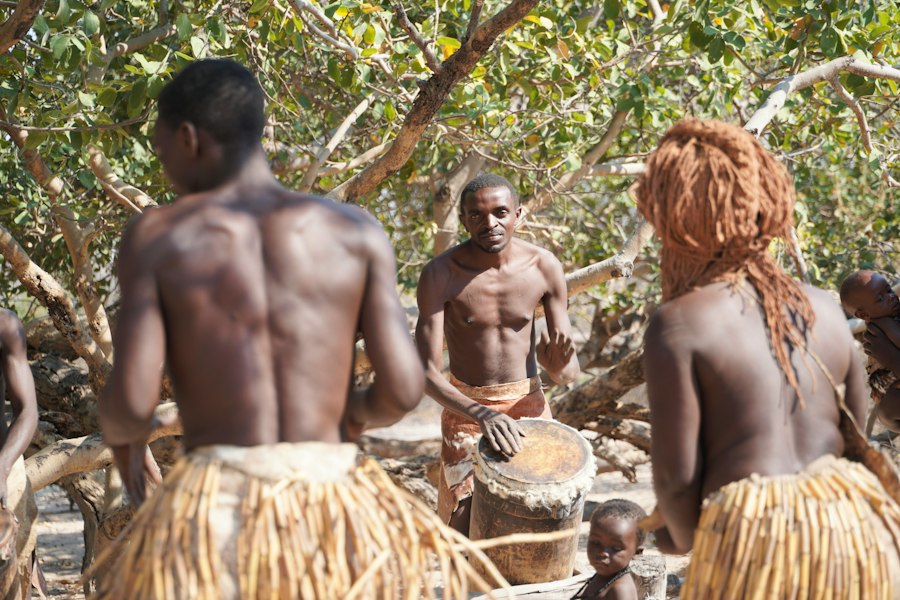
Beyond technological and agricultural innovations, ancient societies developed social and economic structures that fostered resilience in the face of climate challenges. These adaptations focused on shared responsibility, cooperation, and the equitable distribution of resources.
Resource Sharing and Redistribution Networks
In times of scarcity, communal resource sharing and redistribution networks were vital for survival. Communities often had mechanisms in place to ensure that everyone had access to food and water, regardless of their individual fortunes. This could involve communal granaries, shared hunting grounds, or systems of reciprocal exchange. The principle of “kula” in the Trobriand Islands, a ceremonial exchange system of shell valuables, while not directly for survival, demonstrates a deep-seated cultural emphasis on reciprocal obligation and network building, which would have underpinned survival in harsher times.
Fostering Cooperation and Collective Action
The ability to mobilize collective action was crucial for undertaking large-scale projects, such as building irrigation systems or responding to natural disasters. Social structures that promoted cooperation, strong leadership, and a sense of shared purpose were essential. These societies understood that collective effort could overcome challenges that would be insurmountable for individuals acting alone. This could manifest in communal labor during planting or harvesting seasons, or in organized efforts to rebuild after floods or fires.
Flexible Kinship and Social Structures
Kinship systems and social structures often provided a flexible safety net during times of crisis. Extended family networks and broader community ties offered support, shelter, and resources to individuals or families facing hardship. In some cases, social structures might have been deliberately flexible, allowing for the assimilation of individuals or small groups from neighboring communities experiencing more severe environmental pressures.
Ancient people demonstrated remarkable adaptability to changing climates, employing various strategies to ensure their survival and prosperity. For instance, they developed innovative agricultural techniques, such as crop rotation and irrigation, to cope with shifting weather patterns. This adaptability is echoed in modern discussions about labor and industry, as seen in the article on the evolution of the American factory worker, which explores how workers have historically adjusted to economic and environmental changes. You can read more about this fascinating topic in the article here.
The Legacy of Ancient Adaptation: Lessons for Today
| Adaptation Strategy | Description | Example Civilization | Climate Condition | Effectiveness |
|---|---|---|---|---|
| Agricultural Innovation | Development of irrigation systems to manage water supply | Ancient Egyptians | Arid, Nile River flooding cycles | High – Enabled stable food production |
| Migration | Relocation to more hospitable areas due to climate stress | Early Homo sapiens | Ice Age cold periods | Moderate – Allowed survival but caused cultural shifts |
| Housing Adaptations | Building shelters suited to local climate (e.g., insulated homes) | Inuit | Arctic cold | High – Provided protection from extreme cold |
| Dietary Changes | Shifting diet based on available flora and fauna | Native Americans | Variable climates across regions | Moderate – Improved nutrition and survival |
| Water Storage | Construction of cisterns and reservoirs to store rainwater | Ancient Mesopotamians | Dry, unpredictable rainfall | High – Ensured water availability during droughts |
The strategies employed by ancient peoples to adapt to climate change are not mere historical footnotes. They offer a profound legacy of resilience, innovation, and a deep respect for the natural world. Their experiences underscore the importance of understanding local environments, embracing flexibility, and fostering strong, cooperative communities.
Rediscovering and Reinterpreting Traditional Ecological Knowledge
In an era of rapid environmental change, the rediscovery and reinterpretation of traditional ecological knowledge (TEK) holds immense potential. Ancient wisdom, embedded in oral traditions and indigenous practices, can offer valuable insights into sustainable resource management, climate-resilient agriculture, and adaptive social structures. This knowledge, often dismissed as primitive, is in fact a sophisticated system of adaptation refined over millennia.
The Importance of Localized Solutions and Context-Specific Strategies
The success of ancient adaptations lay in their specificity. Solutions were tailored to local environmental conditions, cultural contexts, and resource availability. This highlights the limitations of one-size-fits-all approaches to climate adaptation and emphasizes the need for context-specific strategies that are grounded in local knowledge and realities. What worked in the arid Andes might not be directly applicable in the temperate forests of Europe, but the underlying principles of adaptation can be extrapolated.
Building Resilience Through Decentralization and Community Empowerment
Ancient societies often operated with decentralized decision-making and empowered local communities to manage their resources and respond to challenges. This model of resilience, rooted in community autonomy and collective action, offers a powerful alternative to top-down, centralized approaches to climate adaptation. Empowering local communities to identify their needs and implement their solutions is crucial.
The stories of ancient peoples adapting to climate are not just tales of survival; they are testaments to human ingenuity and the enduring capacity to thrive in a dynamic world. As contemporary societies grapple with the profound challenges of climate change, looking to the past offers not just inspiration, but a rich repository of wisdom, reminding us that resilience is a deeply human trait, honed over millennia, and intrinsically linked to our understanding and respect for the planet we inhabit. Their legacy is a call to listen to the rhythms of the Earth and to draw upon the deep well of ancestral knowledge to navigate the uncertain futures that lie ahead.

How Ancient Cities Stayed Cool Without Air Conditioning
FAQs
1. How did ancient people adapt to climate changes?
Ancient people adapted to climate changes by developing various strategies such as changing their diets, altering their clothing, building shelters suitable for different weather conditions, and migrating to more hospitable regions.
2. What role did agriculture play in ancient people’s adaptation to climate?
Agriculture played a crucial role in ancient people’s adaptation to climate by allowing them to cultivate crops that were resilient to different weather patterns, ensuring a stable food supply even during harsh conditions.
3. How did ancient civilizations manage water resources to adapt to climate changes?
Ancient civilizations managed water resources by constructing elaborate irrigation systems, reservoirs, and water storage facilities to ensure a steady supply of water for agriculture, drinking, and other essential needs during varying climate conditions.
4. Did ancient people have knowledge of seasonal changes and how did they use this knowledge to adapt?
Ancient people had a deep understanding of seasonal changes and used this knowledge to plan their activities such as planting and harvesting crops, hunting, and gathering resources accordingly. They also developed calendars based on celestial events to predict seasonal changes.
5. How did ancient people’s knowledge of natural resources help them adapt to climate changes?
Ancient people’s knowledge of natural resources, such as medicinal plants, building materials, and sources of food, helped them adapt to climate changes by utilizing these resources effectively to cope with changing environmental conditions and sustain their communities.