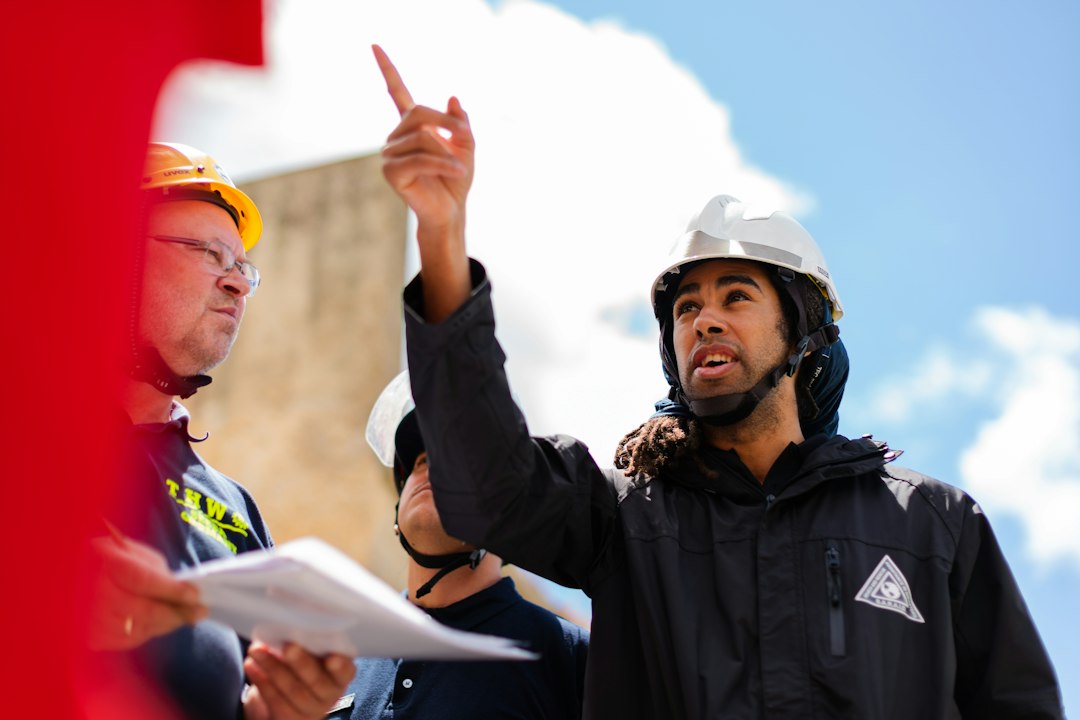
The flickering light of the screen cast a warm glow across the darkened room as the opening credits of “Uncovering Ancient Engineering: A History Documentary” rolled. The soaring, evocative music promised a journey back in time, a deep dive into the ingenuity of civilizations long past. This documentary, a meticulous and captivating exploration, doesn’t just recount historical facts; it endeavors to uncover ancient engineering in its purest, most awe-inspiring form. It’s a testament to human ambition, a chronicle of how our ancestors, armed with little more than keen observation, raw materials, and a profound understanding of the world around them, shaped landscapes and constructed monuments that continue to baffle and inspire us today.
The film begins by setting a grand stage. It acknowledges the inherent difficulty in fully comprehending the leaps and bounds made by ancient peoples, whose technological advancements often appear startlingly sophisticated when viewed through the lens of modern science. The documentary team, comprised of leading archaeologists, engineers, and historians, embarks on a multi-year project, employing cutting-edge scanning technology, detailed historical analysis, and even experimental archaeology to demystify these monumental achievements. The narrative thread is woven through the voices of these experts, who, with palpable enthusiasm, guide the viewer through the intricate details of ancient construction, from the colossal pyramids of Egypt to the aqueducts of Rome and the intricate city planning of the Maya. It’s a compelling argument against the notion of ancient peoples as primitive, instead presenting them as master builders, problem solvers, and innovators who laid the very foundations of our modern technological world.
The documentary logically commences its exploration with the earliest known feats of engineering, tracing the nascent sparks of human ingenuity that led to the first permanent settlements and, subsequently, the first monumental structures. It establishes that engineering isn’t merely about building; it’s about understanding natural forces and harnessing them for human benefit.
Mesopotamia: The Cradle of Civilization and Its Architectural Innovations
The fertile crescent of Mesopotamia, often hailed as the “cradle of civilization,” is presented as a crucial starting point. The documentary highlights the development of the ziggurat, those towering stepped pyramids that dominated the Mesopotamian skyline.
The Ziggurat: More Than Just a Religious Monument
Expert analysis delves into the construction techniques of these massive structures, emphasizing the use of sun-dried bricks, a readily available material in the region. The film explores the engineering challenges involved in stacking such immense quantities of material, discussing methods of load-bearing and stability.
Irrigation Systems: Taming the Rivers for Sustenance
Beyond religious architecture, the documentary shines a light on Mesopotamia’s sophisticated irrigation systems. The engineers of the time understood the vital importance of water management for agriculture and survival.
Canals and Dams: Controlling the Tigris and Euphrates
Through CGI reconstructions and archaeological evidence, viewers witness the intricate networks of canals and dams that diverted the waters of the Tigris and Euphrates rivers, transforming arid lands into fertile fields. The film discusses the societal organization required to build and maintain such complex systems, underscoring the collaborative nature of ancient engineering.
The Impact on Agriculture and Urban Development
The success of these irrigation projects is directly linked to the burgeoning of Mesopotamian cities, demonstrating how engineering played a fundamental role in supporting population growth and the development of complex societies.
Ancient Egypt: The Pharaohs’ Architectural Legacy
No discussion of ancient engineering would be complete without a deep dive into the wonders of Ancient Egypt. The documentary dedicates significant segments to the iconic pyramids, but it also unearths the less celebrated, yet equally impressive, engineering marvels that supported Egyptian society.
The Pyramids: Mastering Scale and Precision
The construction of the pyramids, particularly the Great Pyramid of Giza, is explored in meticulous detail. The film challenges popular misconceptions and presents current archaeological theories on how these colossal structures were erected.
Quarrying and Transportation of Stone
The documentary showcases the sophisticated methods employed in quarrying massive stone blocks, often from distant locations. It examines the tools, techniques, and likely the immense manpower involved in transporting these heavy materials, using simulations to illustrate the possible use of sledges, ramps, and the power of the Nile River.
The Art of the Ramp and Lever
The debate surrounding the precise methods of lifting and placing the stones is a central theme. Experts discuss the likelihood of various ramp systems – straight, spiral, or internal – and the ingenious application of levers to maneuver the immense blocks into position with astonishing accuracy.
The Alignment and Precision of Construction
A significant portion of the segment is dedicated to the incredible precision with which the pyramids are aligned with cardinal directions and the celestial bodies. This speaks to a profound understanding of astronomy and geometry, integrated directly into their architectural designs.
The Nile River: A Lifeline of Engineering
The Nile, the lifeblood of Egypt, was not just a natural resource; it was a canvas for engineering.
Flood Control and Irrigation
The Egyptians developed sophisticated systems to manage the annual Nile floods, using levees and basins to control water levels for both irrigation and preventing devastating inundation.
Naval Architecture: The Boats of the Pharaohs
The documentary also touches upon Egyptian naval engineering, showcasing their ability to construct large, seaworthy vessels used for trade, transport, and even warfare, demonstrating a mastery of buoyancy and hull design.
In exploring the fascinating world of ancient engineering, one can draw parallels to modern manufacturing trends, particularly in how innovation shapes economies. A related article that delves into contemporary shifts in manufacturing is available at this link. This piece discusses Mexico’s emergence as a new manufacturing hub, highlighting the evolution of production techniques and the historical context that has led to such transformations, much like the groundbreaking engineering feats of ancient civilizations.
Engineering in the Ancient World: Masters of Water and Infrastructure
Beyond monumental structures, the documentary expands its scope to encompass the practical and pervasive engineering feats that facilitated daily life, trade, and the expansion of empires. The control and distribution of water, in particular, emerges as a recurring theme, a testament to its fundamental importance in sustaining human civilization.
Roman Engineering: The Empire of Aqueducts and Roads
The Roman Empire is depicted as a civilization where engineering was not just a craft but a cornerstone of its power and longevity. The documentary focuses on their unparalleled ability to build infrastructure that connected and sustained their vast territories.
The Aqueducts: Supplying a Growing Empire
The iconic Roman aqueducts are presented as a paramount example of their engineering prowess. The film meticulously breaks down the principles behind their construction.
Gravity and Siphon Principles
Viewers learn how the Romans, through precise calculations of gradient, harnessed gravity to transport water over vast distances. The documentary explains the clever use of siphons to overcome geographical obstacles.
Arcades and Tunnels: Overcoming Terrain
The documentary showcases how the Romans employed arches and tunnels to maintain the consistent gradient required for water flow, transforming challenging landscapes into manageable conduits. CGI visualizations bring to life the construction process of these magnificent structures.
Water Distribution Networks in Cities
The film also highlights the complex distribution networks within Roman cities, demonstrating how water was channeled to public baths, fountains, and private residences, a testament to their sophisticated urban planning.
The Roman Road Network: Connecting an Empire
The vast network of Roman roads is explored as another testament to their engineering and organizational skills.
Construction Techniques and Durability
The documentary delves into the layered construction of Roman roads, designed for drainage and durability. The principles of sub-base, aggregate, and paving are explained, showcasing how these roads have endured for millennia.
Strategic Importance and Societal Impact
The strategic military and economic importance of these roads is underscored, facilitating rapid troop movement, trade, and communication across the empire.
Greek Engineering: Philosophy, Physics, and Practical Application
While often celebrated for their philosophy and democracy, the ancient Greeks also possessed remarkable engineering capabilities, though perhaps with a different emphasis than the Romans. The documentary explores their contributions, particularly in the application of scientific principles to practical problems.
The Antikythera Mechanism: An Ancient Computer?
A significant segment is dedicated to the enigmatic Antikythera mechanism, a device that astounds modern scientists with its complexity.
Understanding Planetary Motion
The film explains how this intricate bronze device, discovered in a shipwreck, accurately predicted astronomical positions and eclipses, hinting at a sophisticated understanding of celestial mechanics.
Gears and Precision Engineering
The documentary examines the intricate gears and dials of the mechanism, demonstrating a level of precision engineering that was not thought to exist in antiquity. Experts speculate on its purpose and the knowledge required to create it.
Architectural Innovations: The Parthenon and Beyond
The Greeks’ architectural achievements, exemplified by structures like the Parthenon, are also analyzed.
Optical Illusions and Mathematical Harmony
The film discusses how Greek architects incorporated subtle optical illusions and mathematical principles to create aesthetically pleasing and structurally sound buildings, such as the entasis of columns to correct visual distortions.
Early Mechanical Devices
Beyond architecture, the documentary touches upon the development of early mechanical devices, such as water clocks and automata, hinting at a practical application of scientific inquiry.
Innovations in Materials and Construction Techniques
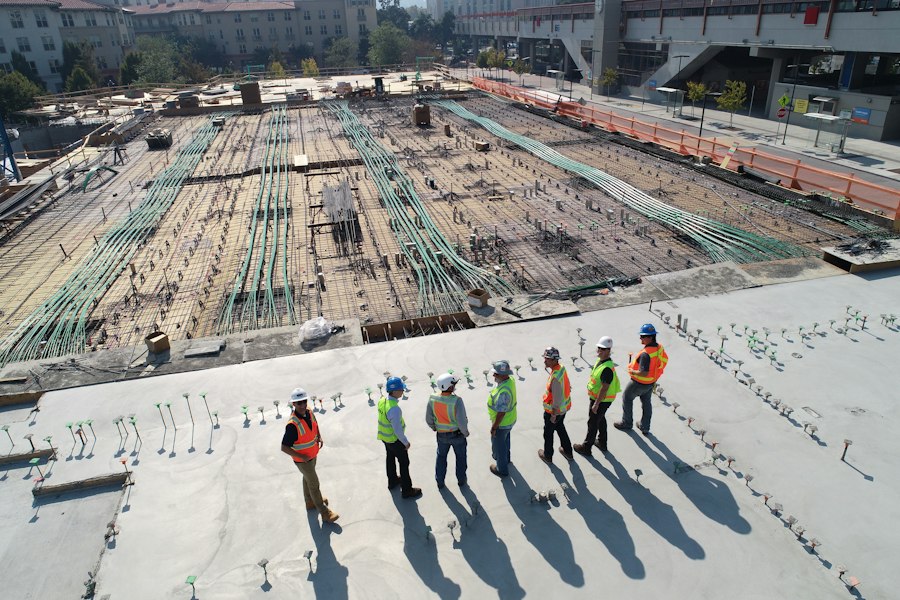
The success of any engineering feat relies not only on design but also on the mastery of materials and the development of effective construction techniques. “Uncovering Ancient Engineering” dedicates considerable attention to these aspects, revealing the cleverness and resourcefulness of ancient builders.
In exploring the fascinating world of ancient engineering, one can draw parallels to the intricate strategies employed during significant historical events, such as the Civil War. A related article that delves into this topic is available at Unraveling the Civil War: A Deep Analysis, which examines how innovative tactics and technologies shaped the course of history. Understanding these connections not only enriches our appreciation of ancient engineering marvels but also highlights the enduring impact of ingenuity throughout time.
The Power of Concrete: Roman Innovations
The Romans’ invention and widespread use of concrete was a revolutionary advancement that enabled them to build on an unprecedented scale.
Pozzolana: The Secret Ingredient
The documentary explains the crucial role of pozzolana, a volcanic ash, in Roman concrete. This ingredient allowed the concrete to harden even underwater, opening up new possibilities for construction.
Applications in Architecture and Infrastructure
The film showcases numerous examples of Roman structures built with concrete, from the Pantheon’s massive dome to aqueducts, bridges, and harbors, highlighting its versatility and durability.
Understanding Roman Concrete Today
Modern scientists are still studying Roman concrete to understand its longevity and environmental resilience, revealing lessons for contemporary construction.
Timber and Stone: Traditional Materials Mastered
While concrete was a game-changer, the documentary also acknowledges the enduring importance of traditional materials like timber and stone, and the sophisticated ways in which ancient civilizations manipulated them.
Advanced Quarrying and Stone Dressing
Beyond the pyramids, the film explores advanced techniques used by various cultures for quarrying, shaping, and fitting stone with remarkable precision, often without the aid of modern machinery.
The Art of Carpentry and Joinery
The documentary touches upon the skills of ancient carpenters and joiners, particularly in shipbuilding and the construction of wooden structures, highlighting their understanding of wood properties and joinery techniques.
The Use of Natural Binders and Adhesives
The film also delves into the use of natural binders and adhesives derived from sources like lime, bitumen, and animal glues, which played a crucial role in binding materials and ensuring the stability of structures.
The Legacy of Ancient Engineering: Shaping the Modern World
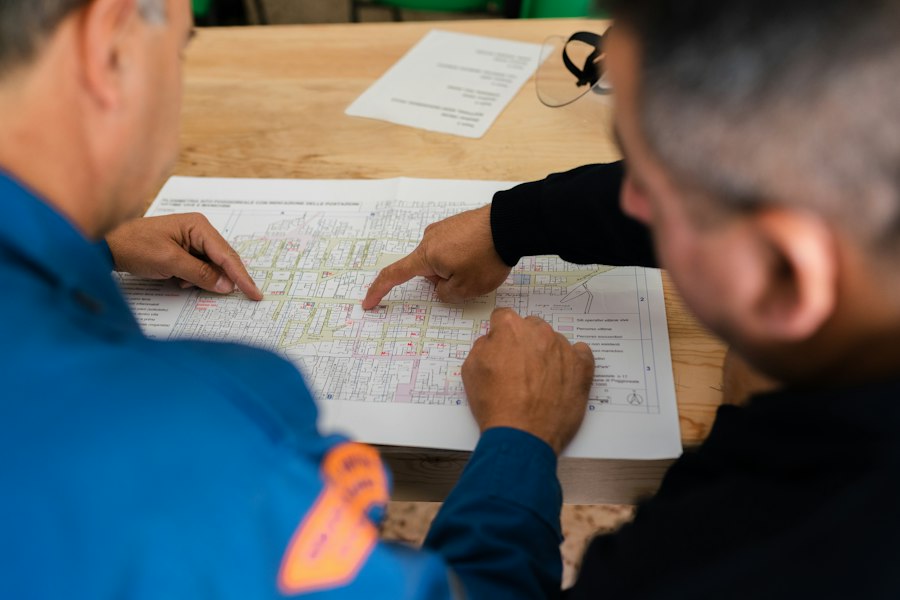
The documentary culminates by emphasizing the profound and lasting impact of ancient engineering on the world we inhabit today. It argues that our modern technological landscape is built upon the foundational innovations and principles established by these early civilizations.
Echoes in Modern Design and Technology
The film draws direct parallels between ancient engineering solutions and modern applications, demonstrating that many principles remain relevant.
Structural Principles in Modern Architecture
The enduring strength of the arch, the efficiency of the dome, and the principles of load-bearing are shown to be directly traceable to ancient designs, still influencing contemporary architectural marvels.
Water Management and Civil Engineering
The documentary highlights how ancient irrigation, water supply, and sanitation systems laid the groundwork for modern civil engineering practices.
The Birth of Measurement and Standardization
The need for precise measurement and standardization in ancient construction is shown to have contributed to the development of early metrology and engineering standards that continue to evolve today.
Inspiring Future Innovations
Ultimately, “Uncovering Ancient Engineering” serves as an inspirational testament to human potential. The documentary suggests that by understanding and appreciating the ingenuity of our ancestors, we can gain valuable insights and perhaps even solutions for the challenges we face in the future. It encourages viewers to look at the world around them with a newfound appreciation for the deep roots of human innovation, reminding us that the spirit of engineering has been with us since the dawn of civilization. The documentary leaves the viewer not just informed, but with a sense of wonder and a profound respect for the enduring legacy of ancient engineering.

How Ancient Cities Stayed Cool Without Air Conditioning
FAQs
What is the ancient engineering history documentary about?
The ancient engineering history documentary explores the remarkable engineering achievements of ancient civilizations around the world.
Which ancient civilizations are featured in the documentary?
The documentary showcases the engineering feats of civilizations such as the Egyptians, Greeks, Romans, Mayans, and Chinese.
What are some examples of engineering marvels highlighted in the documentary?
Some examples of engineering marvels featured in the documentary include the Great Pyramid of Giza, the Colosseum in Rome, the Parthenon in Athens, and the Great Wall of China.
Who are the experts interviewed in the documentary?
The documentary features interviews with archaeologists, historians, engineers, and other experts in the field of ancient engineering to provide insights and analysis.
Where can I watch the ancient engineering history documentary?
The documentary may be available for streaming on platforms such as Netflix, Amazon Prime, or through educational channels like PBS or the History Channel.