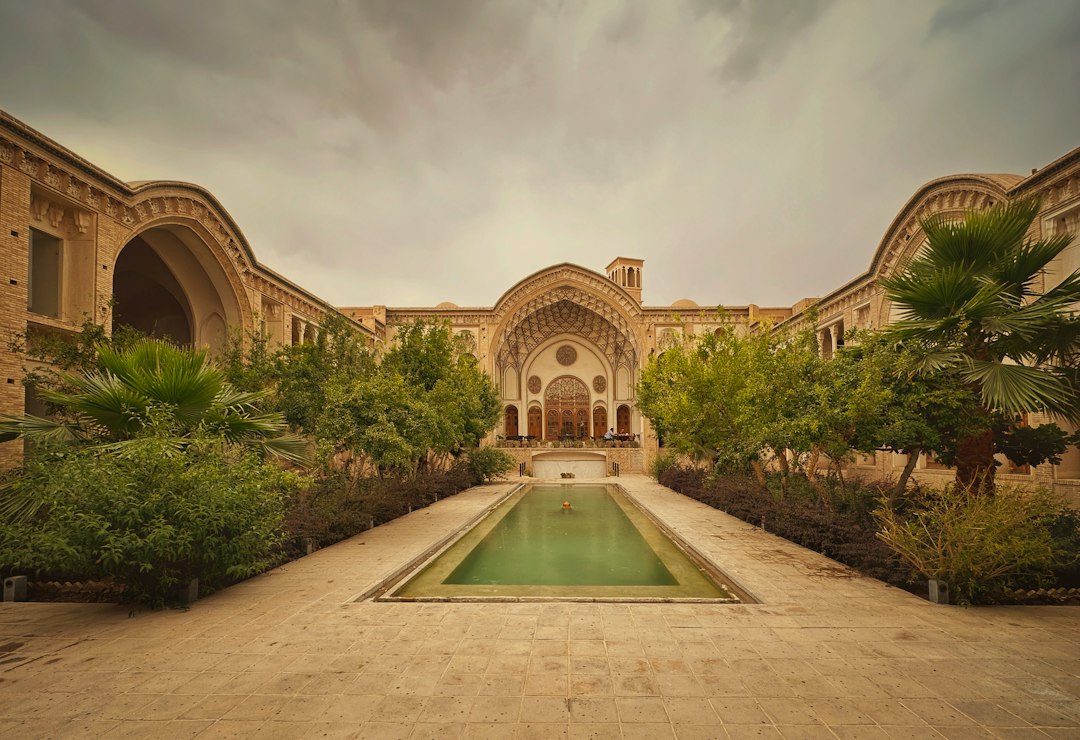
The screen flickered to life, not with the immediate grandeur of towering minarets or sprawling palaces, but with the soft, earthy hues of the Mesopotamian landscape. Then, a voice, measured and resonant, began to narrate, drawing the viewer into a world long past, a world defined by a civilization whose architectural legacy continues to awe and inspire. “The Majesty of Ancient Persian Architecture: A Documentary” is not merely a collection of images and facts; it is an immersive journey through millennia of innovation, artistry, and imperial ambition, brought to life through stunning visuals and insightful commentary. The documentary, helmed by a team of seasoned historians and archaeologists, delves deep into the very foundations of Persian architectural thought, tracing its evolution from its earliest stirrings to the zenith of its imperial splendor.
The film begins its exploration not with the Achaemenids, as many might expect, but with the foundational cultures that laid the groundwork for what would become Persian architectural prowess. The very earliest settlements, though modest in scale, offered glimpses into a burgeoning desire for permanence and communal identity.
Elamite Innovations: Laying the Blueprint
The documentary highlights the contributions of the Elamites, a civilization that predates the Persians in the region. Their mud-brick constructions, while seemingly humble, demonstrated a sophisticated understanding of local materials and climate.
Early Settlements and Urban Planning
The program showcases reconstructions and archaeological evidence of Elamite cities, revealing early attempts at organized urban layouts. This section emphasizes the practical considerations that guided their building, such as defense and resource management.
The Use of Mud Brick and Terracotta
“The Majesty of Ancient Persian Architecture” meticulously details the widespread use of mud brick, a testament to the resourcefulness of ancient peoples. The documentary explains the techniques employed in its production and application, revealing a surprising level of engineering skill in creating durable structures. The vibrant terracotta decorations unearthed from Elamite sites are also given their due, hinting at an early appreciation for aesthetics in their built environment.
The Rise of the Medes: Precursors to Empire
Before the Achaemenids, the Medes carved out their own influential kingdom, and their architectural endeavors served as a crucial stepping stone. The documentary argues that the Medes were instrumental in fostering a sense of unified architectural style that the Persians would later inherit and amplify.
Median Fortresses and Royal Residences
The film presents findings from Median archaeological sites, focusing on their defensive structures and the nascent forms of royal palaces. These early fortifications demonstrate a strategic understanding of terrain and a desire to project power through imposing edifices.
Influence of Neighboring Cultures
A significant portion of this segment is dedicated to exploring the cultural exchange that influenced Median architecture. The documentary illustrates how interactions with Mesopotamian and Anatolian civilizations led to the adoption and adaptation of various building techniques and decorative motifs, setting a precedent for future Persian empires.
For those interested in the intricate details of ancient Persian architecture, a fascinating article that delves into the historical context of architectural advancements can be found at this link. This piece not only explores the architectural marvels of ancient Persia but also connects them to broader historical narratives, providing a comprehensive understanding of how these structures were influenced by their environment and culture.
The Achaemenid Zenith: Imperial Grandeur Defined
It is with the Achaemenid Empire that the documentary truly enters its most visually spectacular phase. This era, spanning from the 6th to the 4th centuries BCE, witnessed the creation of architectural marvels that would define the very essence of Persian grandeur.
Persepolis: The Ceremonial Heart of the Empire
Persepolis, the crowning achievement of Achaemenid architecture, is explored in breathtaking detail. The documentary takes viewers on a virtual tour of this UNESCO World Heritage site, highlighting its monumental scale and intricate artistry.
The Apadana: A Symphony of Columns
The Apadana, the audience hall of Persepolis, is presented as a masterpiece of engineering and design. The film analyzes the construction of its vast colonnade, emphasizing the sheer number of columns and the sophisticated techniques used to erect them. The intricate bas-reliefs adorning its walls, depicting processions of tribute bearers from across the empire, are meticulously examined, revealing a narrative of imperial unity and power.
The Gate of All Nations: A Symbol of Inclusivity
The Gate of All Nations, with its imposing lamassus – winged bulls with human heads – is depicted as a powerful symbol of the Achaemenid Empire’s openness and its ability to incorporate diverse cultures within its vast domain. The documentary discusses the symbolism of these guardian figures and their placement at the entrance to the ceremonial complex.
The Palace of Darius and Xerxes: Royal Residences
The private palaces of Darius and Xerxes are showcased, revealing the sophisticated living quarters and administrative centers of the Persian kings. The documentary explores the layout of these complexes, the materials used in their construction, and the decorative elements that reflected the wealth and power of the rulers.
Pasargadae: The First Achaemenid Capital
Before Persepolis, Pasargadae served as the initial capital of the Achaemenid Empire. The documentary dedicates a segment to this site, highlighting its distinct character and its importance in establishing the Achaemenid architectural identity.
Cyrus the Great’s Vision: A City of Gardens
The film emphasizes Cyrus the Great’s vision for Pasargadae as a city of pleasure and paradise, a stark contrast to the more formal and ceremonial nature of Persepolis. The architectural elements that supported this vision, such as the elaborate gardens and the unique tomb of Cyrus, are explored in depth.
The Tomb of Cyrus: A Monumental Legacy
The tomb of Cyrus is presented as a singular architectural achievement. The documentary analyzes its distinctive stepped platform and its austere yet powerful design, arguing that it represents a profound statement of the king’s legacy and his connection to the land.
Imperial Road Network and Infrastructure
Beyond the grand palaces, the documentary also sheds light on the practical infrastructure that supported the vast Achaemenid Empire. The well-constructed road network, facilitated by impressive bridges and caravanserais, is presented as a testament to their engineering capabilities.
The Royal Road: Arteries of the Empire
The film details the construction and significance of the Royal Road, highlighting its role in facilitating communication, trade, and military movements across the empire. The documentary explains how this extensive network contributed to the empire’s administrative efficiency and its ability to maintain control over its vast territories.
Engineering Marvels: Bridges and Water Management
The documentary showcases examples of Achaemenid bridges and aqueducts, demonstrating their sophisticated understanding of hydraulics and structural engineering. These practical applications of their architectural knowledge underscore the empire’s ability to manage its resources and sustain its population.
The Parthian Interlude: Bridging Eras
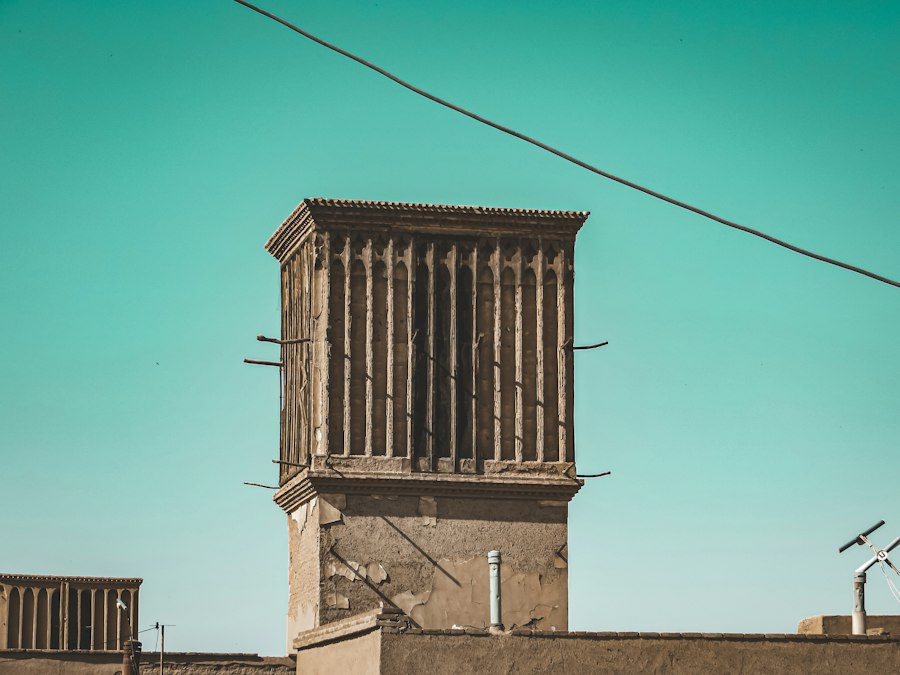
Following the fall of the Achaemenid Empire to Alexander the Great, the Parthians emerged as a dominant force in Persia. Their architectural style, while different from their predecessors, demonstrates a continuity of spirit and innovation.
Echoes of Hellenism: The Influence of Greek Architecture
The documentary explores the significant Hellenistic influence on Parthian architecture. The interaction with Greek styles led to the incorporation of new forms and decorative elements.
Courtyard-Centric Designs
A key feature highlighted is the Parthian penchant for courtyard-centric designs, a departure from the more open pillared halls of the Achaemenids. The film explains how these enclosed spaces offered a different approach to urban living and palace construction.
The Stupas of Taxila (Present-day Pakistan) and the Influence of Gandharan Art
While the film primarily focuses on Persian heartlands, it acknowledges the broader cultural sphere of influence. The documentary draws parallels between Parthian architectural elements and those found in Gandharan art, showcasing the interconnectedness of artistic expression across ancient empires.
Fortifications and Defensive Architecture
The Parthians were renowned for their military prowess, and their architecture reflects this. The documentary examines their formidable fortresses and defensive structures.
Strategic Placement and Construction Techniques
The film details the strategic placement of Parthian forts, often utilizing natural terrain to their advantage. The construction techniques, including the use of thick walls and sophisticated defensive features, are discussed, demonstrating their mastery of military architecture.
The Rise of the Iwan: A Defining Feature
The documentary emphasizes the emergence and widespread adoption of the iwan, a vaulted, open-ended space, as a distinctive feature of Parthian architecture. This architectural element would go on to profoundly influence subsequent Persian architectural styles.
The Sasanian Flourishing: A New Imperial Vision
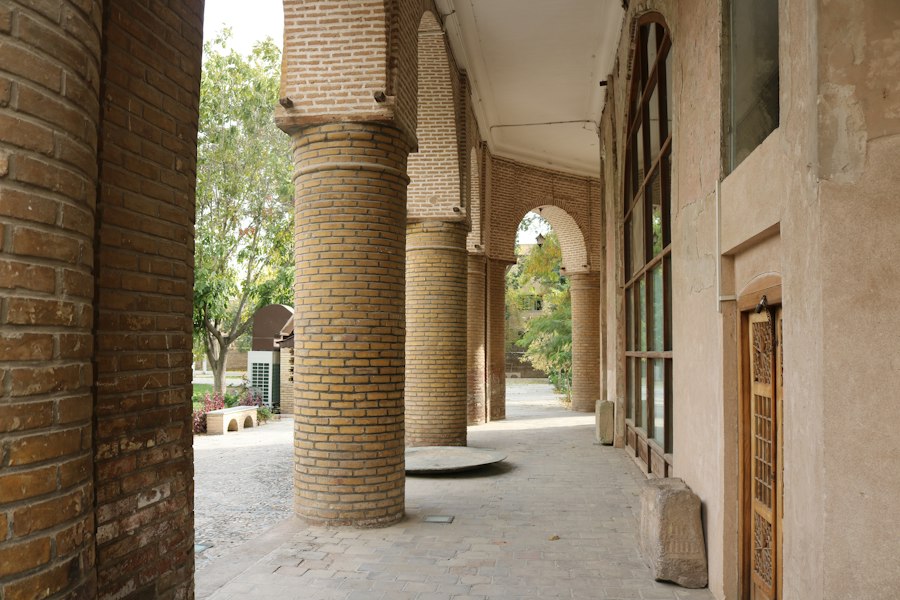
The Sasanian Empire, which rose to power after the Parthians, represented a significant resurgence of Persian imperial power and a distinct architectural identity. This era saw a return to grandeur and a development of new forms.
The Dawn of the Vaulted Dome: Engineering Prowess
The Sasanians are credited with significant advancements in vault construction and dome engineering. The documentary explores their mastery of these techniques, which allowed for the creation of soaring interior spaces.
Ctesiphon and the Arch of Taq-i Kisra
The grand arch of Ctesiphon, the Taq-i Kisra, is presented as a monumental testament to Sasanian engineering. The film analyzes its immense scale and the sophisticated brickwork that enabled its construction, highlighting its enduring impact on architectural history.
The Development of Dome Construction
The documentary meticulously traces the evolution of Sasanian dome construction, from early experiments to the sophisticated techniques employed in imperial palaces and fire temples. The use of squinches and pendentives to transition from square bases to circular domes is explained in detail.
Fire Temples and Religious Architecture
Sasanian architecture is deeply intertwined with their Zoroastrian faith. The documentary explores the design and function of their fire temples, showcasing their spiritual significance.
Symbolism and Sacred Spaces
The film delves into the symbolic language of Sasanian religious architecture, explaining how the design of fire temples reflected Zoroastrian beliefs and practices. The sacredness of the altar and the role of fire as a divine element are discussed.
Palaces as Expressions of Royal Power and Divine Authority
Sasanian palaces, such as those at Bishapur and Sarvestan, are presented as powerful expressions of royal authority and their divine mandate. The documentary examines their grandeur, their intricate stucco decorations, and their unique architectural layouts, which often incorporated iwans and large halls.
In exploring the grandeur of ancient Persian architecture, one can gain a deeper understanding of the cultural and historical context that shaped these magnificent structures. A fascinating article that delves into the complexities of ancient civilizations and their architectural achievements can be found here: related article. This resource offers insights that complement the themes presented in the documentary, highlighting the innovative techniques and artistic expressions that defined Persian architecture.
Enduring Legacy: The Timeless Allure of Persian Architecture
| Metric | Details |
|---|---|
| Documentary Title | Ancient Persian Architecture: Legacy of the Achaemenids |
| Duration | 52 minutes |
| Release Year | 2023 |
| Key Architectural Sites Featured | Persepolis, Pasargadae, Susa, Naqsh-e Rustam |
| Architectural Styles Covered | Achaemenid, Parthian, Sassanian |
| Number of Expert Interviews | 7 |
| Languages Available | English, Persian, French |
| Production Company | Heritage Films |
| Viewer Rating (out of 10) | 8.7 |
| Number of Historical Artifacts Shown | 15 |
The documentary concludes by reflecting on the enduring impact of ancient Persian architecture on subsequent architectural traditions and its continued relevance today.
Influence on Islamic Architecture
A significant portion of the final segment is dedicated to exploring the profound influence of ancient Persian architectural forms and techniques on the development of Islamic architecture.
The Iwan and the Courtyard Tradition
The documentary illustrates how the Sasanian iwan and courtyard-centric designs were adopted and adapted by Islamic builders, becoming integral elements of mosques, madrasas, and palaces across the Islamic world.
Decorative Motifs and Engineering Principles
The film highlights the transmission of Sasanian decorative motifs, such as intricate stucco work and geometric patterns, into Islamic art. Furthermore, it discusses how the engineering principles developed by the Sasanians continued to inform later architectural endeavors.
Preservation and Modern Relevance
The documentary emphasizes the importance of preserving these ancient architectural wonders for future generations. It also touches upon how these ancient designs continue to inspire contemporary architects and urban planners.
The Role of Archaeology and Conservation Efforts
The film showcases the ongoing work of archaeologists and conservationists in excavating, preserving, and studying these invaluable sites, underscoring their dedication to safeguarding this rich heritage.
Contemporary Inspiration and Architectural Dialogue
“The Majesty of Ancient Persian Architecture” leaves the viewer with a profound appreciation for the ingenuity, artistry, and lasting impact of this civilization’s built environment. It argues that these ancient structures are not merely relics of the past but living testaments to human creativity and ambition, continuing to engage in a silent, yet powerful, dialogue with the modern world. The documentary successfully demonstrates that the majesty of ancient Persian architecture is not confined to its historical context but resonates across time, a testament to the enduring power of human innovation and artistic expression.

How Ancient Cities Stayed Cool Without Air Conditioning
FAQs
What is ancient Persian architecture?
Ancient Persian architecture refers to the architectural styles and structures built in the region of Persia (modern-day Iran) during ancient times, showcasing the rich cultural and artistic heritage of the Persian civilization.
What are some key features of ancient Persian architecture?
Some key features of ancient Persian architecture include the use of intricate tile work, grandiose entrances, towering columns, and expansive courtyards. The architecture often incorporated elements of nature, such as gardens and water features.
Why is ancient Persian architecture significant?
Ancient Persian architecture is significant for its innovative design, advanced engineering techniques, and lasting influence on architectural styles around the world. It reflects the artistic and cultural achievements of the Persian civilization.
What can viewers expect from an ancient Persian architecture documentary?
Viewers can expect to learn about the history, significance, and key architectural elements of ancient Persian buildings and structures. The documentary may feature interviews with experts, stunning visuals of ancient sites, and insights into the construction methods used.
Where can one watch an ancient Persian architecture documentary?
An ancient Persian architecture documentary may be available for streaming on platforms like Netflix, Amazon Prime Video, or specialty documentary channels. It may also be screened at film festivals or cultural events related to Persian history and art.