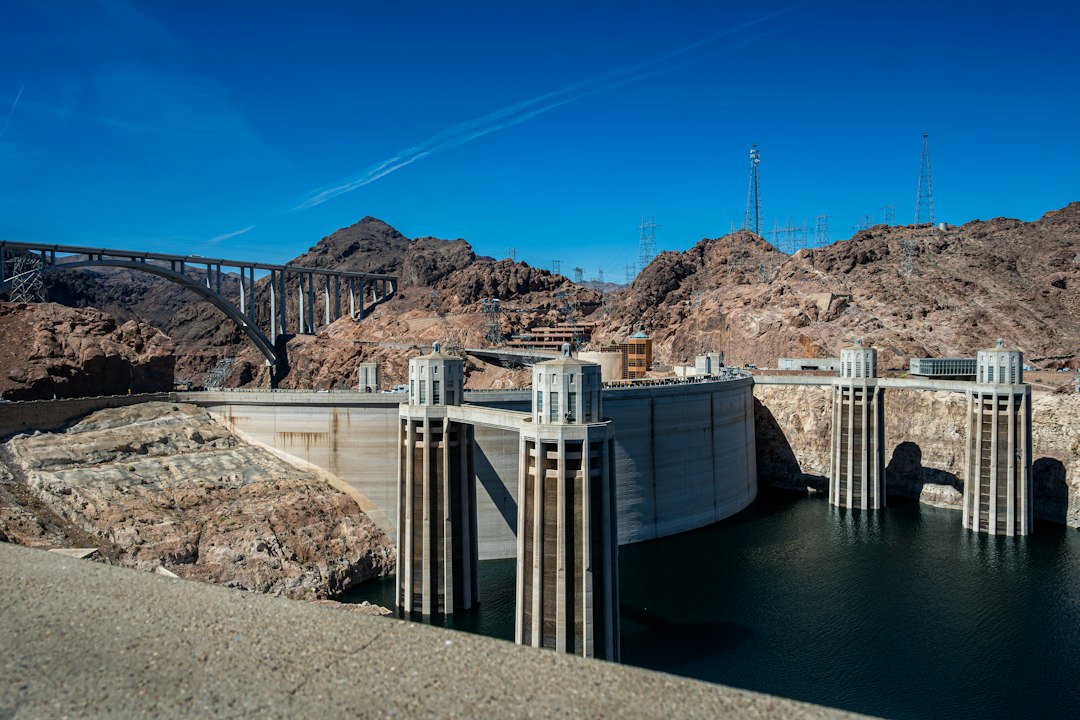
The relentless sun beats down on the parched earth, a constant reminder of the unforgiving nature of arid landscapes. For millennia, humanity has grappled with this fundamental challenge: how to coax life from a land where water is a precious, elusive commodity. Across the globe, ancient civilizations, driven by necessity and ingenuity, developed sophisticated systems for managing water, transforming seemingly barren expanses into arable land and thriving settlements. Uncovering these ancient desert water management techniques offers a profound glimpse into the resilience, adaptability, and advanced knowledge of our ancestors, providing invaluable lessons for our own water-scarce future.
The allure of the desert, with its stark beauty and profound silence, has always been intertwined with the struggle for survival. Life in these arid regions is a testament to the human spirit’s ability to adapt and innovate in the face of extreme environmental conditions. For early societies, the scarcity of water was not merely an inconvenience; it was a life-or-death imperative. Every drop mattered, and the ability to collect, store, and distribute water determined the prosperity and even the very existence of communities. This persistent quest for water forged a deep understanding of the natural world, a knowledge passed down through generations and etched into the very landscape.
The Natural Clues: Reading the Desert’s Language
Ancient peoples were astute observers of their environment. They learned to “read” the desert, understanding its subtle cues and patterns. This intuitive knowledge formed the bedrock of their water management strategies.
Topography and Drainage Patterns
The contours of the land provided the first and most crucial clues. Ancient peoples recognized how rainfall, however infrequent, would flow across the terrain. They identified natural depressions, wadis (dry riverbeds), and ephemeral streams that, during rare downpours, would channel water. Understanding these natural drainage patterns allowed them to position their settlements and water harvesting structures strategically, maximizing the capture of every available drop. They mapped these flows, not with scientific instruments, but with generations of accumulated observation and experience, creating mental maps of the landscape’s hydrological behavior.
Geomorphology and Soil Composition
The type of soil and rock also played a significant role. They understood how different substrates retained or allowed water to percolate. Sandy soils, for instance, might absorb water quickly but also allow it to drain away just as fast. Clay soils, on the other hand, could hold water for longer periods, making them ideal for storage if properly contained. They learned to identify areas where underground water might be closer to the surface, often indicated by specific types of vegetation that could only thrive with access to moisture.
Vegetation Indicators
The presence and type of plant life served as a vital indicator of water availability. Certain desert plants, such as reeds or specific types of grasses, are deeply rooted and draw water from deeper underground sources. Ancient communities learned to associate these plants with areas where wells could be dug or where underground cisterns might be feasible. The wilting or flourishing of specific flora could signal changes in the water table or the presence of near-surface moisture.
Ancient desert water management techniques have long fascinated researchers, shedding light on how early civilizations adapted to arid environments. For instance, the article “Private Sector Investment in Building Lunar Infrastructure” explores innovative approaches to resource management in extreme conditions, drawing parallels between ancient practices and modern technological advancements. By examining how ancient societies harnessed and conserved water in deserts, we can gain insights into sustainable practices that might be applicable in future endeavors, such as establishing habitats on the Moon. To learn more about this intriguing connection, you can read the article here: Private Sector Investment in Building Lunar Infrastructure.
Engineering with Nature: Harnessing the Fleeting Rain
The most iconic ancient desert water management systems were those designed to capture and store the infrequent, yet powerful, desert rains. These were not passive endeavors; they were active interventions, engineering marvels that shaped the landscape to serve human needs.
Terracing and Contour Bunds: Slowing the Flow
One of the most widespread and effective techniques involved modifying the land’s surface to slow down the runoff and allow water to infiltrate the soil. Terracing, particularly on sloping terrain, created a series of level steps, each designed to hold water behind a low stone or earth wall. This prevented rapid erosion and maximized the time water had to soak into the ground, nourishing crops planted on the terraces.
Contour Bunds and Check Dams
Similar to terraces, contour bunds are low, elongated mounds of earth or stones built along the natural contours of the land. These effectively create a series of small reservoirs, trapping rainwater and allowing it to seep into the soil. In larger wadis, ancient engineers constructed check dams – small barriers across the dry riverbed – to impede the flow of water and encourage sedimentation and infiltration. These structures, often simple in appearance, were remarkably effective in raising the local water table and supporting vegetation downstream.
Gabions and Riprap
In areas with more pronounced slopes or where erosion was a significant concern, ancient peoples utilized structures akin to modern gabions and riprap. These involved building retaining walls or reinforcing streambeds with carefully placed stones and boulders. This not only stabilized the soil but also helped to dissipate the energy of flowing water, further aiding in infiltration and preventing destructive erosion.
Cisterns and Reservoirs: Storing the Scarcity
The most direct way to combat water scarcity was to store it. Ancient civilizations developed ingenious methods for capturing and preserving rainwater, often for use during the long dry seasons.
Subterranean Cisterns: The Hidden Wealth
Many desert cultures excavated vast underground cisterns, ingeniously carved into rock or lined with impermeable materials like clay or bitumen. These subterranean reservoirs offered several advantages: they minimized evaporation losses, protected water from contamination, and kept it cool. The intricate networks of pipes and channels leading to these cisterns are a testament to their sophisticated understanding of hydraulics and gravity.
Above-Ground Reservoirs: Community Water Banks
In some regions, larger above-ground reservoirs or tanks were constructed. These were often communal resources, serving entire villages or even cities. Their construction required significant labor and planning, but the reward was a reliable supply of water that could sustain populations through prolonged droughts. The scale of some of these ancient reservoirs is truly astonishing, reflecting the collective effort and commitment to water security.
The Art of the Aqueduct: Transporting Life’s Elixir
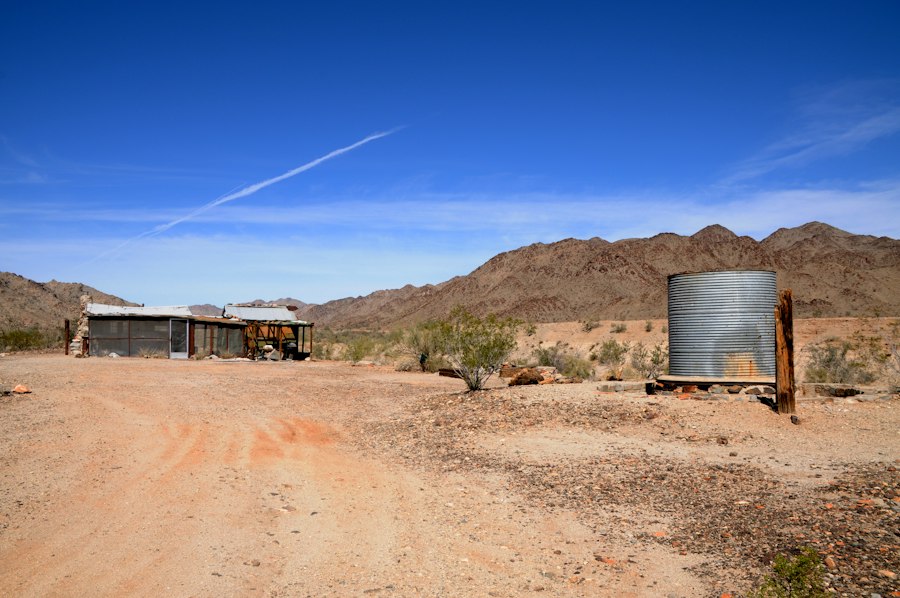
While water harvesting at the source was crucial, many ancient desert civilizations also excelled at transporting water over significant distances, bringing life-giving moisture to settlements far from natural water sources.
Gravity-Fed Systems: The Power of Inclination
The most common method for long-distance water transport relied on the simple yet powerful force of gravity. Aqueducts, a hallmark of Roman engineering but employed by many earlier cultures, were essentially channels designed with a precise, subtle slope. This gradient allowed water to flow from a higher source, such as a spring or a mountain stream, to a lower destination, often a city or agricultural area.
Ancient Roman Aqueducts
The Romans are perhaps most famous for their magnificent aqueduct systems, many of which still stand as testaments to their engineering prowess. These aqueducts, often built of stone or concrete, spanned vast distances, overcoming topographical challenges with arches and tunnels. The precision in their construction ensured a consistent flow of water, supplying public baths, fountains, and domestic use.
Qanats and Foggaras: The Subterranean Network
In Persia, the Middle East, and North Africa, an even more ingenious system of subterranean aqueducts known as qanats (or foggaras in North Africa) was developed. These systems tapped into underground water sources in higher elevations and channeled water through a series of gently sloping tunnels. Vertical shafts, dug at regular intervals, allowed for access to the tunnels for maintenance and ventilation, while also preventing excessive water loss through evaporation. The qanat system could transport water for tens or even hundreds of kilometers, transforming arid regions into fertile oases.
Ceramic Pipes and Channels: Controlled Delivery
For more localized distribution and to prevent seepage, ancient engineers also employed ceramic pipes and lined channels. These provided a more controlled and efficient way to move water within settlements and to individual fields. The production of uniform, durable ceramic pipes required advanced kiln technology and a deep understanding of material science.
Conserving and Reusing: The Wisdom of Efficiency
Beyond collection and transport, ancient desert dwellers understood the paramount importance of conservation and reuse. They recognized that every drop of water was a finite resource, to be used wisely and not wasted.
Irrigation Techniques: Maximizing Crop Yield
Efficient irrigation was a cornerstone of desert agriculture. Ancient farmers developed a variety of methods to deliver water directly to the roots of plants, minimizing evaporation and runoff.
Flood Irrigation (with careful control)
While often associated with waste, controlled flood irrigation was used in some ancient systems. By carefully managing the water flow and the timing, farmers could saturate the soil and allow it to absorb moisture without excessive loss. This was often implemented in conjunction with terracing or bunding to retain the water.
Drip Irrigation (early forms)
Evidence suggests that some ancient cultures may have developed rudimentary forms of drip irrigation. This could have involved the use of porous clay pots buried near plants, which would slowly release water as the soil dried. While not as sophisticated as modern drip systems, these early innovations demonstrated a keen understanding of targeted water delivery.
Furrow Irrigation
A more common and effective method involved creating small furrows or channels between rows of crops. Water would then be directed into these furrows, allowing it to seep into the soil and reach the plant roots. This was more efficient than broadcasting water over an entire field.
Wastewater Management and Reuse
The concept of “waste” was often redefined in ancient desert societies. Water used for domestic purposes or even for certain agricultural activities was often channeled to other uses.
Greywater Systems
Water from washing and basic household needs (greywater) might have been directed to irrigate non-food crops or ornamental gardens. This diverted water from the primary potable supply and provided additional moisture for vegetation.
Fertilization through Irrigation
In some cases, water from animal husbandry or even human waste was carefully managed and used to irrigate specific plots of land, acting as a form of fertilization while also utilizing the water. This practice, while potentially unappealing by modern standards, was a highly effective method of nutrient and water recycling in resource-scarce environments.
Ancient civilizations developed sophisticated methods for managing water in arid desert environments, showcasing their ingenuity in overcoming the challenges posed by limited resources. For a fascinating exploration of how strategic locations, such as the moon, can serve as pivotal points for future exploration and resource management, you can read more in this insightful article. The connection between ancient practices and modern strategies highlights the ongoing importance of effective water management in sustaining life, both on Earth and beyond. To learn more about this topic, visit this article.
The Legacy of Resilience: Lessons for Today
| Ancient Civilization | Water Management Technique | Location | Purpose | Estimated Time Period | Key Features |
|---|---|---|---|---|---|
| Ancient Egyptians | Nilometer and Basin Irrigation | Nile River Valley, Egypt | Flood control and irrigation | c. 3000 BCE – 30 BCE | Measurement of Nile flood levels; basin irrigation to trap floodwaters |
| Persians (Achaemenid Empire) | Qanat System | Iran and surrounding deserts | Groundwater extraction for irrigation and drinking | c. 1000 BCE – 500 BCE | Underground tunnels to transport water from aquifers to surface |
| Ancient Nabateans | Rock-cut Cisterns and Channels | Petra, Jordan | Water storage and distribution in arid environment | c. 4th century BCE – 1st century CE | Carved cisterns and channels to collect and store rainwater |
| Indus Valley Civilization | Urban Drainage and Reservoirs | Indus River Basin, Pakistan/India | Water supply and sanitation | c. 3300 BCE – 1300 BCE | Well-planned drainage systems and large reservoirs for water storage |
| Ancient Romans | Aqueducts and Cisterns | Roman Empire deserts and cities | Water transport and storage | c. 312 BCE – 476 CE | Elevated aqueducts and underground cisterns to supply water to arid areas |
The ancient systems of desert water management, developed over millennia, offer a profound and often overlooked legacy. They stand as powerful testaments to human ingenuity, adaptability, and a deep understanding of ecological principles. As the world faces increasingly severe water scarcity due to climate change and growing populations, these ancient solutions are not merely historical curiosities but vital sources of inspiration and practical wisdom.
Sustainable Practices and Traditional Knowledge
The meticulous planning, resourcefulness, and conservation inherent in these ancient systems highlight the importance of sustainable practices. They demonstrate that thriving human settlements can exist in arid environments through a harmonious relationship with nature, rather than through exploitation. The traditional knowledge embedded in these techniques, passed down through oral traditions and practical application, holds immense value.
Modern Application and Inspiration
Modern engineers and water managers are increasingly looking to ancient solutions for inspiration. The principles behind qanats, for instance, are being explored for their potential in contemporary water harvesting projects. The emphasis on low-tech, community-based approaches, and the integration of water management with land use planning are all lessons that can be directly applied to contemporary challenges.
The Importance of Cultural Heritage
Uncovering and preserving these ancient water management sites is not just about engineering; it is about safeguarding cultural heritage. These sites tell the stories of our ancestors, their struggles, their triumphs, and their profound connection to the land. They remind us of our shared human history and the enduring capacity for innovation in the face of adversity. The study of these ancient systems encourages a deeper appreciation for the ingenuity of past civilizations and offers a vital roadmap for navigating the water challenges of the 21st century. They are a powerful reminder that solutions to our most pressing problems may lie in the forgotten wisdom of our ancestors.

How Ancient Cities Stayed Cool Without Air Conditioning
FAQs
What is ancient desert water management?
Ancient desert water management refers to the various techniques and systems used by ancient civilizations to collect, store, and distribute water in arid regions for agricultural, domestic, and industrial purposes.
What are some examples of ancient desert water management systems?
Examples of ancient desert water management systems include qanats (underground tunnels to transport water), cisterns (large storage containers for rainwater), terraced agriculture (farming on stepped platforms to capture and retain water), and irrigation canals.
Why was water management crucial in ancient desert civilizations?
Water management was crucial in ancient desert civilizations because water scarcity was a major challenge in arid regions. Efficient water management systems allowed these civilizations to thrive, sustain agriculture, support growing populations, and develop advanced societies.
How did ancient desert civilizations adapt to water scarcity?
Ancient desert civilizations adapted to water scarcity by developing innovative water management techniques such as rainwater harvesting, aqueducts, water diversion structures, and water conservation practices. These adaptations were essential for their survival and prosperity in arid environments.
What is the legacy of ancient desert water management systems?
The legacy of ancient desert water management systems includes influencing modern water management practices, sustainable agriculture techniques, and environmental conservation efforts. Studying these ancient systems provides valuable insights into how to manage water resources in arid regions today.