The relentless sun beat down upon the ancient city, its heat a palpable presence that seeped into the very stones of its historic architecture. For centuries, these venerable structures had stood testament to human ingenuity, yet in the face of a changing climate, the city found itself struggling against an increasingly fierce adversary: urban heat. The narrow, winding streets, once designed for shade and natural ventilation, now amplified the oppressive warmth, creating microclimates that challenged the comfort and well-being of its inhabitants and visitors alike. Recognizing this growing threat, a collective of urban planners, architects, and environmental scientists embarked on a mission to reimagine the city’s public spaces, seeking innovative street design solutions to cool its ancient heart. This article explores the multifaceted approach taken, delving into the strategies employed to mitigate the urban heat island effect and restore a sense of thermal comfort to this treasured historical gem.
The challenge of cooling an ancient city is far more complex than that of a modern metropolis. Its historical fabric, while beautiful and culturally significant, presents unique constraints and opportunities. The urban heat island (UHI) effect, a phenomenon where urban areas experience significantly higher temperatures than surrounding rural areas, is exacerbated in ancient cities due to a confluence of factors. Understanding these factors is the crucial first step in developing effective cooling strategies.
The Materiality of History: Impermeable Surfaces and Heat Absorption
Ancient Paving Materials and their Thermal Properties
The very materials that define the historical character of the ancient city often contribute to its heat retention. Traditional paving stones, such as granite, basalt, and various types of sandstone, while durable and aesthetically pleasing, possess high thermal mass. This means they absorb significant amounts of solar radiation during the day and slowly release that heat back into the environment as temperatures drop in the evening. Unlike modern permeable paving materials that allow for evaporation and airflow, these ancient surfaces become giant heat sinks, contributing to uncomfortable night-time temperatures.
The Absence of Greenery: Lack of Canopy Cover and Vegetation
Historical urban planning in many ancient cities did not prioritize extensive green spaces within the dense urban core. The focus was often on building structures, public squares, and functional pathways. This lack of tree canopy and vegetative cover means that large expanses of the city are directly exposed to solar radiation without the moderating influence of shade and evapotranspiration. The few existing trees, often found in small courtyards or lining wider avenues, offer localized relief but are insufficient to combat the pervasive heat across the entire urban fabric.
Building Envelopes and Heat Trapping
The characteristic thick stone walls of ancient buildings, while excellent for insulation against extreme temperatures in the past, can now contribute to heat entrapment. During prolonged periods of high temperatures, these walls absorb and store heat, radiating it back into the streetscape long after the sun has set. The lack of modern ventilation systems and often smaller window openings in historical buildings can further limit the natural cooling potential of these structures.
Microclimate Dynamics: Narrow Streets and Airflow Obstructions
The dense, organic growth patterns of many ancient cities, characterized by narrow, winding streets and tightly packed buildings, can create unique microclimates. While these layouts historically offered some shade, they can also impede natural airflow, trapping heat and pollutants. The labyrinthine nature of these streets can create pockets of stagnant, superheated air, making certain areas significantly hotter than others.
Ancient city street design has long been a topic of interest for urban planners and historians alike, particularly in how these designs can influence heat distribution and urban microclimates. A related article that explores the broader implications of environmental changes on urban landscapes is available at this link: Isostatic Rebound and Antarctic Topography: A Changing Landscape. This article delves into the geological processes that shape our environment, which can indirectly affect how ancient cities were designed and how they interact with modern climate challenges.
Rethinking the Streets: Innovative Design Interventions
With a thorough understanding of the heat-generating factors, the focus shifted to implementing tangible design interventions that could actively cool the ancient city. The approach was not to erase its historical character, but to weave in modern, sustainable solutions that complement and enhance its existing fabric.
Harnessing the Power of Water: Evaporative Cooling Strategies
Water, in its various forms, offers one of the most effective natural cooling mechanisms. Introducing and strategically utilizing water elements within the streetscape became a cornerstone of the city’s cooling strategy.
Mist and Fogging Systems: Creating Micro-Oases
The installation of high-pressure misting and fogging systems along wider avenues and in public squares was a key innovation. These systems atomize water into superfine droplets that evaporate rapidly, drawing heat from the surrounding air and creating localized areas of significant temperature reduction. The fine mist also has the added benefit of increasing humidity, which can make high temperatures feel more bearable. The placement of these systems was carefully considered to maximize their impact without causing dampness or damage to historical structures.
Subsurface Water Features and Permeable Surfaces
Beyond visible water, innovative subsurface water management was explored. Incorporating underground reservoirs and channels that feed into permeable paving systems allowed for a more subtle yet continuous evaporative cooling effect. As water percolates through porous materials, it evaporates, drawing heat away from the surface. This also helps to manage stormwater runoff, a common issue in historic cities.
Bioretention Basins and Rain Gardens for Shade and Evaporation
The integration of bioretention basins and rain gardens, even in limited spaces, served a dual purpose. These vegetated depressions capture and filter stormwater, while the presence of plants provides shade and contributes to evaporative cooling through transpiration. Strategically placed in less trafficked areas or along the edges of plazas, they offer pockets of relief and enhance the aesthetic appeal of the streetscape.
Embracing the Green: Reintroducing Vegetation for Shade and Evapotranspiration
The scarcity of green cover was a significant contributor to the city’s heat. The challenge lay in integrating vegetation into a historically dense urban environment without compromising its heritage.
Vertical Gardens and Green Walls: Maximizing Space
To compensate for the limited ground-level space, vertical gardens and green walls were implemented on suitable building facades and along the sides of wider streets. These living walls not only provide insulation for buildings and reduce heat absorption from the sun but also contribute to evapotranspiration, releasing moisture into the air and cooling the immediate surroundings. Selecting drought-resistant and native plant species was crucial for their sustainability and integration into the local ecosystem.
Strategic Tree Planting and Understory Vegetation
While extensive tree canopy might be difficult to achieve in many ancient streets, a strategic approach to tree planting was adopted. Species known for their shade-providing qualities and ability to tolerate urban conditions were chosen. These were often planted in widened sidewalk areas or in protected courtyards, providing welcome shade to pedestrians and reducing surface temperatures. Understory vegetation, such as shade-tolerant shrubs and groundcovers, was also introduced to further reduce soil temperatures and increase evaporative cooling.
Permeable Paving with Integrated Vegetation
The marriage of permeable paving and vegetation offered a powerful cooling solution. This involved paving materials that allow water to pass through to the soil below, combined with planting strips or vegetated pockets integrated directly into the paving. This system not only facilitates water infiltration and evapotranspiration but also reduces the amount of heat absorbed by traditional, impermeable surfaces.
Material Innovation: Reflective and Permeable Surfaces
The very surfaces of the city play a crucial role in how heat is absorbed and dissipated. A move towards more heat-reflective and permeable materials was essential.
Cool Pavements: Reducing Solar Absorption
The concept of “cool pavements” was a significant intervention. This involved the use of materials with high solar reflectance and high thermal emittance. Light-colored paving stones, reflective coatings applied to existing surfaces (where historically appropriate and reversible), and specialized permeable concrete or asphalt were explored. These materials absorb less solar radiation, leading to lower surface temperatures and a reduction in the amount of heat re-radiated into the urban environment.
Permeable Paving for Enhanced Drainage and Evaporation
The widespread adoption of permeable paving materials throughout the city was a fundamental shift. These materials, such as porous asphalt, pervious concrete, and interlocking permeable pavers, allow rainwater and irrigation water to infiltrate into the ground beneath. This not only reduces surface runoff and the associated flooding risks but also allows for increased evaporation, a key mechanism for cooling the urban environment. The subtle sound of water percolating through these surfaces became a gentle reminder of the city’s cooling efforts.
Shading Devices and Architectural Integration
Beyond the ground plane, thoughtful integration of shading devices into the architectural fabric was explored.
Retractable Awnings and Louvers for Adaptable Shade
In areas where historical preservation allowed, retractable awnings and adjustable louvers were installed on building facades. These provide shade during the hottest parts of the day and can be retracted when not needed, maintaining the historical aesthetic. Their adaptability allows for a dynamic approach to solar control.
Integration of Shading Elements in New Interventions
When new public amenities were introduced, such as benches, kiosks, or information points, they were designed with integrated shading elements. These often took the form of permeable canopies or living structures, blending functionality with aesthetic appeal and providing localized relief.
Redesigning Circulation: Optimizing Airflow and Pedestrian Comfort
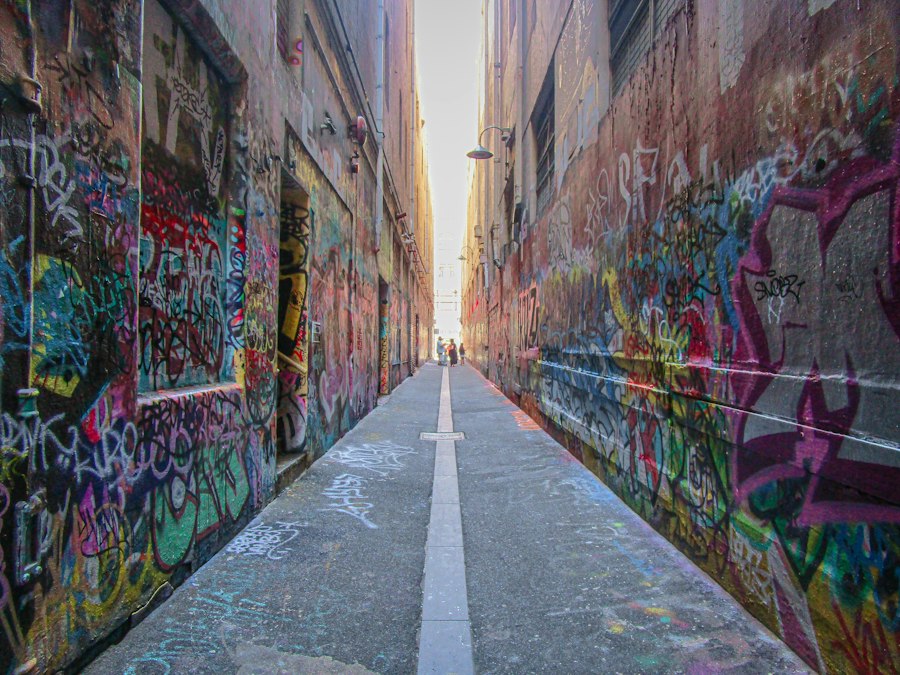
The flow of air within the ancient city was as important as the materials used. The dense, often irregular street network presented challenges, but also opportunities for improving natural ventilation.
Widening Pathways and Creating Air Corridors
In some instances, strategic widening of certain pedestrian pathways was undertaken to improve airflow and reduce the feeling of enclosure. This was done with sensitivity to historical sightlines and the overall urban morphology, creating designated “air corridors” that allowed for more effective ventilation.
Rethinking Street Furniture and Obstructions
The placement and design of street furniture, such as benches, bollards, and public art, were re-evaluated. Obstructions that hindered airflow were minimized, and furniture was often designed to be less heat-absorbent, utilizing lighter colors and materials.
Integrating Aerodynamic Principles in Design
Urban planners and designers consulted with aerodynamic specialists to understand how airflow could be manipulated. The placement of new structures, the landscaping of open spaces, and even the angle of building facades were considered to encourage the movement of cooler air and the dissipation of heat. This involved creating channels that facilitated wind flow and avoiding designs that created stagnant air pockets.
Technology and Data: Smart Solutions for a Cooler Future
The integration of technology and data analytics played a crucial role in understanding the problem and monitoring the effectiveness of the implemented solutions.
Real-Time Temperature Monitoring Networks
A network of sensors was deployed throughout the ancient city to collect real-time data on surface temperatures, air temperatures, and humidity levels. This data provided invaluable insights into the microclimates within different areas of the city, allowing for targeted interventions and adjustments.
Predictive Modeling for Heatwave Management
Using historical and real-time data, predictive models were developed to forecast periods of intense heat and potential heatwaves. This allowed for proactive measures to be implemented, such as increasing the operation of misting systems or providing additional shaded rest areas.
Smart Irrigation Systems for Water Conservation
For the newly introduced vegetation, smart irrigation systems were employed to ensure efficient water usage. These systems monitor soil moisture levels and weather forecasts, delivering water only when and where it is needed, thus conserving a precious resource.
Public Information and Engagement Platforms
Digital platforms were developed to inform residents and visitors about the cooling initiatives, real-time temperature data, and tips for staying cool during hot weather. This fostered a sense of community ownership and encouraged responsible behavior.
Ancient city street design has long fascinated historians and urban planners alike, particularly in how these layouts were optimized for heat management. The intricate planning of streets and buildings often reflected a deep understanding of local climate conditions, allowing for natural ventilation and shade. For those interested in exploring the technological advancements of ancient civilizations, a related article discusses the intriguing aspects of lost ancient technology and its impact on urban environments. You can read more about this fascinating topic in the article found here.
The Future of Heat Mitigation: A Legacy of Innovation
| Metric | Ancient City Example | Design Feature | Impact on Heat Reduction | Notes |
|---|---|---|---|---|
| Street Width | Ancient Rome | Narrow streets with tall buildings | Shading reduces direct sunlight by up to 70% | Helps maintain cooler street-level temperatures |
| Orientation | Ancient Greek Cities | Streets aligned to maximize shade during peak sun hours | Temperature reduction of 2-3°C in shaded areas | Optimizes natural cooling through sun path awareness |
| Material | Mesopotamian Cities | Use of mud bricks and reflective surfaces | Lower heat absorption compared to stone | Materials with high thermal mass moderate temperature swings |
| Vegetation | Ancient Egyptian Cities | Incorporation of trees and plants along streets | Shade and evapotranspiration reduce ambient temperature by 1-2°C | Greenery also improves air quality |
| Water Features | Persian Gardens (e.g., Pasargadae) | Channels and pools integrated into street design | Cooling effect through evaporation, reducing heat by up to 3°C | Enhances microclimate comfort |
The transformation of the ancient city’s street design is an ongoing process, a testament to a proactive and innovative approach to urban heat. The initial interventions have demonstrated significant success in reducing temperatures, improving pedestrian comfort, and enhancing the overall livability of the historic core.
Long-Term Monitoring and Adaptive Strategies
The commitment to long-term monitoring and adaptive strategies ensures that the cooling solutions remain effective as the climate continues to evolve. Regular assessments of temperature data and the performance of various interventions allow for continuous refinement and the development of new, even more effective approaches.
Preserving Heritage While Embracing Sustainability
The success of the ancient city’s cooling strategy lies in its ability to balance the imperative of heritage preservation with the urgent need for environmental sustainability. The interventions are designed to be reversible where possible, allowing for the historical integrity of the city to be maintained while embracing the benefits of modern, ecological design.
A Model for Other Historic Cities
The innovative street design strategies employed in this ancient city serve as a compelling model for other historical urban centers facing similar challenges. By demonstrating that it is possible to cool these treasured environments without sacrificing their unique character, this city offers a blueprint for a more resilient and comfortable future for urban heritage worldwide. The cool, shaded streets now beckon, a testament to the power of thoughtful design to harmonize the past with the demands of the future.

How Ancient Cities Stayed Cool Without Air Conditioning
FAQs
What were some common features of ancient city street design for heat?
– Narrow streets to provide shade and reduce direct sunlight exposure.
– Buildings constructed close together to create a wind tunnel effect for natural ventilation.
– Use of materials like stone or mud brick that retained coolness during the day and released heat at night.
How did ancient city street design help to mitigate heat in urban areas?
– By providing shade and reducing direct sunlight exposure, the design helped lower temperatures in the streets.
– The close proximity of buildings created a cooling effect through natural ventilation.
– Materials used in construction helped regulate temperatures by absorbing and releasing heat.
Which ancient civilizations are known for their innovative city street designs to combat heat?
– Ancient Mesopotamia, particularly the city of Babylon, is known for its advanced urban planning and street design.
– Ancient Egypt also implemented strategic city layouts and building materials to cope with the heat.
– The ancient Greeks and Romans incorporated elements like colonnades and aqueducts to manage temperatures in their cities.
What role did water features play in ancient city street design for heat?
– Water features such as fountains, canals, and pools were used to cool the air through evaporation.
– Aqueducts and water channels helped distribute water throughout the city, providing a source of cooling.
– Reflective surfaces of water bodies helped reduce heat absorption in urban areas.
How does the ancient city street design for heat influence modern urban planning?
– Modern urban planners study ancient city layouts and design principles to incorporate sustainable cooling strategies.
– Concepts like narrow streets, green spaces, and building orientation are still relevant in mitigating heat in urban areas.
– The use of natural ventilation, shading techniques, and reflective materials in ancient designs inspire eco-friendly solutions in modern cities.