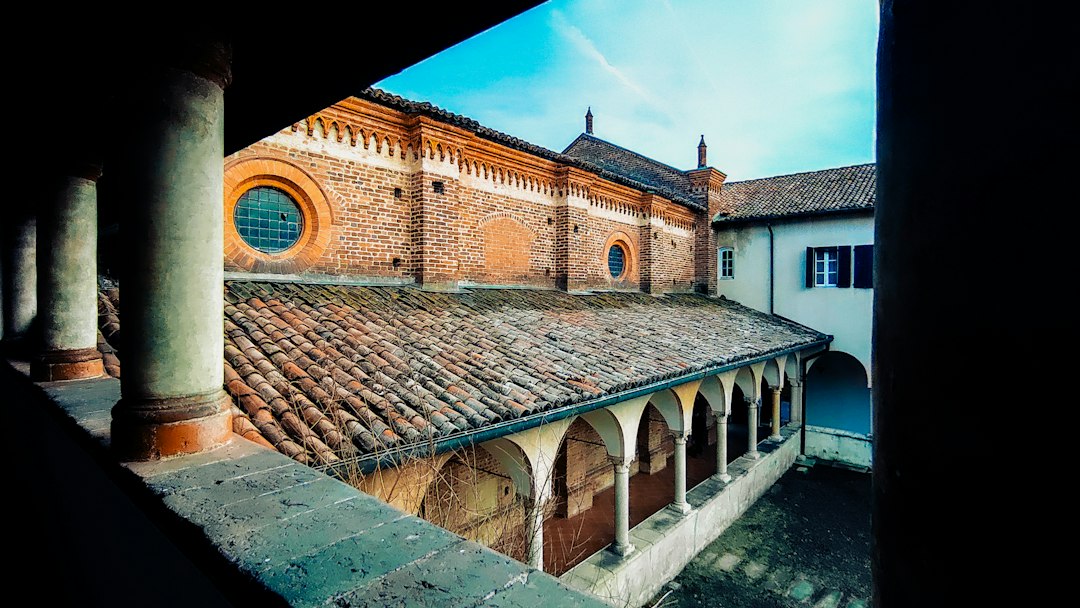
The sun beat down relentlessly, a golden hammer forging a relentless heat across the landscape. Yet, within the shaded embrace of ancient dwellings, a remarkable stillness prevailed. These were not the arid, exposed structures of the desert, but those carefully designed to harmonize with their environment, most notably through the ingenious inclusion of courtyards. These internal oases, open to the sky but shielded from direct, oppressive sunlight, were not merely decorative elements; they were sophisticated thermodynamic machines, actively contributing to the cooling of the spaces they served. The secret lay in a profound understanding of natural principles, a wisdom that allowed ancient civilizations to craft environments of surprising comfort, even in the most challenging climates.
The development of the courtyard dwelling was not an arbitrary aesthetic choice, but a direct consequence of humanity’s deep engagement with its surroundings. As populations grew and settlements became denser, particularly in regions prone to intense solar radiation and high ambient temperatures, the need for effective thermal regulation became paramount. Early builders, through observation and iterative experimentation, discovered that an enclosed, open-air space within a building offered a unique set of advantages.
Early Settlements and the Birth of Enclosure
The earliest forms of human habitation often prioritized shelter from the elements. In hotter climes, this meant seeking shade. Over time, as architectural practices evolved, the concept of an internal, private space began to take shape. This was often driven by both practical needs for security and privacy, and the emerging understanding of how to manipulate the microclimate around dwellings.
From Huts to Houses: The Evolution of Dwelling Structures
The transition from simple shelters to more permanent structures saw the gradual incorporation of interior spaces. Initial attempts might have involved simple courtyards formed by a ring of rooms. These offered a degree of shade and a place for essential activities away from the direct sun. The inherent advantage of such a configuration was immediate: the surrounding walls blocked the harsh rays of the midday sun, creating a pocket of relative coolness.
The Influence of Climate on Design
The most profound impetus for the courtyard’s widespread adoption was undeniably climate. Regions experiencing significant diurnal temperature swings, or prolonged periods of high heat, necessitated solutions that went beyond mere shade. The courtyard offered a dynamic element, capable of interacting with the natural cycles of heat and cool, day and night.
Practical Needs and Social Dynamics
Beyond thermal comfort, courtyards served vital practical and social functions that reinforced their architectural importance. They provided a safe and often semi-private space for daily life, family interactions, and even the cultivation of small gardens.
The Hearth and Home: Multi-functional Interior Spaces
Courtyards were not solely for passive cooling. They often served as the focal point of domestic life. Cooking, weaving, and other household chores could be performed in the dappled shade, offering respite from the heat. Water sources, such as wells or cisterns, were frequently located within or adjacent to the courtyard, making access convenient and contributing to the localized cooling effect through evaporation.
A Microcosm of Life: Social Interaction and Privacy
The courtyard acted as a buffer between the public realm and the private interior of the house. It provided a semi-enclosed space where family members could gather, children could play safely, and guests could be received without exposing the inner sanctum of the home. This balance of openness and enclosure was crucial to the social fabric of many ancient societies.
Ancient courtyards were ingeniously designed to keep homes cool in the sweltering heat, utilizing natural ventilation and shade to create a comfortable living environment. These open-air spaces often featured greenery and water elements, which helped lower temperatures and enhance air circulation. For a deeper understanding of how environmental factors influence decision-making in various contexts, you might find this article on the impact of artificial intelligence on military decision-making interesting: AI’s Impact on Space Military Decision-Making.
The Science of Shade: Blocking the Sun’s Fury
The most direct and immediate cooling effect of a courtyard stems from its ability to strategically block direct solar radiation. This seemingly simple act is fundamental to its thermodynamic prowess, preventing the overheating of building materials and interior spaces.
Strategic Orientation and Massing
The placement and orientation of courtyards within a dwelling were critical. Ancient architects, through generations of experience, understood the sun’s path and designed accordingly.
Alignment with the Sun’s Trajectory
Courtyards were often oriented to minimize direct sunlight during the hottest parts of the day. In the Northern Hemisphere, this typically meant positioning them to receive more sun in the cooler morning and late afternoon, while shielding them from the intense midday sun. This could involve the shape and proportions of the courtyard itself, as well as the height and placement of surrounding buildings.
The Role of Overhanging Elements and Porticoes
To further enhance shade, builders often incorporated architectural elements that extended beyond the building’s facade. Overhanging roofs, loggias, and deep porticoes projected shade onto the courtyard floor and surrounding walls. These elements acted like natural awnings, effectively reducing the amount of solar energy absorbed.
Light and Shadow Play: Visual and Thermal Comfort
The interplay of light and shadow within a courtyard was not just visually appealing but also contributed to thermal regulation. The contrast between bright, sunlit areas and shaded, cooler zones created a more comfortable and psychologically pleasing environment.
Diffused Light and Reduced Glare
Instead of harsh, direct sunlight, courtyards provided diffused light. This reduced glare and made the space more usable throughout the day. The indirect light also meant less direct heat gain compared to windows that directly faced the sun.
The Psychological Impact of Shade
The visual perception of coolness is powerful. The presence of deep shadows and dappled sunlight creates an immediate sense of relief from the heat, even before the ambient temperature drops significantly. This psychological factor plays a crucial role in perceived comfort.
Evaporative Cooling: The Breath of Life
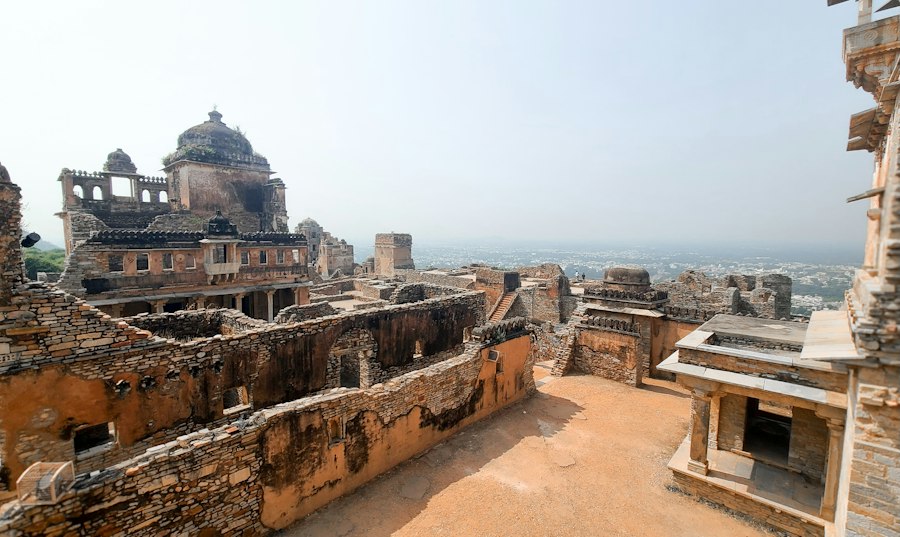
Perhaps the most sophisticated and potent cooling mechanism employed by ancient courtyards was evaporative cooling. This phenomenon, driven by the phase change of water from liquid to gas, draws heat from its surroundings, leaving them cooler.
The Presence of Water: Fountains, Pools, and Cisterns
Water was an indispensable element in the courtyard’s cooling strategy. Its presence, whether in the form of a central fountain, a shallow pool, or even strategically placed water vessels, was crucial for harnessing the power of evaporation.
Fountains and Their Thermodynamic Role
Fountains were more than just decorative features. The constant movement and splashing of water increased the surface area exposed to the air, accelerating evaporation. The rising mist from a fountain also humidified the air, which, in conjunction with cooling, made the environment more pleasant.
Shallow Pools and Their Cooling Aura
Shallow pools, often integrated into the courtyard floor, offered a larger surface area for evaporation. As the water evaporated, it absorbed heat from the surrounding air and the building materials, creating a noticeable cooling effect that radiated outwards.
The Essential Role of Cisterns
While not always visible, underground cisterns were often connected to courtyards. The constant evaporation from any exposed water surface would draw cooler air downwards, and in some designs, this cooler air would be channeled into the building.
The Breath of the Wind: Natural Ventilation and Airflow
The courtyard’s design facilitated natural ventilation, allowing cooler air to enter and warmer air to escape, further enhancing the evaporative cooling process.
Stack Effect and Chimney Action
The open nature of the courtyard, coupled with the height of surrounding buildings, often created a “stack effect” or “chimney action.” As the sun heated the air within the courtyard, it became less dense and rose. This created a natural draft, drawing cooler air in from lower, shaded openings and expelling the warmer air upwards and out.
Wind Catchers and Drafts
In some regions, courtyards were integrated with wind-catching structures. These towers or openings were designed to capture prevailing winds and channel them down into the courtyard, further promoting airflow and evaporation. The constant circulation of air helped to remove stagnant, hot air and replace it with cooler, moisture-laden air.
The Cooling Breeze from Shaded Pathways
The movement of air across damp surfaces within the courtyard, such as wet flagstones or plant foliage, generated gentle, cooling breezes. This was a subtle but effective form of air conditioning.
Materiality and Thermal Mass: Storing the Cool
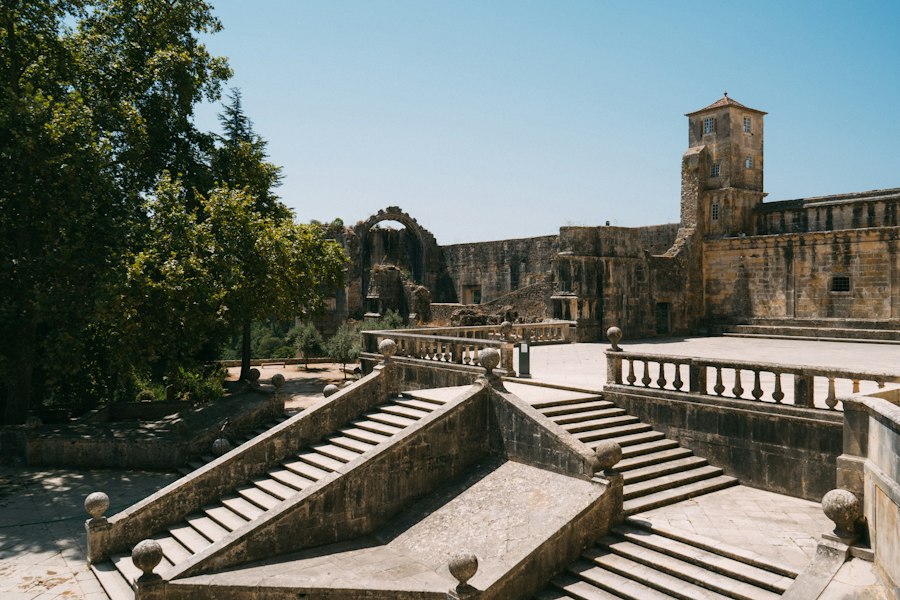
The selection of building materials played a significant role in the courtyard’s ability to regulate temperature, particularly through the concept of thermal mass.
Dense Materials for Heat Absorption
Ancient builders often utilized dense, heavy materials that could absorb and store heat. These materials, when used in the construction of courtyard walls and floors, helped to moderate temperature fluctuations.
Stone and Mud Brick: Masters of Thermal Inertia
Stone and thick mud brick walls possess high thermal inertia. During the day, they absorb the sun’s heat, but do so slowly. This heat is then gradually released into the interior spaces during the cooler evening and night, preventing drastic temperature drops.
The Cooling Effect of Dampened Surfaces
When water was present in the courtyard, the dense materials would also absorb moisture. As this moisture evaporated, it contributed to the cooling effect, further drawing heat from the surrounding environment.
Insulating Properties of Natural Elements
Certain natural elements incorporated into courtyard designs provided additional insulation, further enhancing thermal regulation.
Vegetation and its Shading and Evaporative Benefits
The inclusion of plants and trees within courtyards was a deliberate strategy. Their foliage provided shade, reducing the amount of solar radiation reaching the ground and walls. Furthermore, the process of transpiration in plants releases water vapor into the air, contributing to evaporative cooling.
The Role of Perforated Screens and Lattice Work
Decorative screens and lattice work, often made from wood or clay, were not just aesthetic. They diffused sunlight, creating a more pleasant light quality while also allowing for some airflow. This provided a middle ground between complete shade and direct sun.
Ancient courtyards played a crucial role in keeping homes cool, serving as open-air spaces that facilitated ventilation and reduced indoor temperatures. These architectural features were designed to harness natural breezes and provide shade, creating a comfortable environment even in the hottest climates. For a deeper understanding of how various cultures adapted their living spaces to environmental changes, you might find this article on the evolution of world maps particularly interesting. It explores how different regions have developed unique architectural solutions over time, much like the courtyards of ancient homes. You can read more about it here.
The Legacy of the Courtyard: Lessons for Modern Design
| Feature | Description | Cooling Effect | Example |
|---|---|---|---|
| Shaded Walls | Thick walls around the courtyard block direct sunlight and reduce heat absorption. | Reduces indoor temperature by up to 5°C (9°F) | Traditional Middle Eastern homes |
| Evaporative Cooling | Water features like fountains or pools evaporate water, cooling the surrounding air. | Can lower courtyard air temperature by 3-7°C (5-13°F) | Islamic riads in Morocco |
| Natural Ventilation | Open courtyards promote airflow, allowing hot air to escape and cooler air to circulate. | Improves air circulation, reducing perceived temperature by 2-4°C (4-7°F) | Roman domus houses |
| Vegetation | Plants provide shade and release moisture through transpiration, cooling the air. | Can reduce temperature by 1-3°C (2-5°F) | Chinese siheyuan courtyards |
| Sunken Courtyards | Courtyards built below ground level stay cooler by avoiding direct sun exposure. | Maintains temperatures 3-6°C (5-11°F) cooler than surrounding areas | Ancient Persian homes |
The ancient courtyard, born out of necessity and refined through centuries of empirical observation, offers invaluable lessons for contemporary architecture. In an era increasingly concerned with sustainability and energy efficiency, these ancient designs provide a blueprint for creating comfortable and environmentally responsible spaces.
Biomimicry in Architecture: Learning from Ancient Wisdom
The principles employed in ancient courtyards align with modern concepts of biomimicry, where human designs are inspired by natural systems. The courtyard effectively mimics natural processes of cooling and ventilation.
Adapting Ancient Principles to Contemporary Needs
Modern architects can adapt the core principles of courtyard design – strategic shading, evaporative cooling, and thermal mass – to create buildings that are more comfortable and less reliant on energy-intensive mechanical systems.
Integrating Courtyards into Modern Urban Landscapes
Even in densely populated urban environments, courtyards can be incorporated into apartment buildings, office complexes, and public spaces. Rooftop gardens, internal atriums, and carefully designed balconies can all serve as modern interpretations of the ancient courtyard.
Sustainable Design and Energy Efficiency
The ancient courtyard is a testament to sustainable design principles. Its reliance on natural forces for cooling drastically reduces the need for artificial air conditioning, saving energy and reducing carbon footprints.
Reducing Reliance on Mechanical Cooling
By understanding and implementing the passive cooling strategies of courtyards, modern buildings can significantly reduce their energy consumption. This not only benefits the environment but also lowers operational costs.
Enhancing Indoor Air Quality and Well-being
The natural ventilation and increased humidity provided by courtyards contribute to improved indoor air quality. The presence of greenery and the calming effect of natural light also promote occupant well-being.
The Enduring Appeal of Comfort and Harmony
Ultimately, the enduring appeal of the ancient courtyard lies in its ability to create spaces that are not only physically comfortable but also psychologically harmonious. They represent a profound respect for nature and a masterful integration of human needs with environmental realities. The lessons learned from these timeless architectural elements continue to resonate, offering a path towards building a more sustainable and comfortable future. The whisper of a cool breeze through a sun-drenched courtyard, a testament to ingenuity, still speaks volumes across the centuries, reminding us of the power of working with, rather than against, the natural world.

How Ancient Cities Stayed Cool Without Air Conditioning
FAQs
What is the purpose of ancient courtyards in keeping homes cool?
Ancient courtyards were designed to provide natural ventilation and cooling by allowing air to circulate freely throughout the home.
How do ancient courtyards help regulate temperature indoors?
By creating a central open space surrounded by shaded areas, ancient courtyards help to reduce the amount of direct sunlight entering the home, keeping the interior cooler.
What materials were commonly used in the construction of ancient courtyards?
Ancient courtyards were often constructed using materials like stone, adobe, or brick, which have high thermal mass properties that help to regulate temperature.
Did ancient courtyards have any other benefits besides cooling homes?
Yes, ancient courtyards also provided a private outdoor space for residents to relax, socialize, and engage in activities like gardening or cooking.
Are there modern architectural designs that incorporate similar principles to ancient courtyards?
Yes, modern architects often use similar design principles, such as creating open-air atriums or incorporating green spaces, to help regulate temperature and improve indoor air quality in buildings.