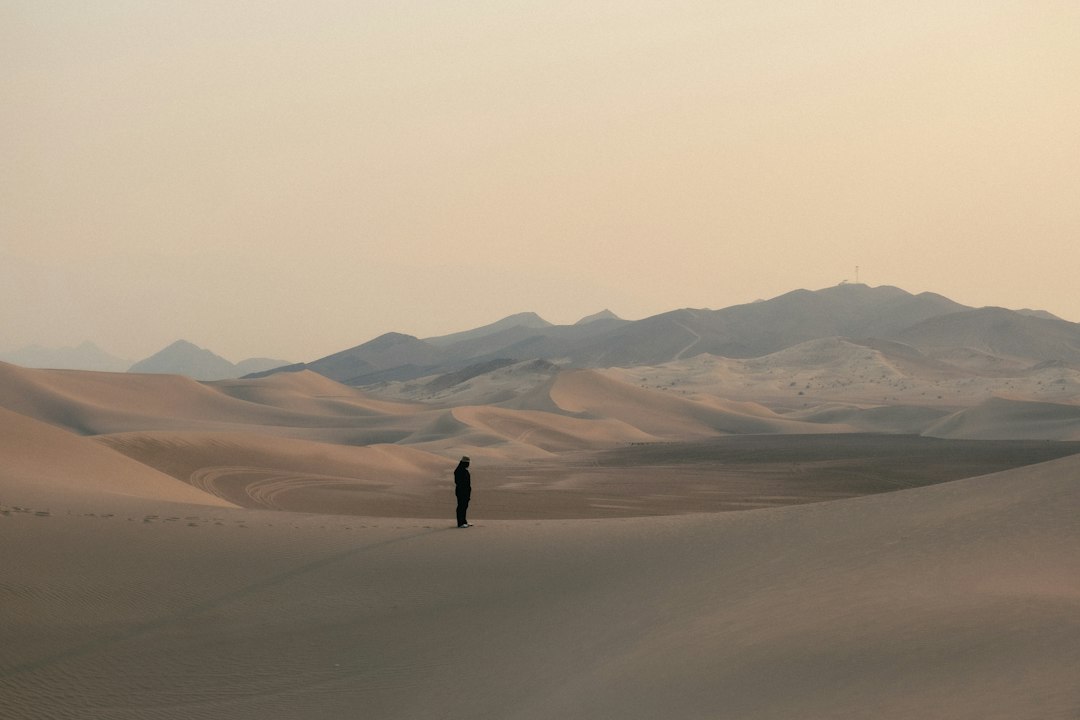
The relentless sun beats down, baking the earth into a cracked mosaic. Water, the elixir of life, is a scarce commodity, a precious jewel guarded by the unforgiving expanse of the desert. For millennia, humanity has faced this stark reality, not just surviving, but often thriving in these seemingly inhospitable landscapes. Their secret lay not in futuristic gizmos, but in ingenious ancient technologies, born from keen observation, deep understanding of natural principles, and an unwavering spirit of resilience. These are the forgotten arts of desert living, technologies that offer profound lessons for our modern world grappling with resource scarcity and extreme environments.
The desert is a paradox: it holds water, but often in forms and locations that are challenging to access. Ancient desert dwellers, however, developed remarkable methods to capture, store, and utilize every precious drop. Their ingenuity lay in understanding the subtle movements of water, from condensation to underground reservoirs.
Fog Catching: Harvesting the Mist’s Bounty
In coastal deserts, where humidity can rise significantly, fog becomes a vital source of moisture. Ancient peoples, particularly in regions like the Atacama Desert in Chile, developed sophisticated methods of “fog harvesting.” These were not crude nets, but rather carefully constructed structures designed to maximize water condensation.
The “Colnet” and Other Ingenious Designs
These early fog catchers, sometimes referred to as “colnet” (Spanish for “net house”), often consisted of large mesh nets stretched between poles or built into elaborate frameworks. The fine mesh provided a surface for water vapor to condense upon. As the fog rolled in, tiny water droplets would cling to the fibers, coalescing and eventually dripping down. The design of these nets was crucial. The mesh size, the height of the structure, and the orientation relative to prevailing winds were all meticulously considered to optimize water collection. In some cases, the collected water was channeled into collection basins or pottery, providing a reliable source for drinking and irrigation. The knowledge of where and when fog was most likely to occur, coupled with the engineering of these structures, showcases a profound understanding of microclimates and atmospheric moisture. This technology, seemingly simple, could yield liters of water per day in optimal conditions, sustaining communities in otherwise arid zones.
Underground Water Channels: The Qanat and the Falaj
Perhaps the most iconic and impressive ancient desert water technologies are the underground aqueducts, known by various names such as qanats (in Persia and the Middle East), falaj (in Oman), and karez (in China). These subterranean marvels were engineering feats that allowed communities to tap into deep underground water sources and transport them over vast distances without significant evaporation.
The Art of Subterranean Engineering
The construction of a qanat or falaj was a labor-intensive process that required immense planning and skill. It began with identifying a suitable water source, typically an aquifer in a higher elevation. Then, a series of vertical shafts were dug downwards, creating a network that followed the gentle slope of the land towards the settlement. The spacing and depth of these shafts were crucial for ventilation during construction, allowing workers to excavate tunnels connecting the shafts at the water table level. The tunnels themselves were carefully constructed with a precise gradient to ensure a steady flow of water. Any deviation from the correct slope could result in the water either pooling or escaping.
The genius of these systems lay in their ability to overcome the immense challenge of evaporation. By conveying water underground, the desert sun was denied its ability to steal precious moisture. These systems could sustain entire cities and agricultural systems in regions where surface water was nonexistent. The maintenance of qanats and falaj was a communal responsibility, requiring regular inspections and cleaning of the shafts and tunnels to prevent silting and collapse. This fostered a strong sense of cooperation and shared resource management, essential for survival in harsh environments.
Natural Wells and Cisterns: Capturing Rainfall’s Fleeting Gifts
Even in the driest deserts, rainfall, however infrequent, can be a lifeline. Ancient peoples were adept at maximizing the benefit of these rare events. They developed sophisticated methods for collecting and storing rainwater, often through natural formations and ingenious artificial reservoirs.
Exploiting Natural Depressions and Rock Formations
In many desert landscapes, natural depressions in the ground or hollows in rock formations served as the initial collection points for rainwater. Desert dwellers would identify these areas and, through simple modifications, enhance their water-holding capacity. This might involve clearing debris, creating small berms to direct water flow, or lining the depressions with clay to reduce seepage. Rock crevices and caves were also utilized, their natural shelter providing a cool environment for storage and reducing evaporation.
The Ingenuity of Cisterns: Earth, Stone, and Clay
Beyond natural formations, ancient societies constructed sophisticated cisterns to store water. These could range from simple, lined pits in the ground to elaborate, multi-chambered structures carved into bedrock or built from stone and waterproofed with clay or bitumen. The design of these cisterns was often dictated by the available resources and the expected rainfall patterns. Some cisterns were designed for immediate use, while others were built to store water for extended dry periods. The meticulous sealing of these reservoirs was paramount to prevent leakage, ensuring that the captured bounty would be available when most needed.
Ancient technologies have long fascinated researchers, particularly in their application to survival in harsh environments like deserts. For instance, the ingenious methods employed by ancient civilizations to harness water and create sustainable living conditions in arid regions are a testament to human ingenuity. A related article that delves into the mysteries of ancient technologies and their relevance to survival strategies can be found here: Unveiling Antarctica’s Hidden Secrets. This piece explores how ancient innovations can inform our understanding of survival in extreme climates, drawing parallels between different environments.
Adapting to Extreme Temperatures: Shelter and Sustenance
The desert’s harsh temperatures, characterized by scorching days and frigid nights, posed significant challenges to survival. Ancient peoples developed a deep understanding of thermal dynamics and employed ingenious strategies for both regulating internal temperatures of dwellings and adapting their daily routines and attire.
Passive Cooling and Heating: Architecture as a Thermostat
The architecture of ancient desert civilizations was not merely about providing shelter from the elements; it was an active participant in managing temperature. Their buildings were designed to harness natural cooling and heating principles, turning dwellings into sophisticated thermal regulators.
Thick Walls and Insulating Materials
The most common characteristic of traditional desert architecture is the use of thick walls, typically constructed from adobe (sun-dried mud bricks) or stone. These massive walls acted as thermal mass, absorbing heat during the day and slowly releasing it at night. This delayed the transfer of heat into the interior, keeping living spaces cooler during the peak of the day. The materials themselves, such as clay and sand, also possess inherent insulating properties.
Courtyards and Windcatchers: Harnessing the Breath of the Wind
Many desert dwellings featured central courtyards, often with small pools of water or vegetation. These courtyards acted as microclimates, providing shaded and cooler spaces. The presence of water, even a small amount, would contribute to evaporative cooling. Windcatchers, or “badgirs” in Persian, were another ingenious invention. These towers, strategically placed on rooftops, were designed to capture prevailing winds. The wind would then be channeled down through the building, creating a natural ventilation system that helped to dissipate heat and bring in cooler air, especially at night.
Underground Dwellings and Cave Shelters
In some of the harshest desert regions, communities even resorted to building or utilizing underground dwellings. These subterranean structures offered a consistent and naturally regulated temperature, insulated from the extreme fluctuations of the surface. Cave dwellings, naturally formed or excavated, also provided excellent thermal protection. The earth itself acted as a perfect insulator, keeping interiors remarkably cool during scorching summers and warmer during frigid winters.
Nomadic Adaptations: Clothing and Daily Rhythms
Nomadic desert dwellers, who constantly moved with their herds, developed a unique set of adaptations focused on mobility and resilience. Their clothing and daily rhythms were finely tuned to the desert’s demands.
Loose-Fitting, Layered Garments: The Science of Breathability
The traditional attire of many desert peoples, such as the Bedouin, involved loose-fitting, flowing garments made from natural fibers like wool or cotton. These garments were designed to create air pockets, allowing for ventilation and minimizing direct contact with the sun’s rays. Layering was also key. Multiple thin layers could be added or removed to regulate body temperature throughout the day. The color of the clothing was also important, with lighter colors reflecting more sunlight. The full coverage of the body, including head and hands, protected the skin from sunburn and minimized water loss through perspiration.
Siesta and Nocturnal Activity: Aligning with the Sun’s Fury
The most obvious adaptation to extreme heat is the adoption of a siesta, or midday rest. During the hottest hours of the day, when the sun’s intensity is at its peak, desert communities would retreat indoors or to shaded areas to rest and conserve energy. Activities were often shifted to the cooler morning and evening hours, and sometimes even extended into the night. This rhythmic adjustment of daily life allowed people to be productive without succumbing to heatstroke or dehydration.
Sustainable Agriculture in Arid Lands: Cultivating Life from Barren Soil

The notion of thriving agriculture in the desert might seem counterintuitive, yet ancient peoples developed sophisticated techniques to coax life from arid soils, demonstrating remarkable foresight in resource management and ecological understanding.
Water-Wise Irrigation: Drip and Flood Techniques
The efficient use of water was paramount for any agricultural endeavor in the desert. Ancient farmers developed irrigation systems that minimized water loss and maximized crop yield.
Early Forms of Drip Irrigation: Precise Water Delivery
While modern drip irrigation is a marvel of engineering, its roots can be traced back to ancient practices. Evidence suggests that some desert cultures utilized methods to deliver water directly to the root zone of plants. This might have involved using porous clay pots buried near plants, allowing water to slowly seep out, or creating channels that directed small amounts of water to individual plants. This prevented wasteful surface evaporation and ensured that water was used as efficiently as possible.
Controlled Flooding and Terrace Farming: Managing Scarce Resources
In areas with access to larger water sources, controlled flooding was employed. This involved strategically channeling water across fields in a way that allowed the soil to absorb the moisture without excessive runoff. Terrace farming, prevalent in mountainous desert regions, was another ingenious method. By creating stepped platforms on slopes, these systems helped to retain water and soil, preventing erosion and maximizing the cultivation of arable land. The careful construction of these terraces often involved intricate stone work and a deep understanding of water flow and soil retention.
Soil Enrichment and Conservation: Building Fertility from Dust
Desert soils can be poor in organic matter and nutrients. Ancient farmers understood the importance of building and maintaining soil fertility through various methods.
Composting and Manure Use: Recycling Nature’s Bounty
The use of organic matter was crucial for improving soil structure and nutrient content. Animal manure was a valuable resource, carefully collected and composted before being applied to fields. This not only provided essential nutrients but also improved the soil’s water-holding capacity. Plant residues were also incorporated back into the soil, creating a closed-loop system of nutrient cycling.
Mulching: Protecting the Precious Topsoil
Mulching, the practice of covering the soil surface with organic material like straw, leaves, or wood chips, was another vital technique. This helped to retain soil moisture by reducing evaporation, suppressed weed growth, and protected the topsoil from wind erosion. It also contributed to the slow decomposition of organic matter, further enriching the soil over time.
Resourcefulness and Resilience: Living in Harmony with the Environment

Beyond specific technologies, the success of ancient desert dwellers lay in a profound philosophy of resourcefulness and a deep respect for the environment. They understood that true thriving came from living in harmony with the natural world, not in opposition to it.
Understanding Local Flora and Fauna: The Desert’s Edible and Medicinal Arsenal
The desert, despite its perceived barrenness, is teeming with life. Ancient peoples possessed an encyclopedic knowledge of the local flora and fauna, identifying plants that could be used for food, medicine, and other essential resources.
Edible Plants and Their Preparation: Sustenance from the Wild
Many desert plants, often overlooked by the uninitiated, are edible and nutritious. Knowledge of which plants were safe to consume, when they were in season, and how to prepare them was vital. This included understanding how to process plants that might be toxic in their raw form, such as leaching out bitter compounds or cooking them thoroughly. This knowledge was passed down through generations, ensuring the survival and well-being of communities.
Traditional Medicines and Healing Practices: The Desert’s Pharmacy
The desert also offered a rich source of medicinal plants. Ancient healers understood the properties of various herbs, roots, and seeds, using them to treat a wide range of ailments. From poultices for wounds to teas for internal ailments, these traditional remedies were often highly effective and provided essential healthcare in remote areas.
Nomadic Lifestyles and Sustainable Mobility: Traveling Light, Living Richly
The nomadic lifestyle, a hallmark of many desert societies, was itself a testament to resourcefulness and adaptability. These communities moved with their herds, following seasonal grazing patterns and water sources, minimizing their impact on any single area.
Animal Husbandry: Masters of Livestock Management
The domestication and management of animals, such as camels, goats, and sheep, were central to desert survival. These animals provided not only food (milk, meat) but also materials for clothing, shelter, and transportation. Their ability to withstand harsh conditions and subsist on sparse vegetation made them ideal companions for desert life.
Portable Dwellings and Minimalist Living: The Art of the Ephemeral Home
Nomadic peoples often lived in portable dwellings, such as tents made from animal hides or woven fibers. These homes could be quickly erected and dismantled, allowing for easy relocation. This minimalist approach to living meant carrying only what was essential, fostering a deep appreciation for possessions and a reliance on skills and knowledge rather than material wealth.
In exploring ancient technology for desert survival, one can gain valuable insights from the ways early civilizations adapted to their harsh environments. For instance, the use of natural indicators to predict weather patterns was crucial for their survival. A fascinating article that delves into this topic is available at ancient weather wisdom, which highlights how understanding nature’s signs allowed these communities to thrive despite the challenges posed by their surroundings.
Modern Echoes: Lessons from Ancient Desert Wisdom
| Ancient Technology | Purpose | Materials Used | Effectiveness | Region |
|---|---|---|---|---|
| Qanat System | Underground water channel for irrigation and drinking water | Stone, earth, wood | High – Provided sustainable water supply in arid regions | Persian Desert, Middle East |
| Fog Catchers | Harvesting water from fog | Mesh nets, wood or bamboo frames | Moderate – Effective in coastal desert areas with fog | Atacama Desert, South America |
| Clay Pot Evaporative Cooling | Cooling water and food storage | Clay, water | Moderate – Reduced temperature by evaporation | North African Deserts |
| Windcatchers (Badgir) | Natural ventilation and cooling | Brick, mud, wood | High – Provided passive cooling in hot desert homes | Iran, Middle East |
| Desert Tent Design | Protection from sun and sand | Animal hides, woven fabrics, wooden poles | High – Portable and effective shelter | Sahara, Arabian Desert |
The technologies and strategies employed by ancient desert dwellers are not mere historical curiosities. They offer profound and relevant lessons for our contemporary world, grappling with climate change, resource scarcity, and the need for sustainable living.
Water Conservation in a Thirsty World: Rediscovering Ancient Efficiency
As water scarcity becomes a global concern, the ancient techniques of fog harvesting, underground water storage, and water-wise irrigation offer practical solutions. The meticulous planning and communal effort involved in maintaining qanats and falaj highlight the importance of collective action and responsible water management.
Sustainable Architecture and Climate Adaptation: Building with Nature, Not Against It
The principles of passive cooling, thermal mass, and natural ventilation embodied in ancient desert architecture are gaining renewed interest in modern sustainable building design. Understanding how to create comfortable and energy-efficient living spaces using natural materials and indigenous knowledge is crucial for adapting to a changing climate.
Resource Management and Circular Economy: The Wisdom of Waste Not, Want Not
The ancient practice of composting, recycling organic matter, and utilizing every part of an animal exemplifies a circular economy in action. Their understanding of ecological balance and their ability to live within the means of their environment offer a powerful counterpoint to our current linear, often wasteful, consumption patterns.
Resilience and Adaptability: Cultivating a Spirit of Ingenuity
Perhaps the most enduring lesson from these ancient desert civilizations is their remarkable resilience and adaptability. They faced extreme challenges with ingenuity, resourcefulness, and a deep connection to the natural world. In an era of uncertainty, cultivating this spirit of ingenuity and a willingness to learn from the past can empower us to navigate the complexities of our own challenging environments and build a more sustainable future. The whispers of ancient wisdom, carried on the desert winds, still hold the keys to thriving, not just surviving, in the face of adversity.

How Ancient Cities Stayed Cool Without Air Conditioning
FAQs
What is ancient technology for desert survival?
Ancient technology for desert survival refers to the tools, techniques, and knowledge used by ancient civilizations to thrive in harsh desert environments.
What are some examples of ancient technology for desert survival?
Examples of ancient technology for desert survival include water storage systems like cisterns and qanats, shade structures like tents and shelters, and navigation tools like the sun compass.
How did ancient civilizations use technology to survive in the desert?
Ancient civilizations used technology to survive in the desert by developing innovative methods for collecting and storing water, building shelters to provide shade and protection from the elements, and creating tools for navigation and hunting.
Why is ancient technology for desert survival still relevant today?
Ancient technology for desert survival is still relevant today because it provides valuable insights into how to adapt and thrive in extreme environments, which can be useful for modern-day survivalists, adventurers, and researchers.
What can we learn from ancient technology for desert survival?
We can learn from ancient technology for desert survival how to effectively conserve resources, adapt to challenging conditions, and develop sustainable practices for living in arid regions.