
The whispers of the past, carried on the desert winds, often speak of ingenuity and survival. Among the most enduring testaments to these qualities stands the ancient wind tower, a marvel of engineering that has quietly shaped human habitation in arid regions for millennia. These towering structures, seemingly simple in their design, hold within them a complex understanding of atmospheric physics and a profound connection to the environment. Uncovering the mysteries of ancient wind tower architecture is not merely an archaeological endeavor; it is an exploration of humanity’s enduring quest for comfort and sustainability in the face of challenging climates.
The harsh realities of life in arid and semi-arid regions, characterized by scorching summers and often scarce water resources, necessitated innovative solutions for maintaining habitable indoor temperatures. Ancient civilizations, living in close harmony with their surroundings, observed the subtle shifts in wind patterns and temperature differentials. It is within this crucible of necessity that the wind tower, also known as a badgir in Persian, malqaf in Arabic, or aerator in some scholarly contexts, began its evolutionary journey. The fundamental principle driving its creation was the desire to harness the omnipresent wind and transform it into a cooling force, a stark contrast to the oppressive heat that permeated the landscape.
Early Forms and Precursors
The exact origins of the wind tower are difficult to pinpoint with definitive certainty, as early forms likely evolved organically over time. However, archaeological evidence suggests that rudimentary forms of wind-catching devices existed in ancient Mesopotamian civilizations as far back as the Bronze Age. These might have been simple openings or strategically placed channels designed to direct prevailing breezes into dwellings. The concept of using natural air currents for ventilation is likely as old as human settlement itself, but the formalization of the wind tower as a distinct architectural element points to a more deliberate and sophisticated understanding of its potential.
The Cultural Significance of Cooling
Beyond mere physical comfort, the ability to create cool, shaded interiors held significant cultural and social implications. In many societies, the home was not just a dwelling but a sanctuary, a place of rest and rejuvenation. The ability to escape the relentless heat was crucial for productivity, social interaction, and even spiritual practices. The wind tower, therefore, became an integral part of the cultural fabric, a symbol of self-sufficiency and mastery over the environment. Its presence in a settlement signaled a certain level of prosperity and architectural sophistication, fostering a sense of community and shared experience in overcoming adversity.
Ancient wind tower architecture, known for its innovative design that harnesses natural ventilation, has been a subject of fascination for architects and historians alike. For those interested in exploring how traditional methods can inform modern practices, a related article discusses the importance of preparedness in various aspects of life, including architecture and design. You can read more about this in the article titled “Financial Emergency Plan for US Citizens: Be Prepared for the Unexpected” available at this link.
The Architectural Marvel: Anatomy of a Wind Tower
The seemingly simple silhouette of a wind tower belies a carefully considered design that incorporates various architectural elements to maximize its cooling efficacy. The shape, height, orientation, and internal structure are all orchestrated to capture, channel, and transform the wind’s kinetic energy into a tangible cooling sensation. Understanding these components is key to appreciating the genius of ancient engineers.
The Shaft: Capturing the Breezes
The most prominent feature of a wind tower is its tall, vertical shaft. These shafts vary in height, often reaching several meters above the roofline, allowing them to access higher, cooler, and more consistent winds. The width and shape of the shaft also play a crucial role. Wider shafts might be designed to capture a broader range of wind directions, while narrower ones could be optimized for specific prevailing winds. Some towers featured multiple shafts, each potentially oriented to capture breezes from different directions, thereby providing cooling throughout the day. The material of the shaft, often mud brick or stone, also contributed to its thermal performance, offering insulation against the external heat.
Variations in Shaft Design
The diversity in shaft design reflects the varied climatic conditions and local building traditions across different regions. Some towers featured square or rectangular cross-sections, while others were circular or even octagonal. The number of openings, or “mouths,” at the top of the shaft also varied, with some having one, two, four, or even more, each strategically positioned to catch the wind. The presence of rudimentary louvers or baffles within the shaft, though not always explicitly documented, likely played a role in directing and diffusing the incoming air.
The Internal Structure: Directing the Flow
The true ingenuity of the wind tower lies in its internal architecture. Once the wind enters the shaft, it is directed downwards, often through a series of internal chambers or vanes. These internal elements are designed to guide the airflow, slow it down, and create a more consistent and gentle breeze within the dwelling. The internal structure also plays a vital role in the cooling process, as will be discussed in more detail later.
The Role of Internal Vanes and Baffles
Ancient builders understood that a direct, unimpeded downdraft of wind could be drafty and uncomfortable. Therefore, internal vanes or baffles were often incorporated to diffuse the airflow, creating a more spread-out and pleasant circulation of air. These elements might have been simple projections from the shaft walls or more elaborate structures designed to create turbulence, which in turn can enhance the cooling effect through evaporative processes.
The Base and Connection to the Dwelling
The base of the wind tower is as crucial as its upper reaches. It is designed to efficiently channel the cooled air from the tower into the interior of the building. This often involved a network of subterranean channels or conduits. The connection between the tower and the dwelling was a carefully engineered transition, ensuring that the cooling air was distributed effectively throughout the living spaces.
Subterranean Cooling Channels
In many instances, the wind tower’s function was amplified by a system of underground channels. These channels, often lined with a porous material, would not only receive the cooled air from the tower but also contribute to its cooling through contact with the cooler earth. This pre-cooling of the air before it entered the living spaces further enhanced the overall thermal comfort.
The Science of Cooling: Harnessing Nature’s Power
The effectiveness of ancient wind towers is rooted in a sophisticated, albeit empirically derived, understanding of natural principles. While ancient peoples may not have articulated their knowledge in modern scientific terms, their designs demonstrate a profound intuition for thermodynamics, fluid dynamics, and evaporative cooling. The wind tower is a testament to the power of observation and practical application.
Bernoulli’s Principle and Pressure Differentials
One of the primary mechanisms at play is the creation of pressure differentials. As wind flows over the openings at the top of the tower, it creates areas of lower pressure. This difference in pressure between the outside and the inside of the dwelling, coupled with the height of the tower, draws cooler air downwards through the shaft. This phenomenon, closely related to Bernoulli’s principle, effectively pulls air into the building, displacing warmer, stagnant indoor air.
The Role of Wind Speed and Direction
The efficiency of a wind tower is directly influenced by the speed and direction of the prevailing winds. Towers were strategically oriented to capture the most consistent and beneficial breezes. In regions with distinct diurnal wind patterns, such as desert areas where cooler night winds are common, towers were designed to take advantage of these variations. The height of the tower was also critical in accessing these more favorable wind currents, which are often less turbulent and cooler than ground-level air.
Evaporative Cooling: The Hidden Engine
Beyond the direct force of the wind, a more subtle but equally crucial cooling mechanism was at play: evaporative cooling. In many wind tower designs, especially those incorporating porous materials or connected to water features, the passage of dry air through the tower facilitated the evaporation of moisture. As water evaporates, it absorbs heat from the surrounding air, thereby lowering its temperature. This process, often enhanced by the design of internal structures or the presence of water channels, significantly contributed to the cooling effect.
The Impact of Humidity Levels
The effectiveness of evaporative cooling is, of course, dependent on the ambient humidity. In very humid climates, the capacity for evaporation is limited, and thus the cooling effect would be less pronounced. However, in the arid and semi-arid regions where wind towers were most prevalent, the low humidity provided ideal conditions for this natural cooling process to operate at its peak.
Thermal Mass and Insulation
The materials used in the construction of wind towers and the dwellings they served also played a vital role in regulating temperature. Traditional materials like mud brick and stone possess significant thermal mass, meaning they can absorb and store heat during the day, releasing it slowly at night. This buffering effect helps to moderate indoor temperatures, keeping them cooler during the hottest parts of the day and warmer during cooler periods. The thickness of the walls further contributed to insulation, minimizing heat transfer from the scorching exterior to the cooler interior.
The Synergy of Materials and Design
The true brilliance of ancient wind tower architecture lies in the synergistic interplay of its various elements. The materials provided thermal insulation and mass, the shaft captured wind, the internal structure directed and diffused airflow, and the connection to the dwelling ensured effective distribution. This holistic approach, born from generations of experience and observation, created a highly effective and sustainable cooling system.
Regional Variations and Cultural Adaptations
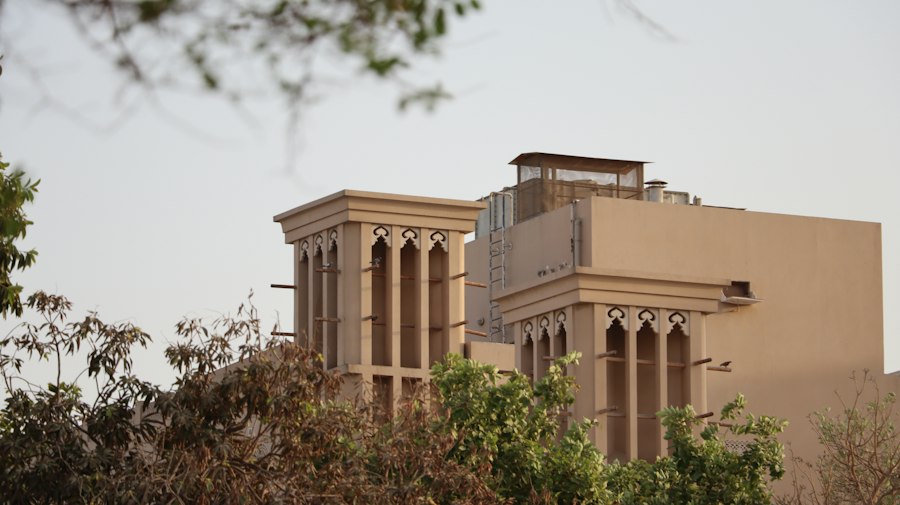
The concept of wind towers, while sharing a common underlying principle, manifested in diverse forms across different civilizations and geographical regions. Each adaptation reflects unique environmental conditions, cultural preferences, and available building materials, leading to a rich tapestry of wind tower typologies.
The Persian Badgir: A Masterpiece of Design
The Persian badgir is perhaps the most iconic and sophisticated example of wind tower architecture. Often adorned with intricate brickwork and towering high above the rooftops, these structures are a testament to the advanced engineering and aesthetic sensibilities of ancient Persia. Their design typically features multiple openings, allowing them to capture winds from various directions, and a complex internal structure designed to channel and cool the air.
The City of Yazd: A Living Museum of Badgirs
The historic city of Yazd in Iran is renowned for its exceptional preservation of badgir architecture. The city’s skyline is dotted with hundreds of these towers, each unique in its design and scale, showcasing the widespread adoption and evolution of this technology. Exploring Yazd offers a direct encounter with the living legacy of ancient wind tower architects.
The Arabic Malqaf: Simplicity and Effectiveness
In the Arabic-speaking world, the malqaf (meaning “wind catcher”) served a similar purpose. While often simpler in design than their Persian counterparts, malqafs were highly effective in providing ventilation and cooling in hot climates. These might have been single-sided or multi-sided structures, often integrated into the roofs of traditional homes and buildings.
Innovations in the Nile Valley
The Nile Valley, with its consistent river breezes, saw unique adaptations of wind-catching technology. Some structures in this region incorporated channels that drew air from near the water’s surface, leveraging the cooling effect of proximity to water. This demonstrates how local environmental features were ingeniously incorporated into the design.
Other Notable Examples and Analogous Structures
While badgirs and malqafs are the most widely recognized examples, similar wind-catching principles can be observed in architectural traditions across the globe. From ancient Roman structures designed for ventilation to early modern attempts at passive cooling, the fundamental idea of harnessing natural airflow to mitigate heat has been a recurring theme in human ingenuity. Even in less formalized structures, the principle of creating openings to draw in breezes played a crucial role in maintaining habitable interiors.
The Influence on Modern Sustainable Architecture
The enduring success of ancient wind towers offers valuable lessons for contemporary architects and engineers. As the world grapples with the challenges of climate change and the need for sustainable building practices, the principles of passive cooling, as embodied in these ancient structures, are being re-examined and integrated into modern designs.
Ancient wind tower architecture, a fascinating aspect of sustainable design, has been used for centuries to harness natural ventilation in hot climates. These structures, often found in regions like the Middle East and South Asia, exemplify how traditional techniques can effectively reduce reliance on modern air conditioning. For those interested in exploring more about innovative architectural solutions, a related article can be found here, which discusses the importance of adapting to environmental challenges in various contexts.
The Legacy and Enduring Relevance of Wind Towers
| Metric | Description | Typical Values/Examples |
|---|---|---|
| Height | Vertical dimension of the wind tower | 6 to 15 meters |
| Number of Openings | Number of wind-catching openings on the tower | 4 (one on each side) or sometimes 2 |
| Material | Primary construction materials used | Mud brick, gypsum, coral stone |
| Cooling Efficiency | Effectiveness in reducing indoor temperature | Can reduce indoor temperature by 5-10°C |
| Airflow Rate | Volume of air moved through the tower per hour | Up to 1000 cubic meters per hour |
| Orientation | Direction the tower openings face to catch prevailing winds | Typically aligned with prevailing wind direction (e.g., north or northwest) |
| Age | Historical period of common use | Used since 3rd millennium BCE, prominent in Persian Gulf region |
The wind tower, once a vital component of daily life in many arid regions, has in many places been supplanted by modern air conditioning systems. However, its legacy endures, not only in the remaining structures that stand as silent monuments to past ingenuity but also in the growing appreciation for its sustainable and environmentally friendly principles. The wind tower represents a harmonious integration of human needs with the forces of nature.
A Testament to Sustainable Design
In an era where energy consumption and environmental impact are paramount concerns, the wind tower stands as a powerful example of sustainable design. These structures operated without reliance on fossil fuels, producing zero emissions and offering a completely passive cooling solution. Their efficiency and minimal environmental footprint offer a stark contrast to the energy-intensive nature of modern cooling technologies.
Lessons for the Future of Architecture
The principles of passive cooling, embodied in wind tower architecture, are gaining renewed interest in the field of sustainable architecture. Architects are exploring how to integrate natural ventilation strategies, smart orientation, and the intelligent use of materials to create buildings that are not only comfortable but also environmentally responsible. The wind tower provides a rich source of inspiration for designing resilient and climate-adaptive structures for the future.
Preservation and Revitalization Efforts
As historical and cultural landmarks, many ancient wind towers are now the subject of preservation and restoration efforts. These initiatives aim to protect these invaluable architectural heritage sites and to educate future generations about their significance. In some cases, innovative projects are also exploring the revitalization of wind tower technology in modern contexts, adapting its principles for contemporary buildings.
The Wind Tower as a Symbol of Resilience
Ultimately, the wind tower is more than just an architectural element; it is a symbol of human resilience, ingenuity, and the ability to adapt and thrive in challenging environments. It speaks to a time when people lived in closer communion with nature, drawing on its power to create comfort and sustain life. By uncovering the mysteries of ancient wind tower architecture, we not only gain an appreciation for the past but also find valuable insights for building a more sustainable and harmonious future.

How Ancient Cities Stayed Cool Without Air Conditioning
FAQs
What is ancient wind tower architecture?
Ancient wind tower architecture refers to a traditional method of cooling and ventilation used in arid regions, particularly in the Middle East. These towers are designed to capture and channel wind to cool indoor spaces.
Where can ancient wind tower architecture be found?
Ancient wind tower architecture can be found in various countries in the Middle East, such as Iran, Iraq, and the United Arab Emirates. These structures are commonly seen in historical buildings and homes in arid climates.
How do ancient wind towers work?
Ancient wind towers work by capturing wind at higher altitudes and directing it downwards into a building through a series of channels. As the wind passes through the tower, it creates a cooling effect by increasing air circulation and reducing indoor temperatures.
What are the benefits of ancient wind tower architecture?
The benefits of ancient wind tower architecture include natural cooling and ventilation without the need for electricity, reduced energy consumption, improved indoor air quality, and preservation of traditional architectural heritage.
Are ancient wind towers still used today?
While modern air conditioning systems have become more prevalent, ancient wind towers are still used in some regions as a sustainable and eco-friendly alternative for cooling and ventilation. Efforts are being made to preserve and incorporate this traditional architectural feature in modern building designs.