The relentless sun, a celestial forge, has always been an undeniable force in the arid and semi-arid landscapes that cradle Persia. For millennia, its inhabitants have not merely endured the scorching embrace of extreme heat; they have learned to coexist, adapt, and even thrive within its fiery dominion. The enduring legacy of Persian urban planning and ingenuity offers a profound testament to human resilience in the face of formidable climatic challenges, showcasing a sophisticated understanding of thermodynamics and environmental manipulation that continues to inspire.
Persia, encompassing modern-day Iran and its historical cultural spheres, is characterized by a geography that dictates its relationship with heat. Vast deserts, rugged mountain ranges, and expansive plateaus create a climatic mosaic, but a pervasive theme is the intensity of solar radiation. Summer temperatures regularly soar, pushing the boundaries of human comfort and posing significant threats to well-being and agricultural productivity. Understanding this inherent aridity is crucial to appreciating the sophisticated strategies developed over centuries.
Geographic Influences on Heat Intensity
The sheer scale of Persia’s landmass contributes to its extreme temperature variations. The central desert basins, such as the Dasht-e Kavir and the Dasht-e Lut, are notorious for their punishing heat, with temperatures frequently exceeding 50 degrees Celsius (122 degrees Fahrenheit). These vast, flat expanses absorb and radiate solar energy with immense efficiency, creating a heat island effect that amplifies the ambient temperature.
Seasonal Rhythms and Peak Temperatures
While winters can be harsh, particularly in the mountainous regions, the summers are defined by their oppressive heat. The peak of summer, often from June to August, witnesses the most extreme temperatures. This period dictates the rhythms of daily life, forcing a shift towards nocturnal activities and the careful management of energy and water resources.
The Role of Altitude
Altitude plays a significant, albeit nuanced, role. While higher elevations in the Zagros and Alborz mountains offer respite from the most extreme desert temperatures, they still experience intense solar exposure. The thin atmosphere at higher altitudes allows for greater penetration of solar radiation, meaning that even cooler mountain towns can feel intensely hot during the day.
In exploring how Persian cities have adapted to survive extreme heat, it is interesting to consider the broader implications of climate resilience in urban environments. A related article discusses the geopolitical aspects of climate change and resource management, particularly in the context of the emerging space cold war. This article highlights how nations are strategizing to combat climate challenges, which can also be reflected in the historical adaptations of cities in hot climates. For more insights on this topic, you can read the article here: The New Space Cold War Explained.
Architecture as a Shield: Building Against the Blaze
The most striking testament to Persian ingenuity lies in its architecture. Far from being mere aesthetic constructions, ancient Persian cities were meticulously designed to function as thermal regulators, creating microclimates that mitigated the harshest effects of the sun. This was achieved through a deep understanding of material properties, wind patterns, and the principles of passive cooling.
Courtyard Houses: The Heart of Domestic Cooling
The ubiquitous courtyard house, a hallmark of Persian urbanism, is a prime example of this architectural wisdom. These homes are designed around a central open space, often adorned with a water feature, that acts as a lung for the dwelling. The surrounding rooms, built with thick, insulating walls, are oriented to avoid direct sunlight during the hottest parts of the day.
Shading and Ventilation in Courtyards
The courtyard itself is a masterclass in passive cooling. Its walls create a buffer zone, shielding the interior from direct solar gain. Overhanging eaves and verandas provide additional shade, while strategically placed trees or grapevines offer natural cooling through evapotranspiration. The open nature of the courtyard also facilitates airflow, drawing cooler air in from lower elevations and expelling hot air through ventilation shafts.
Material Choices for Thermal Regulation
The selection of building materials was critical. Mud brick (adobe) and rammed earth, prevalent throughout Persia, possess excellent thermal mass. They absorb heat slowly during the day, preventing it from rapidly entering the living spaces. At night, as temperatures drop, these materials release the stored heat, providing a gentle warmth. The thick walls also contribute to insulation, slowing down the transfer of heat from the exterior to the interior.
The Majesty of the Windcatcher (Badgir)
Perhaps the most iconic and ingenious element of Persian heat mitigation is the windcatcher, or badgir. These towering structures, a common sight in traditional cities, are designed to capture prevailing winds and direct them into buildings. Their ingenious design leverages the principles of convection and ventilation to create a constant flow of cool air.
Principles of Windcatcher Operation
Windcatchers work by funneling air from above, where it is often cooler and less stagnant. The structure itself is typically divided into shafts, with some designed to catch wind from different directions. As the wind enters, it is directed down into the building, pushing out warmer, stale air. In some designs, particularly those with internal channels containing water or damp materials, the incoming air is further cooled through evaporation.
Variations and Adaptations of Windcatchers
The design of windcatchers varied based on regional wind patterns, available resources, and the specific needs of the building. Some were simple, unadorned shafts, while others were elaborate, multi-faceted structures adorned with intricate brickwork. The height and orientation of the windcatcher were crucial for its effectiveness, requiring a keen understanding of local microclimates.
The Strategic Use of Water: Lifeblood in the Heat
Water, a precious commodity in arid lands, was not just for consumption; it was an integral component of Persian thermal regulation strategies. From grand public fountains to ingenious underground channels, water was employed to cool both the environment and the inhabitants.
Qanats: Underground Arteries of Cooling
The qanat system, a marvel of ancient hydraulic engineering, is a testament to Persian resourcefulness. These underground aqueducts, extending for kilometers, tap into subterranean water sources and bring them to the surface for irrigation and domestic use. Beyond their primary function, qanats played a crucial role in moderating ambient temperatures.
The Cooling Effect of Qanat Airflow
The constant flow of water within the qanats created a cooling effect on the surrounding soil. Moreover, the openings and shafts that provided access to the qanats acted as natural ventilators, drawing cooler air from the underground channels into the urban environment. This subtle but significant cooling influence helped to reduce the overall heat burden on the city.
Public Baths and Water Features
Public bathhouses, or hammams, were not only social and hygienic centers but also crucial cooling havens. The constant circulation of water and steam created a humidified, cooler environment, offering respite from the external heat. Similarly, public fountains and pools in courtyards and squares helped to lower the ambient temperature through evaporation, creating more comfortable public spaces.
Daily Rhythms and Social Adaptations: Living in Harmony with the Sun
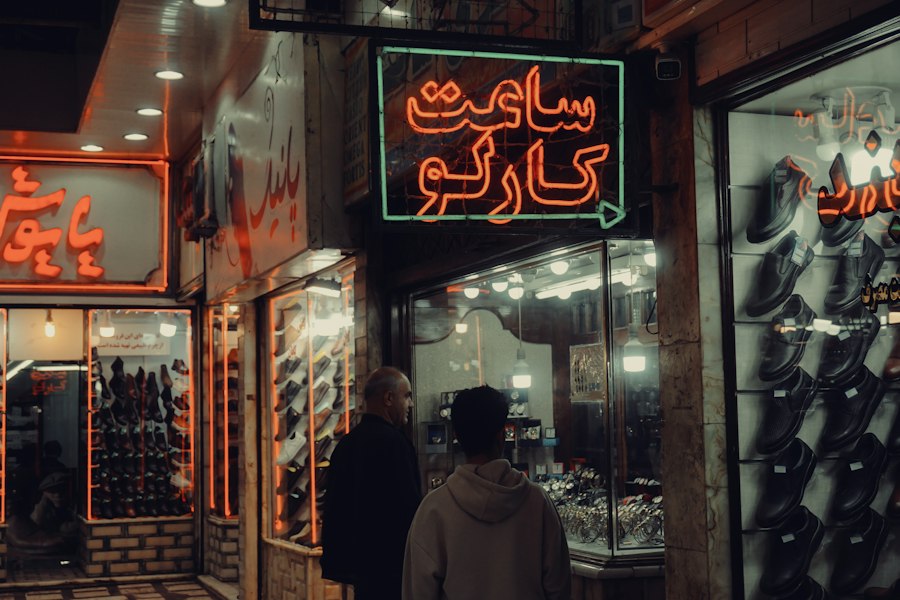
Beyond architectural marvels, Persian society itself developed intricate social and behavioral adaptations to navigate the challenges of extreme heat. These traditions and practices were deeply ingrained, ensuring the survival and prosperity of communities for generations.
The Siesta Culture: Embracing the Nocturnal Shift
The most visible manifestation of this adaptation is the widespread adoption of a siesta or midday rest. During the hottest hours of the day, typically from noon to late afternoon, the city would largely fall silent. Shops would close, streets would empty, and people would retreat indoors to escape the oppressive sun.
The Rationale Behind Midday Rest
This period of rest was not merely about comfort; it was a practical necessity for survival. Engaging in strenuous activity during peak heat could lead to heatstroke, dehydration, and other serious health issues. The siesta allowed the body to conserve energy and avoid the most dangerous hours.
The Resurgence of Life After Sunset
As the sun began to dip below the horizon and temperatures gradually subsided, the city would reawaken. Evenings and nights became the primary periods for social interaction, commerce, and outdoor activities. Streets would fill with people, markets would buzz with activity, and the cooler air would encourage community gatherings.
Food and Drink for a Hot Climate
The culinary traditions of Persia also reflect a deep understanding of how to stay cool and hydrated. The emphasis on fresh, water-rich ingredients and the strategic use of cooling beverages were integral to surviving the heat.
Hydration with Sharbat and Doogh
Traditional Persian drinks, such as sharbat (a sweet syrup mixed with water, often flavored with fruits or flowers like rosewater and basil) and doogh (a savory yogurt-based drink, often carbonated and seasoned with mint), provided essential hydration and a cooling sensation. These beverages were not just refreshing but also helped to replenish electrolytes lost through perspiration.
The Importance of Cooling Foods
The diet itself often featured ingredients that helped to combat the heat. Melons, cucumbers, and a variety of fresh fruits were staples, providing both hydration and essential nutrients. The consumption of lighter, more easily digestible meals during the hottest months was also a common practice.
Traditional Dress: Modesty as a Cooling Strategy
Persian traditional dress, characterized by loose-fitting garments and head coverings, offered a practical solution to the heat. While often associated with modesty, these styles also played a significant role in regulating body temperature.
The Benefits of Loose Garments
Loose-fitting clothing allowed for better air circulation around the body, facilitating evaporation of sweat and thus cooling. The natural, breathable fabrics like cotton and linen further enhanced this effect, preventing heat from being trapped close to the skin.
Head Coverings and Their Protective Role
Head coverings, whether turbans, scarves, or hats, provided crucial protection from direct solar radiation, preventing the head from overheating and reducing the risk of sunstroke. These garments also helped to keep the hair shaded, further contributing to overall comfort.
The Ingenuity of Water Management: Conserving a Precious Resource

In arid lands, water is life, and its efficient management was paramount to the survival and prosperity of Persian cities. The intricate systems developed for water collection, storage, and distribution demonstrate an advanced understanding of sustainability and resourcefulness.
Reservoirs and Cisterns: Storing Life’s Elixir
Beyond the qanats, Persians developed sophisticated methods for storing water. Large public reservoirs and private cisterns, often constructed underground, helped to collect rainwater and water from qanats, ensuring a supply even during prolonged dry spells.
Design Features for Water Conservation
These reservoirs were often designed with features to minimize evaporation, such as domed roofs and narrow access points. The coolness of the underground construction also helped to keep the stored water fresh and at a lower temperature.
Public Fountains and Water Channels
The presence of public fountains and water channels throughout Persian cities was not only aesthetically pleasing but also served a vital cooling function. The constant movement of water through these features helped to create a microclimate of lower temperatures and higher humidity, making public spaces more bearable.
Evaporative Cooling in Urban Settings
The evaporation of water from these features contributed to evaporative cooling, a natural process that lowers the surrounding air temperature. This created localized zones of respite, making it more comfortable to navigate the urban landscape.
Traditional Irrigation Techniques
The agricultural lands surrounding Persian cities relied on carefully managed irrigation techniques. These methods were designed to maximize water efficiency and minimize losses due to evaporation, ensuring that crops could be grown even with limited water resources.
Flood Irrigation and Water Harvesting
Traditional methods often involved controlled flooding of fields, allowing the soil to absorb water efficiently. Water harvesting techniques, such as building small dams and channels to capture runoff, were also employed to maximize water availability.
As Persian cities have adapted to survive extreme heat, their innovative architectural designs and urban planning strategies have played a crucial role in ensuring the comfort of their inhabitants. These historical approaches to climate resilience can be further understood in the context of broader climate challenges, such as rising sea levels and extreme weather events. For a deeper exploration of how these factors intertwine, you can read more in this insightful article on climate change impacts.
Enduring Legacies: Lessons for the Modern World
| City | Traditional Cooling Method | Average Summer Temperature (°C) | Effectiveness of Method | Modern Adaptations |
|---|---|---|---|---|
| Yazd | Windcatchers (Badgirs) | 40-45 | Reduces indoor temperature by up to 10°C | Integration with modern HVAC systems |
| Kashan | Underground water channels (Qanats) | 38-43 | Maintains cooler air and humidity indoors | Restoration of qanats for sustainable cooling |
| Isfahan | Thick mud-brick walls and courtyards | 37-42 | Thermal mass reduces heat penetration | Use of reflective coatings on walls |
| Shiraz | Shaded gardens and water pools | 36-41 | Evaporative cooling lowers ambient temperature | Urban green spaces expansion |
The strategies employed by Persian cities to survive extreme heat are not merely historical curiosities; they offer invaluable lessons for contemporary urban planning and climate change adaptation. In an era of rising global temperatures and increasing heatwaves, the wisdom of the past is more relevant than ever.
Passive Cooling Principles for Sustainable Cities
The principles of passive cooling, so elegantly integrated into Persian architecture, are fundamental to creating sustainable and resilient cities today. By harnessing natural ventilation, thermal mass, and shade, modern architects and urban planners can design buildings and urban spaces that require less energy for cooling and are more comfortable for inhabitants.
Rethinking Urban Design for Heat Mitigation
The focus on creating shaded pedestrian zones, incorporating green spaces and water features, and optimizing building orientation and material choices are all strategies that can be learned from the Persian model. The creation of microclimates within cities can significantly reduce the urban heat island effect.
The Importance of Water Conservation and Management
The Persian approach to water management, characterized by efficiency, conservation, and equitable distribution, is a critical lesson for a world facing increasing water scarcity. The development of smart water infrastructure and the promotion of water-saving practices are essential for future resilience.
Embracing Traditional Knowledge in a Changing Climate
As the climate continues to change, traditional knowledge systems, often forged over millennia of adaptation, hold immense value. The ingenuity and resilience demonstrated by Persian cities in the face of extreme heat offer a powerful roadmap for navigating the challenges ahead, reminding us that innovation often lies in rediscovering and adapting the wisdom of the past.

How Ancient Cities Stayed Cool Without Air Conditioning
FAQs
1. How did Persian cities adapt to extreme heat?
Persian cities utilized architectural techniques such as windcatchers, qanats, and thick adobe walls to stay cool during extreme heat.
2. What role did water management play in helping Persian cities survive extreme heat?
Water management systems like qanats were crucial in providing a reliable water supply for both drinking and cooling purposes in Persian cities.
3. How did urban planning contribute to the resilience of Persian cities in extreme heat?
Persian cities were designed with narrow streets, covered bazaars, and shaded courtyards to create cooler microclimates and protect residents from the scorching heat.
4. What materials were commonly used in the construction of buildings in Persian cities to combat extreme heat?
Buildings in Persian cities were often constructed using materials like adobe, mud bricks, and clay tiles, which helped to insulate against heat and maintain cooler indoor temperatures.
5. How did the design of Persian gardens help in coping with extreme heat?
Persian gardens, known for their lush greenery and flowing water features, provided a cool and refreshing oasis in the midst of the hot and arid climate, offering respite from the extreme heat.