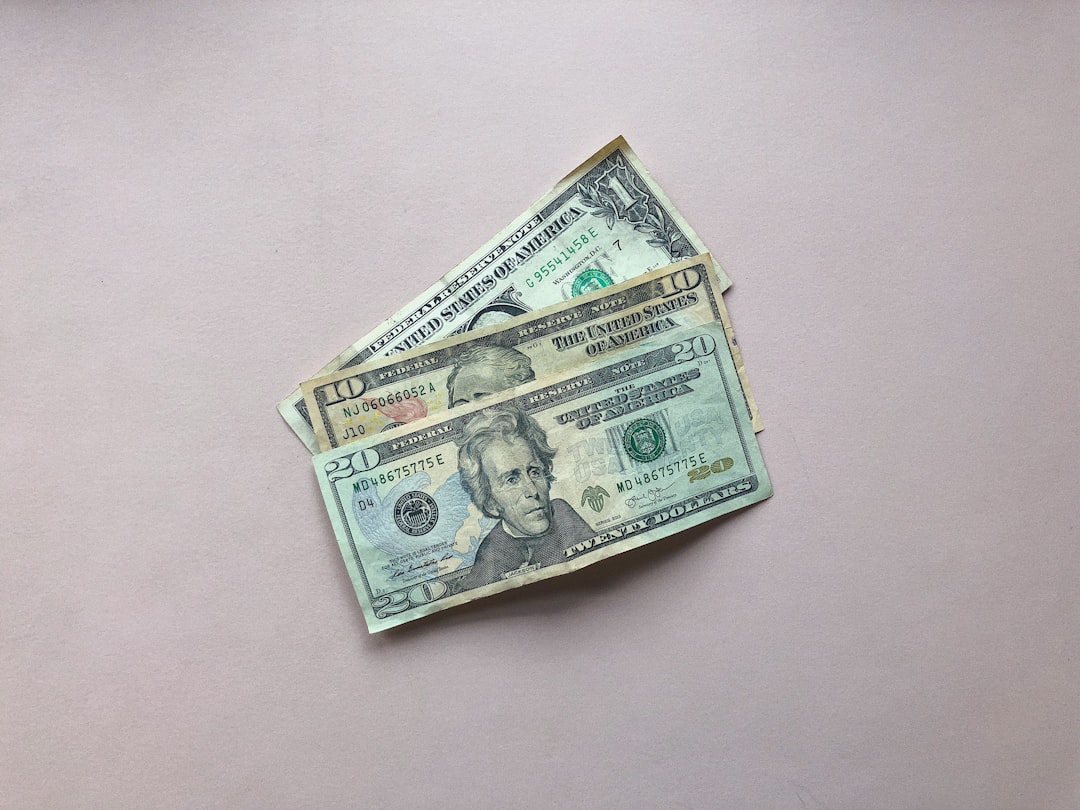
The United States dollar has long held the position of the world’s primary reserve currency, a status that has significant implications for global trade, finance, and economic stability. This dominance is not merely a reflection of the U.
economy’s size; it is also a product of historical circumstances, geopolitical power, and the trust that other nations place in the dollar.
As the currency in which most international transactions are conducted, the dollar facilitates trade and investment across borders, providing a level of liquidity and stability that few other currencies can match. The dollar’s status as a reserve currency allows the U.S. to borrow at lower costs and maintain a trade deficit without facing immediate economic repercussions, as foreign nations continue to hold dollars as part of their foreign exchange reserves.
However, the landscape of global finance is evolving, and the dollar’s supremacy is increasingly being questioned. Various factors, including the rise of emerging economies, technological advancements in finance, and shifting geopolitical alliances, are contributing to a more complex monetary environment. As nations explore alternatives to the dollar for international transactions, the implications for global economic stability and U.S.
influence are profound. Understanding the dynamics at play is crucial for grasping the future trajectory of the dollar and its role in the global economy.
Key Takeaways
- The US dollar remains the dominant global reserve currency but faces growing challenges from China’s renminbi and digital currencies.
- Geopolitical changes and central bank policies significantly influence the dollar’s future stability and dominance.
- The euro and other currencies are increasingly considered as alternatives, suggesting a possible shift toward a multi-currency reserve system.
- Economic shocks and international trade dynamics expose vulnerabilities in the dollar’s reserve status.
- The future of the dollar as the primary reserve currency is uncertain, with potential for decline amid evolving global financial landscapes.
The Rise of China and the Renminbi as a Potential Challenger
China’s rapid economic growth over the past few decades has positioned it as a formidable player on the global stage, leading to increased discussions about the potential for the renminbi (RMB) to challenge the dollar’s dominance. As China’s economy has expanded, so too has its influence in international trade and finance. The Belt and Road Initiative, which aims to enhance connectivity and cooperation among countries across Asia, Europe, and Africa, has further solidified China’s role as a key player in global economic affairs.
This initiative has encouraged many countries to engage in trade with China using the renminbi, thereby increasing its usage in international transactions. Moreover, China’s central bank has taken steps to internationalize the renminbi by establishing currency swap agreements with various countries and promoting its use in trade settlements. The inclusion of the renminbi in the International Monetary Fund’s Special Drawing Rights basket in 2016 marked a significant milestone in its journey toward becoming a global reserve currency.
While the renminbi still faces challenges, such as capital controls and concerns about transparency, its growing acceptance in international markets signals a shift that could have lasting implications for the dollar’s status.
The Impact of Digital Currencies on the Dollar’s Dominance
The advent of digital currencies represents a transformative force in the financial landscape, with potential ramifications for the dollar’s position as the world’s reserve currency. Cryptocurrencies like Bitcoin and Ethereum have gained popularity as alternative forms of money, challenging traditional banking systems and payment methods. These decentralized currencies offer advantages such as lower transaction costs and faster cross-border payments, appealing to individuals and businesses alike.
As digital currencies continue to evolve, they may provide an alternative to fiat currencies like the dollar for certain transactions. Central banks around the world are also exploring their own digital currencies, known as Central Bank Digital Currencies (CBDCs). These state-backed digital currencies aim to combine the benefits of digital transactions with the stability of government backing.
If widely adopted, CBDCs could alter the dynamics of international finance by providing an alternative means of conducting cross-border transactions without relying on traditional banking systems or the dollar. The emergence of these digital currencies could challenge the dollar’s dominance by offering new avenues for trade and investment that bypass traditional financial institutions.
Geopolitical Shifts and the Future of the Dollar
| Metric | Current Value | Trend | Implication for the Dollar |
|---|---|---|---|
| US Dollar Share in Global Reserves (%) | 58% | Declining | Reduced dominance in global finance |
| China’s Yuan Share in Global Reserves (%) | 3.5% | Increasing | Growing alternative to the dollar |
| US Treasury Holdings by Foreign Governments (Trillions) | 7.0 | Stable to Slight Decline | Potential decrease in demand for US debt |
| Number of Countries Using Dollar for Trade Invoicing (%) | 40% | Decreasing | Shift towards multipolar currency usage |
| Frequency of Dollar in SWIFT Transactions (%) | 45% | Gradually Declining | Reduced reliance on dollar-based transactions |
| US Inflation Rate (Annual %) | 3.2% | Moderate | Influences dollar purchasing power |
| Geopolitical Tensions Impacting Dollar Stability | High | Increasing | Potential volatility in dollar value |
Geopolitical shifts are playing an increasingly significant role in shaping the future of the dollar as a reserve currency. The rise of multipolarity in global politics has led to a more fragmented international order, where power is distributed among various nations rather than concentrated in a single superpower. This shift has prompted countries to seek alternatives to U.S.-centric financial systems, particularly in light of sanctions and trade disputes that have characterized recent U.S.
foreign policy. Countries such as Russia and Iran have actively sought to reduce their reliance on the dollar by establishing bilateral trade agreements using their own currencies or alternative currencies like gold. Additionally, regional organizations such as BRICS (Brazil, Russia, India, China, and South Africa) are exploring mechanisms to facilitate trade among member states without using the dollar.
These geopolitical developments signal a growing desire among nations to assert their economic sovereignty and reduce vulnerability to U.S. economic policies.
The Role of the Euro and Other Currencies in Challenging the Dollar
The euro has emerged as one of the most significant challengers to the dollar’s dominance in recent years.
The eurozone’s collective economic strength provides a solid foundation for its currency’s role in global finance.
European leaders have actively promoted the euro as an alternative to the dollar, particularly in response to U.S. sanctions that have affected European businesses. Other currencies are also vying for a more prominent role in international finance.
The Japanese yen and British pound have historically been important players, while emerging market currencies like the Indian rupee and Brazilian real are gaining traction as their respective economies grow. The diversification of reserve holdings among central banks reflects a broader trend toward reducing dependence on any single currency, including the dollar. As countries seek to balance their foreign exchange reserves with multiple currencies, this trend could further challenge the dollar’s long-standing dominance.
The Potential for a Multi-Currency Reserve System
The concept of a multi-currency reserve system is gaining traction as nations explore alternatives to a dollar-centric financial framework. In such a system, multiple currencies would coexist as reserve assets, allowing countries greater flexibility in managing their foreign exchange reserves and reducing reliance on any single currency. This shift could be driven by several factors, including geopolitical considerations, economic diversification strategies, and technological advancements in payment systems.
A multi-currency reserve system could enhance global financial stability by distributing risk across various currencies rather than concentrating it within one dominant currency. It would also empower smaller economies by providing them with more options for conducting international trade and investment without being tethered to the dollar’s fluctuations. However, achieving such a system would require significant coordination among nations and institutions to establish trust and ensure liquidity across multiple currencies.
The Influence of Central Bank Policies on the Dollar’s Status
Central bank policies play a crucial role in shaping perceptions of currency stability and trustworthiness, directly impacting the dollar’s status as a reserve currency. The Federal Reserve’s monetary policy decisions influence not only domestic economic conditions but also global financial markets. Interest rate changes, quantitative easing measures, and inflation targeting all contribute to how investors view the dollar’s value over time.
In recent years, concerns about rising inflation and fiscal deficits have prompted discussions about potential shifts in monetary policy that could affect confidence in the dollar. If central banks around the world perceive that U.S. monetary policy is becoming less predictable or less stable, they may reconsider their holdings of dollars in favor of other currencies or assets.
This shift could lead to a gradual erosion of the dollar’s dominance if alternative currencies gain credibility through sound monetary policies.
The Dollar’s Vulnerability to Economic Shocks and Crises
The dollar’s status as a reserve currency does not render it immune to economic shocks or crises that can undermine confidence in its value. Events such as financial crises, geopolitical tensions, or unexpected economic downturns can lead to volatility in currency markets and prompt investors to seek refuge in alternative assets or currencies. For instance, during periods of uncertainty, gold often sees increased demand as a safe-haven asset, while other currencies may experience fluctuations based on market sentiment.
Moreover, structural issues within the U.S. economy—such as rising debt levels or trade imbalances—can raise questions about long-term sustainability and stability. If investors perceive that these vulnerabilities are not being adequately addressed through sound fiscal or monetary policies, they may begin to diversify their holdings away from dollars.
Such shifts could accelerate if alternative currencies or assets demonstrate greater resilience during times of crisis.
The Role of International Trade and Investment in Shaping the Dollar’s Future
International trade and investment patterns significantly influence the dollar’s future as a reserve currency. The dollar’s dominance is closely tied to its use in global trade transactions; it is often preferred for pricing commodities such as oil and gold due to its liquidity and stability. However, changes in trade dynamics—such as shifts toward regional trade agreements or increased use of local currencies—could impact demand for dollars in international commerce.
Additionally, foreign direct investment (FDI) flows can affect perceptions of currency strength and stability. If countries increasingly invest in regions or economies that utilize alternative currencies for transactions, this could lead to greater acceptance of those currencies on a global scale. As nations seek to diversify their economic partnerships and reduce reliance on traditional trading partners like the U.S., this trend may further challenge the dollar’s position.
The Potential for a Decline in the Dollar’s Reserve Currency Status
While it is difficult to predict precisely how events will unfold, there is growing recognition that a decline in the dollar’s reserve currency status is possible over time. Factors such as geopolitical tensions, economic shifts toward multipolarity, technological advancements in finance, and changing preferences among central banks all contribute to this uncertainty. If alternative currencies gain traction through sound policies or increased usage in international trade, they may gradually erode confidence in the dollar.
Moreover, public sentiment regarding U.S. economic policies can influence perceptions of currency stability on a global scale. If foreign governments or investors perceive that U.S.
policies are increasingly erratic or detrimental to global economic stability, they may seek alternatives that align more closely with their interests. This potential decline would not happen overnight but could manifest gradually as nations reassess their reliance on dollars amid evolving geopolitical landscapes.
The Uncertain Future of the Dollar as Reserve Currency
The future of the U.S. dollar as the world’s primary reserve currency remains uncertain amid shifting geopolitical dynamics, technological advancements, and evolving economic relationships among nations. While it currently enjoys unparalleled dominance due to historical factors and established trust among global investors, various challenges are emerging that could reshape this landscape over time.
As countries explore alternatives to traditional financial systems—whether through digital currencies or increased use of other national currencies—the implications for global trade and investment are profound. The rise of China’s renminbi, ongoing discussions about multi-currency systems, and central bank policies all contribute to an increasingly complex environment where no single currency can claim absolute supremacy indefinitely. Ultimately, while it is premature to declare an end to the dollar’s reign as a reserve currency, it is essential for policymakers and economists alike to remain vigilant about these evolving trends that could redefine global finance in ways previously unimagined.
The future of the dollar as the world’s primary reserve currency is a topic of significant debate among economists and policymakers. As nations explore alternatives and digital currencies gain traction, understanding the implications of these changes is crucial. For a deeper insight into this evolving landscape, you can read a related article on the subject at this link.
WATCH THIS! The Bank That Will Break The World: Why The Secret Collapse Is Already Underway
FAQs
What is a reserve currency?
A reserve currency is a foreign currency held in significant quantities by governments and institutions as part of their foreign exchange reserves. It is used for international trade, investments, and to support the value of a country’s own currency.
Why is the US dollar currently the world’s primary reserve currency?
The US dollar is the primary reserve currency due to the size and strength of the US economy, the stability of its political system, the liquidity and depth of its financial markets, and the widespread use of the dollar in global trade and finance.
What factors could influence the future status of the US dollar as the reserve currency?
Factors include changes in the US economic and fiscal policies, geopolitical shifts, the rise of alternative currencies like the euro or Chinese yuan, technological advancements such as digital currencies, and global trade dynamics.
Are there any viable alternatives to the US dollar as a global reserve currency?
Potential alternatives include the euro, Chinese yuan (renminbi), Japanese yen, and emerging digital currencies. However, each has limitations related to economic size, market liquidity, political stability, and international acceptance.
How might digital currencies impact the future of the US dollar as a reserve currency?
Digital currencies, including central bank digital currencies (CBDCs), could alter global payment systems and reserve holdings by providing faster, cheaper, and more transparent transactions. Their impact depends on adoption rates, regulatory frameworks, and international cooperation.
What role does the US government play in maintaining the dollar’s reserve currency status?
The US government supports the dollar’s status through sound fiscal and monetary policies, maintaining political stability, ensuring the rule of law, and fostering strong financial institutions and markets.
Could the US dollar lose its reserve currency status?
While possible, a complete loss of the dollar’s reserve status is unlikely in the near term due to the dollar’s entrenched role in global finance. However, its dominance could diminish gradually if other currencies or systems become more attractive.
How does the dollar’s reserve currency status benefit the United States?
It allows the US to borrow at lower costs, run trade deficits more easily, and exert significant influence over global financial systems and international economic policies.
What are the risks if the US dollar’s reserve currency status declines?
Risks include higher borrowing costs for the US, reduced global economic influence, increased volatility in currency markets, and potential disruptions in international trade and finance.
How do international organizations view the future of the dollar as a reserve currency?
Organizations like the International Monetary Fund (IMF) monitor currency trends and generally acknowledge the dollar’s continued dominance but also recognize the gradual diversification of reserves and the potential for changes in the global monetary system.