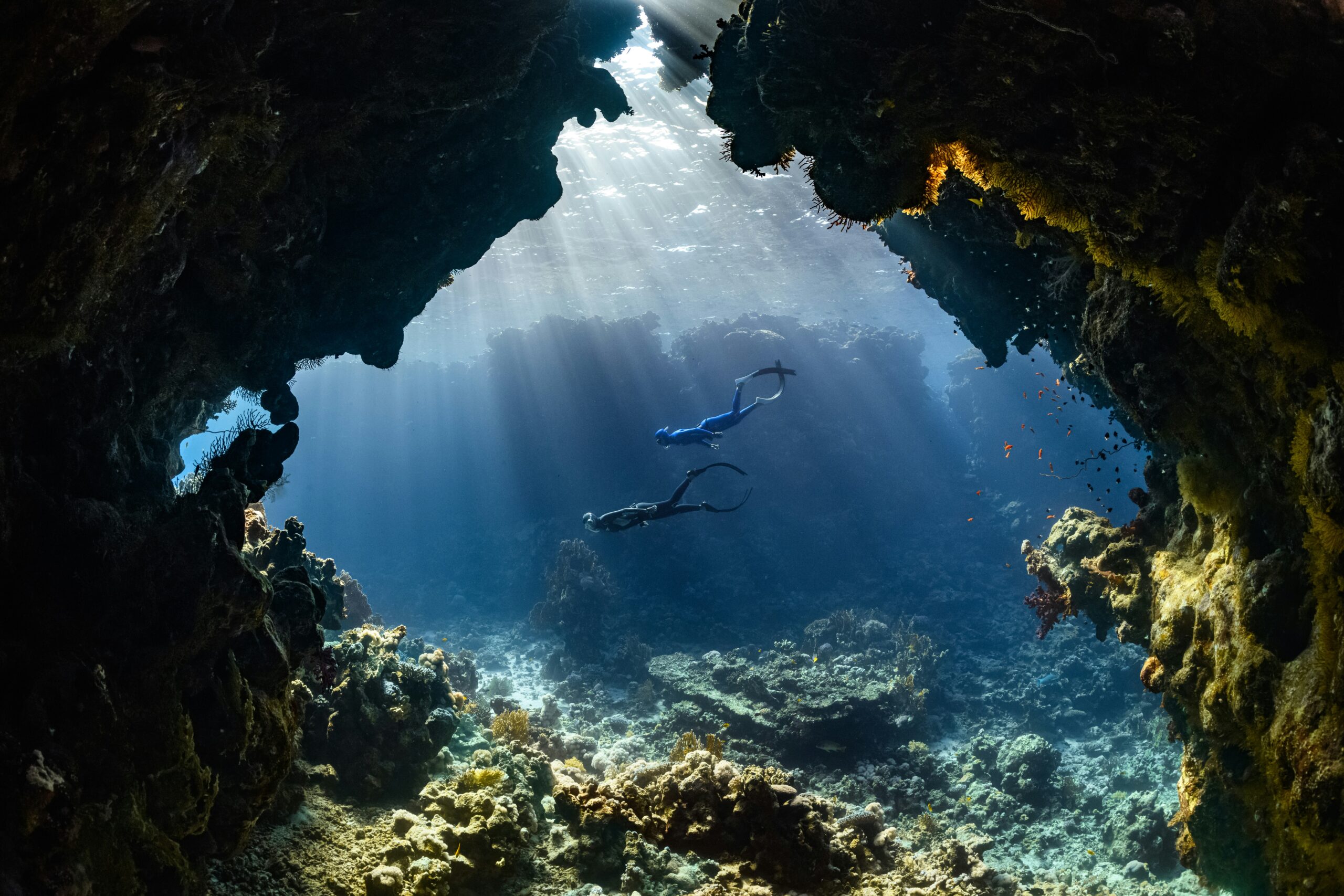
The Earth, a planet seemingly known and charted, still harbors an astonishing array of mysteries beneath its surface. From colossal geological formations to enigmatic biological remnants, the subterranean realm continuously challenges our understanding of life and the planet’s history. These bizarre finds, often unearthed by accident during mining operations, construction projects, or geological surveys, offer tantalizing glimpses into processes and events far beyond our everyday experience. They whisper tales of ancient, alien worlds, of evolutionary paths untaken, and of geological forces that sculpt reality in unimaginable ways.
Beneath the earth’s crust, in environments so extreme they would be considered alien on other planets, life persists. These are not mere microbes clinging to existence, but complex organisms that have survived millennia, even eons, in complete isolation from the surface world. Their discovery redefines our understanding of habitability and the sheer tenacity of life.
The Blob-like Architects of the Deep Biosphere
One of the most astounding discoveries in recent decades has been the sheer abundance and diversity of life within the Earth’s crust. This “deep biosphere” is a vast, subterranean ecosystem estimated to contain more biomass than all the surface life combined. Here, microscopic organisms thrive in conditions of immense pressure, extreme temperatures, and complete absence of sunlight, drawing energy from chemical reactions within the rocks themselves.
Chemosynthesis: Life Without Sunlight
Unlike surface life, which relies on photosynthesis to capture solar energy, the inhabitants of the deep biosphere are powered by chemosynthesis. They metabolize inorganic compounds such as hydrogen, methane, and sulfur, extracting energy in a process that has been ongoing for billions of years, predating the evolution of oxygenic photosynthesis. This discovery fundamentally alters our conception of where life can exist, suggesting that the potential for life on other planets, particularly those with subsurface oceans, might be far greater than previously imagined.
The Microbial Communities of Boreholes
Exploration through deep drilling operations has revealed intricate microbial communities living within pore spaces and fractures in rocks kilometers beneath the surface. These communities are often highly specialized, with distinct species adapted to specific mineral compositions and pressure gradients. The genetic makeup of these organisms often reveals ancient lineages, hinting at their long, independent evolutionary history, isolated from the genetic exchange that shapes surface ecosystems. Some of these microbes have been shown to be capable of extraordinary feats, such as surviving in boiling water or withstanding immense radiation.
Implication for Astrobiology
The existence of the deep biosphere has profound implications for astrobiology. If life can thrive in such harsh, isolated environments on Earth, it is plausible that similar conditions exist on other celestial bodies. Moons like Europa and Enceladus, with their suspected subsurface oceans, now represent prime targets in the search for extraterrestrial life, as they may harbor their own deep biospheres.
Ancient Animal Survivals: From Extinct to Extant
Beyond the microscopic, there have been discoveries of larger, more complex organisms that appear to be living relics of bygone eras, thriving in secluded subterranean pockets.
The Blind Cavefish of Lost Worlds
Numerous cave systems around the globe harbor unique species of fish that have evolved in complete darkness for millennia. These “blind cavefish” have lost their eyesight, their pigmentation, and often their external ears, developing heightened senses of touch and smell to navigate their pitch-black aquatic environments. Their origins often trace back to surface-dwelling ancestors that became trapped in subterranean waterways millions of years ago.
Evolutionary Adaptations in Isolation
The evolutionary adaptations seen in these cavefish are a testament to the power of natural selection in isolated environments. Reduced metabolic rates, enhanced chemosensory abilities, and specialized appendages for sensing vibrations are just some of the remarkable traits that have emerged. Studying these species provides invaluable insights into the mechanisms of adaptation and the genetic changes that accompany evolutionary divergence.
The “Living Fossils” of the Deep
Some of these cave-dwelling creatures are considered “living fossils,” meaning they bear a striking resemblance to extinct species known only from the fossil record. This suggests that these subterranean refuges have provided stable environments where ancient lineages could persist, shielded from the competitive pressures and environmental shifts that drove their surface relatives to extinction. The discovery of such creatures blurs the line between extinct and extant, offering a tangible connection to Earth’s deep past.
One of the most intriguing aspects of our planet is the myriad of strange discoveries that lie beneath its surface, from ancient cities to mysterious artifacts. For those interested in exploring how ancient civilizations managed their resources, a related article discusses the fascinating rationing systems in the ancient world. You can read more about this topic by visiting this link.
Geological Anomalies: Sculpted by Unknown Forces
The Earth’s interior is a dynamic and often violent place, with geological processes that can create formations and phenomena so unusual they defy immediate explanation. These anomalies hint at forces and timelines that stretch our comprehension.
The Crystal Caves: Cathedrals of Geological Time
Perhaps the most visually stunning subterranean discoveries are the colossal crystal caves, such as the Cave of the Crystals in Naica, Mexico. These caverns are lined with gigantic gypsum crystals, some measuring over 10 meters in length and weighing many tons.
The Naica Phenomenon: Extreme Conditions for Growth
The formation of these crystals is a direct result of the unique geological conditions within the cave. For hundreds of thousands of years, the cave was submerged in mineral-rich hot water, maintaining a constant temperature of around 58°C (136°F). This extreme environment provided the ideal conditions for gypsum to slowly precipitate and grow into these magnificent, sword-like structures.
Slow Growth, Immense Scale
The sheer scale of these crystals is breathtaking, suggesting an incredibly slow and consistent growth process over vast geological timescales. Scientists estimate that it took hundreds of thousands of years for these crystals to reach their current size. This process highlights the potential for geological formations to evolve to unimaginable proportions when the right conditions persist for extended periods.
The Fragility of Giants
Despite their immense size, these crystals are incredibly fragile. Their formation in a stable, undisturbed environment meant they were not subjected to the forces that would normally break down or alter surface minerals. Their discovery necessitates careful conservation efforts to preserve these natural wonders.
Subterranean Waterways: Rivers of Surprise
Beneath the familiar surface rivers, a hidden network of subterranean waterways exists, some of which harbor unusual properties and hold secrets of ancient geological events.
The River of Blood: A Color Anomaly
In some regions, groundwater can become stained with iron oxides, giving rise to subterranean rivers that appear to be flowing with “blood.” This phenomenon, while natural, can be startling and has led to various folklore and superstitions. The specific mineral composition of the surrounding rock dictates the color and intensity of the staining.
Mineral Interactions and Groundwater Chemistry
The coloration of these subterranean rivers is a direct consequence of complex chemical reactions between water and the surrounding mineral deposits. Dissolved iron, exposed to oxygen and specific pH levels, oxidizes and precipitates, creating vivid hues that can range from deep red to ochre. Understanding these chemical processes is crucial for interpreting the geological history of a region.
The “Lost” Rivers: Forgotten Watercourses
Geologists have identified evidence of ancient river systems that once flowed on the surface but have since been buried by geological activity, such as landslides, volcanic eruptions, or glacial deposition. These “lost” rivers can sometimes be rediscovered through geological mapping and subsurface investigations, offering clues about past landscapes and hydrological patterns.
Reconstructing Past Landscapes
The identification of buried riverbeds allows geologists to reconstruct past landscapes and understand how tectonic activity and environmental changes have reshaped the Earth’s surface over time. These buried rivers can also act as pathways for groundwater flow, influencing the distribution of aquifers and the movement of contaminants.
Biological Curiosities: Uncharted Terrors and Wonders

The subterranean realm is not only home to life that has adapted to darkness and pressure but also to organisms that exhibit truly bizarre characteristics, challenging our perceptions of what constitutes a “normal” organism.
The Bioluminescent Depths: Lights in the Abyss
While many deep-sea creatures are known for their bioluminescence, this phenomenon also occurs in some subterranean environments, albeit on a much smaller scale and in less explored locations.
Glow-in-the-Dark Fungi and Bacteria
Certain species of fungi and bacteria found in damp caves and subterranean tunnels possess the ability to produce their own light. This bioluminescence can serve various purposes, from attracting prey to deterring predators or even facilitating communication within microbial colonies. The chemical reactions involved in this light production are complex and often unique to each species.
The Chemistry of Cold Light
Bioluminescence is a form of chemiluminescence, where light is produced through a chemical reaction. This “cold light” generates very little heat, making it an efficient form of illumination for organisms living in energy-scarce environments. Studying these light-producing mechanisms can have applications in various fields, including medicine and biotechnology.
The Enigmatic Role of Subterranean Light
The evolutionary reasons for bioluminescence in subterranean organisms are still being actively researched. In the complete absence of external light, any internal light source could significantly impact an organism’s survival. Understanding these roles provides a window into the intricate adaptations of life in extreme darkness.
The Giants of the Underworld: Unexpectedly Large Organisms
While the deep biosphere is dominated by microscopic life, there have been rare instances of surprisingly large or unusual organisms discovered in subterranean environments.
The Giant Isopods of Karst Regions
In some karst regions, where limestone has been dissolved to form extensive cave systems, exceptionally large invertebrates have been found. Giant isopods, a type of crustacean related to pill bugs, can reach impressive sizes and have adapted to the nutrient-poor conditions of caves.
Surviving on Scarcity
These large cave-dwelling invertebrates have evolved strategies to survive on limited food resources. They often have slow metabolisms, can go for long periods without feeding, and are opportunistic scavengers, consuming any organic matter that finds its way into their subterranean habitat.
The Mythical and the Real: Unverified Creatures
While most subterranean discoveries are firmly rooted in scientific observation, the allure of the unknown has fueled tales of monstrous creatures lurking beneath the surface. While many of these are folklore, they speak to humanity’s deep-seated fascination with the unexplored depths and the potential for undiscovered life forms.
Ancient Artifacts and Mysteries: Traces of Lost Civilizations?

The Earth’s crust has served as a repository not only for geological and biological history but also, in rare and contested instances, for artifacts that suggest the presence of unknown or forgotten civilizations.
Submerged Cities and Structures: Echoes of Human Ingenuity
While not strictly subterranean in the sense of being deep underground, submerged structures and ancient cities found beneath bodies of water often lie in conditions that mimic the isolation of the subsurface.
The Yonaguni Monument: An Underwater Enigma
The Yonaguni Monument, off the coast of Japan, is a massive underwater rock formation that has sparked intense debate. Some researchers believe it to be a man-made structure, a submerged city or temple, due to its seemingly regular, geometric shapes. Others argue for a purely natural origin, shaped by erosion and geological processes.
The Debate Between Nature and Artifice
The debate surrounding Yonaguni highlights the difficulty in distinguishing between natural geological formations and ancient artificial structures, especially when subjected to millennia of underwater erosion. Detailed geological and archaeological analysis is often required to resolve such enigmas.
Implications for Ancient History
If Yonaguni, or similar submerged sites, are indeed man-made, they would push back the timeline of human civilization significantly, suggesting advanced societies existed in prehistoric times and were lost to the rising seas.
Anomalous Objects in Geological Strata: Puzzling Discoveries
Occasionally, objects are found embedded within geological strata that appear out of place, defying conventional explanations of formation.
The “Modern” Objects in Ancient Rock
Reports of modern objects, such as tools or even metallic spheres, found encased in ancient rock layers have circulated for decades. These reports are often met with skepticism by the scientific community, as they challenge established geological timelines.
Explaining the Unexplained: Displacement and Contamination
Skeptics often attribute such finds to geological processes like displacement (objects falling into fissures and becoming incorporated into the rock over time) or contamination from more recent human activity. However, the possibility of genuine anomalies continues to fuel debate.
The Call for Rigorous Investigation
These anomalous finds, however rare, underscore the importance of meticulous scientific investigation and rigorous documentation. They serve as a reminder that our understanding of Earth’s history is continually evolving, and sometimes, the most perplexing discoveries can lead to the most profound shifts in our knowledge.
One of the most intriguing aspects of our planet is the myriad of strange discoveries that lie beneath its surface, revealing secrets that challenge our understanding of history and technology. For those interested in exploring some of the most astonishing findings, a related article delves into the lost technology that has been unearthed, shedding light on ancient civilizations and their innovations. You can read more about these fascinating revelations in the article Unearthed: The Lost Tech They Hid, which offers a captivating glimpse into what has been hidden beneath our feet for centuries.
The Uncharted Frontiers: The Future of Subterranean Exploration
| Discovery | Location | Depth | Description | Year Discovered |
|---|---|---|---|---|
| Lake Vostok | Antarctica | 4,000 meters | Subglacial lake trapped beneath 4 km of ice, isolated for millions of years. | 1996 |
| Brinicles (Underwater Icicles) | Antarctic Ocean | Near seabed | Underwater icicles formed by supercooled brine, freezing everything in their path. | 1960s (documented) |
| Deepest Gold Nugget | Witwatersrand Basin, South Africa | 3,500 meters | Largest gold nugget found deep underground in one of the richest gold deposits. | 1970s |
| Giant Crystal Cave | Naica Mine, Mexico | 300 meters | Massive selenite crystals up to 12 meters long found in a cave filled with mineral-rich water. | 2000 |
| Microbial Life in Deep Rock | South African Gold Mines | 2,800 meters | Microorganisms found living in extreme conditions deep underground, isolated from surface life. | 2000s |
| Lost City Hydrothermal Field | Mid-Atlantic Ridge | 800 meters | Underwater hydrothermal vents with unique carbonate chimneys and unusual microbial ecosystems. | 2000 |
The vast majority of the Earth’s subterranean realm remains unexplored, a frontier teeming with potential for groundbreaking discoveries. As technology advances, so too does our ability to probe these hidden depths.
Advancements in Subsurface Imaging and Robotics
New technologies are revolutionizing our ability to explore underground environments. Advanced seismic imaging techniques can map geological structures with unprecedented detail, while sophisticated robotic probes equipped with sensors and cameras can venture into hazardous or inaccessible areas.
Remote Sensing and Geophysical Surveys
Geophysical methods, such as ground-penetrating radar and magnetic surveys, allow scientists to gather information about subsurface structures and materials without the need for extensive drilling. These techniques are invaluable for identifying potential areas of interest for further investigation.
The Role of AI in Data Analysis
Artificial intelligence is playing an increasingly important role in analyzing the vast amounts of data generated by subsurface exploration. AI algorithms can identify patterns, anomalies, and potential discoveries that might be missed by human observers.
The Search for New Resources and Energy Sources
Beyond scientific curiosity, the drive to find new resources and sustainable energy sources is a major impetus for subterranean exploration.
Geothermal Energy Potential
The Earth’s interior holds immense potential for geothermal energy, a renewable energy source that can be harnessed from the heat of the Earth. Exploring these subsurface heat reservoirs is crucial for meeting future energy demands.
Harnessing the Earth’s Internal Heat
Geothermal power plants tap into underground reservoirs of hot water and steam to generate electricity. As technology improves, the efficiency and accessibility of geothermal energy are expected to increase significantly.
Deep-Sea Mining and Mineral Deposits
The ocean floor, a vast subterranean realm in itself, is being increasingly explored for valuable mineral deposits. While controversial due to environmental concerns, the potential for discovering new resources is immense.
The Ethical Considerations of Subterranean Exploitation
As our ability to access and exploit subterranean resources grows, so too do the ethical considerations. Balancing the potential benefits with the need for environmental protection and the preservation of unique subterranean ecosystems becomes paramount.
Preserving Fragile Ecosystems
Many subterranean environments, particularly caves and deep biosphere habitats, are incredibly fragile and sensitive to disturbance. Exploitation must be carefully managed to avoid irreversible damage.
The Importance of Sustainable Practices
The long-term sustainability of any subterranean resource extraction must be a primary consideration. This involves minimizing environmental impact, ensuring responsible waste disposal, and considering the interconnectedness of subterranean ecosystems.
The Earth’s interior remains a realm of profound mystery, a testament to the planet’s dynamic history and the extraordinary resilience of life. The bizarre subterranean finds unearthed so far are but a whisper of the secrets that lie beneath our feet, beckoning us to continue our exploration and to deepen our understanding of this incredible planet we call home. Each discovery, whether a living fossil, a colossal crystal, or an anomalous artifact, serves as a reminder that even on a seemingly well-known planet, the greatest wonders may still lie hidden, waiting to be unearthed.
They Drilled 12 KM Into Earth — Then Everything Changed
FAQs
What are some of the strangest discoveries found beneath Earth’s surface?
Some of the strangest discoveries found beneath Earth’s surface include giant crystal caves in Mexico, mysterious deep-sea creatures in the Mariana Trench, and ancient underground cities in Turkey.
How are these discoveries made?
These discoveries are often made through scientific exploration, such as cave diving, deep-sea submersibles, and archaeological excavations. Advanced technology like sonar, drones, and ground-penetrating radar also play a crucial role in uncovering these hidden wonders.
Why are these discoveries considered strange?
These discoveries are considered strange because they challenge our understanding of the world and showcase the incredible diversity and complexity of life and geology beneath Earth’s surface. They often reveal unexpected ecosystems, geological formations, or ancient civilizations that were previously unknown.
What can we learn from these discoveries?
These discoveries provide valuable insights into Earth’s history, biodiversity, and geological processes. Studying these hidden worlds can help scientists better understand evolution, climate change, and the potential for life beyond our planet.
Are there more strange discoveries waiting to be found beneath Earth’s surface?
Yes, there are likely countless more strange discoveries waiting to be found beneath Earth’s surface. With ongoing advancements in technology and exploration, we can expect to uncover even more fascinating and mysterious wonders hidden deep within the Earth.