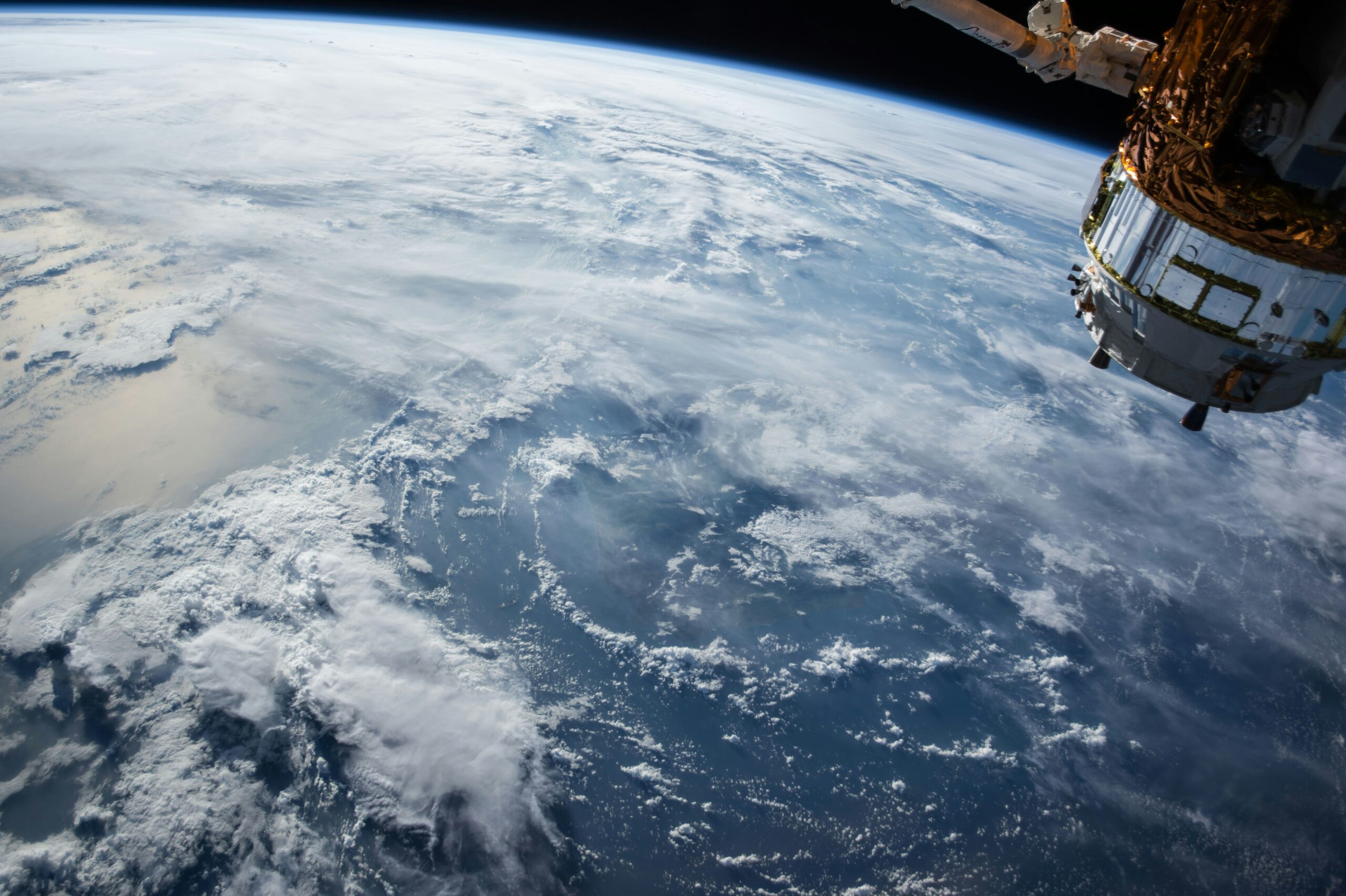
The vast majority of our planet remains a mystery. While humanity has gazed at the stars and mapped the intricacies of the human brain, a staggering 95% of Earth’s physical volume remains unexplored. This unexplored 95% represents a frontier of discovery, holding secrets about our planet’s formation, its hidden resources, and the potential for life in extreme environments. The journey to uncover this vast unknown is not merely an academic pursuit; it is a quest to understand our home in its entirety, to unlock its potential, and to prepare for its future.
The Earth’s oceans, covering over 70% of its surface, are by far the most significant unexplored domain. While we have a rudimentary understanding of the ocean’s surface and its impact on climate, the abyssal plains, trenches, and underwater mountain ranges are largely uncharted territories. The immense pressure, frigid temperatures, and perpetual darkness of the deep ocean create an environment that is incredibly challenging for human exploration, yet teeming with unique and resilient life forms.
The Abyss: A Realm of Extreme Conditions
The deep sea, generally considered to be below 200 meters, is a world of extremes. Sunlight does not penetrate these depths, creating a perpetual state of darkness that has shaped the evolution of its inhabitants. The pressure increases dramatically with depth, crushing anything not specifically adapted to withstand it. Yet, life persists and thrives. Bioluminescence, the production of light by living organisms, is a common adaptation, used for communication, hunting, and defense in this lightless world.
The Mariana Trench: The Deepest Chasm
The Mariana Trench, located in the western Pacific Ocean, is the deepest known point on Earth, reaching over 11,000 meters. Despite the crushing pressure, which is over 1,000 times that at sea level, life has been found even at these extreme depths. Organisms like the hadal snailfish have adapted to survive in this hostile environment, showcasing the incredible tenacity of life. The exploration of such trenches offers insights into the geological processes that shape our planet and the biochemical adaptations that allow life to persist in seemingly impossible conditions.
Hydrothermal Vents: Oases of Life
Hydrothermal vents, often found along mid-ocean ridges, are fissures on the seafloor that release superheated, mineral-rich water. These vents, once thought to be devoid of life, have been discovered to support thriving ecosystems. Chemosynthetic bacteria, which derive energy from chemical reactions rather than sunlight, form the base of these food webs. These bacteria support a diverse array of organisms, including tube worms, mussels, and crabs, all adapted to the unique chemistry and high temperatures of these deep-sea oases. Studying these ecosystems challenges our understanding of the origins of life and the potential for life on other planets with similar conditions.
The Uncharted Seas: Mapping the Ocean Floor
Despite technological advancements, a significant portion of the ocean floor remains unmapped. Sonar technology allows us to create bathymetric maps, but the resolution and detail of these maps are often insufficient to reveal the intricate geological features of the seafloor. Submersibles and remotely operated vehicles (ROVs) are crucial for detailed visual surveys, but their deployment is time-consuming and expensive, limiting the scope of exploration.
The Importance of Ocean Mapping
Comprehensive ocean mapping is vital for several reasons. It informs navigation and ensures the safety of maritime traffic. It is essential for understanding geological hazards like underwater earthquakes and tsunamis. Furthermore, it helps us identify and protect vulnerable marine ecosystems and discover potential new sources of renewable energy. The discovery of new species and unique geological formations continues to highlight how much we still have to learn about this vast submerged landscape.
While humans have made significant advancements in exploring the surface of the Earth, our understanding of what lies beneath remains limited. According to a related article on the exploration of underground resources, it is estimated that only a small fraction of the Earth’s subterranean regions have been thoroughly investigated. This raises questions about the potential treasures and resources that may still be hidden below the surface. For more insights on this topic, you can read the article here: Is the Government Coming for Your Gold?.
Beneath the Crust: Unveiling Earth’s Interior
Our understanding of the Earth’s interior is largely based on indirect evidence, primarily seismic waves generated by earthquakes. While we know of the crust, mantle, and core, the precise composition, temperature, and dynamics of these layers remain subjects of ongoing research. The extreme conditions within the Earth make direct exploration impossible with current technology.
The Mantle: A Layer of Constant Motion
The Earth’s mantle, which makes up about 84% of its volume, is a thick layer of silicate rock that is primarily solid but behaves like a very viscous fluid on geological timescales. Convection currents within the mantle drive plate tectonics, the movement of Earth’s crustal plates, which in turn causes earthquakes, volcanic eruptions, and mountain formation. Understanding these convection patterns is crucial for comprehending global geological processes.
The Mysteries of the Lower Mantle
The lower mantle, extending from about 660 kilometers to 2,900 kilometers depth, is particularly enigmatic. The immense pressure and temperature in this region cause the rocks to behave differently than in the upper mantle. Minerals exist in exotic high-pressure phases, and understanding their properties helps us model the Earth’s deep processes. Studying xenoliths, fragments of mantle rock brought to the surface by volcanic eruptions, provides valuable clues about the composition and conditions of the mantle.
The Core: A Fiery, Magnetic Heart
The Earth’s core, located at the planet’s center, is divided into a solid inner core and a liquid outer core. The churning of the liquid iron-nickel alloy in the outer core generates Earth’s magnetic field, which protects us from harmful solar radiation. The precise composition and dynamics of the inner core are still debated, with ongoing research attempting to understand its formation and growth.
The Dynamo Effect: Generating Our Magnetic Shield
The geodynamo theory explains how the motion of conductive fluids in the Earth’s outer core generates its magnetic field. While the general principles are understood, the intricate details of this process, including the exact structure and dynamics of the convective cells, are still being investigated. Studying the Earth’s magnetic field provides insights into the planet’s deep interior and its evolution over time.
Hidden Worlds: Caves and Subterranean Ecosystems

Beyond the oceans and the deep interior, the Earth’s crust conceals vast networks of caves and subterranean environments. These hidden worlds, often inaccessible and unexplored, host unique ecosystems adapted to perpetual darkness and isolation.
Karst Landscapes: The Foundation of Subterranean Realms
Karst landscapes, formed by the dissolution of soluble rocks like limestone and dolomite, are characterized by sinkholes, underground rivers, and extensive cave systems. These geological formations are found in many regions of the world and represent a significant portion of Earth’s unexplored volume at a more accessible scale than the deep ocean or mantle.
The Biodiversity of Caves
Cave ecosystems, often referred to as troglobionts, are home to a specialized array of life forms that have evolved to survive in the absence of sunlight and with limited food resources. These include blind fish, cave salamanders, unique insects, and various microorganisms. The study of these organisms can reveal novel adaptations and biochemical pathways, potentially leading to new scientific discoveries and biotechnological applications.
Subglacial Lakes: Frozen Enigmas
Beneath the vast ice sheets of Antarctica and Greenland lie numerous subglacial lakes, vast bodies of liquid water trapped for millennia. These lakes, like Lake Vostok in Antarctica, are isolated from the surface world, creating unique and potentially ancient ecosystems. The exploration of these environments presents significant technical challenges due to the extreme cold and the need to avoid contaminating the pristine waters.
The Potential for Extinct Life
The isolation of subglacial lakes raises the possibility of harboring unique microbial life, potentially even remnants of ancient organisms that have survived in these frozen refuges. Studying the genetic material and metabolic processes of these organisms could provide invaluable insights into the history of life on Earth and its adaptability to extreme conditions.
The Earth’s Dynamic Skin: Unveiling the Crust and its Secrets

While the Earth’s crust is the most accessible layer, much of its complexity remains unmapped and misunderstood. Tectonic plates are constantly shifting, creating new landforms and influencing geological processes across the globe. The vast majority of the crust, both continental and oceanic, is relatively unexplored in its intricate details.
Continental Margins: The Interface Between Land and Sea
Continental margins, the submerged edges of continents, are complex transition zones that transition from shallow continental shelves to the deep ocean floor. These regions are geologically diverse, containing vast sedimentary basins, submarine canyons, and active fault lines. Much of these areas remain poorly understood, holding potential for significant hydrocarbon reserves and valuable mineral deposits.
The Role of Sedimentary Basins
Sedimentary basins, formed by the accumulation of eroded material over millions of years, are crucial for understanding Earth’s history and for locating resources. The study of these basins, often through seismic surveys and exploratory drilling, helps us reconstruct past environments and predict the distribution of oil, gas, and groundwater. However, many deep and remote sedimentary basins are yet to be thoroughly investigated.
The Deep Biosphere: Life Beneath Our Feet
Recent discoveries have revealed a vast and diverse biosphere existing deep within the Earth’s crust, far below the surface. This “deep biosphere” is composed of microbial communities that survive in the absence of sunlight and oxygen, utilizing chemical energy from rocks and fluids.
Microbial Survival in Extreme Environments
These subsurface microbes exhibit remarkable adaptations to survive under immense pressure, high temperatures, and limited nutrient availability. Their metabolic pathways can be unique and have implications for understanding the limits of life and the potential for life in other planetary bodies. The study of the deep biosphere is a burgeoning field, with vast areas of the Earth’s crust yet to be sampled and analyzed for microbial life.
While humans have made significant strides in exploring the surface of our planet, the depths of the Earth remain largely uncharted. Studies suggest that we have only explored about 10% of the underground world, leaving vast areas untouched and full of potential discoveries. This limited exploration raises questions about what lies beneath our feet and how it might impact our understanding of geology and biology. For those interested in the broader implications of exploration, including the potential for future conflicts beyond our planet, you can read more in this insightful article on space warfare.
The Path Forward: Technologies and the Future of Exploration
| Aspect | Details |
|---|---|
| Percentage of Earth’s crust explored | Less than 0.1% |
| Maximum depth of human-made tunnels | ~12 km (Kola Superdeep Borehole, Russia) |
| Average depth of most mines | 1-4 km |
| Depth of deepest cave explored | ~2.2 km (Veryovkina Cave, Georgia) |
| Percentage of underground water reservoirs explored | Very limited, estimated less than 5% |
| Extent of underground urban infrastructure | Varies by city, typically up to 100 meters deep |
The exploration of the remaining 95% of Earth is not a lost cause; it is an ongoing endeavor driven by technological innovation and a relentless human curiosity. New tools and methodologies are constantly being developed, pushing the boundaries of what is possible.
Advanced Robotics and Autonomous Systems
The development of advanced robotics, including remotely operated vehicles (ROVs), autonomous underwater vehicles (AUVs), and robotic probes for subterranean exploration, is revolutionizing our ability to explore remote and hostile environments. These machines can operate for extended periods, collect vast amounts of data, and reach depths and locations inaccessible to humans.
The Promise of AI and Machine Learning
Artificial intelligence (AI) and machine learning are playing an increasingly vital role in analyzing the massive datasets generated by exploration. AI can help identify patterns, classify geological formations, detect subtle changes in the environment, and even guide autonomous exploration missions, making the process more efficient and effective.
Enhanced Sensing and Imaging Technologies
Innovations in sensing and imaging technologies, such as high-resolution sonar, advanced gravimetric and magnetic sensors, and novel forms of electromagnetic imaging, are allowing us to peer deeper into the Earth and with greater clarity. These technologies are crucial for mapping the ocean floor, understanding subsurface geological structures, and detecting hidden resources.
The Role of Satellites and Remote Sensing
While primarily focused on the surface, satellite imagery and remote sensing techniques are also contributing to our understanding of Earth’s dynamic processes. Monitoring seismic activity, tracking volcanic plumes, and mapping ice sheet dynamics from space provide crucial data that complements ground-based and sub-surface exploration efforts.
The 95% of Earth that remains unexplored represents a vast reservoir of knowledge and potential. From the crushing pressures of the deep ocean to the fiery heart of the planet’s core, and the hidden microbial worlds within its crust, the quest to uncover these unknowns continues. Each new discovery pushes the boundaries of our understanding of our planet, its history, and its potential. The future of exploration is bright, fueled by technological advancement and an enduring human spirit of discovery. Uncovering Earth is not just about mapping what we don’t know; it’s about understanding ourselves and our place in the universe.
They Drilled 12 KM Into Earth — Then Everything Changed
FAQs
What percentage of Earth’s underground has been explored by humans?
Less than 5% of Earth’s underground has been explored by humans.
What are some of the deepest caves explored by humans?
Some of the deepest caves explored by humans include Krubera Cave in Georgia, which reaches a depth of over 7,200 feet, and Veryovkina Cave in Abkhazia, which reaches a depth of over 7,100 feet.
What challenges do humans face when exploring underground?
Some challenges humans face when exploring underground include lack of oxygen, extreme temperatures, limited visibility, and the risk of getting lost or trapped.
What technologies are used to explore underground areas?
Technologies such as ground-penetrating radar, LiDAR (Light Detection and Ranging), drones, and specialized cave diving equipment are used to explore underground areas.
Why is it important to explore underground areas?
Exploring underground areas can help scientists discover new species, understand geological processes, study climate change, and potentially find valuable resources such as minerals and water.