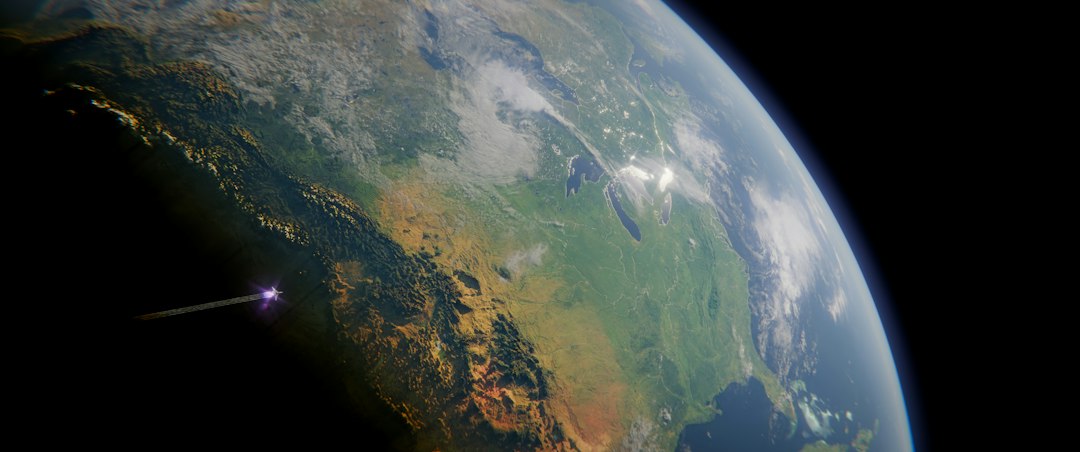
The Earth, a seemingly solid sphere beneath our feet, holds a profound mystery. While humanity has explored its surface with increasing detail and ventured into its oceans and atmosphere, the deep interior remains largely inaccessible. The dream of reaching the planet’s core, a fiery heart pulsing with unimaginable energy, is a romantic notion, yet one that is fundamentally thwarted by a confluence of insurmountable limitations. Humans, despite their ingenuity and relentless drive for exploration, cannot drill deeper into the Earth due to a complex interplay of escalating temperatures, immense pressures, material science constraints, seismic uncertainties, and the sheer economic and logistical challenges involved.
The most immediate and formidable obstacle to deeper drilling lies in the Earth’s internal heat. As one descends, the temperature rises with a relentless, exponential gradient. This is not a gradual warming; it is an increasingly hostile inferno that quickly surpasses the operational limits of any technology humanity has yet conceived.
The Geothermal Gradient: A Steadily Increasing Challenge
The geothermal gradient, the rate at which temperature increases with depth, varies across the Earth’s crust and mantle. However, a general rule of thumb is that for every kilometer drilled into the crust, the temperature rises by approximately 25 degrees Celsius. While this might seem manageable at shallow depths, this seemingly benign increase quickly escalates.
Reaching the Limits of Conventional Drilling
Even in the most geologically stable regions, reaching depths of just a few kilometers can subject drilling equipment to temperatures exceeding 100 degrees Celsius. This is already a significant hurdle. Standard drilling fluids, essential for lubrication and cooling, begin to degrade, lose their viscosity, and can even vaporize at these temperatures. The lubricants used in drilling machinery break down, leading to rapid wear and eventual failure. The very rock being drilled through becomes more plastic and prone to collapse under these conditions.
The Mantle’s Fiery Embrace: Exceeding Technological Tolerance
The Earth’s mantle, which lies beneath the crust, is where the true thermal assault begins. While not molten throughout, the mantle is a region of extremely high temperatures, ranging from around 500 degrees Celsius at its shallowest points to over 4,000 degrees Celsius at its boundary with the core. These temperatures are far beyond anything that current materials can withstand.
The Failure of Superalloys and Ceramics
Even the most advanced superalloys, designed for high-temperature applications in jet engines and nuclear reactors, would melt or anneal (lose their structural integrity) at these mantle temperatures. Similarly, advanced ceramics, known for their heat resistance, would eventually fracture and disintegrate under such prolonged and intense thermal stress. Imagine trying to drill through a material that is hotter than the surface of the Sun – it is a concept that strains credulity and defies present-day engineering.
The Core’s Unbearable Heat: An Unconquerable Frontier
The Earth’s core, composed primarily of iron and nickel, is a realm of unimaginable heat. The outer core is believed to be liquid and hotter than the surface of the Sun, with temperatures estimated to be between 4,400 and 6,100 degrees Celsius. The inner core, despite being solid due to immense pressure, is still incredibly hot, with temperatures around 5,200 degrees Celsius. Drilling into such a region is not merely difficult; it is akin to trying to plunge a steel rod into a volcano’s magma chamber and expecting it to remain intact.
The Vanishing Point of Material Science
There are simply no known or even theoretically plausible materials that could survive, let alone function, at these core temperatures. The very atoms of any material would begin to break apart and vaporize under such extreme conditions. The concept of a drill bit, made of any substance we can currently conceive, enduring these temperatures is a fundamental impossibility.
Humans have long been fascinated by the mysteries that lie beneath the Earth’s surface, yet our attempts to drill deeper have faced significant challenges. The extreme temperatures and pressures encountered at greater depths make it increasingly difficult to maintain drilling operations and equipment integrity. For a deeper understanding of the complexities involved in exploring extreme environments, you might find the article on the militarization of deep space logistics insightful. It discusses the technological and logistical hurdles that can also be paralleled in deep Earth exploration. You can read it here: Securing the Final Frontier: Militarization of Deep Space Logistics.
The Crushing Weight: The Immensity of Geostatic Pressure
Beyond the inferno, another equally formidable foe awaits: the crushing weight of the Earth’s mass. As one descends, the pressure exerted by the overlying rock and metal increases dramatically, creating a geostatic pressure that would obliterate any structure not designed to withstand it.
Pressure’s Escalation: A Deeply Oppressive Force
The pressure at the Earth’s surface is approximately one atmosphere. This seemingly insignificant value increases dramatically with depth. For every kilometer of depth, the pressure increases by roughly 300 atmospheres. By the time one reaches the depths of the deepest ocean trenches, the pressure is already hundreds of times greater than at sea level.
The Crustal Limit: Already Straining Engineering Capabilities
Even within the Earth’s crust, reaching depths of 10-15 kilometers – the current limit of our deepest boreholes – subjects drilling equipment to pressures in the thousands of atmospheres. This necessitates the use of extremely robust casing and specialized drilling fluids to prevent the borehole from collapsing.
The Mantle’s Squeeze: Beyond the Strength of Steel
The Earth’s mantle, extending from around 30 kilometers to 2,900 kilometers below the surface, experiences pressures that are orders of magnitude greater than those found in the crust. At the top of the mantle, pressures are already around 10,000 atmospheres, and they increase to over 130,000 atmospheres at the boundary with the outer core.
The Collapse of Conventional Structures
No conventional drilling rig, drill pipe, or casing made of steel or even advanced alloys could withstand such immense pressures. The materials would be compressed and deformed, leading to catastrophic failure long before reaching significant depths within the mantle. Imagine trying to hold up a skyscraper with your bare hands – the sheer force involved would be overwhelming.
The Core’s Implacable Grip: A Pressure Unfathomable
The Earth’s core is subjected to pressures that are truly astronomical. The outer core experiences pressures ranging from 130,000 atmospheres at its outer edge to over 330,000 atmospheres at its boundary with the inner core. The inner core is under even greater pressure, reaching an astonishing 3.6 million atmospheres.
The Point of Indestructible Matter: A Theoretical Construct
These pressures are so extreme that they alter the very nature of matter. While the inner core remains solid, it is because the immense pressure forces the atoms into a tightly packed, crystalline structure, preventing them from melting despite the extreme heat. No man-made material could possibly replicate the structural integrity required to withstand such a pressure. Even attempting to drill into this region would require a drilling apparatus so vastly strong and robust that it would likely be larger and more complex than anything humanity has ever built.
The Unyielding Nature of Materials: The Limits of Engineering
The extreme conditions of temperature and pressure encountered deep within the Earth necessitate materials that simply do not exist. The limitations of current material science represent a fundamental barrier to any attempt at deep drilling.
The Degradation of Existing Materials
As previously discussed, the heat and pressure experienced deep underground cause the rapid degradation of even the most advanced engineering materials. Steel, titanium, and specialized alloys, which are the backbone of most industrial applications, would fail. Lubricants break down, seals rupture, and structural components yield under the relentless assault.
Beyond the Melting Point: The Challenge of Atomic Bonds
At the temperatures found in the mantle and core, the atomic bonds within most materials begin to break. This is not simply about melting; it is about the fundamental disintegration of the material at a molecular level. Finding substances that can maintain their structural integrity and functional properties under these conditions is a challenge that current scientific understanding cannot overcome.
The Search for Exotic Materials: A Theoretical Endeavor
While scientists are constantly exploring new materials, such as advanced ceramics, carbon nanotubes, and metallic glasses, their properties, while remarkable at ambient or moderately elevated conditions, still fall far short of what is required for deep Earth penetration.
Nanomaterials and Their Limitations
While nanomaterials offer incredible strength-to-weight ratios and unique properties, their performance at extreme temperatures and pressures is still largely theoretical or demonstrated only in controlled laboratory settings, not in the hostile environment of the Earth’s interior. Even if a nanomaterial could withstand the heat, it would still need to contend with the crushing pressure.
The Concept of Self-Healing or Adaptive Materials: A Distant Dream
The hypothetical development of self-healing or adaptive materials that could dynamically adjust their properties in response to the extreme conditions might offer a path forward. However, such materials remain firmly in the realm of science fiction for the foreseeable future. The complexity of designing and manufacturing such materials on a scale large enough for drilling equipment is an immense undertaking.
The Unpredictable Earth: Seismic Risks and Geological Instability
Beyond the physical constraints of heat and pressure, the Earth’s deep interior is a dynamic and unpredictable environment. Seismic activity, magma movement, and the potential for unexpected geological formations pose significant risks to any deep drilling operation.
The Threat of Earthquakes: A Constant Danger
The very act of drilling into the Earth’s crust can potentially trigger seismic events. However, even without human intervention, deep drilling operations would be exposed to the natural seismic activity of the planet. Earthquakes, even those occurring at great depths, can generate immense shockwaves that would easily shatter any drilling equipment.
The Unpredictable Nature of Fault Lines
Beneath the surface lie vast networks of fault lines, where tectonic plates interact. Drilling through or near these active zones could lead to unpredictable and catastrophic collapses, trapping drilling equipment and personnel. Understanding and predicting the precise location and behavior of these deep fault lines is an ongoing scientific challenge.
The Movement of Magma and Molten Rock: A Fiery Hazard
The Earth’s mantle contains pockets of molten rock, or magma. As drilling progresses deeper, the risk of encountering these molten regions increases. Such an encounter would be catastrophic, instantly vaporizing drilling equipment and potentially leading to explosive eruptions.
Navigating Subterranean Oceans of Lava
Even if a drill could theoretically withstand the heat and pressure, the challenge of navigating through or around these molten zones is immense. The viscosity and extreme temperature of magma make it an insurmountable obstacle for conventional drilling methods.
Geological Uncertainties: Unforeseen Formations
The geological structures deep within the Earth are not fully understood. Unexpected intrusions of dense rock, vast underground caverns, or highly reactive mineral deposits could all present unforeseen challenges and dangers to a drilling operation.
The Limits of Geophysical Imaging
While geophysical imaging techniques have improved, they still have limitations in their resolution and ability to penetrate the deepest parts of the Earth. This means that the precise geological makeup of the intended drilling path remains largely unknown, increasing the risk of encountering unforeseen hazards.
The quest to drill deeper into the Earth’s crust has fascinated scientists for decades, yet numerous challenges hinder our progress. Factors such as extreme temperatures, immense pressure, and the composition of the Earth’s layers create significant obstacles that make deep drilling impractical. For a deeper understanding of the complexities involved in exploring our planet, you can read a related article that discusses the limitations of drilling technology and the geological factors at play. This article can be found here.
The Prohibitive Cost and Scale: Economic and Logistical Impossibility
| Factor | Description | Impact on Drilling Depth |
|---|---|---|
| Temperature | Temperatures increase approximately 25-30°C per kilometer of depth, reaching over 400°C at the deepest drill sites. | High temperatures damage drilling equipment and reduce the effectiveness of drilling fluids. |
| Pressure | Pressure increases by about 30 MPa per kilometer, reaching thousands of atmospheres at great depths. | Extreme pressure can cause equipment failure and collapse of boreholes. |
| Rock Hardness | Deeper rocks are often harder and more abrasive, making drilling slower and more difficult. | Increases wear and tear on drill bits, requiring frequent replacements. |
| Drilling Technology | Current drilling technology is limited in handling extreme heat and pressure conditions. | Limits maximum achievable depth to about 12 km (e.g., Kola Superdeep Borehole). |
| Cost | Costs increase exponentially with depth due to equipment, time, and safety requirements. | Economic feasibility restricts drilling projects to shallower depths. |
| Geological Instability | Deeper layers may have faults, fractures, and unstable formations. | Increases risk of borehole collapse and drilling accidents. |
Finally, the sheer economic and logistical scale of any endeavor to drill significantly deeper into the Earth renders it practically impossible with current resources and priorities. The costs involved would be astronomical, dwarfing even the most ambitious infrastructure projects ever undertaken.
The Enormous Investment Required
Developing the specialized materials, advanced drilling technologies, and safety protocols necessary for deep Earth drilling would require an investment of trillions of dollars. This would include research and development, manufacturing, and the construction of colossal drilling rigs and support infrastructure.
The Return on Investment: A Questionable Proposition
Given the immense costs and the fundamental scientific and engineering challenges, the economic viability of such a project is highly questionable. The potential scientific or resource gains would need to be extraordinarily significant to justify such an outlay.
The Logistical Nightmare: Mobilizing Resources
The logistics of operating at such extreme depths would be a monumental undertaking. Transporting materials, personnel, and equipment to remote drilling sites, maintaining life support systems, and managing waste disposal in such an environment would present unparalleled challenges.
The Need for New Infrastructure
Existing infrastructure is entirely inadequate for supporting a deep drilling operation. entirely new systems for power generation, communication, and personnel transport would need to be developed and deployed, further adding to the cost and complexity.
The Question of “Why?”: Prioritizing Other Scientific Pursuits
While the allure of reaching the Earth’s core is strong, many argue that the resources and scientific effort required for such an undertaking would be better directed towards other pressing scientific questions and technological advancements, such as climate change research, space exploration, or renewable energy development. The scientific return on investment for deep drilling, compared to other avenues of research, is a subject of considerable debate.
In conclusion, the dream of humans drilling to the Earth’s core, while captivating, remains firmly within the realm of fantasy. The relentless march of temperature, the crushing embrace of pressure, the limitations of our material science, the unpredictable nature of the Earth’s interior, and the sheer economic and logistical impossibility combine to form an insurmountable barrier. While humanity’s capacity for innovation is vast, some frontiers, due to the fundamental laws of physics and the sheer scale of the planet, may forever remain beyond our reach. The Earth’s depth is a testament to its immense power and a humbling reminder of our place within it.
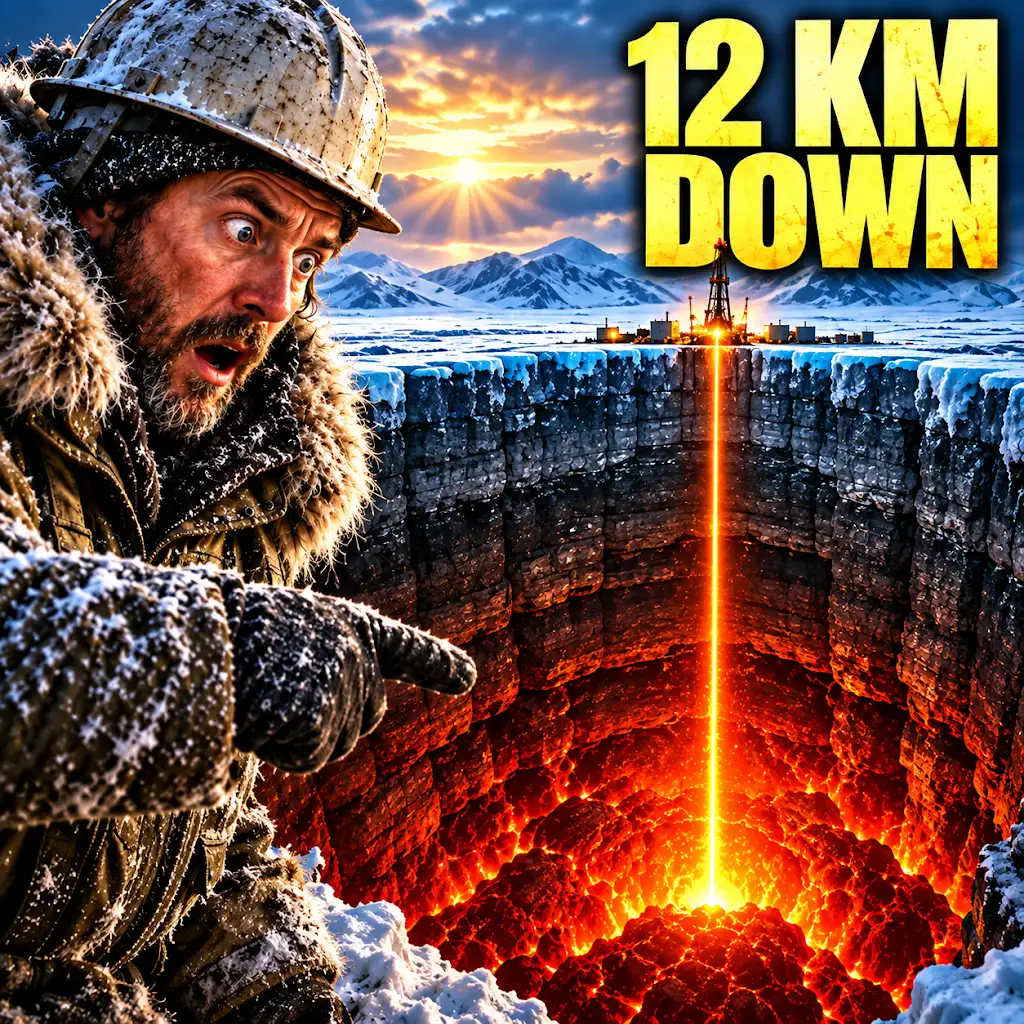
They Drilled 12 KM Into Earth — Then Everything Changed
FAQs
1. Why can’t humans drill deeper into Earth?
Humans cannot drill deeper into Earth due to the extreme heat and pressure that increase significantly as we go deeper into the Earth’s layers.
2. What is the deepest humans have drilled into the Earth?
The deepest humans have drilled into the Earth is the Kola Superdeep Borehole in Russia, reaching a depth of about 7.5 miles (12 kilometers).
3. What challenges do humans face when attempting to drill deeper into Earth?
Some challenges humans face when attempting to drill deeper into Earth include the high temperatures that can melt drilling equipment, the intense pressure that can crush equipment, and the difficulty in maintaining stability of the borehole.
4. Are there any technological limitations preventing humans from drilling deeper into Earth?
Yes, there are technological limitations such as the lack of materials that can withstand the extreme conditions deep within the Earth, as well as the difficulty in designing equipment that can operate effectively under such harsh environments.
5. What are the potential risks of drilling deeper into Earth?
The potential risks of drilling deeper into Earth include triggering earthquakes, releasing harmful gases or substances trapped underground, and disturbing delicate ecosystems that exist deep within the Earth’s layers.