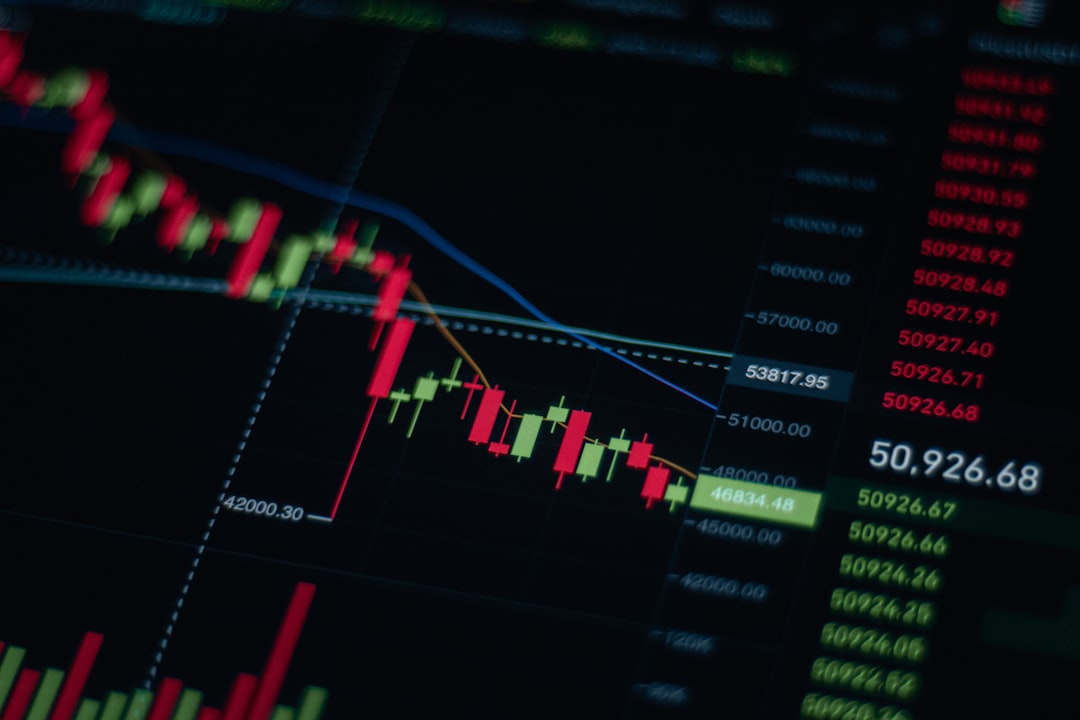
As the world continues to navigate the complexities of a rapidly changing economic landscape, the specter of a new financial crisis looms large. Economists and financial analysts alike have begun to raise alarms about the potential for a downturn that could rival or even surpass previous crises. The interconnectedness of global markets, coupled with rising debt levels and shifting consumer behaviors, creates a precarious situation that could lead to significant economic turmoil.
Understanding the factors that contribute to financial instability is crucial for individuals, businesses, and governments alike as they prepare for what may lie ahead. The next financial crisis may not be a matter of “if,” but rather “when.” With lessons learned from past economic upheavals, stakeholders are increasingly aware of the signs that precede such events. The urgency to identify these indicators and develop strategies to mitigate their impact has never been more pressing.
As the global economy continues to evolve, the need for vigilance and preparedness becomes paramount in safeguarding against the inevitable challenges that will arise.
Key Takeaways
- Early warning signs and historical patterns help identify potential triggers of the next financial crisis.
- Central banks and government policies play a crucial role in both preventing and exacerbating financial instability.
- Vulnerable sectors like housing, stock markets, and high debt levels increase systemic risk.
- Emerging factors such as digital currencies, fintech, and geopolitical tensions add complexity to crisis dynamics.
- Proactive strategies and diversified approaches are essential to mitigate the impact of future financial downturns.
Historical Context: Previous Financial Crises
To comprehend the potential for a future financial crisis, one must first examine the historical context of previous economic downturns. The Great Depression of the 1930s stands as a stark reminder of how quickly prosperity can turn into despair. Triggered by a stock market crash in 1929, this crisis led to widespread unemployment, bank failures, and a significant contraction in economic activity.
The lessons learned from this period shaped modern economic policies and laid the groundwork for regulatory frameworks designed to prevent similar catastrophes. More recently, the 2008 financial crisis serves as a cautionary tale of how systemic risks can accumulate over time. Fueled by subprime mortgage lending and excessive risk-taking by financial institutions, this crisis resulted in a global recession that affected millions.
The aftermath prompted governments worldwide to implement sweeping reforms aimed at stabilizing financial systems and restoring public confidence. By studying these historical events, it becomes evident that while the specifics may differ, the underlying causes of financial crises often share common threads, such as excessive leverage, inadequate regulation, and a lack of transparency.
Signs of Trouble: Early Warning Indicators

Identifying early warning indicators is essential for anticipating the onset of a financial crisis. Various economic metrics can signal potential trouble ahead, including rising debt levels, declining consumer confidence, and increasing volatility in financial markets.
Similarly, a drop in consumer confidence can result in reduced investment and spending, creating a feedback loop that exacerbates economic decline. Another critical indicator is the behavior of asset prices. Rapid increases in stock market valuations or real estate prices can suggest speculative bubbles that may eventually burst.
Analysts often look for signs of overvaluation, such as price-to-earnings ratios that exceed historical averages or housing prices that rise significantly faster than wage growth. These indicators can serve as red flags, prompting stakeholders to reassess their positions and prepare for potential market corrections.
The Role of Central Banks and Government Policies
| Metric | Description | Example Value | Relevance to Central Banks and Government Policies |
|---|---|---|---|
| Inflation Rate | Percentage change in the price level of goods and services over a period | 2.1% | Central banks use monetary policy tools to control inflation and maintain price stability |
| Interest Rate (Policy Rate) | Rate set by central banks to influence economic activity | 3.5% | Used to regulate borrowing, spending, and inflation |
| Unemployment Rate | Percentage of the labor force that is jobless and actively seeking employment | 5.2% | Government policies aim to reduce unemployment through fiscal stimulus and job programs |
| Government Debt to GDP Ratio | Ratio of a country’s government debt compared to its gross domestic product | 65% | Indicates fiscal policy sustainability and influences central bank decisions |
| Money Supply (M2) | Total amount of money in circulation including cash, checking deposits, and easily convertible near money | 15 trillion | Central banks control money supply to influence inflation and economic growth |
| Fiscal Deficit | Difference between government’s total expenditure and total revenue | 4% of GDP | Reflects government borrowing needs and impacts monetary policy |
| Exchange Rate | Value of a country’s currency relative to another currency | 1.2 units per USD | Central banks may intervene to stabilize currency and support trade policies |
Central banks play a pivotal role in shaping economic conditions and responding to financial crises. Their primary mandate often includes maintaining price stability and promoting full employment. However, during times of economic distress, central banks may resort to unconventional monetary policies, such as quantitative easing or lowering interest rates to stimulate growth.
While these measures can provide temporary relief, they also carry risks, including asset bubbles and increased inequality. Government policies also significantly influence economic stability. Fiscal measures, such as stimulus packages or tax reforms, can help bolster demand during downturns.
However, poorly designed policies can exacerbate existing problems or create new ones. For instance, excessive government borrowing can lead to unsustainable debt levels, raising concerns about long-term fiscal health. As policymakers navigate these challenges, striking a balance between immediate relief and long-term sustainability remains a critical task.
Impact of Global Economic Trends
The interconnectedness of global economies means that trends in one region can have far-reaching implications elsewhere.
Additionally, global events such as pandemics or natural disasters can create shockwaves that reverberate through financial markets and economies worldwide.
In recent years, the rise of protectionism and trade wars has highlighted the fragility of global trade relationships. Tariffs and trade barriers can lead to increased costs for consumers and businesses alike, ultimately dampening economic growth. As countries grapple with these challenges, understanding the broader implications of global economic trends becomes essential for anticipating potential crises.
Vulnerable Sectors: Housing, Stock Market, and Debt
Certain sectors of the economy are particularly vulnerable to financial shocks, with housing, the stock market, and debt being prime examples. The housing market has historically been a leading indicator of economic health; when home prices rise rapidly or fall sharply, it can signal broader economic instability. High levels of mortgage debt can leave homeowners exposed to market fluctuations, leading to foreclosures and decreased consumer spending.
The stock market also serves as a barometer for investor sentiment and economic confidence. Rapid increases in stock prices may indicate speculative behavior rather than fundamental growth, raising concerns about potential corrections. Furthermore, corporate debt levels have surged in recent years, with many companies taking on significant leverage to finance expansion or share buybacks.
This reliance on debt can create vulnerabilities if economic conditions deteriorate or interest rates rise.
The Rise of Digital Currencies and Fintech
The emergence of digital currencies and fintech innovations has transformed the financial landscape in recent years. Cryptocurrencies like Bitcoin have gained popularity as alternative investment vehicles and means of transaction. While these digital assets offer potential benefits such as increased efficiency and lower transaction costs, they also pose risks related to volatility and regulatory uncertainty.
Fintech companies have disrupted traditional banking models by providing innovative solutions for payments, lending, and investment management. However, this rapid evolution raises questions about consumer protection and systemic risk within the financial system. As digital currencies gain traction and fintech continues to expand its reach, understanding their implications for financial stability becomes increasingly important.
Geopolitical Factors and Trade Wars
Geopolitical factors play a significant role in shaping economic conditions and influencing financial markets. Tensions between nations can lead to uncertainty that affects investor confidence and market stability. Trade wars, characterized by tariffs and retaliatory measures between countries, can disrupt global supply chains and create volatility in commodity prices.
The ongoing conflict between major economies can have cascading effects on emerging markets as well. Countries heavily reliant on exports may find themselves vulnerable to shifts in demand or trade restrictions imposed by larger economies. As geopolitical tensions continue to evolve, their impact on global economic stability cannot be underestimated.
The Role of Speculation and Market Bubbles
Speculation has long been a driving force behind market fluctuations and financial crises. When investors engage in speculative behavior—buying assets with the expectation that prices will continue to rise—bubbles can form. These bubbles often inflate beyond sustainable levels before eventually bursting, leading to significant losses for investors and broader economic repercussions.
Historical examples abound where speculation has played a central role in financial crises. The dot-com bubble of the late 1990s serves as a cautionary tale; exuberance over internet-based companies led to inflated valuations that ultimately collapsed when reality set in. Understanding the psychology behind speculation is crucial for recognizing potential bubbles before they burst.
Potential Triggers and Black Swan Events
While many factors contribute to financial instability, certain triggers can precipitate crises with little warning. Black swan events—unpredictable occurrences with severe consequences—can catch markets off guard and lead to rapid declines in asset values. Examples include natural disasters, geopolitical conflicts, or sudden shifts in monetary policy.
The unpredictability of these events underscores the importance of resilience within financial systems. Stakeholders must remain vigilant and adaptable in the face of uncertainty while developing contingency plans to mitigate potential fallout from unforeseen circumstances.
Strategies for Mitigating the Impact of the Next Financial Crisis
As the possibility of a future financial crisis looms large, developing strategies to mitigate its impact becomes essential for individuals and institutions alike. Diversification remains a fundamental principle for investors seeking to protect their portfolios from market volatility. By spreading investments across various asset classes and sectors, individuals can reduce their exposure to any single point of failure.
Additionally, maintaining an emergency fund can provide individuals with a buffer during economic downturns. This financial cushion allows for greater flexibility in navigating unexpected challenges without resorting to high-interest debt or liquidating investments at unfavorable prices. For businesses, adopting prudent risk management practices is vital in preparing for potential crises.
This includes regularly assessing exposure to debt levels, monitoring cash flow projections, and developing contingency plans for various scenarios. By fostering a culture of resilience and adaptability within organizations, businesses can better weather economic storms when they arise. In conclusion, while the next financial crisis may be inevitable given historical patterns and current indicators, proactive measures can help mitigate its impact on individuals and economies alike.
By understanding the complexities of financial systems and remaining vigilant against emerging risks, stakeholders can better prepare for the challenges that lie ahead.
As we analyze the potential timeline for the next financial crisis, it’s essential to consider various factors that could contribute to its onset. A related article that delves into the economic indicators and historical precedents is available at this link. This resource provides valuable insights into the cyclical nature of financial markets and the warning signs that investors should watch for in the coming years.
WATCH THIS! The Bank That Will Break The World: Why The Secret Collapse Is Already Underway
FAQs
What is meant by the “next financial crisis timeline”?
The “next financial crisis timeline” refers to predictions or analyses regarding when the next major economic downturn or financial crisis might occur, based on current economic indicators, historical patterns, and expert forecasts.
Are experts able to accurately predict the timing of the next financial crisis?
While economists and financial analysts use various models and data to forecast economic trends, accurately predicting the exact timing of a financial crisis is challenging due to the complexity and unpredictability of global markets.
What factors contribute to the onset of a financial crisis?
Common factors include excessive debt levels, asset bubbles, banking sector vulnerabilities, geopolitical tensions, sudden market shocks, and failures in regulatory oversight.
How often do financial crises typically occur?
Financial crises do not follow a fixed schedule, but historically, major crises have occurred roughly every 10 to 20 years, though this varies widely depending on economic conditions and external events.
What are some signs that a financial crisis may be approaching?
Indicators can include rapid increases in asset prices, rising debt levels, declining economic growth, increased market volatility, and weakening financial institutions.
Can governments and central banks prevent the next financial crisis?
While policy measures such as regulation, monetary policy adjustments, and fiscal interventions can mitigate risks and reduce the likelihood or severity of a crisis, they cannot completely eliminate the possibility of a financial downturn.
How can individuals prepare for a potential financial crisis?
Individuals can prepare by maintaining diversified investments, reducing high levels of personal debt, building emergency savings, and staying informed about economic developments.
Where can I find reliable information about the next financial crisis timeline?
Reliable information can be found through reputable financial news outlets, reports from central banks and international financial institutions, and analyses by accredited economists and financial experts.