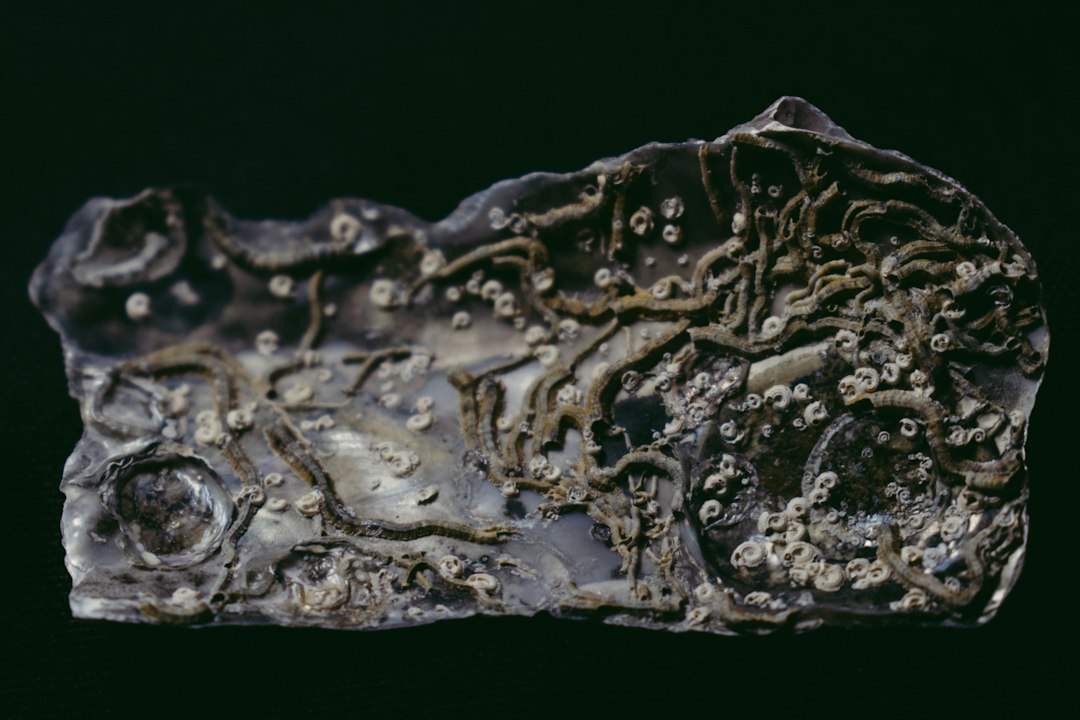
The silent realms beneath the Earth’s crust, long considered barren and devoid of life, have yielded a discovery that is reshaping our understanding of biology and the very definition of habitability. Scientists have unearthed microscopic fossils deep underground, evidence of ancient life that thrived in environments previously thought inhospitable. This groundbreaking find, detailed in recent publications and ongoing research, pushes the boundaries of known microbial ecosystems and offers tantalizing clues about the origins and persistence of life on our planet, and potentially beyond.
For decades, the focus of paleontology and astrobiology has largely been on surface environments and shallow subsurface sediments. The vast majority of rock formations accessible for study have offered glimpses into past life that once existed in oceans, lakes, or on land. However, a persistent question lingered: could life have also taken root and evolved in the deep, dark, and high-pressure conditions far below the familiar surface world? The answer, it appears, is a resounding yes. This discovery represents the culmination of meticulous sampling, advanced imaging techniques, and interdisciplinary collaboration, revealing a hidden biosphere that has been operating in secret for eons.
The Challenges of Deep Subsurface Exploration
Exploring the deep subsurface is an endeavor fraught with immense technical and logistical challenges. Unlike surface digs or even shallow core sampling, accessing these depths requires specialized drilling equipment capable of penetrating kilometers of solid rock. The extreme pressures, high temperatures, and often corrosive chemical environments present significant hurdles for both human intervention and the preservation of delicate samples. Furthermore, the risk of contamination from surface microbes is a constant concern, demanding rigorous protocols and sterile techniques to ensure the integrity of the findings. The very act of bringing these samples to the surface can alter their delicate chemical and biological signatures, requiring sophisticated analytical approaches to interpret the results accurately.
Pioneering Sampling Techniques
The breakthrough in discovering these deep underground microscopic fossils was enabled by advancements in drilling technology and sampling methodologies. Researchers have employed ultra-deep drilling rigs, designed for geological surveys and resource exploration, to extract pristine rock cores from depths previously inaccessible for biological research. Innovations in sterile drilling fluid and casing techniques have been crucial in preventing contamination, ensuring that any microbial life detected is indigenous to the deep subsurface. Furthermore, the development of specialized tools for in-situ analysis and the rapid, careful extraction of samples have been instrumental in preserving the fragile evidence of ancient life. These techniques allow scientists to obtain samples that are representative of the undisturbed deep biosphere, providing a window into a world rarely, if ever, exposed to sunlight or surface conditions.
The Geological Context of the Discovery
The locations where these fossils have been found are not random. They are typically associated with ancient, stable rock formations, often crystalline basement rocks or deeply buried sedimentary layers. These environments are characterized by low permeability, meaning water and nutrients move very slowly, and by a lack of organic matter originating from surface photosynthesis. The age of these rock formations can range from hundreds of millions to billions of years, suggesting that life has persisted in these deep environments for geological timescales. Understanding the specific geological setting – the mineral composition of the rocks, the presence of geothermal heat, and the groundwater chemistry – is critical to interpreting the nature and survival strategies of these ancient subterranean microbes.
Recent discoveries of microscopic fossils found deep underground have provided intriguing insights into ancient life forms and their environments. These findings not only enhance our understanding of Earth’s biological history but also raise questions about the potential for similar discoveries on other celestial bodies. For a deeper exploration of how such findings could impact future space exploration, you can read more in this related article: The Moon: Ultimate High Ground for Exploration.
The Nature of the Microscopic Fossils
The fossils unearthed are, as expected, microscopic in size and exhibit morphology consistent with various types of ancient bacteria and archaea. Their preservation is remarkable, allowing for detailed analysis of their structures and, in some cases, their chemical composition. These are not the macroscopic bones of dinosaurs, but rather the fossilized imprints and cellular remnants of life at its most fundamental level. The sheer diversity of forms observed, even within a single sample, hints at a complex and varied microbial community that once inhabited these deep realms.
Morphological Characteristics
The microscopic fossils display a range of morphologies, including spherical (cocci), rod-shaped (bacilli), and spiral forms. Some exhibit distinct cellular divisions or aggregations, suggesting colonial behavior. The size of these fossilized cells typically ranges from a few hundred nanometers to several micrometers, a common characteristic of microbial life. The preservation of these structures, often within mineral matrices, indicates that the fossilization process occurred relatively quickly after the organisms died, trapping their forms before decomposition could erase them. The clarity of these preserved shapes is a testament to the unique chemical conditions of the deep subsurface, which can promote biomineralization.
Evidence of Biological Activity
Beyond mere morphology, certain fossils provide more direct evidence of biological activity. Microscopic pores and channels within the rock matrix, sometimes lined with mineral precipitates, are indicative of microbial tunneling or biofilm formation. The presence of specific mineral assemblages, such as iron oxides or sulfides, associated with the fossilized structures, can suggest metabolic pathways employed by these ancient microbes, such as the reduction or oxidation of metals. In some exceptional cases, researchers have even identified preserved organic molecules, or biomarkers, within or around the fossilized cells, offering further confirmation of their biological origin and providing insights into their biochemistry. These biomarkers, if detected, can be the smoking gun that confirms not just the presence of ancient cells, but also their biological nature.
Mineralization and Preservation Mechanisms
The remarkable preservation of these microscopic fossils is attributed to the unique mineralization processes that occur in the deep subsurface. As microbial cells die, their organic matter can be rapidly encased by minerals precipitating from the surrounding groundwater. Common minerals involved in this process include silica, calcite, and various metal oxides and sulfides. This process of biomineralization effectively creates a protective cast or mold of the original cell, preserving its shape and even some internal structures. The low oxygen and high pressure environments of the deep subsurface are conducive to such mineral formation, acting as natural preservation chambers that have shielded this ancient life from surface weathering and decomposition.
Implications for the Origin and Evolution of Life
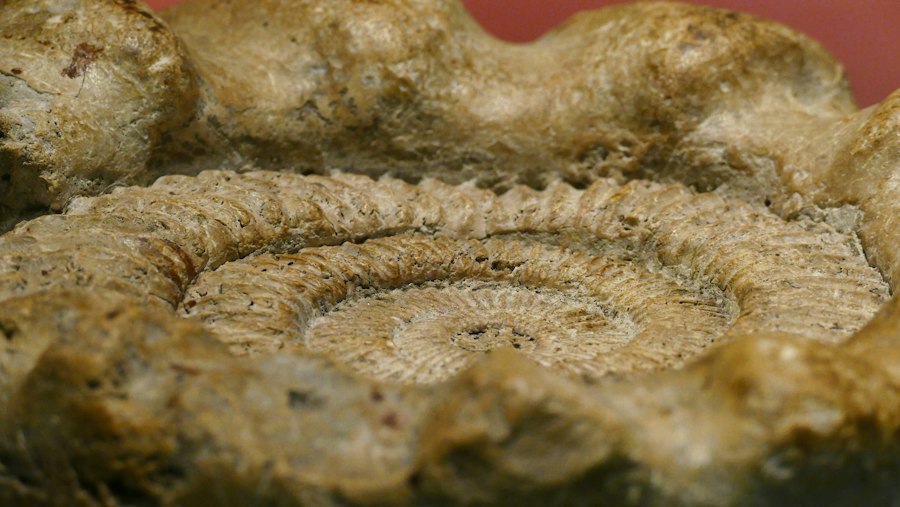
The discovery of deep underground microscopic fossils has profound implications for our understanding of the origin and early evolution of life on Earth. It suggests that life may have arisen in subsurface environments, shielded from the harsh conditions of the early Earth’s surface. Furthermore, it expands the scope of habitable environments, both on Earth and on other celestial bodies. This finding challenges the prevailing notion that life is primarily a surface phenomenon and opens new avenues for research into the deep biosphere as a cradle for early life.
Subsurface Origin Theories
This discovery lends significant weight to theories proposing a subsurface origin for life. In the early Earth, the surface would have been subjected to intense ultraviolet radiation, meteorite impacts, and potentially a lack of stable liquid water. Subsurface environments, such as hydrothermal vents within the Earth’s crust, would have offered protection from these hazards, providing stable temperatures, chemical energy sources, and access to water. The existence of ancient microbial communities deep underground suggests that life could have taken hold and evolved in these protected niches, predating its widespread colonization of the surface. This paradigm shift in thinking about life’s beginnings is one of the most significant outcomes of this research.
Resilience and Adaptability of Life
The existence of life in such extreme, nutrient-limited, and high-pressure environments highlights the incredible resilience and adaptability of life. These ancient microbes, isolated for millions of years, must have developed unique biochemical and physiological strategies to survive and thrive in conditions that would be lethal to most surface organisms. Studying these adaptations can provide invaluable insights into the fundamental requirements for life and inspire the development of new biotechnologies. The very definition of what constitutes a “habitable environment” is being rewritten by the tenacity of these deep subsurface inhabitants.
Expanding the Definition of Habitable Zones
This discovery fundamentally expands our concept of habitable zones, not just on Earth but also in the context of astrobiology. If life can exist and persist deep within the Earth’s crust, then similar environments on other planets and moons, such as Mars, Europa, or Enceladus, could also harbor life. These extraterrestrial subsurface environments might be protected from surface radiation and offer access to liquid water and chemical energy sources. The search for extraterrestrial life now has a compelling new frontier to explore.
Insights into Extraterrestrial Life
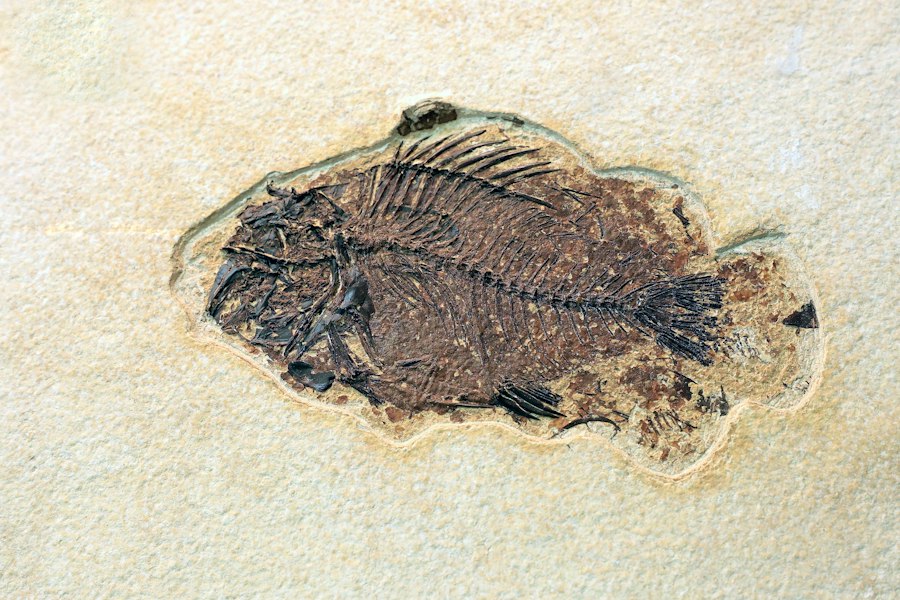
The implications of finding ancient life deep within Earth extend far beyond our planet’s boundaries. The possibility of life arising and persisting in similar subsurface environments on other celestial bodies is now a more tangible and exciting prospect. This discovery provides a crucial Earth-analogue for astrobiological investigations, offering a framework for understanding how life might manifest and be detected beyond our solar system.
Subsurface Habitability on Other Worlds
The conditions found in Earth’s deep subsurface – isolation from surface processes, potential access to geothermal energy, and the presence of chemically reduced compounds – are not unique to our planet. Scientists are increasingly scrutinizing planets and moons within our solar system that possess subsurface oceans or significant underground water reserves. These include the icy moons of Jupiter and Saturn, as well as Mars, which is thought to have had extensive liquid water in its past and may still harbor subsurface aquifers. The discovery of our own deep biosphere significantly increases the probability that life could exist in these extraterrestrial subterranean realms.
Biosignature Detection Strategies
The identification of these microscopic fossils provides valuable clues for developing strategies to detect biosignatures on other planets. Understanding the specific mineral and organic indicators associated with ancient microbial life in deep subsurface environments on Earth can help scientists refine their search parameters for extraterrestrial life. This includes developing more sensitive instruments and analytical techniques capable of identifying similar signs of past or present life in the regolith and subsurface ice of other celestial bodies. The focus shifts from seeking overt, surface-dwelling organisms to searching for the subtle, yet definitive, traces of biological processes.
The Role of Geochemistry and Isotopic Analysis
Geochemical and isotopic analysis of the deep subsurface fossils has proven to be a powerful tool in confirming their biological origin. For example, the fractionation of carbon isotopes within organic matter can indicate metabolic processes carried out by living organisms. Similarly, the presence of specific mineral structures formed through biological activity can serve as biosignatures. Applying these sophisticated analytical techniques to samples returned from Mars or analyzed in situ on other worlds will be crucial in the search for extraterrestrial life. This interdisciplinary approach, bridging geology, chemistry, and biology, is the key to unlocking the secrets of life beyond Earth.
Recent discoveries of microscopic fossils found deep underground have shed light on ancient ecosystems and the evolutionary history of life on Earth. These tiny remnants, often overlooked, provide crucial insights into the conditions that prevailed millions of years ago. For those interested in understanding how these findings relate to broader scientific advancements, a fascinating article discusses the importance of securing communication lines in cislunar space, highlighting the interconnectedness of research and technology. You can read more about it in this insightful piece on securing cislunar communication lines.
Future Research and Unanswered Questions
| Metric | Value | Unit | Description |
|---|---|---|---|
| Depth Found | 3,500 | meters | Depth below surface where fossils were discovered |
| Age | 1.2 | billion years | Estimated age of the microscopic fossils |
| Size Range | 5 – 50 | micrometers | Size range of individual fossil specimens |
| Fossil Type | Microbial Mats | N/A | Type of microscopic fossils identified |
| Number of Specimens | 150 | count | Total number of fossils recovered from the site |
| Preservation State | Excellent | N/A | Quality of fossil preservation |
| Mineral Composition | Silica and Carbonate | N/A | Main minerals preserving the fossils |
The discovery of deep underground microscopic fossils is not an endpoint, but rather a significant beginning. It opens up a vast new frontier for scientific inquiry, prompting a multitude of questions about the extent of this deep biosphere, its evolutionary history, and its role in Earth’s overall geological and biological processes. Future research will focus on characterizing these ancient communities in greater detail and understanding their long-term survival mechanisms.
Mapping the Extent of the Deep Biosphere
A primary goal for future research is to map the extent and diversity of the deep biosphere. This involves conducting extensive drilling campaigns in various geological settings around the world to determine how widespread these microbial communities are and what factors influence their distribution. Understanding the connectivity and isolation of these deep subsurface ecosystems is also crucial. Are they isolated pockets of life, or are there vast, interconnected networks operating kilometers below the surface? This mapping effort will provide a comprehensive picture of the hidden living world beneath our feet.
Evolutionary History and Biogeochemical Cycles
Delving into the evolutionary history of these deep subsurface microbes is another critical area of investigation. How did life first colonize these deep environments, and how has it evolved in isolation over geological timescales? Understanding their metabolic pathways and their role in deep Earth biogeochemical cycles is also paramount. These microbes may play a significant, albeit slow, role in altering the chemistry of the Earth’s crust and influencing processes such as mineral formation and gas exchange. Their study could reveal novel biogeochemical cycles previously unknown to science.
Challenges and Opportunities for Astrobiology
The challenges and opportunities for astrobiology presented by this discovery are immense. Continued exploration of Earth’s deep subsurface will provide invaluable data for refining astrobiological models and developing more effective strategies for searching for life beyond Earth. The development of new technologies for deep drilling, in-situ analysis, and the detection of subtle biosignatures will be driven by this research. Ultimately, the study of these ancient, hidden fossils may unlock some of the most profound secrets about life’s place in the universe. The implications are not just about finding life, but about understanding the fundamental conditions that allow it to arise, persist, and evolve across diverse and challenging environments.

They Drilled 12 KM Into Earth — Then Everything Changed
FAQs
What are microscopic fossils?
Microscopic fossils are tiny remains of ancient organisms, such as plankton, algae, or bacteria, that are only visible under a microscope.
How deep underground were the microscopic fossils found?
The microscopic fossils were found deep underground, at depths ranging from hundreds to thousands of meters below the Earth’s surface.
What do the microscopic fossils found deep underground tell us about Earth’s history?
The microscopic fossils found deep underground provide valuable information about past environments, climates, and the evolution of life on Earth over millions of years.
How are microscopic fossils preserved deep underground?
Microscopic fossils are often preserved deep underground in sedimentary rocks, where they are protected from environmental factors that would degrade them on the surface.
Why is the discovery of microscopic fossils deep underground significant?
The discovery of microscopic fossils deep underground is significant because it can help scientists better understand Earth’s history, past climates, and the evolution of life, as well as provide insights into how life may exist in extreme environments.