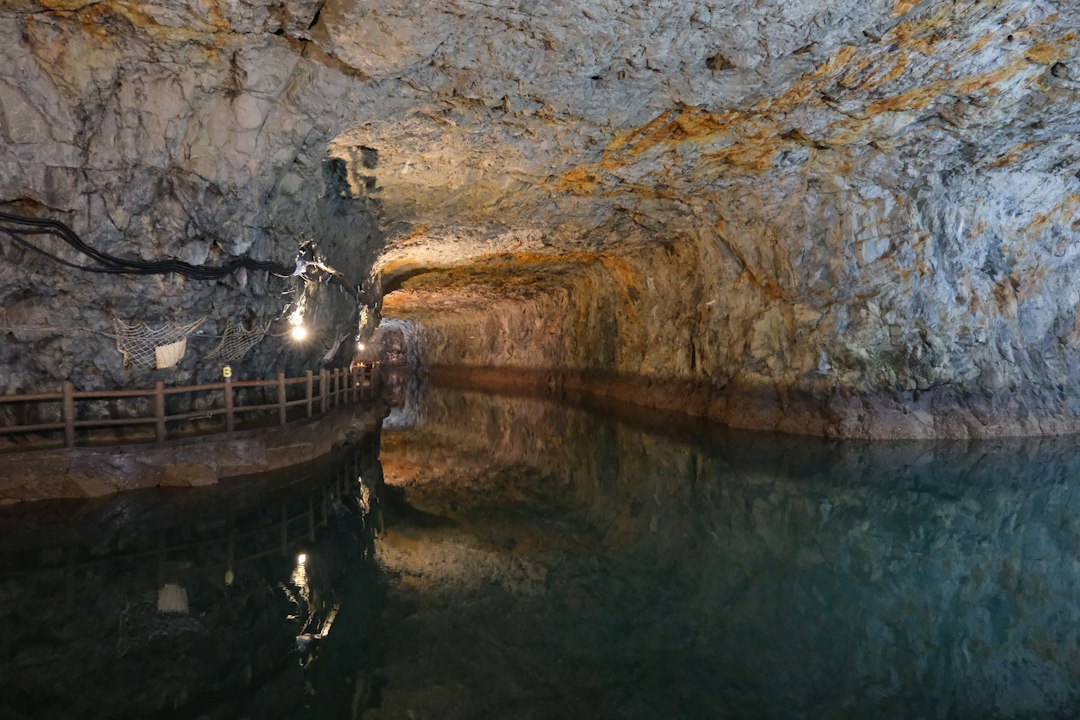
The Earth, a seemingly solid sphere, harbors a hidden realm of immense proportions, a vast network of water reservoirs far beneath the familiar surface. This subterranean ocean, often referred to as “deep underground water,” has long been a subject of scientific fascination and a tantalizing mystery. While much of our focus is directed towards the oceans, lakes, and rivers we can see, an astonishing quantity of liquid water exists locked away in the planet’s crust and mantle, influencing geological processes and holding potential for future human use. Uncovering the complexities of this hidden water is a crucial undertaking, requiring innovative techniques and a multidisciplinary approach to decipher its origins, pathways, and significance.
The very existence of such prodigious amounts of water deep within the Earth poses fundamental questions about its genesis. Unlike surface water, which is readily replenished by precipitation, the origin of deep underground water is a subject of ongoing scientific debate and research. Several prominent theories attempt to explain how this vast subterranean reservoir was formed and continues to be replenished.
Primordial Water Trapped During Earth’s Formation
One of the leading hypotheses suggests that a significant portion of Earth’s deep underground water is primordial, meaning it was incorporated into the planet during its formation billions of years ago. As the Earth coalesced from the solar nebula, volatile compounds, including water, were likely trapped within the accumulating dust and gas. This water, sequestered in the minerals of the early Earth, has remained largely undisturbed for eons.
Accretion and Volatile Incorporation
The process of planetary accretion, where smaller celestial bodies collide and merge to form larger ones, is believed to have played a critical role. Many of the planetesimals that contributed to Earth’s mass contained significant amounts of hydrated minerals. As these materials were compressed and heated during the planet’s formation, the water molecules were trapped within the mineral crystal structures.
Outgassing and Subsequent Burial
Following the initial accretion, volcanic activity and tectonic processes would have released some of this trapped water to the surface through outgassing. However, it is theorized that a substantial amount of water remained locked within the Earth’s interior, either in the mantle or buried deep within the crust as geological processes shifted and compressed the rock layers over time.
Water Introduced by Meteoritic Impacts
Another significant contributor to Earth’s water budget, both on the surface and potentially deep underground, is thought to be extraterrestrial. For billions of years, the Earth has been bombarded by meteorites, asteroids, and comets. Many of these celestial bodies are known to contain substantial amounts of water, either as ice or bound within mineral structures.
Cometary and Asteroidal Delivery
Comets, often referred to as “dirty snowballs,” are rich in water ice. As they have impacted Earth throughout its history, they would have delivered significant quantities of water. Similarly, water-rich asteroids, particularly carbonaceous chondrites, also contribute to this extraterrestrial influx.
Subduction and Deep Burial
When these water-rich extraterrestrial materials impact the Earth’s surface, the water can either evaporate or be incorporated into the crust. Through the relentless processes of plate tectonics, this water can be carried deep into the Earth’s interior via subduction zones. As oceanic plates are forced beneath continental plates, they carry with them sediments and hydrated rocks, effectively delivering water to depths where it can become trapped and remain isolated for geological timescales.
Water Generated by Chemical Reactions within the Earth
Beyond external sources, it is also hypothesized that water can be generated through chemical reactions occurring deep within the Earth’s mantle and crust. These are often referred to as “metamorphic water” or “juvenile water” if they are newly formed.
Serpentinization and Hydration Reactions
In the presence of water and high pressures and temperatures, certain minerals, such as olivine, can undergo hydration reactions. A prominent example is serpentinization, a process where olivine reacts with water to form serpentine group minerals. This reaction consumes water but can also, under specific conditions, release water as part of the mineral’s crystal structure or through subsequent dehydration reactions at greater depths.
Dehydration of Minerals at High Pressure and Temperature
As rocks are subjected to increasing pressure and temperature deep within the Earth, the water molecules that are chemically bound within their mineral structures can be released. This process of dehydration, occurring at significant depths, can contribute to the accumulation of free water in the subsurface.
Water can exist deep underground due to various geological processes that allow it to be stored in aquifers and other subterranean formations. These underground reservoirs are often filled with water that has seeped through soil and rock layers over thousands of years, creating a vital resource for ecosystems and human use. For a deeper understanding of how ancient knowledge and geological formations contribute to our understanding of water sources, you can read the article “Guardians of Ancient Knowledge: Who Holds the Keys?” available at this link.
Mapping the Subterranean Seas: Methods of Discovery
Locating and characterizing deep underground water presents a formidable challenge. Unlike surface water, it cannot be seen directly. Scientists employ a sophisticated array of geophysical and geochemical techniques to infer its presence, distribution, and composition. These methods rely on understanding how water interacts with the surrounding rock and how these interactions manifest in observable geophysical signals.
Seismic Wave Analysis: Listening to the Earth’s Interior
Seismic waves, generated by earthquakes or artificial sources, travel through the Earth’s interior. The speed and behavior of these waves are significantly influenced by the properties of the materials they encounter, including the presence of water.
Velocity Anomalies and Attenuation
Water in fractures and pores within rock can significantly reduce the speed of seismic waves. By analyzing seismic velocity variations, scientists can identify regions where seismic waves travel slower than expected, suggesting the presence of fluids, including water. Furthermore, seismic waves lose energy (attenuate) as they travel through porous and fractured rocks saturated with fluids, providing another indicator of water presence.
Seismic Anisotropy and Fluid Flow
The orientation of fractures and their saturation with fluids can lead to seismic anisotropy, meaning seismic wave speeds vary depending on their direction of travel. Studying these directional variations can provide insights into the connectivity and flow potential of deep underground water systems.
Electrical and Electromagnetic Methods: Sensing the Flow of Charge
Water, especially when it contains dissolved salts and minerals, can conduct electricity. Electrical and electromagnetic methods leverage this property to detect the presence of subsurface fluids.
Electrical Resistivity Tomography (ERT)
ERT involves injecting electrical currents into the ground and measuring the electrical potential at various points. Areas with lower electrical resistivity, indicating higher conductivity, are often associated with water-saturated zones. By collecting data from multiple locations, a 3D image of subsurface resistivity can be created, revealing potential water-bearing formations.
Magnetotellurics (MT)
Magnetotellurics uses natural variations in the Earth’s electromagnetic field to probe subsurface electrical conductivity. This technique is particularly useful for imaging deeper structures, where conventional electrical methods may be limited. Different conductive layers, including those potentially containing deep underground water, can be identified.
Geochemical Fingerprinting: Analyzing the Water’s Past
The chemical composition of deep underground water provides invaluable clues about its origin, age, and interaction with the surrounding rocks. By analyzing isotopes, dissolved gases, and trace elements, scientists can reconstruct the water’s history.
Isotopic Analysis (Oxygen, Hydrogen, Carbon)
The ratios of different isotopes of elements like oxygen, hydrogen, and carbon in water molecules can act as a unique fingerprint. For example, the deuterium-to-hydrogen ratio can indicate whether the water is meteoric (derived from precipitation) or juvenile (originating from deep within the Earth). Carbon isotope ratios can reveal interactions with ancient carbon reservoirs.
Noble Gas Analysis
Noble gases, such as helium and neon, dissolved in groundwater can provide information about their source and the age of the water. Radiogenic noble gases, produced by the radioactive decay of elements in rocks, can accumulate in deep groundwater over geological timescales, indicating very old water.
Borehole Investigations and Direct Sampling
While challenging and expensive, direct sampling of deep underground water through boreholes remains a crucial method for verification and detailed analysis.
Deep Drilling and Core Sampling
Drilling deep boreholes allows for the collection of rock cores, which can reveal the geological formations and the presence of fractures or porous zones that might host water. The recovered water samples can then be subjected to extensive laboratory analysis.
Hydraulic Testing and Pumping Tests
Once water is encountered in a borehole, hydraulic tests and pumping tests are conducted to assess the permeability and transmissivity of the aquifer. These tests provide information about how easily water can flow through the rock and the storage capacity of the formation.
The Deep Water Cycle: A Hidden Flow Within the Earth
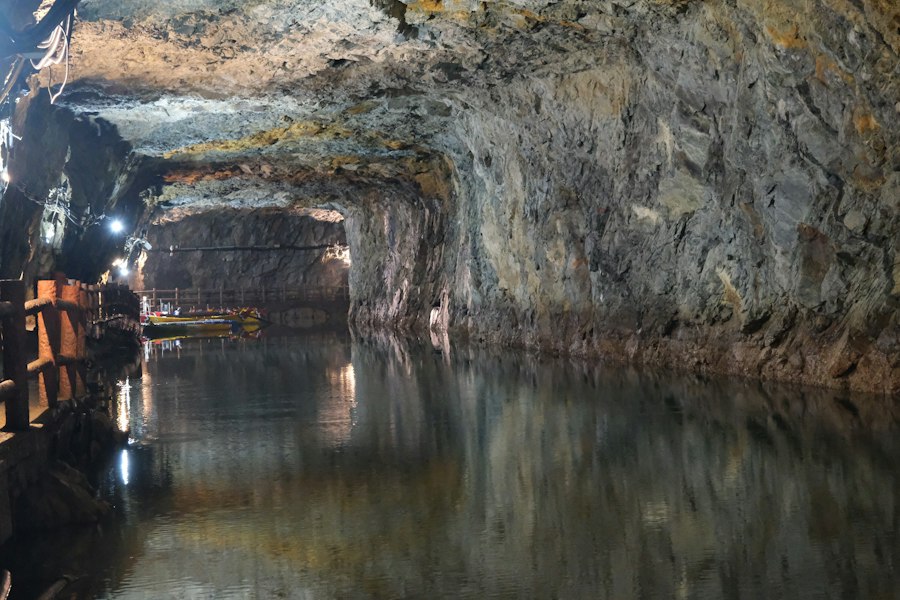
The concept of a “deep water cycle” is emerging as scientists unravel the intricate ways water moves and is stored deep within the Earth. This cycle is vastly different from the familiar hydrological cycle of evaporation, precipitation, and surface runoff, involving slow, geological-driven processes over immense timescales.
Water Storage in Minerals: The Earth’s Sponge
A significant portion of deep underground water is not in a free liquid state but is chemically bound within the crystal structures of minerals, particularly in the mantle.
Hydrated Minerals in the Mantle
Minerals like ringwoodite and wadsleyite, found in the Earth’s mantle transition zone (between 410 and 660 kilometers depth), can hold substantial amounts of water within their molecular structures. This bound water is only released under specific temperature and pressure conditions, or through changes in the mineralogy.
Water in the Lower Crust and Upper Mantle
Beneath the crust, in the upper mantle, hydrous minerals like amphibole and mica are stable and can store significant quantities of water. As tectonic plates move and undergo deformation, this water can be mobilized and transported.
Fluid Migration Pathways: Cracks and Channels in the Deep Earth
While much water is bound in minerals, a considerable amount exists as free liquid water in pores, fractures, and interconnected cavities within the Earth’s crust and upper mantle.
Fault Zones and Fracture Networks
Tectonic activity creates extensive fracture networks and fault zones within the Earth’s crust. These geological structures act as conduits, allowing water to percolate downwards and, in some cases, ascend towards the surface. The presence of saline fluids can reduce the melting point of rock, facilitating the formation of magma, which can also influence water circulation.
Permeability and Porosity of Deep Rocks
The ability of rocks to transmit fluids (permeability) and the amount of empty space within them (porosity) are crucial factors in deep water circulation. While many deep rocks are considered relatively impermeable, specific geological conditions, such as the presence of shale or highly fractured basalt, can create significant water-bearing zones.
Subduction Zone Hydrology: Water’s Journey into the Mantle
Subduction zones, where one tectonic plate slides beneath another, are critical regions for the transport of water from the surface into the Earth’s deep interior.
Water carried by Sediments and Oceanic Crust
As oceanic plates are subducted, they carry with them vast amounts of water trapped in sediments and within the hydrated minerals of the oceanic crust. This water is then carried to depths where it can be released through dehydration reactions.
Influence on Volcanism and Mantle Dynamics
The water released from subducting slabs plays a significant role in influencing mantle melting and volcanic activity. It lowers the melting point of the mantle rocks, leading to the generation of magma that rises to the surface as volcanoes. This process is a key part of the Earth’s deep water cycle.
Implications and Potential: Why Does Deep Underground Water Matter?
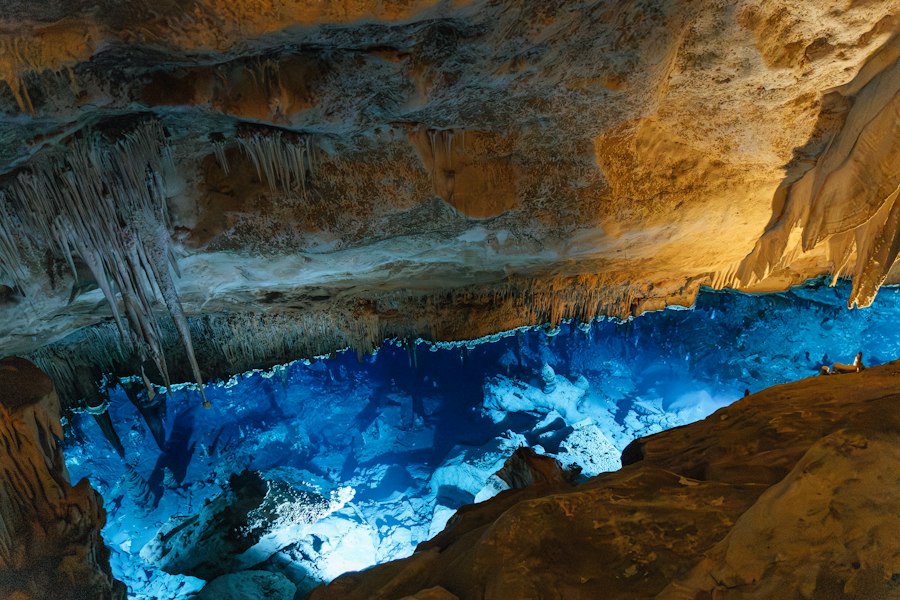
The uncovering of deep underground water has profound implications, extending from understanding fundamental Earth processes to potentially addressing critical human needs. Its existence challenges our perceptions of the Earth and opens new avenues for scientific inquiry and resource management.
Understanding Earth’s Internal Processes
The presence and movement of deep underground water are intimately linked to many of Earth’s dynamic processes, offering insights into geological evolution and planetary habitability.
Plate Tectonics and Mantle Convection
Water acts as a lubricant within the Earth’s mantle, influencing the viscosity and rheology of rocks. This lubrication is believed to play a role in the movement of tectonic plates and the patterns of mantle convection, the slow churning of the Earth’s interior that drives plate tectonics.
Volcanic Activity and Seismicity
As discussed, water released from subducting slabs significantly influences the generation of magma and volcanic eruptions. Furthermore, the presence of pressurized water in fault zones can contribute to seismic activity, acting as a lubricant that can trigger earthquakes.
A Potential Resource for Humanity
While still largely untapped and challenging to access, deep underground water represents a vast, albeit remote, potential resource for freshwater, particularly in arid regions facing severe water scarcity.
Paleowater and Ancient Reservoirs
Some deep underground water sources, often referred to as “paleowater,” are ancient reserves that have been isolated from the surface hydrological cycle for thousands or even millions of years. These sources, if accessible and of sufficient quality, could provide a reliable water supply independent of current precipitation patterns.
Geothermal Energy and Hydrogen Production
The high temperatures associated with deep geological formations, often linked to the presence of water, make them prime candidates for geothermal energy extraction. Furthermore, some deep subsurface environments are being explored for their potential to host microbial communities that could be used for the in-situ production of hydrogen, a clean fuel source.
Environmental and Geohazard Considerations
The exploitation of deep underground water is not without its challenges and potential environmental risks, necessitating careful scientific assessment and responsible management.
Groundwater Depletion and Contamination
The abstraction of deep groundwater must be carefully managed to avoid depletion of these ancient reserves. Additionally, poorly designed extraction or injection wells could lead to the contamination of overlying freshwater aquifers or the mobilization of undesirable subsurface fluids.
Induced Seismicity
The injection of fluids into the subsurface, a common practice in enhanced oil recovery and some geothermal energy projects, has been linked to induced seismicity. Understanding the pressure dynamics of deep water systems is crucial to mitigate this risk.
Water can exist deep underground due to various geological processes that allow it to be stored in aquifers and other subterranean formations. These underground reservoirs can be replenished through rainfall and surface water infiltration, creating a vital resource for ecosystems and human use. For a deeper understanding of how natural resources are managed and utilized in different regions, you might find the article on Guadalajara’s transformation into a tech hub particularly interesting. It explores how the city balances its growth with sustainable practices, which can be related to the management of underground water resources. You can read more about it here.
The Future of Deep Water Exploration: Challenges and Innovations
| Factor | Description | Typical Depth Range | Water State |
|---|---|---|---|
| Porosity of Rock | Percentage of void spaces in rock that can hold water | Up to several kilometers | Liquid |
| Permeability | Ability of rock to transmit water through pores or fractures | Varies widely, often decreases with depth | Liquid |
| Pressure | Increases with depth, helps keep water in liquid form despite high temperature | Up to tens of kilometers | Liquid or supercritical |
| Temperature | Rises with depth, can reach above 100°C but water remains liquid under pressure | Up to several kilometers | Liquid or superheated liquid |
| Water Source | Surface infiltration, ancient trapped water, or chemically bound water in minerals | Varies | Liquid or bound in minerals |
| Geological Structures | Faults and fractures can store and transmit water deep underground | Up to several kilometers | Liquid |
| Salinity | High mineral content can lower freezing point and affect water properties | Varies | Liquid |
The quest to fully understand and potentially utilize deep underground water is an ongoing endeavor, demanding continuous innovation in scientific tools and methodologies. The challenges are significant, but the potential rewards, both in terms of scientific knowledge and vital resources, are immense.
Advancing Geophysical Imaging Techniques
Future explorations will rely on the refinement and development of more sophisticated geophysical techniques to image deeper and with greater resolution.
High-Resolution Seismic and Electromagnetic Methods
Innovations in seismic acquisition and processing, along with advancements in broadband electromagnetic sensors, will enable scientists to create more detailed maps of subsurface water distribution and connectivity. Techniques like full-waveform inversion and advanced magnetotelluric modeling hold significant promise.
Integrating Multiple Geophysical Datasets
The synergistic integration of data from various geophysical methods, such as seismic, electrical, magnetic, and gravimetric surveys, will provide a more comprehensive and robust understanding of deep geological structures and fluid pathways.
Novel Drilling and Sampling Technologies
Accessing and sampling deep underground water presents significant engineering challenges. The development of new drilling and sampling technologies is crucial.
Ultra-Deep Drilling and Advanced Coring
New drilling technologies capable of reaching extreme depths in challenging geological conditions are under development. These will be complemented by advanced coring techniques that can preserve the integrity of deep rock and fluid samples for detailed analysis.
In-situ Measurement and Monitoring
The development of downhole sensors and tools for in-situ measurement of water properties, pressure, temperature, and flow rates will provide real-time data that is invaluable for understanding the dynamics of deep water systems.
Enhanced Geochemical and Isotopic Analysis
The ongoing refinement of geochemical and isotopic analysis techniques will allow for more precise determination of water origin, age, and interaction history.
Advanced Mass Spectrometry and Tracer Studies
The use of highly sensitive mass spectrometers will enable the detection of subtle isotopic variations and the characterization of trace elements. The development and application of novel artificial tracers can also help delineate flow paths and residence times of deep groundwater.
Computational Modeling and Artificial Intelligence
The vast datasets generated by these explorations will require advanced computational tools and artificial intelligence (AI) for interpretation and modeling.
Predictive Modeling and Risk Assessment
AI algorithms can be employed to identify patterns in complex geological and geophysical data, aiding in the prediction of water-bearing zones. Furthermore, AI can enhance our ability to model the potential impacts of water extraction and assess associated geohazards, such as induced seismicity.
The mystery of deep underground water is gradually being unveiled, revealing a hidden dimension of our planet that is both scientifically captivating and potentially vital for our future. As research progresses, a clearer picture of this subterranean realm will emerge, offering profound insights into Earth’s evolution and perhaps, a crucial resource for a thirsty world.

They Drilled 12 KM Into Earth — Then Everything Changed
FAQs
What is the significance of water existing deep underground?
Water existing deep underground is crucial as it plays a vital role in sustaining ecosystems, providing drinking water sources, and supporting various industries such as agriculture and manufacturing.
How does water reach deep underground?
Water can reach deep underground through various processes such as infiltration from the surface, percolation through porous rocks, and geological activities like faulting and fracturing that allow water to penetrate deeper into the Earth’s crust.
What are some common sources of deep underground water?
Common sources of deep underground water include aquifers, which are underground layers of permeable rock or sediment that can store and transmit water, as well as confined aquifers that are sandwiched between impermeable layers of rock.
How is deep underground water accessed for human use?
Deep underground water can be accessed for human use through drilling wells that tap into aquifers or other underground water sources. Pumping systems are then used to bring the water to the surface for various purposes such as irrigation, drinking water supply, and industrial processes.
What are some challenges associated with extracting water from deep underground?
Challenges associated with extracting water from deep underground include the depletion of aquifers due to over-extraction, potential contamination of groundwater sources, and the energy-intensive process of pumping water from significant depths. Sustainable management practices are essential to address these challenges and ensure the long-term availability of deep underground water resources.