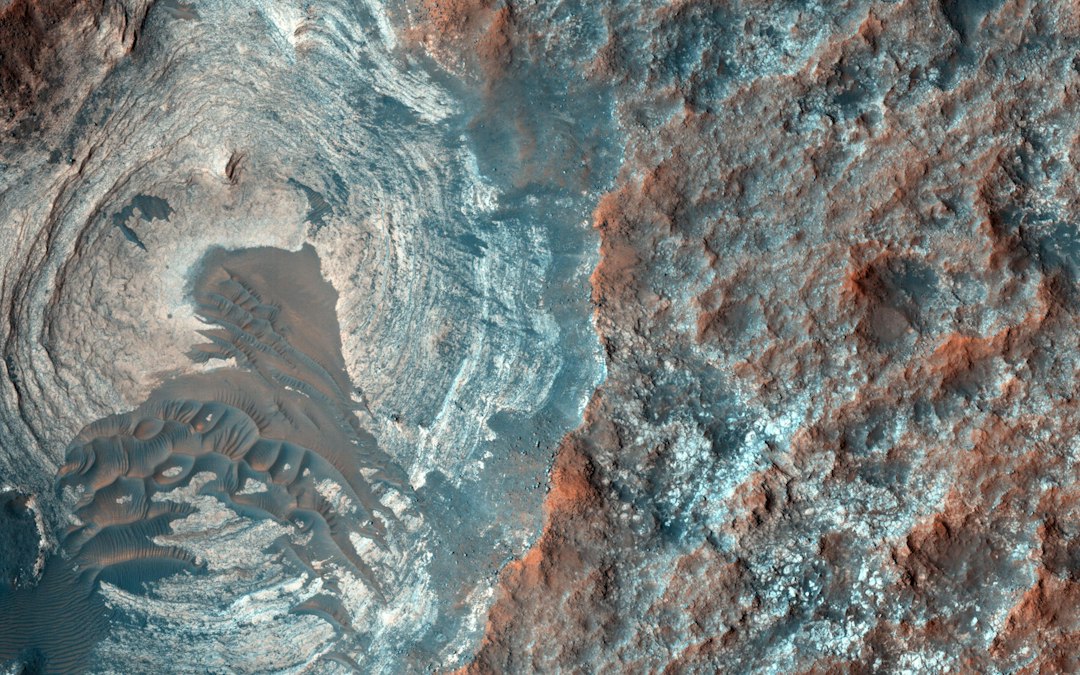
The Earth’s crust, a thin shell upon which all life exists, is a familiar concept. We walk upon it, build upon it, and extract resources from it. Yet, beneath our feet lies a realm of profound mystery: the deep crust. This vast, hidden expanse, extending tens of kilometers from the Moho discontinuity upwards, is a geological frontier where the processes shaping our planet are still being actively unraveled. Scientists are employing an increasingly sophisticated arsenal of tools and techniques to probe this enigmatic region, seeking to understand its composition, its dynamic evolution, and its critical role in the Earth’s overall system.
The deep crust presents a formidable challenge to direct observation. Its inaccessibility, coupled with extreme pressures and temperatures, necessitates indirect methods of investigation. Fortunately, scientific ingenuity has provided a suite of powerful tools that allow us to “see” into this hidden world.
Seismic Tomography: The Earth’s X-ray
Perhaps the most impactful technique for imaging the Earth’s interior is seismic tomography. This method leverages the behavior of seismic waves generated by earthquakes or artificial explosions. As these waves travel through the Earth, they are refracted, reflected, and attenuated by variations in rock density and composition. By deploying vast networks of seismometers across the globe, scientists can record the arrival times and characteristics of these waves from thousands of earthquakes. Sophisticated computer algorithms then process this data to create three-dimensional models of the Earth’s interior, much like an X-ray or CT scan reveals the inside of the human body.
Unraveling Density Variations
Seismic tomography is particularly adept at revealing areas of higher and lower seismic wave velocities. Faster wave speeds generally indicate denser, more rigid rock, while slower speeds suggest less dense or partially molten material. In the deep crust, these variations can point to the presence of different rock types, such as mafic intrusions (rich in magnesium and iron) or felsic intrusions (rich in feldspar and quartz). They can also highlight zones of increased fracturing or fluid presence, which can significantly alter wave propagation.
Identifying Anomalous Zones
By analyzing anomalies in seismic wave propagation, researchers can identify regions of unusual geological activity. For instance, slower seismic velocities in the lower crust might indicate the presence of magma chambers, where molten rock accumulates before erupting or solidifying. Conversely, extremely fast velocities could point to exceptionally dense and stable rock formations, perhaps remnants of ancient tectonic events. The resolution of seismic tomography has steadily improved over the decades, allowing geoscientists to discern finer details within the deep crust.
Geochemical Analysis: The Fingerprints of Rocks
While seismic methods provide a structural map, geochemical analysis offers insight into the chemical composition and origin of deep crustal rocks. Samples from the deep crust are rare, primarily obtained from deep boreholes, xenoliths (rock fragments carried to the surface by volcanic eruptions), and indirectly through the study of volcanic rocks that have interacted with the lower crust.
Isotopic Signatures as Historical Records
Isotopes, atoms of the same element with different numbers of neutrons, act as powerful tracers of geological history. The ratios of certain isotopes, such as strontium-87 to strontium-86 or neodymium-143 to neodymium-144, can provide unique fingerprints for different rock formations. By analyzing these isotopic signatures in deep crustal samples or related volcanic rocks, scientists can deduce the age and origin of these rocks, distinguishing between material that was originally part of the continental crust and that which was accreted from the mantle or recycled oceanic crust.
Trace Element Proxies for Conditions
Trace elements, present in small but significant quantities, can also reveal crucial information about the conditions under which rocks formed and evolved. For example, the abundance of certain rare earth elements can indicate the degree of partial melting or the presence of specific fluids. The chemical composition of xenoliths can also shed light on the parent magma from which they crystallized and the chemical environment of the deep crust they were embedded in.
Magnetotellurics: Sensing Electrical Conductivity
Magnetotellurics (MT) is a geophysical technique that probes the Earth’s electrical conductivity at various depths. It utilizes naturally occurring electromagnetic fields, generated by lightning and solar activity, to induce electrical currents within the Earth. By measuring the electric and magnetic field variations at the surface, scientists can infer the electrical conductivity structure of the subsurface.
Fluids and Partial Melt Detection
The electrical conductivity of rocks is highly sensitive to the presence of fluids and partial melt. Water, especially saline water, and molten rock are significantly more conductive than dry, solid rock. Therefore, MT surveys are exceptionally useful for identifying regions of high conductivity in the deep crust, which often correspond to zones containing saline pore fluids, hydrothermal systems, or pockets of magma.
Mapping Tectonic Boundaries and Faults
Variations in electrical conductivity can also delineate major geological structures, such as tectonic boundaries and deep-seated fault systems. These zones often act as pathways for fluids and can exhibit different conductivity properties compared to the surrounding rock. MT data can therefore provide valuable insights into the connectivity and activity of these crustal features.
Scientists have made significant strides in understanding Earth’s deep crust, revealing insights into its composition and behavior under extreme conditions. A related article that explores the broader implications of geological knowledge on societal issues can be found at this link. This article discusses how our understanding of natural resources and geological stability can influence economic policies and emergency preparedness, highlighting the interconnectedness of science and everyday life.
The Building Blocks of the Deep Crust: Compositional Enigmas
The composition of the deep crust is far from uniform and represents a complex interplay of processes occurring over vast timescales. While the upper crust is broadly familiar, the lower crust presents a different lithological character.
The Granulite Connection
A significant portion of the lower continental crust is thought to be composed of granulites. These are metamorphic rocks that have been subjected to high temperatures and pressures, typically in the range of 650-850°C and 7-12 kbar. The defining characteristic of granulites is the absence of hydrous minerals, indicating that they formed in a very dry environment.
Formation Under Intense Heat and Pressure
The formation of granulites signifies extreme geological conditions. They are often found in the cores of ancient mountain belts or in regions that have undergone significant crustal thickening. The extreme heat and pressure drive metamorphic reactions that transform pre-existing rocks into granulites, characterized by mineral assemblages rich in anhydrous minerals like pyroxenes, garnets, and feldspars.
Implications for Crustal Stability and Strength
The anhydrous nature of granulites makes them mechanically stronger and more resistant to deformation compared to hydrous rocks. This has significant implications for the behavior of the deep crust. Regions dominated by granulites are likely to be more stable and less prone to significant ductile flow, influencing how tectonic forces are accommodated at depth.
Mafic and Ultramafic Inclusions: Mantle Whispers
The presence of mafic (rich in magnesium and iron) and ultramafic (even richer in magnesium and iron) inclusions, known as xenoliths, within volcanic rocks offers direct glimpses into the deeper crust and even the upper mantle. These rock fragments are carried to the surface by magma, providing pristine samples of otherwise inaccessible material.
Evidence of Mantle Underplating
The composition of many mafic xenoliths suggests they are derived from the underplating of mantle-derived magmas onto the base of the crust. As hot, buoyant mantle material rises, it can melt and erupt, or it can solidify and accumulate at the crust-mantle boundary, contributing to the growth of the lower crust over geological time.
Recycling of Oceanic Crust
Other xenoliths reveal evidence of the recycling of ancient oceanic crust. When oceanic plates subduct beneath continental plates, fragments of the oceanic crust can be incorporated into the overriding continental plate, becoming part of the deep crust. Their chemical and isotopic signatures can reveal their oceanic origin and the subsequent metamorphic transformations they have undergone.
The Role of Granitic and Dioritic Intrusions
While granulites dominate the lower crust in many regions, granitic and dioritic intrusions are also prevalent, particularly in the middle to upper parts of the deep crust. These intrusive igneous rocks, formed from the slow cooling of magma beneath the surface, represent significant volumes of felsic to intermediate material.
Formation from Partial Melting of Pre-existing Crust
Granitic and dioritic magmas are often generated through the partial melting of pre-existing crustal rocks, particularly at greater depths where temperatures and pressures are higher. This process can lead to the reworking and remobilization of crustal material, contributing to the diversity and evolution of the continental crust.
The Viscosity Dilemma
The rheology, or flow behavior, of these intrusions is crucial for understanding crustal deformation. While granite can be relatively brittle at shallow depths, at the high temperatures and pressures of the deep crust, it can behave in a more ductile manner, influencing the large-scale tectonic behavior of the crust.
Dynamic Processes Shaping the Deep Crust: A Realm of Transformation
The deep crust is not a static entity; it is a zone of intense geological activity, shaped by a variety of dynamic processes that operate over millions of years.
Crustal Thickening and Mountain Building
One of the most significant processes influencing the deep crust is crustal thickening, which is intimately linked to the formation of mountain belts. When tectonic plates collide, the continental crust is compressed and pushed upwards, leading to a dramatic increase in its thickness. This process drives material downwards, subjecting it to higher pressures and temperatures.
Metamorphism and Granulite Formation
As crustal material is buried to greater depths during thickening events, it undergoes intense metamorphism. The elevated temperatures and pressures can lead to the dehydration of minerals and the formation of granulites. This process effectively transforms the lower crust into a more rigid and refractory layer.
Isostatic Rebound and Denudation
Following the cessation of active collision, the thickened crust will begin to rebound isostatically, much like a thick sponge rises after being compressed. This uplift is accompanied by extensive erosion and denudation of the overlying material, gradually exposing the deeper, metamorphosed rocks at the surface.
Magmatic Underplating and Crustal Growth
The Earth’s deep crust is also a site of ongoing growth through magmatic underplating. This involves the injection of molten rock, derived from the mantle, onto the base of the crust. These mafic magmas can solidify, adding new material to the lower crust and contributing to its thickening and evolution.
The Heat Engine of the Crust
Magmatic underplating provides a significant source of heat for the lower crust. This heat can drive further melting of existing crustal material, leading to the generation of felsic magmas that can rise and intrude into the overlying crust or erupt at the surface.
Influence on Seismic Velocity
The presence of underplated mafic rocks, which are generally denser and have higher seismic velocities than continental crust, can significantly influence the seismic structure of the deep crust. This can create distinct seismic layers and anomalies that geophysicists observe.
Fluid Flow and Hydrothermal Systems
The deep crust is not dry; it is permeated by fluids, albeit under extreme conditions. These fluids, which can be meteoric water, magmatic fluids, or metamorphic fluids, play a crucial role in transporting heat and chemical elements, and can significantly influence the mechanical properties of the crust.
Mineral Alteration and Vein Formation
Fluids can cause significant alteration of existing minerals, leading to the formation of new mineral assemblages. They are also responsible for the precipitation of minerals within fractures and veins, which can cement the rock together or, conversely, weaken it.
The Role of Fluids in Earthquakes
The presence and movement of fluids in the deep crust are increasingly recognized as important factors in the generation of earthquakes. Fluids can reduce the effective stress on faults, making them more prone to rupture. This is particularly relevant in understanding seismic activity at greater depths.
Unveiling the Secrets of Plate Tectonics
The deep crust is a critical player in the grand theater of plate tectonics, influencing how continents deform, mountains rise, and the Earth’s surface evolves.
The Lithospheric Mantle Boundary
The Moho discontinuity, the boundary between the crust and the mantle, is a fundamental feature of the Earth’s structure. However, the transition zone between the crust and the lithospheric mantle is often more complex than a sharp interface. The composition and properties of the lowermost crust and uppermost mantle profoundly influence the behavior of tectonic plates.
Strength and Rheology of the Lithosphere
The strength and rheology (how it deforms) of the lithosphere, the rigid outer shell of the Earth, are determined by the properties of both the crust and the underlying mantle. A strong, rigid lower crust can contribute to the overall strength of the lithosphere, influencing how tectonic stresses are transmitted and accommodated.
Subduction Zone Dynamics
In subduction zones, where oceanic plates are forced beneath continental plates, the deep crust plays a crucial role. The interaction between the subducting slab and the overriding continental lithosphere is complex and involves melting, fluid release, and significant deformation within the deep crust.
Continental Rifting and Basin Formation
The processes of continental rifting, which lead to the breakup of continents and the formation of new ocean basins, also have profound implications for the deep crust. As continental lithosphere is stretched and thinned, the deep crust experiences significant changes in pressure and temperature.
Exhumation of Deep Crustal Rocks
During rifting, sections of the deep crust can be uplifted and exhumed to the surface, providing direct access to these previously hidden rocks. This allows geologists to study the metamorphic and structural history of the deep crust in detail.
Influence on Basin Development
The structural and thermal evolution of the deep crust during rifting directly influences the formation and evolution of sedimentary basins, which are crucial for trapping oil and gas resources.
Scientists have made significant strides in understanding Earth’s deep crust, revealing its complex composition and the dynamic processes that shape our planet. For those interested in how these geological features can impact our lives, an insightful article discusses essential tips for preparation and safety during natural disasters, which can be influenced by the movements of the Earth’s crust. You can read more about this important topic in the article on surviving natural disasters.
Future Directions and Enduring Mysteries
| Aspect | Details / Metrics | Notes |
|---|---|---|
| Depth Range | 5 km to 70 km below Earth’s surface | Varies by continental vs oceanic crust |
| Composition | Predominantly igneous and metamorphic rocks such as granite, gneiss, and basalt | Lower crust richer in mafic minerals |
| Temperature | 200°C to 700°C | Increases with depth, affects rock properties |
| Density | 2.7 to 3.3 g/cm³ | Density increases with depth due to mineral changes |
| Seismic Velocity | P-wave velocity: 6.5 to 7.5 km/s | Used to infer rock types and conditions |
| Pressure | Up to 2.5 GPa | Pressure increases with depth, influencing mineral phases |
| Water Content | Trace amounts, mostly bound in minerals | Influences rock melting and deformation |
| Age | Ranges from hundreds of millions to over 4 billion years | Oldest crust found in cratons |
| Methods of Study | Seismic surveys, deep drilling (e.g., Kola Superdeep Borehole), xenolith analysis | Direct sampling is limited |
Despite significant advancements, many mysteries of the Earth’s deep crust remain to be unraveled. Future research will undoubtedly continue to push the boundaries of our understanding.
Enhanced Resolution in Seismic Imaging
Continued improvements in seismic acquisition and processing techniques promise to provide even higher-resolution images of the deep crust. This will allow for the identification of finer-scale structures, such as individual magma bodies or intricate fault networks, and a better understanding of their connectivity.
Advanced Geochemical and Petrological Studies
The development of more sophisticated analytical techniques will enable scientists to extract even more detailed information from deep crustal samples. This includes the ability to date individual mineral grains with unprecedented precision and to analyze trace element variations at the micro-scale, providing detailed insights into the formation and alteration processes.
Integrated Modeling Approaches
The future of deep crustal research lies in the integration of different geophysical, geochemical, and geological datasets. Advanced computational modeling will be crucial for synthesizing these diverse data streams into coherent models that can explain the complex evolution of the deep crust and its role in Earth system processes.
The Deep Crust as a Reservoir and a Hazard
Understanding the deep crust is not merely an academic pursuit. This hidden realm holds vast reservoirs of mineral and geothermal resources. Furthermore, the dynamic processes occurring within the deep crust can lead to natural hazards, such as earthquakes and volcanic eruptions. A deeper understanding of these processes is therefore crucial for effective resource management and disaster mitigation. The Earth’s deep crust, a silent architect of our planet, continues to hold its secrets, beckoning us to delve deeper into its enigmatic embrace.
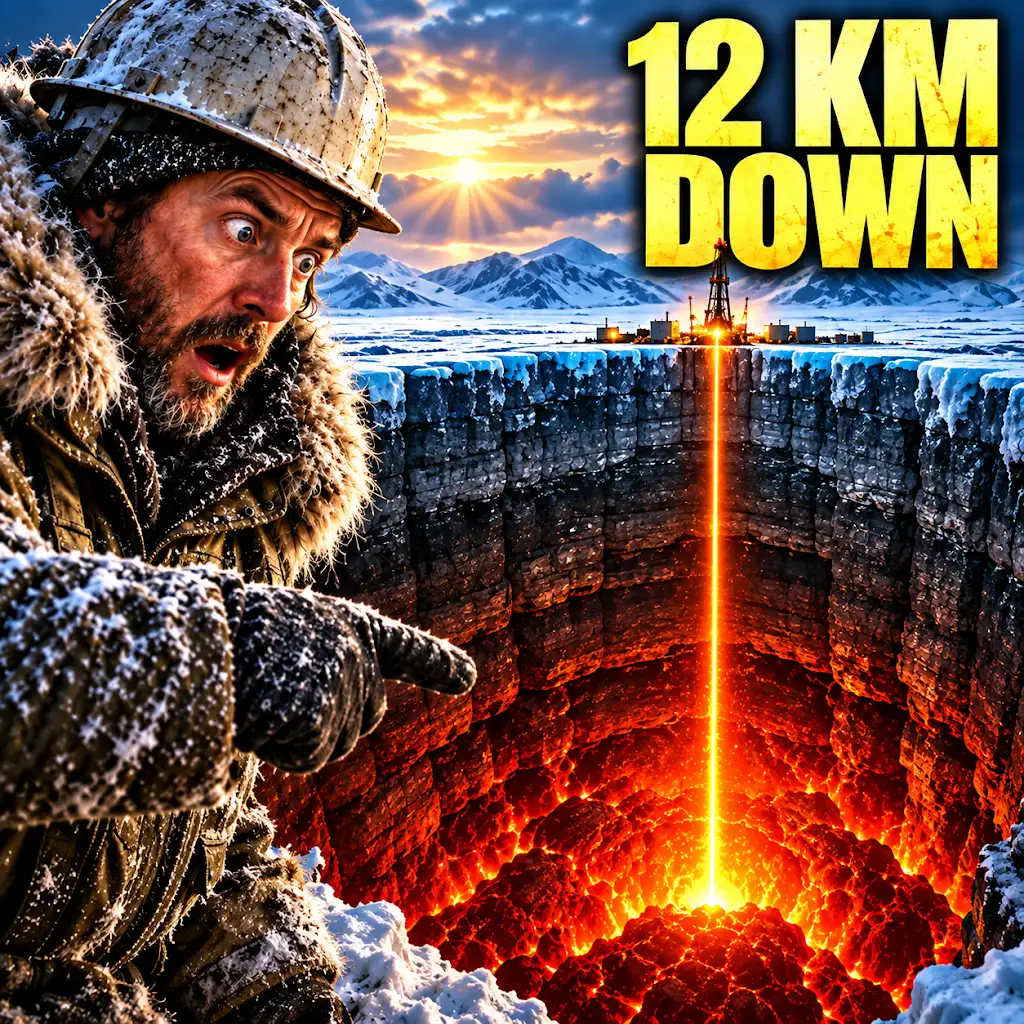
They Drilled 12 KM Into Earth — Then Everything Changed
FAQs
What is the deep crust of Earth?
The deep crust of Earth is the layer of the planet located beneath the Earth’s surface and above the mantle. It extends from about 20 to 30 kilometers deep to approximately 50 kilometers deep.
What do scientists know about the composition of Earth’s deep crust?
Scientists believe that the deep crust is primarily composed of igneous rocks such as basalt and gabbro. These rocks are formed from the cooling and solidification of magma beneath the Earth’s surface.
How do scientists study the deep crust of Earth?
Scientists study the deep crust of Earth using various methods, including seismic imaging, drilling boreholes, and analyzing rock samples brought to the surface by volcanic activity or tectonic processes.
What is the significance of studying Earth’s deep crust?
Studying the deep crust of Earth helps scientists better understand the planet’s geological history, tectonic processes, and the formation of valuable mineral resources. It also provides insights into the structure and composition of the Earth’s interior.
What are some ongoing research efforts focused on Earth’s deep crust?
Ongoing research efforts focused on Earth’s deep crust include investigating the role of deep crustal processes in earthquakes and volcanic eruptions, exploring the potential for geothermal energy extraction, and studying the interactions between the deep crust and the Earth’s mantle.