
Beneath the familiar crust of our planet lies a vast and dynamic realm, a layer of rock that constitutes the overwhelming majority of Earth’s volume and plays a pivotal role in shaping its surface and driving its geological evolution. This is the Earth’s mantle, a region shrouded in mystery, accessible only through indirect observation and inferential reasoning. For centuries, scientists have grappled with its composition, its intricate processes, and its profound influence on our world. Understanding the mantle is not merely an academic pursuit; it is fundamental to comprehending everything from the formation of continents and oceans to the eruption of volcanoes and the tremors of earthquakes. It is a journey into the deep interior, a testament to the power of scientific inquiry in unraveling the secrets of our planet’s heart.
The Hidden Depths: Defining the Mantle
The Earth’s mantle, a colossal layer sandwiched between the thin, rocky crust and the molten outer core, begins its reign approximately 30 to 100 kilometers below the surface and extends to a depth of around 2,900 kilometers. Its sheer scale is staggering, accounting for roughly 84% of Earth’s total volume and about 67% of its mass. Unlike the rigid crust we walk upon, the mantle is characterized by its semi-fluid, plastic-like behavior. While composed primarily of silicate rocks, the immense pressure and elevated temperatures within the mantle prevent it from behaving as a solid, brittle material over geological timescales. Instead, it flows, albeit incredibly slowly, driven by the internal heat of the Earth.
Delving into the Layers: Upper and Lower Mantle
Scientists have historically divided the mantle into two primary regions: the upper mantle and the lower mantle. This division is based on significant changes in seismic wave velocities, which act as natural probes, traveling through the Earth’s interior and revealing discontinuities in its structure.
The Upper Mantle: A Zone of Transition
The upper mantle, extending from the base of the crust to a depth of approximately 660 kilometers, is a region of immense geological importance. It is here that the Earth’s lithosphere – the rigid outer shell comprising the crust and the uppermost part of the mantle – floats and moves. The boundary between the crust and the upper mantle is known as the Mohorovičić discontinuity, or Moho, a sharp change in seismic wave speed that signifies a difference in composition and density.
The upper mantle itself is further subdivided into several zones. The uppermost part, which forms the rigid lithospheric mantle, is relatively cool and brittle. Below this lies the asthenosphere, a critical zone characterized by its lower viscosity and greater ductility. The asthenosphere is thought to be partially molten in places, allowing the rigid lithospheric plates to glide over it. This convective movement within the asthenosphere is the fundamental driving force behind plate tectonics. The transition zone, located between roughly 410 and 660 kilometers, marks another significant seismic discontinuity, indicating a change in the mineral structure of the mantle rocks due to increasing pressure.
The Lower Mantle: A Realm of Pressure and Heat
Below the transition zone lies the lower mantle, extending all the way down to the core-mantle boundary. This region is subjected to incredibly high pressures and temperatures, reaching upwards of 3,500 degrees Celsius at its deepest reaches. Despite these extreme conditions, the lower mantle remains largely solid, though its rocks are denser and more viscous than those in the upper mantle. Seismic studies reveal a relatively uniform structure within the lower mantle, suggesting that the dominant mineral phases are stable under these intense pressures. However, subtle variations in seismic wave velocities hint at compositional heterogeneities and potentially some degree of flow within this vast expanse.
Beneath the Earth’s crust lies a complex and dynamic layer known as the mantle, which plays a crucial role in geological processes such as plate tectonics and volcanic activity. Understanding these processes is essential for predicting natural disasters and managing Earth’s resources. For those interested in exploring how human activities in space may impact our planet, a related article discusses the future of space traffic management in cislunar space. You can read more about it here: Navigating the Future: Cislunar Space Traffic Management.
Unveiling the Composition: What is the Mantle Made Of?
Determining the precise composition of the Earth’s mantle is one of the most significant challenges in geophysics and geochemistry. Because direct sampling is impossible, scientists rely on a combination of evidence: the analysis of xenoliths – fragments of mantle rock brought to the surface by volcanic eruptions – and the study of meteorites, which are thought to represent the primordial building blocks of the terrestrial planets.
Silicate Rocks: The Mantle’s Building Blocks
The mantle is predominantly composed of silicate rocks, rich in minerals containing silicon and oxygen. However, the specific types of silicates and their relative proportions differ significantly from those found in the crust.
Olivine and Pyroxene: Dominant Minerals
In the upper mantle, the most abundant minerals are expected to be olivine, a magnesium iron silicate, and pyroxenes, a group of inosilicate minerals. These minerals, when subjected to the immense pressures and temperatures of the mantle, undergo various phase transitions, transforming into denser mineral structures. For instance, at around 410 kilometers depth, olivine transforms into a denser mineral called wadsleyite, and at greater depths, it further transforms into ringwoodite.
Perovskite and Ferropericlase: The Lower Mantle Dominants
As scientists delve deeper into the lower mantle, the pressure forces even greater structural changes. The dominant mineral phase is believed to be a high-pressure polymorph of (Mg,Fe)SiO3, known as perovskite. Alongside perovskite, ferropericlase, a solid solution of magnesium oxide and iron oxide, is also thought to be a major constituent of the lower mantle. These minerals are incredibly stable under the extreme conditions and possess properties that are crucial for understanding mantle dynamics.
The Role of Iron: A Crucial Element
The presence and distribution of iron within the mantle are of particular interest. Iron is a siderophile element, meaning it has a strong affinity for iron and tends to partition into the metallic core. However, the mantle is not entirely devoid of iron. Its presence influences the density, melting point, and rheological (flow) properties of mantle rocks. The ratio of magnesium to iron in mantle silicates is a key indicator of its composition and can be inferred from seismic data and experimental petrology.
The Engine of Geology: Mantle Convection
The slow, continuous churning of the Earth’s mantle, known as mantle convection, is the ultimate engine driving many of the planet’s most dramatic geological processes. This process is driven by the Earth’s internal heat, primarily generated by the radioactive decay of isotopes like uranium, thorium, and potassium, and residual heat from the planet’s formation. Hotter, less dense material rises from the deeper mantle, while cooler, denser material sinks from the upper mantle. This constant circulation creates enormous currents within the mantle, analogous to the convection currents seen in boiling water.
The Driving Force: Heat from Within
The primary driver of mantle convection is the heat escaping from the Earth’s core and the ongoing radioactive decay within the mantle itself. This internal heat source creates temperature gradients that initiate the convective flow. Imagine a pot of water on a stove: the heat from the burner warms the water at the bottom, making it less dense and causing it to rise. As it reaches the surface, it cools, becomes denser, and sinks. The mantle operates on a similar principle, but on an unimaginably larger scale and over geological timescales.
Radioactive Decay: A Long-Term Heat Source
The radioactive decay of long-lived isotopes, such as uranium-238, thorium-232, and potassium-40, within the mantle provides a sustained and significant source of heat. This internal heating mechanism ensures that mantle convection continues for billions of years, shaping the Earth’s surface throughout its history. The distribution and concentration of these radioactive elements within the mantle are therefore critical factors influencing the intensity and pattern of convection.
Primordial Heat: Echoes of Formation
In addition to radioactive decay, a significant portion of the Earth’s internal heat originates from the planet’s formation billions of years ago. The immense energy released during accretion and the subsequent differentiation of Earth into distinct layers also contributed to its initial thermal budget. While this primordial heat has been gradually dissipating, it still plays a role in driving mantle convection.
The Manifestation of Convection: Plate Tectonics
The most visible and significant consequence of mantle convection is plate tectonics. The rigid lithospheric plates, which make up the Earth’s outermost shell, are passively moved by the underlying convective currents in the asthenosphere.
Spreading Centers and Subduction Zones
Where mantle material rises to the surface, it creates divergent plate boundaries, such as mid-ocean ridges. Here, magma wells up from the mantle, solidifies, and forms new oceanic crust, pushing the existing plates apart. Conversely, where mantle material sinks, it creates convergent plate boundaries, leading to subduction zones. Here, one lithospheric plate slides beneath another and plunges back into the mantle, where it is eventually recycled.
Hotspots and Plumes: Anomalies in the Flow
Mantle plumes, vast upwellings of exceptionally hot material from deep within the mantle, are another striking manifestation of convection. These plumes can punch through the lithosphere, creating volcanic activity away from plate boundaries, forming features like the Hawaiian Islands. The study of these hotspots provides valuable insights into the dynamics of the deep mantle.
The Mantle’s Influence: Shaping Our World
The Earth’s mantle is not merely a passive layer; it is an active participant in shaping the planet’s surface and dictating its geological destiny. Its dynamic processes are responsible for the formation of continents, the creation of mountain ranges, and the very existence of volcanoes and earthquakes.
Continental Formation and Evolution
The process of continental formation is intimately linked to mantle processes. Over geological time, lighter, more silica-rich rocks tend to accumulate at the surface, forming the continental crust. This process, known as differentiation, is driven by the buoyant rise of less dense materials from the mantle.
Crustal Growth and Differentiation
The initial formation of continental crust is thought to have occurred through extensive volcanism and magmatic activity originating from the mantle. Subsequent geological processes, including tectonic collisions and the recycling of crustal material, have further modified and thickened the continents. The mantle’s composition and the style of its convection directly influence the rate and nature of continental growth and evolution.
The Driving Force Behind Mountains
The immense forces that build mountain ranges, such as the Himalayas, are a direct result of plate collisions, which are themselves driven by mantle convection. When two continental plates collide, neither can easily subduct, leading to intense compression, folding, and faulting of the crust, ultimately resulting in the uplift of towering mountain ranges.
Volcanism and Seismicity: Earth’s Unrest
The heat and material from the mantle are the primary sources of volcanic activity and a significant contributor to seismic events. Magma, the molten rock that erupts from volcanoes, is generated from the partial melting of mantle rocks.
Magma Generation and Eruption
At divergent plate boundaries and above mantle plumes, decompression melting occurs as hot mantle material rises and the pressure decreases. In subduction zones, the introduction of water from the subducting plate lowers the melting point of the overlying mantle wedge, triggering magma generation. This molten rock then ascends through the crust, eventually erupting as lava, ash, and gases, shaping the Earth’s surface and influencing its atmosphere.
Earthquakes: The Shaking of the Ground
While most earthquakes are associated with the brittle fracturing of the Earth’s crust along faults, the underlying mantle dynamics can also contribute to seismic activity. The slow, viscous flow of the mantle can build up stresses over vast geological timescales, which can be released in large-scale tectonic movements that ultimately trigger earthquakes. Furthermore, the movement of magma within the Earth’s crust and upper mantle can also generate seismic waves.
Beneath the Earth’s crust lies a complex world of geological formations and ancient materials that tell the story of our planet’s history. Understanding these layers can provide insights into various phenomena, including the impact of climate on human civilizations. For a fascinating exploration of how archaeological findings can shed light on past events, you might find this article on ancient famine particularly intriguing. It discusses the connections between environmental changes and human survival, which can be related to the geological processes occurring beneath the surface. You can read more about it in this article.
Unanswered Questions and Future Frontiers
Despite remarkable progress, the Earth’s mantle remains a realm of profound mystery. Many fundamental questions continue to challenge scientists, driving the development of new observational techniques and theoretical models.
The Deep Mantle Enigma: What Lies Below?
The lower mantle, a vast expanse of over 2,000 kilometers, is the least understood region. While seismic data provides crucial clues, the precise mineralogy, the exact nature of convection, and the presence of any significant heterogeneities remain subjects of intense research.
Unraveling Deep Mantle Heterogeneities
The discovery of seismic anomalies within the lower mantle suggests the presence of regions with different compositions, temperatures, or mineral structures. Understanding these heterogeneities is crucial for comprehending the history of mantle convection and the processes that have shaped the Earth over billions of years. Are these ancient remnants of early Earth processes, or are they dynamic features actively influencing mantle flow?
The Core-Mantle Boundary: A Realm of Interaction
The interface between the Earth’s core and mantle is a region of extreme chemical and thermal interaction. This boundary is thought to be a source of heat flow into the mantle and may also be responsible for the generation of large low-shear-velocity provinces (LLSVPs), enigmatic structures that dominate the lower mantle beneath Africa and the Pacific Ocean. The exact nature of these LLSVPs and their role in mantle dynamics are still debated.
The Rheology of the Mantle: Understanding Its Flow
The ability of the mantle to flow is fundamental to its role in plate tectonics. However, accurately modeling this rheology – the science of deformation and flow – under the extreme pressures and temperatures of the mantle is a significant challenge.
The Influence of Water and Other Volatiles
The presence of water and other volatile compounds within mantle minerals can significantly influence their rheology, making them more ductile and easier to deform. Understanding the distribution and concentration of these volatiles within the mantle is crucial for accurate models of mantle flow and plate tectonics.
Experimental Petrology: Simulating Mantle Conditions
Scientists use high-pressure, high-temperature laboratory experiments to simulate the conditions found within the Earth’s mantle. By studying the behavior of mantle minerals under these simulated conditions, they can gain insights into the rheological properties of the mantle and the phase transitions that occur at different depths.
The Mantle’s Role in Earth’s Evolution: A Historical Perspective
The mantle has played a crucial role in the Earth’s evolution from its very beginning. Understanding its past processes is key to understanding the planet’s current state and its future trajectory.
Early Earth Processes and Mantle Differentiation
The early Earth was a much hotter and more dynamic place. The processes of differentiation, where dense materials sank to form the core and lighter materials rose to form the mantle and crust, were fundamental in establishing the planet’s layered structure. The mantle’s initial composition and the style of its early convection likely had profound implications for the subsequent evolution of the Earth’s surface.
The Long-Term Heat Budget of the Earth
The Earth’s internal heat budget is constantly evolving, with heat gradually dissipating into space. Understanding the rate at which the mantle cools and the sources of its internal heat is essential for predicting the long-term future of plate tectonics and other mantle-driven geological processes.
In conclusion, the Earth’s mantle, a vast and dynamic layer hidden beneath our feet, continues to be a frontier of scientific exploration. Its mysterious depths hold the keys to understanding the very forces that shape our planet, from the slow dance of continents to the fiery spectacle of volcanoes. As technology advances and our understanding deepens, the secrets of this immense subterranean realm will undoubtedly continue to be unveiled, offering ever-clearer glimpses into the intricate and awe-inspiring workings of our planet.
They Drilled 12 KM Into Earth — Then Everything Changed
FAQs
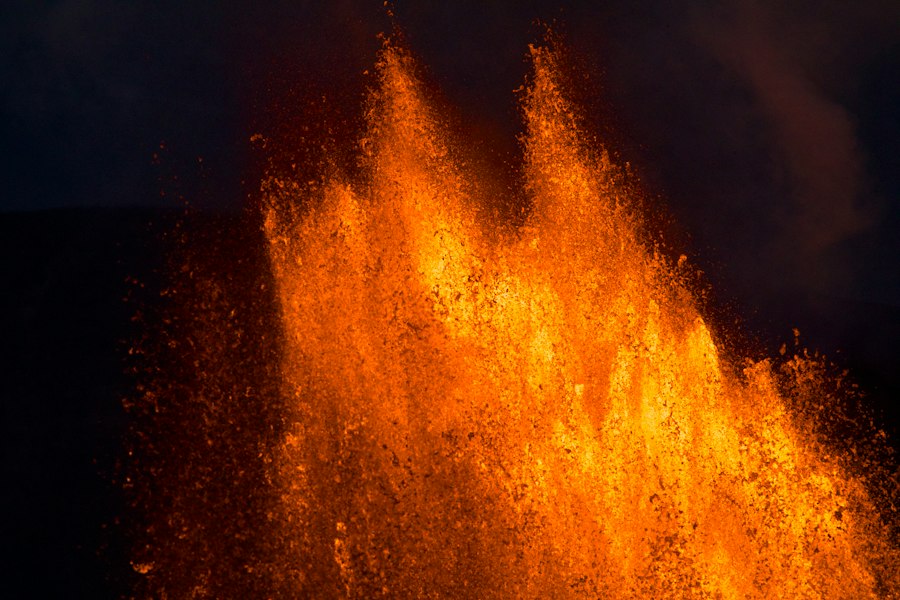
What is beneath the Earth’s crust?
Beneath the Earth’s crust lies the mantle, which is a layer of hot, solid rock that extends approximately 1,800 miles below the Earth’s surface.
What is the composition of the mantle?
The mantle is primarily composed of silicate minerals rich in iron and magnesium. It is divided into the upper mantle and the lower mantle based on differences in temperature and composition.
How does the mantle interact with the Earth’s crust?
The mantle plays a crucial role in the movement of tectonic plates, which make up the Earth’s crust. Convection currents in the mantle drive the movement of these plates, leading to processes such as earthquakes and volcanic eruptions.
Are there other layers beneath the mantle?
Below the mantle lies the outer core, which is a layer of liquid iron and nickel. Deeper still is the inner core, which is a solid ball of iron and nickel due to the immense pressure at the Earth’s center.
How do scientists study the layers beneath the Earth’s crust?
Scientists use a variety of methods, including seismic waves from earthquakes and drilling deep boreholes, to study the composition and properties of the layers beneath the Earth’s crust.