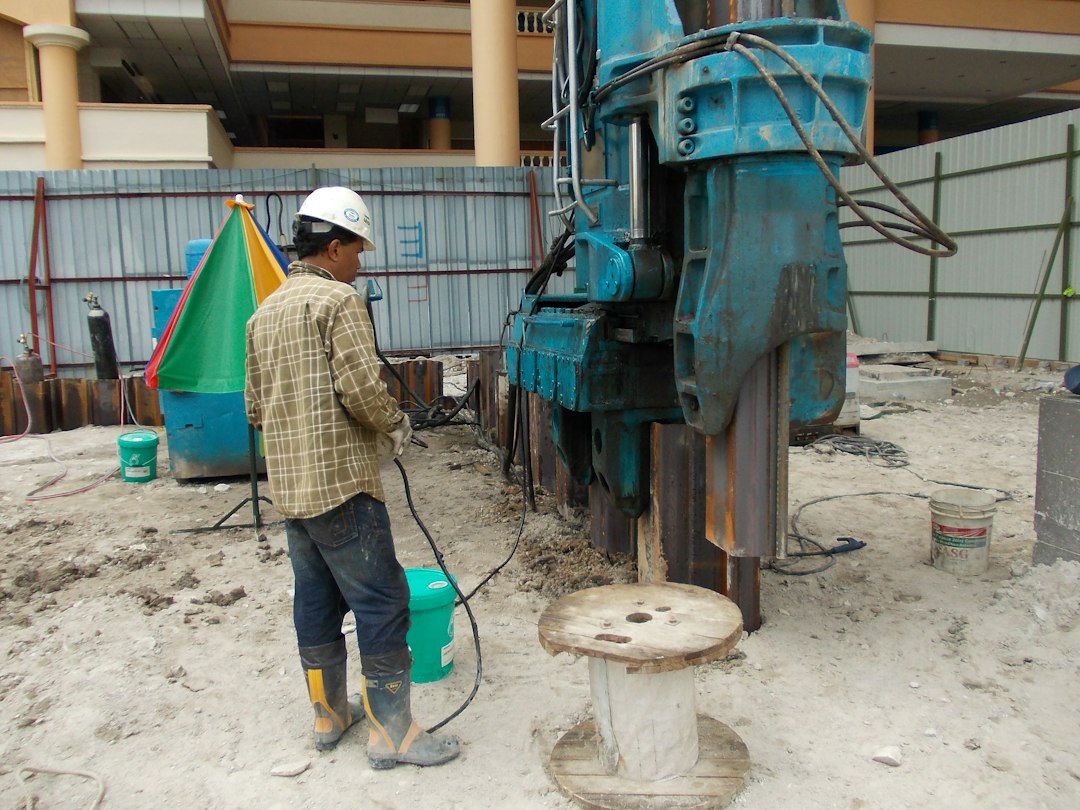
Uncovering Secrets: The Cold War Scientific Drilling Project
The relentless tension of the Cold War, a period defined by ideological rivalry and the ever-present threat of nuclear annihilation, spurred an unprecedented era of scientific advancement. While much of this innovation was directed towards military applications, a clandestine and ambitious undertaking emerged, driven by a more profound curiosity: to peer into the Earth’s deepest secrets. This was the Cold War Scientific Drilling Project, an initiative that, beneath the veil of geopolitical intrigue and nationalistic competition, sought to unravel the planet’s hidden geology, its ancient history, and potentially, its untapped resources. This project, often overshadowed by the more visible space race, represented a monumental effort to understand our own world, pushing the boundaries of drilling technology and geological science to their absolute limits.
The genesis of this ambitious endeavor can be traced to the overarching scientific and technological race that characterized the Cold War. Both the United States and the Soviet Union, locked in a struggle for global dominance, poured vast resources into scientific research. While the public spotlight was firmly fixed on rockets, satellites, and nuclear weapons, a more subtle but equally critical competition was unfolding in the realm of scientific exploration. Geologists and geophysicists on both sides recognized that a deeper understanding of the Earth’s crust and mantle held immense strategic and scientific value. This understanding could inform resource exploration, aid in seismic hazard assessment, and fundamentally challenge existing geological theories. The Cold War provided the impetus, the funding, and the technological drive for a project that would aim to do what had never been done before: drill kilometers deep into the Earth’s crust.
The Geopolitical Context
The Cold War scientific drilling project was not a unified, international effort, but rather a series of national undertakings, each driven by its own strategic and scientific objectives, yet undeniably influenced by the broader geopolitical landscape. The shadow of the Soviet Union’s achievements, from Sputnik to the early lunar probes, lostered large, fueling a desire in the United States to demonstrate its scientific and technological superiority. Conversely, the Soviets, with their own vast continental landmass and unique geological formations, saw deep drilling as a pathway to understanding their own territory and potentially discovering valuable mineral and energy reserves.
The Arms Race and its Scientific Spillover
The immense financial investment in the arms race had an unintended but significant consequence: the acceleration of technological development across a broad spectrum of fields. Materials science, engineering, rocketry, and computing all saw rapid advancements driven by military necessity. These advancements, in turn, directly benefited scientific endeavors like deep drilling. The need for stronger drill bits, more durable drilling fluids, and sophisticated data acquisition systems was amplified by the demands of military technology. This created a fertile ground for the development of specialized equipment and techniques that were essential for the success of deep drilling operations.
Intelligence Gathering and Strategic Advantage
While the stated goals of scientific drilling were primarily academic and resource-oriented, the potential for intelligence gathering was never far from the minds of policymakers. Understanding the composition of the Earth’s crust could provide insights into the seismic activity of potential conflict zones, the stability of underground structures, and even the presence of subterranean military installations. The deep boreholes created pathways for deploying sensors that could monitor seismic events, magnetic fields, and even potentially collect samples of subterranean gasses that might reveal geological processes or human activity.
The Cold War scientific drilling project, which aimed to explore the geological and environmental implications of the Earth’s crust, has drawn parallels to other significant archaeological endeavors, such as the controversial excavation discussed in the article “The Curse of the Mummy’s Tomb: The Dig That Should Have Stayed Buried.” This article delves into the ethical dilemmas and unforeseen consequences of unearthing ancient sites, much like the debates surrounding the scientific exploration during the Cold War era. For more insights on the complexities of such digs, you can read the article here: The Curse of the Mummy’s Tomb: The Dig That Should Have Stayed Buried.
The Soviet Union’s Unprecedented Undertaking: The Kola Superdeep Borehole
The Soviet Union, with its vast geographical expanse and a nationalistic drive to prove its scientific prowess, embarked on perhaps the most ambitious deep drilling project of the era: the Kola Superdeep Borehole. Located on the Kola Peninsula in the Arctic Circle, this project was born out of a desire to understand the Precambrian crust of the Baltic Shield, a geological enigma that held clues to the Earth’s early history. The sheer scale and ambition of the Kola project set it apart, pushing the boundaries of what was thought to be technologically feasible.
The Birth of a Geological Quest
The initial impetus for the Kola project stemmed from a desire to resolve fundamental questions about the Earth’s crust. Scientists were particularly interested in the boundary between the Earth’s crust and the mantle, known as the Mohorovičić discontinuity, or Moho. Previous geophysical surveys had indicated that the Moho was unusually shallow beneath the Baltic Shield, presenting a unique opportunity to study this transition zone. The project was conceived as a means to directly sample these deep geological layers and gather unprecedented data.
Technological Hurdles and Ingenuity
Drilling to depths exceeding 12 kilometers presented immense technological challenges. The immense pressure and temperature at these depths tested the limits of existing drilling equipment and techniques. The Soviets had to develop specialized drill bits made of diamond composites, create high-strength drilling pipes, and devise innovative methods for managing the borehole stability and preventing collapses. The extreme temperatures, reaching over 180 degrees Celsius, required sophisticated cooling systems and specialized drilling fluids. This quest for knowledge demanded a level of engineering ingenuity that often surpassed the immediate needs of the military.
Discoveries from the Deep
The Kola Superdeep Borehole, despite its immense cost and effort, yielded a wealth of scientific data. Core samples brought to the surface revealed a geological history far more complex than previously imagined. The presence of granite at such depths, contradicting earlier theories, challenged existing models of crustal formation. Furthermore, the discovery of microscopic fossilized plankton at depths previously thought to be sterile, dating back billions of years, offered tantalizing insights into the evolution of life and the conditions on early Earth. The project also provided invaluable data on seismic wave propagation, helping to refine our understanding of the Earth’s internal structure.
The United States’ Response: Project Mohole and Beyond
While the Soviets were pushing the boundaries in the Arctic, the United States was also pursuing its own deep drilling aspirations, most notably with Project Mohole. Though ultimately canceled, Project Mohole laid important groundwork and spurred innovation in offshore drilling technology. The American approach, while facing its own set of challenges, reflected a different set of priorities and a more public-facing scientific ethos, even within the Cold War context.
The Ambitious Offshore Dream: Project Mohole
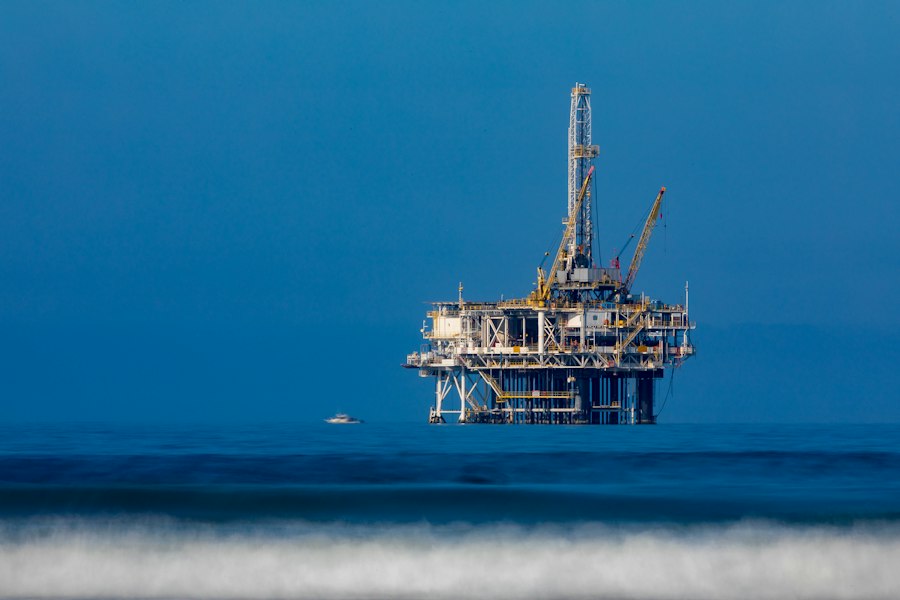
Project Mohole, initiated in the late 1950s, aimed to drill through the Earth’s crust beneath the ocean floor to reach the Mohorovičić discontinuity. The logic was that the oceanic crust was thinner than continental crust, making it a more accessible target. The project involved the development of specialized vessels capable of maintaining position over deep water, sophisticated drilling equipment capable of operating in a hostile marine environment, and novel techniques for extracting core samples from the ocean floor.
Navigational Nightmares and Engineering Prowess
The challenges of Project Mohole were manifold. Maintaining a stable platform in the open ocean, battling fierce currents and waves, and accurately positioning a drill string kilometers below the surface were monumental engineering feats. The project required the development of dynamic positioning systems and advanced sonar technologies. Furthermore, the corrosive marine environment and the immense pressures posed significant threats to equipment and operational safety. The scientific community, while enthusiastic, grappled with the immense costs and logistical complexities.
Lessons Learned and the Legacy of Mohole
Despite its eventual cancellation due to budget overruns and technical difficulties, Project Mohole was not a complete failure. It spurred significant advancements in offshore drilling technology, seafloor surveying, and marine engineering. The lessons learned from Mohole directly informed the development of future offshore exploration and drilling platforms, contributing to the eventual success of deep-sea oil and gas exploration. The project’s ambition, even in its unrealized state, left an indelible mark on scientific exploration.
Advancements in Drilling Technology
The intense pressure of the Cold War, coupled with the specific demands of deep drilling projects, served as a powerful catalyst for innovation in drilling technology. The need to penetrate increasingly harder rock formations, withstand extreme temperatures and pressures, and collect pristine samples from kilometers below the surface drove the development of new materials, tools, and methodologies.
Drill Bit Evolution: From Steel to Diamond
The heart of any drilling operation is the drill bit. For deep drilling, conventional steel bits were simply inadequate. The extreme pressures and abrasive nature of deep rock formations required something far more robust. The development of diamond-tipped drill bits, and later composite diamond bits, represented a significant leap forward. These bits, capable of withstanding immense forces and abrasion, allowed for deeper penetration and faster drilling rates. The materials science behind these bits, often involving high-pressure, high-temperature synthesis, was itself a product of Cold War-era research.
Drilling Fluids and Borehole Stability
Maintaining the integrity of the borehole is paramount in deep drilling. The immense pressures at depth can cause the borehole walls to collapse, leading to catastrophic equipment failure. The development of advanced drilling fluids, often referred to as “mud,” was crucial. These fluids not only lubricated the drill bit and flushed out rock cuttings but also provided hydrostatic pressure to support the borehole walls. The formulation of these fluids became increasingly sophisticated, incorporating specialized additives to manage rheology, density, and chemical reactivity in extreme subsurface conditions.
Data Acquisition and Real-time Analysis
The scientific value of deep drilling lies in the data collected. This involved not only retrieving core samples but also employing downhole logging tools that could measure various physical properties of the rock formations in situ. The development of robust sensors capable of operating under extreme temperatures and pressures, along with sophisticated telemetry systems to transmit data to the surface in real-time, was essential. This allowed geologists and geophysicists to monitor drilling progress, identify geological boundaries, and make informed decisions about the direction and depth of the borehole.
The Cold War scientific drilling project has unveiled fascinating insights into the Earth’s geological history, revealing how past climate changes have shaped our planet. For those interested in exploring the broader implications of such research, a related article discusses the documentary that delves into these ancient secrets and their relevance to contemporary science. You can read more about this intriguing topic in the article found here.
The Scientific Legacy and Future Implications
The Cold War scientific drilling projects, despite their geopolitical origins, left a profound and lasting scientific legacy. The data and samples collected from these unprecedented depths revolutionized our understanding of Earth’s crust, its history, and the processes that shape our planet. The technological innovations spurred by these projects continue to influence exploration and research in various fields.
Unraveling Earth’s History
The core samples from projects like Kola provided direct evidence of geological processes that occurred billions of years ago. The stratification of rock layers, the presence of ancient microbial life, and the isotopic composition of minerals offered invaluable insights into the evolution of Earth’s atmosphere, oceans, and lithosphere. These deep insights challenged existing theories and provided new frameworks for understanding plate tectonics, volcanism, and the formation of the continents.
Resource Exploration and Geothermal Energy
The detailed geological information gathered from deep drilling has direct implications for resource exploration. Understanding the subsurface composition and structure can help identify potential areas for oil and gas reserves, as well as mineral deposits. Furthermore, the exploration of the Earth’s deep heat flow has opened new avenues for harnessing geothermal energy, a renewable energy source with immense potential. The scientific drilling projects provided a foundational understanding of the thermal regimes within the Earth’s crust.
Continuing the Quest: Modern Deep Drilling
The spirit of scientific inquiry ignited by the Cold War deep drilling projects continues to this day. Modern scientific drilling programs, often international collaborations, build upon the technological and scientific foundations laid during that era. Projects like the International Ocean Discovery Program (IODP) and the Deep Carbon Observatory continue to explore Earth’s subsurface, seeking answers to fundamental questions about life’s origins, planetary evolution, and the Earth’s carbon cycle. The desire to understand our planet, a quest amplified by the competitive pressures of the Cold War, remains a powerful driver of scientific exploration. The secrets of the Earth, slowly but surely, continue to be uncovered, one kilometer at a time.
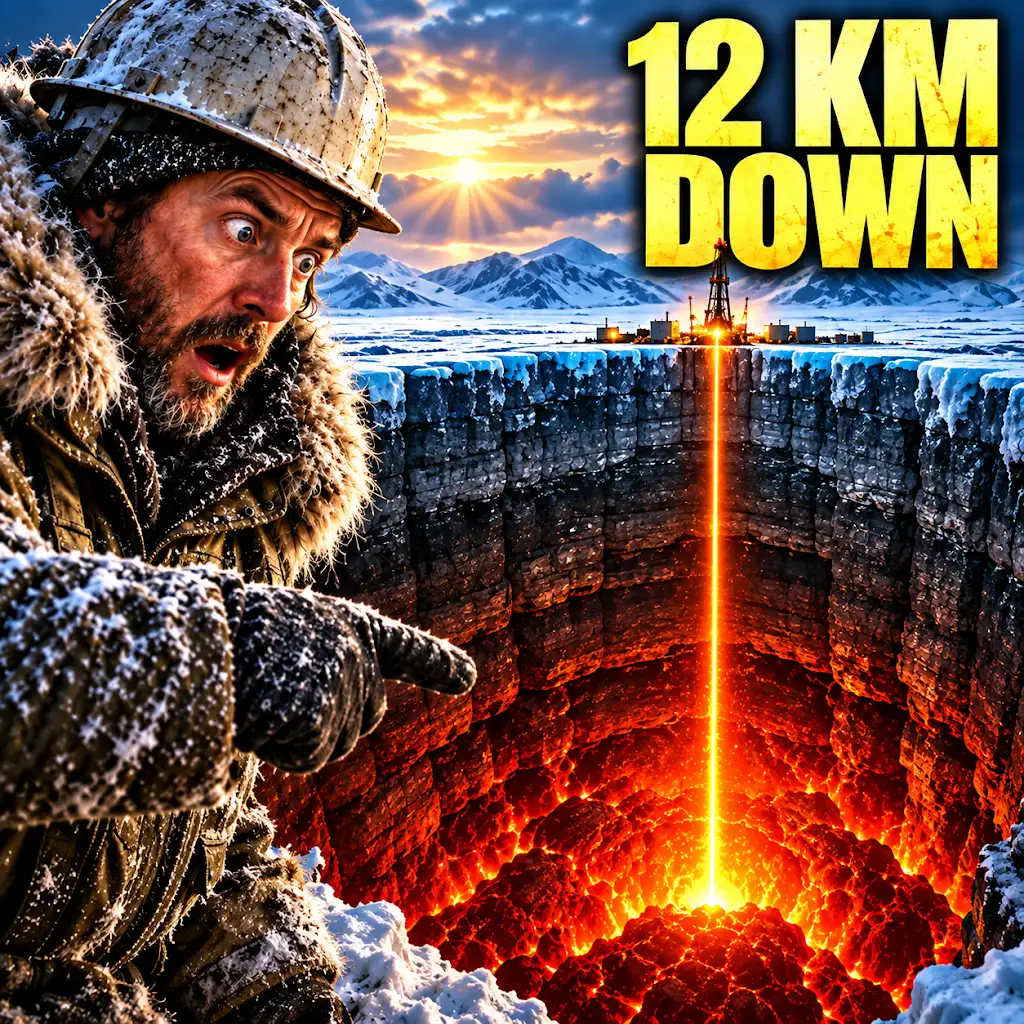
They Drilled 12 KM Into Earth — Then Everything Changed
FAQs
What was the Cold War scientific drilling project?
The Cold War scientific drilling project was a joint effort between the United States and the Soviet Union during the Cold War era to study the Earth’s crust and mantle by drilling deep into the Earth’s surface.
When did the Cold War scientific drilling project take place?
The Cold War scientific drilling project took place in the 1960s and 1970s, during the height of the Cold War tensions between the United States and the Soviet Union.
What was the purpose of the Cold War scientific drilling project?
The main purpose of the Cold War scientific drilling project was to gather geological and geophysical data to better understand the Earth’s structure and composition, as well as to potentially gain strategic military advantages.
Where did the Cold War scientific drilling project take place?
The Cold War scientific drilling project took place in various locations around the world, including the United States, the Soviet Union, and other countries where both superpowers had interests in conducting scientific research.
What were some of the key findings from the Cold War scientific drilling project?
Some of the key findings from the Cold War scientific drilling project included new insights into the Earth’s crust and mantle, the discovery of deep-sea hydrothermal vents, and advancements in drilling technology that have since been used in various scientific and industrial applications.