
For decades, a vast and enigmatic endeavor lay dormant beneath the Siberian taiga, a testament to humanity’s insatiable curiosity about the planet it inhabits. The Soviet Superdeep Drilling Program, a monumental undertaking that spanned the latter half of the 20th century, represents one of the most ambitious scientific projects ever conceived. Far exceeding the depths of any oil or gas well, its primary objective was not resource extraction but the unraveling of geological mysteries, pushing the boundaries of human knowledge into the very core of the Earth. This article delves into the origins, execution, scientific discoveries, challenges, and enduring legacy of this extraordinary Soviet initiative.
The Soviet Union, during the Cold War era, was engaged in a fierce competition with the West across various scientific and technological frontiers. In the realm of earth sciences, this rivalry translated into a desire to achieve unprecedented breakthroughs. The idea of superdeep drilling emerged not from a single eureka moment, but from a convergence of scientific aspirations and geopolitical imperatives.
Scientific Curiosity and the Unknown Frontier
For centuries, geologists and geophysicists had theorized about the Earth’s internal structure. Seismic wave data provided hints of distinct layers – the crust, mantle, and core – but direct observation remained an impossible dream. The only way to truly understand the composition, temperature, pressure, and physical processes occurring deep within our planet was through direct sampling. The Superdeep Drilling Program was born from this fundamental scientific yearning to lift the veil on the terrestrial interior. Scientists envisioned obtaining rock and fluid samples from depths previously only imagined, allowing for direct analysis and a revolution in our understanding of planetary formation and evolution.
Technological Hubris and the Race for Supremacy
Beyond pure scientific inquiry, the program was also infused with a sense of technological prowess and the desire to demonstrate Soviet engineering might. The ability to drill kilometers into the Earth’s crust would be a monumental engineering feat, showcasing the USSR’s capacity to overcome immense technical challenges. It was a testament to their ambition, a desire to achieve what others had not, and to push the boundaries of what was considered technologically feasible. This pursuit of a “first” was a common thread in many Soviet mega-projects.
Resource Exploration as a Secondary Driver
While not the primary objective, the possibility of discovering new mineral or hydrocarbon reserves at extreme depths was an acknowledged, albeit secondary, benefit. The Soviet Union possessed vast territories, and the belief that significant untapped resources lay buried deep within its landmass was a powerful motivator. Even if the primary goal was scientific, the potential for economic gain certainly added to the program’s appeal and justification for the enormous investment.
The Soviet superdeep drilling program, which aimed to penetrate the Earth’s crust to unprecedented depths, has provided valuable insights into geological processes and the history of our planet. Interestingly, the lessons learned from this ambitious project can be paralleled with the findings discussed in a related article that explores ancient climate crises and their implications for today’s environmental challenges. For more information, you can read the article here: Lessons from Ancient Climate Crisis: A Historical Perspective.
The Iron Will of Engineering: Executing the Impossible
The sheer scale of the Soviet Superdeep Drilling Program demanded an unprecedented mobilization of resources, expertise, and sheer willpower. Drilling to depths of 10,000 meters and beyond presented a myriad of engineering hurdles that had never been encountered before.
The Kola Peninsula: A Strategic Location
The primary and most famous site for the Soviet Superdeep Drilling Program was the Kola Peninsula in the Arctic region of northwestern Russia. Several factors made this location ideal. Firstly, the geological setting offered a relatively stable continental crust, minimizing tectonic complexities that could hinder deep drilling. Secondly, the presence of Precambrian rocks, some of the oldest on Earth, provided a unique opportunity to study ancient geological history. The remote location also served to enhance the secrecy surrounding the project, a common practice during the Cold War.
Drilling Techniques and Innovations
The Soviet engineers and geologists were not simply applying existing drilling methods; they were forced to invent and adapt. Standard drilling equipment was insufficient for the immense pressures and temperatures encountered at extreme depths.
Overcoming Extreme Pressures and Temperatures
As drills penetrated deeper, the ambient pressure and temperature escalated dramatically. The rock itself could behave like a viscous fluid under such conditions, and the drill string faced immense stresses. Specialized drilling fluids were developed to counteract these pressures and lubricate the drill bit. Furthermore, the thermal insulation of equipment became a critical concern, as extreme heat could compromise sensitive machinery and pose significant risks to personnel.
The Challenge of the Drill String
The drill string, the long pipe connecting the surface to the drill bit, was a major point of failure. At thousands of meters, the weight of the pipe itself created enormous tension. Fatigue, buckling, and fracturing were constant threats. The Soviets had to develop stronger, more durable drill pipes and innovative methods for managing the string, including specialized lifting and rotation mechanisms. Maintaining the integrity of this massive structure was a continuous battle.
Scientific Instrumentation and Sampling
Beyond the drilling itself, the program required the development of specialized tools to study the subterranean environment. Instruments capable of measuring temperature, pressure, and chemical composition in situ were crucial. Extracting core samples from such depths without contamination or damage was another significant challenge, requiring advanced coring techniques and careful handling of the retrieved material.
Unearthing Earth’s Secrets: Groundbreaking Discoveries
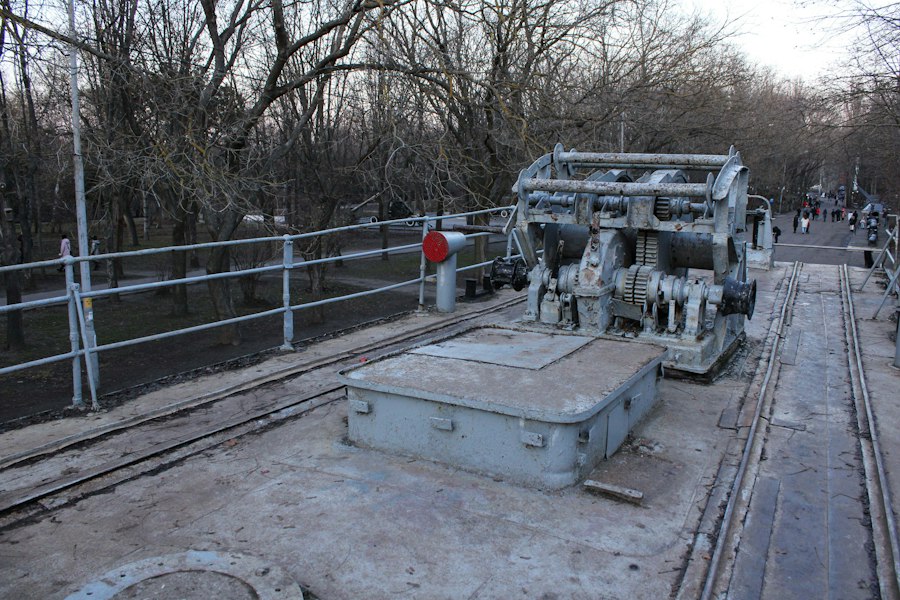
Despite the immense technical challenges, the Soviet Superdeep Drilling Program yielded a treasure trove of scientific data and unexpected discoveries that fundamentally altered our understanding of the Earth’s crust. The primary site, the Kola Superdeep Borehole (SG-3), reached a record-breaking depth of 12,262 meters (approximately 7.6 miles).
The Structure of the Continental Crust
For decades, geologists believed that the continental crust was largely homogeneous below a certain depth. The Kola Superdeep Borehole revealed a far more complex reality.
A Layered and Deformed Structure
Instead of a smooth transition, the drilling encountered distinct geological layers with varying compositions and metamorphic histories. The rock formations showed evidence of intense folding, faulting, and metamorphism, indicating a much more dynamic and turbulent geological past than previously assumed. The deepest sections revealed rocks that had been subjected to pressures and temperatures far exceeding what was expected at those depths, suggesting significant tectonic uplift and erosion over geological time.
The “Granite” Layer’s True Nature
One of the most surprising findings was the nature of the upper crust, often referred to as the “granite layer.” While it contained granitic rocks, analysis revealed that at deeper levels, it was composed of metamorphosed sedimentary rocks, indicating a complex history of deposition, burial, and transformation. This challenged existing models of crustal formation and evolution.
Life Below the Surface: Microbial Ecosystems
Perhaps the most astonishing discovery was the existence of microbial life at extreme depths. For a long time, the Earth’s interior was considered a sterile environment, too hostile to support life.
Microbes in Ancient Sediments
The Kola Superdeep Borehole, and other superdeep wells, yielded samples containing diverse communities of microorganisms. These microbes were found living within the pore spaces of rocks and in trapped fluids, surviving on minimal nutrients and under immense pressure and temperature.
Implications for the Origin of Life and Astrobiology
The discovery of these deep subsurface ecosystems had profound implications. It suggested that life could originate and persist in environments previously thought to be uninhabitable. This opened up new avenues for research into the origin of life on Earth and expanded the possibilities for finding life on other planets and moons that might possess subsurface oceans or habitable environments, such as Mars or the icy moons of Jupiter and Saturn.
The Earth’s Water Cycle and Geochemical Processes
The program also provided unprecedented insights into the Earth’s deep water cycle and complex geochemical processes.
Fluids Trapped Within Rocks
Scientists found significant quantities of water trapped within the pores and fractures of deep rocks. This subterranean hydrosphere plays a crucial role in geological processes, including the transport of minerals and heat. The composition of these fluids offered clues about the chemical environment of the deep Earth and the interactions between rocks and fluids under high pressure.
The Geochemistry of the Deep Crust
Analysis of the recovered rock and fluid samples provided detailed geochemical data, allowing scientists to study the long-term chemical evolution of the Earth’s crust. This data contributed to a better understanding of how elements are distributed within the Earth and how they are cycled over geological timescales.
The Unseen Adversary: Challenges and Setbacks

The Soviet Superdeep Drilling Program was a relentless battle against the forces of nature and the limitations of technology. Numerous challenges and setbacks plagued the project, testing the resolve of those involved.
Funding and Political Shifts
The immense cost of the program made it susceptible to fluctuations in funding, especially as the Soviet Union’s economic fortunes ebbed and flowed. Political shifts within the USSR could also impact the project’s priorities and resource allocation. The eventual dissolution of the Soviet Union in 1991 brought an abrupt halt to many large-scale scientific endeavors, including the continuation of the ambitious drilling program.
Equipment Failures and Lost Sections
The extreme conditions at great depths led to frequent equipment failures. Drill bits would wear out or break, drill strings would fracture, and specialized instruments would malfunction. In some cases, entire sections of the borehole were lost due to collapses or contamination, requiring extensive remedial work or the abandonment of certain depths.
The Inevitable End of an Era
The program’s ultimate cessation was a multifaceted event. The economic collapse of the Soviet Union was the most significant factor. Coupled with the inherent difficulties and the astronomical costs, the impetus for continuing such a colossal undertaking waned. However, the scientific legacy of the program lived on.
The Soviet superdeep drilling program, which aimed to reach the Earth’s crust and explore its geological mysteries, has fascinated scientists and researchers for decades. This ambitious project not only provided valuable insights into the Earth’s structure but also sparked discussions about the implications of deep drilling on environmental policies. For a deeper understanding of how regulatory frameworks can influence various industries, you might find this article on Dodd-Frank and its impact on deposits particularly interesting.
A Lasting Legacy: Impact and Future Potential
| Metric | Value | Details |
|---|---|---|
| Project Name | Kola Superdeep Borehole | Deepest borehole drilled by the Soviet Union |
| Location | Kola Peninsula, Russia | Near the border with Norway |
| Start Year | 1970 | Drilling commenced |
| End Year | 1994 | Drilling stopped due to technical difficulties |
| Maximum Depth | 12,262 meters (40,230 feet) | Deepest artificial point on Earth |
| Drilling Duration | 24 years | From 1970 to 1994 |
| Purpose | Scientific research | Study of Earth’s crust and geological formations |
| Temperature at Bottom | Approximately 180 °C (356 °F) | Higher than expected, causing drilling difficulties |
| Rock Samples | Precambrian rocks | More than 2.7 billion years old |
| Significant Findings | Microfossils, unexpected rock formations | Provided insights into deep crust geology |
Though the drills eventually fell silent, the Soviet Superdeep Drilling Program left an indelible mark on the scientific landscape. Its discoveries continue to inform geological research, and the lessons learned are invaluable for future deep subsurface exploration.
Advancements in Geophysics and Geology
The data collected from the Kola Superdeep Borehole and other sites has been instrumental in refining geophysical models of the Earth’s crust. It provided direct evidence to support and challenge existing theories about crustal formation, metamorphism, and tectonic processes. The program essentially provided a “ground truth” for many geophysical interpretations.
Inspiring Future Generations of Scientists
The sheer ambition and the groundbreaking discoveries of the Soviet Superdeep Drilling Program continue to inspire geoscientists and engineers. It serves as a powerful reminder of what can be achieved through dedicated scientific inquiry and technological innovation, even in the face of immense adversity. It pushed the boundaries of what was thought possible and set a precedent for future ambitious scientific endeavors.
The Unfinished Symphony: What Lies Deeper?
While the program achieved remarkable depths, the Earth’s mantle and core remain largely unexplored. The Soviet Superdeep Drilling Program was, in many ways, just the first act in a much grander scientific drama. The knowledge gained fuels the ongoing quest to understand the deep Earth, driving the development of new technologies and techniques that will one day allow humanity to probe even further into the planet’s mysterious interior. The quest to unearth the secrets of the Earth is far from over; it has merely taken a monumental leap forward thanks to the extraordinary vision and perseverance of the Soviet Superdeep Drilling Program.

They Drilled 12 KM Into Earth — Then Everything Changed
FAQs
What was the Soviet superdeep drilling program?
The Soviet superdeep drilling program was a scientific drilling project undertaken by the Soviet Union in the 1970s and 1980s to drill the deepest hole in the world.
Where was the Soviet superdeep drilling program located?
The Soviet superdeep drilling program was located in the Kola Peninsula, near the town of Zapolyarny in Russia.
How deep did the Soviet superdeep drilling program reach?
The Soviet superdeep drilling program reached a depth of 12,262 meters (40,230 feet), making it the deepest hole ever drilled by humans.
What was the purpose of the Soviet superdeep drilling program?
The main purpose of the Soviet superdeep drilling program was to study the Earth’s crust and mantle, as well as to explore the possibility of extracting natural resources from extreme depths.
What were some of the scientific discoveries made during the Soviet superdeep drilling program?
During the Soviet superdeep drilling program, scientists discovered that the Earth’s crust was much thicker than previously thought, and they also encountered higher-than-expected temperatures and pressures at such depths.