
The allure of the unknown, of the infernal depths and the whispers of a gateway to hell, has captivated imaginations for decades. Among these tales, few are as persistent and widely circulated as the “Well to Hell.” This alleged supernaturally deep mine shaft, purportedly located in Siberia, is said to be a portal through which the screams of the damned can be heard. While the story has seeped into popular culture, becoming a recurring internet meme and a subject of morbid fascination, a critical examination reveals a stark reality: the Well to Hell is, in essence, a fabrication.
The narrative of the Well to Hell, as it is commonly understood today, did not emerge from ancient folklore or verified geological surveys. Instead, its origins are far more recent and rooted in the modern era of internet dissemination and sensationalism. The story’s roots can be traced back to a confluence of misinterpretations, fabricated evidence, and viral propagation.
The “Russian Boredom” Claim and its Unlikely Source
The most widely cited origin story for the Well to Hell involves a group of Soviet scientists drilling an exploratory borewell in Siberia during the late 1980s. The narrative claims that as they delved deeper, their instruments registered an unfathomable heat, and then, incredibly, sounds of suffering—screams, cries, and moans—emanating from the depths. It was at this point, the story goes, that the drill bit allegedly melted and the well itself became a portal to hell, spewing forth the tormented sounds of the damned.
However, extensive investigation into this claim has yielded no credible evidence. There are no official records from the Soviet era detailing such an extraordinary geological or paranormal event. The scientific community has found no support for the idea that a borewell could open a portal to a subterranean hell. The alleged witnesses and scientists are often unnamed or their testimonies are second-hand, lacking verifiable corroboration.
The Role of Hoaxes and Online Propagation
The legend gained significant traction in the late 1990s and early 2000s, largely fueled by internet forums and early viral content. One significant contributor to the myth’s widespread dissemination was the creation of a fake news report by a Christian radio station in the United States. This report, presented as a genuine news broadcast, detailed the alleged Well to Hell phenomenon, complete with fabricated eyewitness accounts and sensationalist descriptions.
The report was designed to be alarming and spiritually evocative, appealing to a sense of religious dread and the supernatural. Once unleashed onto the nascent internet, it was easily shared, re-posted, and embellished. The lack of readily accessible fact-checking mechanisms in the early days of the web meant that such stories could spread unchecked, taking on a life of their own.
The “Evidence” That Wasn’t There
A crucial element in the myth’s survival is the purported “evidence” that accompanies it. This often includes grainy photographs, audio recordings, and supposed scientific data. However, upon closer scrutiny, these pieces of “evidence” invariably prove to be either outright fabrications or misinterpretations.
- The “Audio Recordings”: The most iconic piece of alleged evidence is the audio recording of screams emanating from the well. These recordings are widely believed to be sound effects created by humans, possibly using readily available software or by deliberately overdubbing distressed human voices over other ambient sounds. There is no scientific basis to suggest that such sounds could naturally occur from geological formations or from any known subterranean phenomenon.
- The “Photographs”: Images purportedly showing the well or the eerie glow from its depths are also common. These are invariably low-quality, easily manipulated, or are unrelated photographs presented out of context. The “glow” can be attributed to natural light sources, photographic artifacts, or deliberate digital manipulation.
- The “Scientific Data”: Claims of extreme heat or unusual gas readings from the well have also circulated. These are unsupported by any verifiable scientific documentation. Geothermal activity exists, but it operates within predictable scientific parameters and does not manifest as a portal to a supernatural dimension.
The story of the “Well to Hell” has captivated many with its eerie implications and urban legend status. For those interested in exploring more about the complexities of human beliefs and the narratives that shape our understanding of the world, a related article discusses the intricate nature of border disputes and the challenges they present. You can read more about this fascinating topic in the article titled “Navigating Border Disputes: A Complex Challenge” at this link.
Debunking the “Scientific” Implausibility
The very premise of the Well to Hell story defies fundamental principles of geology, physics, and even basic common sense. While the allure of the supernatural can be powerful, science offers a far more grounded and logical explanation for the phenomena attributed to this supposed portal.
Geological and Geothermal Realities
The Earth’s crust is a complex and dynamic structure, but it is not a permeable membrane to hell. The immense pressures and temperatures encountered at extreme depths are well understood by geologists.
- Depth Limitations: While the deepest mines on Earth reach several kilometers, they are nowhere near the depths required to approach any hypothetical “underworld.” The drilling technology exists, but the practicalities and the associated dangers of such extreme depths are immense. The Mariana Trench, the deepest part of the Earth’s oceans, is only about 11 kilometers deep. The Earth’s radius is approximately 6,371 kilometers.
- Heat and Pressure: As one descends into the Earth, temperature and pressure increase significantly. This is due to the geothermal gradient, where heat from the Earth’s core radiates outwards. While extremely hot, these conditions do not create a void or a gateway to another dimension. Instead, they create a dense, molten environment.
- No Evidence of Portals: There is absolutely no scientific evidence to suggest that any geological formation or drilling operation could create a “portal” to hell or any other supernatural realm. The concept of such a portal is not supported by any known scientific theory or observation.
The Impossibility of Sound Transmission
The idea of hearing screams from miles below the Earth’s surface is also scientifically untenable. Sound requires a medium to travel, such as air or water.
- Medium of Transmission: While the Earth’s interior is not a vacuum, the conditions at extreme depths—high pressure, immense heat, and solid rock—are not conducive to the clear and distinct transmission of human-like screams over such vast distances. The rock itself would absorb and distort any such sound waves.
- Nature of Sound: Sound waves diminish in intensity with distance. Even if some sound could be generated at a great depth, by the time it reached the surface, it would likely be imperceptible or indistinguishable from ambient geological noises. The “screams” attributed to the well are far too clear and human-like to be explained by natural phenomena.
The Misuse of Scientific Terminology and Concepts
Often, proponents of the Well to Hell myth will sprinkle their narratives with seemingly scientific terms or concepts to lend an air of credibility. However, these are frequently misused or taken out of context.
- “Anomalies”: Geologists do encounter geological anomalies – unusual formations, seismic events, or unexpected mineral deposits. However, these are studied and explained within the framework of geological science. The “anomalies” described in the Well to Hell story bear no resemblance to any documented geological phenomena.
- “Gas Emissions”: While volcanic activity and geothermal vents can release gases, these are natural processes with identifiable chemical compositions. The idea of gases spontaneously emitting from a borewell that carry the sounds of hell is not supported by chemistry or physics.
The Psychological and Cultural Appeal of the Myth
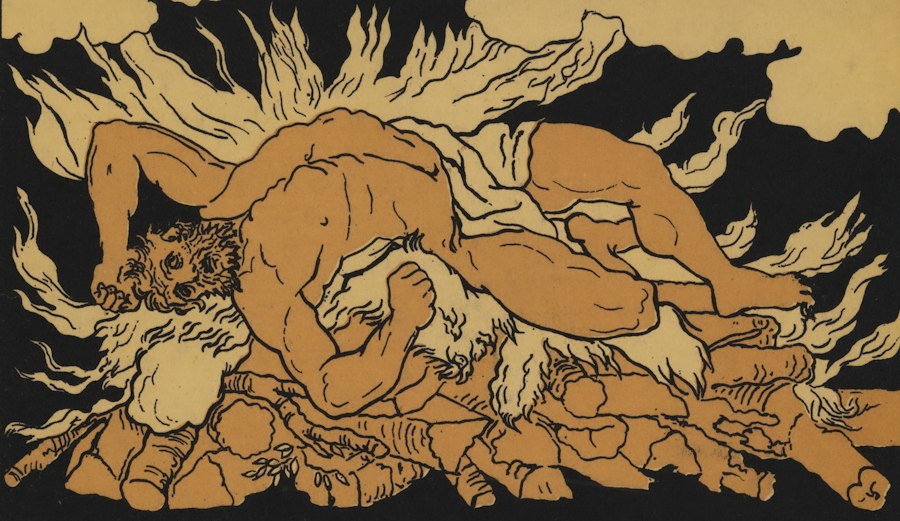
Despite its lack of factual basis, the Well to Hell myth continues to resonate with a significant portion of the population. This enduring appeal can be attributed to a complex interplay of psychological needs and cultural narratives.
The Fascination with the Macabre and the Supernatural
Human beings have an innate curiosity about death, the afterlife, and the unknown. The idea of hell, with its imagery of eternal punishment and suffering, taps into deep-seated fears and anxieties.
- Fear of the Unknown: The prospect of a direct link to a place of torment is inherently frightening, and this fear can be a powerful motivator for belief. The Well to Hell story offers a tangible manifestation of this abstract fear.
- Morbid Curiosity: Many people are drawn to the macabre and the sensational. The idea of hearing the screams of the damned is a compelling and disturbing image that captures the imagination. It’s the ultimate “what if” scenario that people can’t help but explore, even if only to be repulsed by it.
- The Desire for Proof of the Supernatural: For those who believe in the supernatural or are open to its possibility, the Well to Hell narrative provides a compelling, albeit fabricated, piece of “evidence.” It offers a glimpse into a world beyond our everyday experience.
The Role of Religion and Folklore
The concept of hell is deeply embedded in many religious traditions, particularly Christianity. The Well to Hell story, therefore, taps into existing religious narratives and beliefs.
- Reinforcement of Religious Beliefs: For individuals with strong religious convictions, the story can be interpreted as confirmation of their beliefs about divine judgment and the existence of a literal hell. It serves as a modern-day parable or warning.
- Modern Folklore: The Well to Hell is a prime example of modern urban legend or folklore. These stories, often passed down through oral tradition or, in this case, digital means, adapt traditional themes to contemporary contexts, using new mediums to spread.
The Power of Storytelling and Narrative Construction
The effectiveness of the Well to Hell myth lies in its compelling narrative structure. It has all the elements of a good ghost story or a cautionary tale: a mysterious origin, intriguing “evidence,” and a terrifying conclusion.
- Sensationalism and Exaggeration: The story is inherently sensational, with its descriptions of screaming souls and melting drill bits. This exaggeration makes it more memorable and shareable.
- Ambiguity and Gaps in Information: The lack of concrete, verifiable information about the Well to Hell actually works in its favor. The ambiguity allows individuals to fill in the gaps with their own interpretations and beliefs, making the story more personal and thus more potent.
The Real Siberian “Wells” and Their Scientific Explanations

While the Well to Hell is a myth, Siberia is indeed home to numerous scientific endeavors, including deep drilling projects and geological research. These real-world projects, however, offer rational explanations for phenomena that the myth might have distorted.
The Kola Superdeep Borehole: A Real Siberian Endeavor
One of the most famous deep drilling projects in Siberia is the Kola Superdeep Borehole. This Soviet-era scientific drilling project aimed to penetrate the Earth’s crust to unprecedented depths.
- Scientific Goals: The primary objective of the Kola borehole was scientific research. Scientists aimed to study the structure of the Earth’s crust and upper mantle, investigate seismic activity, and understand the geological history of the region.
- Discoveries Made: During its operation, the Kola borehole yielded significant scientific discoveries. These included finding ancient microorganisms in deep rock layers, discovering unexpected mineral compositions, and gaining a better understanding of tectonic plate movement.
- No Supernatural Phenomena: Crucially, the Kola Superdeep Borehole project, despite its extreme depth (over 12 kilometers), did not report any encounters with supernatural phenomena, hellish portals, or the screams of the damned. The challenges faced were purely scientific and engineering-related, such as dealing with extreme temperatures and pressures.
Geothermal Activity and Natural Sounds
Siberia, like many regions of the world, experiences geothermal activity. This can include hot springs, geysers, and seismic tremors.
- Geothermal Heat: The natural heat of the Earth can be significant in certain areas. This heat is a result of radioactive decay within the Earth’s core and mantle, not from an infernal dimension.
- Subterranean Sounds: Natural seismic activity, such as minor earthquakes or rock movements, can produce low-frequency sounds that might be felt or heard as rumblings or groans. These are natural geological processes, not the cries of the tormented.
- Misinterpretation of Natural Phenomena: It is plausible that the myth of the Well to Hell arose from a misinterpretation of natural, albeit unusual, geological sounds or thermal readings. These natural occurrences, when coupled with sensational storytelling, can be distorted into something far more sinister.
The Role of “Gas Vents” and Anomalies
While the idea of a “gas vent” opening to hell is pure fantasy, natural gas vents and pockets of gas trapped within the Earth’s crust do exist.
- Methane and Other Gases: The Earth’s crust contains various gases, including methane, which can be released through natural fissures or as a result of geological processes.
- Potential for Strange Sounds: The release of pressurized gases can sometimes create whistling or hissing sounds as they escape through narrow openings. However, these are mechanical sounds, not audible screams.
- Scientific Study of Gas Emissions: Scientists actively study gas emissions from the Earth’s crust to understand geological processes, potential seismic precursors, and the presence of valuable resources. These studies are grounded in chemistry and physics, not the supernatural.
The story of the Well to Hell has captivated many, blending elements of urban legend and conspiracy theory. For those interested in exploring more about the intersection of ancient knowledge and modern science, a fascinating article discusses sophisticated techniques for environmental regulation that might shed light on how ancient civilizations managed their climates. You can read more about these intriguing concepts in the article here.
The Persistence of the Well to Hell Myth in Modern Culture
| Aspect | Details |
|---|---|
| Origin | Urban legend originating from a 1989 Russian news story about a deep borehole |
| Location | Kola Superdeep Borehole, Russia |
| Depth | Approximately 12,262 meters (40,230 feet) |
| Claim | Sounds of screaming and tormented souls were recorded from the borehole |
| Scientific Explanation | Sounds were likely mechanical noises or hoaxes; no evidence of supernatural activity |
| Temperature at Depth | About 180 °C (356 °F), too hot for life as we know it |
| Purpose of Borehole | Scientific research to study Earth’s crust |
| Debunking Sources | Geologists, Russian scientists, and fact-checking organizations |
| Conclusion | The “Well to Hell” story is a myth with no scientific basis |
Despite being thoroughly debunked, the Well to Hell myth continues to persist, largely due to its adaptation and reinvention in various forms of modern media.
Internet Culture and Memes
The internet has become a fertile ground for the proliferation of the Well to Hell story. Its inherent sensationalism makes it perfectly suited for viral content and internet memes.
- Recontextualization and Humor: The myth is often shared in a humorous or ironic context, becoming a running gag or a symbol of internet absurdity. This can paradoxically increase its visibility, even if the intent is not to promote belief.
- “Creepypasta” and Online Horror: The Well to Hell fits seamlessly into the genre of “creepypasta,” user-generated horror stories that circulate online. It provides a ready-made narrative for those seeking internet-based scares.
- Social Media Sharing: Platforms like Reddit, TikTok, and YouTube have become conduits for sharing and discussing the Well to Hell, introducing it to new generations of internet users.
Popular Culture Adaptations
The Well to Hell has also found its way into more structured forms of popular entertainment, further cementing its place in contemporary mythology.
- Video Games: Elements of the Well to Hell narrative have been incorporated into video games, often as plot devices or environmental themes. This allows players to interact with the concept in a virtual setting.
- Films and Documentaries (Fictionalized): While no factual documentary exists on the Well to Hell, fictional films or mockumentaries have been produced that exploit the myth’s intrigue, often for horror or thriller genres. These productions, while fictional, contribute to the myth’s continued presence in the cultural consciousness.
- Music and Art: The evocative imagery associated with the Well to Hell has inspired musicians and artists, further embedding it within the broader cultural landscape.
The Danger of Misinformation
The continued circulation of the Well to Hell myth, even in a humorous context, highlights the broader issue of misinformation and the ease with which fabricated stories can spread in the digital age.
- Erosion of Critical Thinking: When sensational and unsubstantiated claims are widely disseminated, it can contribute to an erosion of critical thinking skills, as people become desensitized to the distinction between fact and fiction.
- Fueling Paranormal Beliefs: For individuals who are already predisposed to believing in paranormal phenomena, the Well to Hell story can serve as a powerful, albeit false, piece of evidence that reinforces their existing beliefs.
- The Need for Media Literacy: The persistence of such myths underscores the importance of media literacy and the ability to critically evaluate information encountered online.
The infamous “Well to Hell” story has captivated the imagination of many, often blurring the lines between myth and reality. For those interested in exploring the scientific aspects of our planet’s geological changes, a fascinating article discusses isostatic rebound and Antarctic topography, shedding light on how these processes shape our landscape. You can read more about it in this insightful piece on isostatic rebound, which provides a deeper understanding of the Earth’s dynamic nature.
Conclusion: The Enduring Power of a Well-Crafted Lie
The Well to Hell, despite its utter lack of factual basis, stands as a testament to the enduring power of storytelling, the human fascination with the macabre, and the often-unfettered spread of information in the digital age. It is a modern myth, born not from ancient lore or scientific discovery, but from a potent cocktail of fabricated reports, internet virality, and the timeless human desire to believe in something beyond the mundane.
The Absence of Truth, the Presence of Narrative
Ultimately, the “truth about the Well to Hell” is its absence. There is no such physical portal, no sonic testament to damnation emanating from the Earth’s depths. The story’s power lies solely in its narrative construction, its ability to tap into our primal fears and our insatiable curiosity about the unknown.
A Cautionary Tale for the Digital Age
The Well to Hell serves as a potent cautionary tale for our current information landscape. It demonstrates how easily misinformation can be manufactured, disseminated, and believed, even when faced with overwhelming scientific and logical contradictions. It is a stark reminder of the need for critical thinking, robust fact-checking, and a healthy skepticism when encountering extraordinary claims, especially those that originate from the often-unverified corners of the internet.
The Myth Lives On, But Not in Siberia
While the Well to Hell may never have existed in the Siberian soil, it thrives in the fertile ground of human imagination and the vast, interconnected network of the digital world. It is a ghost story for the 21st century, a chilling reminder that sometimes, the most compelling “truths” are the ones we are most willing to believe, regardless of their foundation in reality. The true “well” is perhaps the human psyche itself, a deep and mysterious place where imagination and fear can indeed create their own terrifying realities.
They Drilled 12 KM Into Earth — Then Everything Changed
FAQs
What is the Well to Hell?
The Well to Hell is a story that originated from a 1989 Russian newspaper article claiming that scientists had drilled into Hell and recorded the screams of the damned.
Is there any scientific evidence to support the existence of the Well to Hell?
No, there is no scientific evidence to support the existence of the Well to Hell. The story has been widely debunked as a hoax.
Where did the story of the Well to Hell originate?
The story of the Well to Hell originated from a 1989 article in the Russian newspaper “Soviet Weekly” which claimed that a team of scientists in Siberia had drilled into Hell.
Has anyone actually drilled into the Earth’s core?
No, no one has ever drilled into the Earth’s core. The deepest hole ever drilled is the Kola Superdeep Borehole in Russia, which reached a depth of about 7.5 miles.
What is the truth behind the Well to Hell story?
The truth behind the Well to Hell story is that it is a fictional tale that has been widely circulated as a hoax. There is no scientific basis for the claims made in the story.