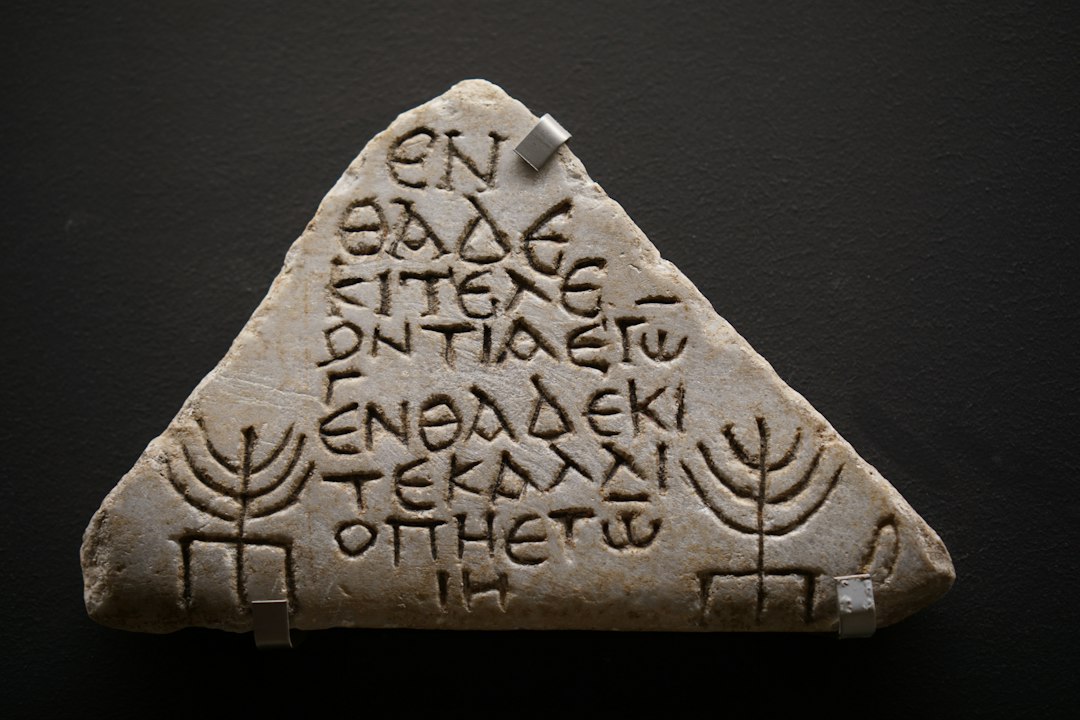
The dust of millennia, disturbed by the patient hands of archaeologists, has yielded a treasure trove of information more profound than gold or jewels. Ancient clay tablets, fragile remnants of civilizations long past, speak in a language etched in cuneiform, offering us an unparalleled window into the minds, lives, and societies of our ancestors. These unassuming rectangles of baked earth are not merely historical curiosities; they are intricate tapestries woven with the threads of human experience, revealing the fundamental continuities and surprising divergences that define our shared journey. From the mundane details of daily commerce to the loftiest aspirations of kings and priests, these tablets illuminate the very essence of what it means to be human, bridging the vast temporal gulf that separates us from our forebears.
The Genesis of Written Communication: From Marks to Meaning
The emergence of writing, a pivotal moment in human history, is intimately connected with the creation and proliferation of clay tablets. As societies grew more complex, the need to record information beyond the capacity of oral tradition became paramount. This necessity sparked innovation, leading to the development of sophisticated systems of communication that would irrevocably alter the course of civilization. The very act of pressing stylus into soft clay was an act of profound intellectual endeavor, an attempt to capture fleeting thoughts and tangible realities for posterity.
The Birth of Cuneiform: A System for Record-Keeping
The story of writing on clay begins in ancient Mesopotamia, a fertile crescent between the Tigris and Euphrates rivers. Here, in settlements like Uruk, dating back to the late 4th millennium BCE, the earliest forms of writing emerged. Initially, these were pictographic, simple drawings representing objects. However, the demands of a burgeoning economy and administrative system necessitated a more efficient and abstract form of representation. This led to the development of cuneiform, a wedge-shaped script impressed onto clay. The stylus, typically a reed cut to a triangular point, was pressed into the wet clay, creating distinct marks that, when combined in specific ways, represented syllables and then words.
The primary impetus for this development was economic. Early administrative records, such as tallies of grain, livestock, and commodities, were crucial for managing temples, palaces, and nascent marketplaces. The sheer volume of transactions and the need for accountability spurred the creation of a standardized system. Clay tablets provided a readily available and durable medium for this purpose. Unlike papyrus or parchment, which were susceptible to decay and less common in the region, clay was abundant and, once baked, remarkably resilient. This allowed for the preservation of records that have endured for thousands of years, offering us an unbroken chain of evidence for early economic practices.
The Evolution of Purpose: Beyond Economic Necessities
While economic and administrative functions were the initial drivers of written communication, the capabilities of the clay tablet and cuneiform script soon extended far beyond mere record-keeping. As literacy spread, albeit to a select few, the applications of writing diversified. This evolution speaks to the inherent human desire to articulate, to understand, and to connect.
The transition from purely economic records to more complex forms of expression marked a significant leap in the intellectual development of these early societies. Temples and scribal schools became centers of learning, where the art of writing was meticulously taught and practiced. The ability to read and write was a source of power and prestige, and those who possessed it played crucial roles in governance, religious life, and the transmission of knowledge. The clay tablet, once a simple ledger, transformed into a vessel for history, literature, and religious thought, proving its versatility as a medium for the human mind’s expanding horizons.
Ancient clay tablets have provided invaluable insights into the early civilizations of humanity, revealing not only their daily lives but also their advanced understanding of various fields, including engineering and agriculture. For instance, the article titled “Uncovering Ancient Hydraulic Engineering Marvels” explores how these early societies utilized sophisticated hydraulic systems to manage water resources, which was crucial for their agricultural practices and urban development. To read more about these fascinating engineering feats, you can visit the article here: Uncovering Ancient Hydraulic Engineering Marvels.
Echoes of Daily Life: Glimpses into the Pastoral and Urban

The vast majority of clay tablets unearthed are not epic poems or grand pronouncements of kings, but rather the mundane records of everyday existence. It is in these seemingly ordinary documents that we find the most profound and relatable insights into the lives of ordinary people, offering a vibrant and authentic portrayal of their challenges, joys, and social structures.
The Domestic Sphere: Family, Food, and Labor
A significant portion of excavated tablets offers intimate glimpses into the domestic lives of Mesopotamians. We find records of dowries, marriage contracts, divorce settlements, and inheritance disputes. These documents reveal the importance of family ties, the legal frameworks governing marital unions, and the economic considerations that underpinned these relationships. Tablets detailing the distribution of food rations to workers, the allocation of land for cultivation, and the exchange of goods and services provide a detailed picture of household economies. We can infer daily diets from lists of provisions, understand agricultural cycles from records of planting and harvesting, and appreciate the division of labor within families and communities.
For instance, administrative texts from the Ur III period (circa 2100-2000 BCE) meticulously detail the distribution of barley and beer to various classes of workers, from skilled artisans to unskilled laborers. These records allow scholars to reconstruct wage scales, assess the nutritional content of diets, and understand the logistical challenges of feeding large populations. Furthermore, private letters, though less common than administrative documents, offer personal insights. A letter from a wife to her husband might inquire about his well-being, mention the children’s activities, or lament the shortage of a particular commodity. These personal communications, etched onto clay, transcend time and allow us to connect with the emotional landscape of individuals long deceased. They remind us that the fundamental human experiences of love, worry, and familial responsibility have remained remarkably consistent throughout history.
The Marketplace and the Law: Commerce and Social Order
The bustling marketplaces and the intricacies of legal systems are vividly preserved on clay tablets. These documents reveal sophisticated systems of trade, lending, and contracts that underscore the advanced economic organization of ancient societies. We find records of sales of land, houses, slaves, and agricultural produce. Loan agreements, often with detailed interest rates and repayment schedules, demonstrate the prevalence of credit and financial instruments. The existence of standardized weights and measures, frequently recorded on these tablets, further attests to the regulated nature of commerce.
Beyond commercial transactions, a substantial body of tablets is dedicated to legal proceedings. These include court judgments, witness testimonies, and decrees issued by rulers. The Code of Hammurabi, famously inscribed on a stela but with precursor versions and related laws found on clay tablets, provides a foundational example of early legal codes. However, numerous other tablets reveal the application of these laws in everyday disputes. We find records of cases involving theft, assault, property damage, and even adultery. These legal documents are invaluable for understanding social hierarchies, the administration of justice, and the evolving concepts of rights and responsibilities within these ancient communities. The meticulous detail in these legal records, outlining charges, evidence, and verdicts, offers a stark reminder of the human need for order and the mechanisms developed to maintain it.
Whispers of the Divine: Religion, Ritual, and Cosmology
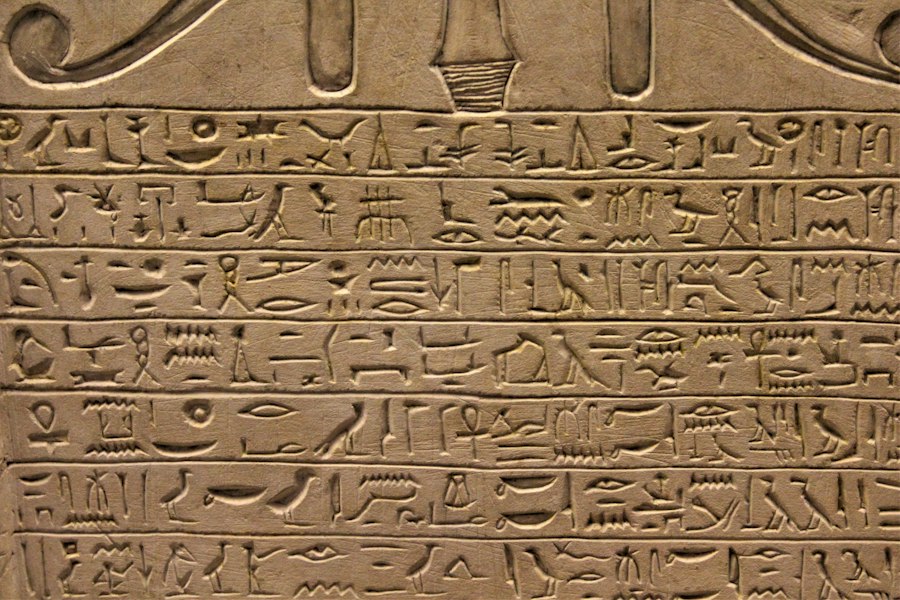
The spiritual lives of ancient peoples are deeply interwoven with the narratives inscribed on clay tablets. These documents offer a rich tapestry of their beliefs, their attempts to understand the cosmos, and their efforts to appease the divine forces they believed governed their existence. From prayers and hymns to elaborate descriptions of rituals and myths, these tablets provide a profound understanding of their worldview.
The Pantheon and the Priesthood: Mediating the Divine
The vast pantheon of gods and goddesses worshipped by ancient Mesopotamians is extensively documented on clay tablets. We find hymns and prayers addressed to deities like Anu, Enlil, Ishtar, and Shamash, seeking their favor, offering praise, and confessing sins. These texts reveal the complex relationships between humans and the divine, characterized by reverence, fear, and a constant desire for divine intervention. The roles of priests and priestesses as intermediaries between the mortal and divine realms are also frequently depicted. They were responsible for conducting sacrifices, performing purification rites, and interpreting omens.
Incantation texts, designed to ward off evil spirits or cure illnesses, offer a glimpse into the practical applications of religious belief. Astronomical observations, meticulously recorded by scribal astronomers, were often interpreted as divine messages, revealing the intricate connection between the celestial realm and earthly events. The detailed descriptions of temple construction, the inventory of temple offerings, and the biographies of temple officials further illuminate the central role of religion in societal structure and daily life. The sheer volume of these religious texts underscores the pervasive influence of faith in shaping the thoughts and actions of ancient peoples.
Myths, Legends, and the Human Condition
Beyond the formal religious texts, clay tablets preserve a wealth of myths, legends, and epic poems that explore fundamental questions about the human condition. The Epic of Gilgamesh, arguably the most famous literary work from ancient Mesopotamia, originally composed on clay tablets, grapples with themes of mortality, friendship, the search for meaning, and the nature of civilization. Other myths recount the creation of the world, the exploits of heroes, and the origins of customs and traditions.
These narratives, passed down through generations and preserved in cuneiform, reveal a shared human consciousness that transcends time. They explore universal anxieties about death, the desire for immortality, the struggle against fate, and the quest for knowledge. The characters in these ancient stories, whether gods, heroes, or ordinary mortals, often exhibit recognizable human emotions and motivations. Their triumphs and tragedies resonate with our own experiences, demonstrating the enduring power of storytelling to explore the complexities of existence and offer solace and understanding in the face of life’s uncertainties. These literary works are not mere curiosities; they are profound explorations of the human spirit, as relevant today as they were when first inscribed on clay.
The Intellectual Landscape: Science, Literature, and Learning
The intellectual achievements of ancient civilizations, often overlooked in favor of their more tangible artistic or architectural legacies, are strikingly evident in their clay tablet archives. These documents reveal a sophisticated understanding of mathematics, astronomy, medicine, and a rich tradition of literature and scholarship that laid the groundwork for future intellectual advancements.
The Dawn of Scientific Inquiry: Mathematics and Astronomy
The Mesopotamians, through their meticulous record-keeping on clay, made significant strides in both mathematics and astronomy. Mathematical tablets reveal a sophisticated sexagesimal (base-60) number system, which enabled them to perform complex calculations, including multiplication, division, and the extraction of square roots. They developed tables of reciprocals, squares, and cubes, and understood concepts of geometry, evidenced by their ability to calculate areas and volumes. These mathematical tools were essential for accounting, land surveying, and architectural planning.
Astronomical observations, recorded over centuries, were equally remarkable. Tablets detail the movements of celestial bodies, the prediction of eclipses, and the development of sophisticated calendars. These observations were not purely academic; they were deeply intertwined with religious beliefs and the practice of astrology, which aimed to interpret celestial events as divine omens. However, the sheer accuracy and systematic nature of these records demonstrate a genuine scientific curiosity and a commitment to empirical observation. The development of sophisticated astronomical models, even if framed within a divinatory context, represents an early form of scientific inquiry, a testament to the intellectual prowess of these ancient scholars.
The Literary Legacy: Poetry, Proverbs, and Epic Tales
The literary output preserved on clay tablets is as diverse as it is profound. Beyond the epic tales of heroes and gods, we find a rich tradition of poetry, including lyrical hymns, laments, and even love poetry. These works often employ sophisticated literary devices, such as metaphor, simile, and personification, showcasing a mastery of language and a deep understanding of human emotion.
Proverbial wisdom, capturing the accumulated experience and moral teachings of generations, is also abundant on clay tablets. These concise sayings offer practical advice on ethics, social conduct, and the human condition, providing a window into the cultural values and philosophical outlook of these societies. For example, proverbs caution against pride, advocate for honesty, and emphasize the importance of diligence. The preservation of these literary forms underscores the enduring human need to create, to express, and to transmit wisdom and beauty across time. The scribes who painstakingly inscribed these words onto clay were not merely clerks; they were the custodians of culture, ensuring that the intellectual and artistic achievements of their civilizations would not be lost to the sands of time.
Ancient clay tablets have provided invaluable insights into the early civilizations of humanity, revealing details about their daily lives, governance, and belief systems. These artifacts not only shed light on the cultural practices of the time but also raise questions about the factors that led to the rise and fall of these societies. For a deeper understanding of the dynamics that influenced ancient civilizations, you might find it interesting to explore how sudden collapses occurred, as discussed in this article on the downfall of ancient civilizations. You can read more about it here.
Enduring Relevance: Lessons from the Clay for the Modern World
| Aspect | Details from Ancient Clay Tablets | Implications about Humanity |
|---|---|---|
| Writing Systems | Cuneiform script used for record-keeping, literature, and communication | Early development of complex language and communication skills |
| Legal Codes | Hammurabi’s Code outlining laws and punishments | Emergence of social order, justice, and governance |
| Economic Transactions | Records of trade, agriculture, and taxation | Development of economy, trade networks, and resource management |
| Religious Beliefs | Myths, prayers, and rituals inscribed on tablets | Human search for meaning, spirituality, and explanation of natural phenomena |
| Education | School exercises and lexical lists for scribes | Value placed on knowledge transmission and literacy |
| Historical Records | Chronicles of kings, wars, and events | Desire to preserve memory and identity across generations |
The study of ancient clay tablets is not an exercise in historical antiquarianism; it offers profound insights that resonate with the challenges and aspirations of our contemporary world. The continuities in human behavior, the development of societal structures, and the enduring quest for meaning provide valuable lessons for navigating our own complex times.
Universal Human Experiences: Continuity Across Millennia
One of the most striking revelations from the clay tablets is the sheer universality of human experience. Despite the vast differences in technology, social organization, and belief systems, the fundamental human desires, fears, and motivations remain remarkably consistent. The longing for love and companionship, the anxieties about mortality, the pursuit of justice, the desire for prosperity, and the need for belonging are all palpable in these ancient texts.
Reading about a farmer’s anxieties over a poor harvest, a merchant’s concerns about a delayed shipment, or a parent’s hopes for their children’s future evokes a sense of deep connection with our ancestors. It reminds us that the human heart has not fundamentally changed. This understanding can foster empathy and a sense of shared humanity, breaking down artificial barriers of time and culture. By recognizing these enduring commonalities, we can gain a more nuanced perspective on our own contemporary struggles and appreciate the long arc of human endeavor.
Foundations of Civilization: Law, Administration, and Knowledge
The clay tablets reveal the foundational elements upon which modern civilization is built. The development of sophisticated legal systems, administrative structures, and scientific inquiry, all meticulously documented on clay, demonstrates the ingenuity and foresight of our ancestors. The principles of contract law, the need for clear legal codes, and the importance of bureaucratic organization, evident in Mesopotamian tablets, are still cornerstones of our societies today.
Furthermore, the early advances in mathematics, astronomy, and medicine laid the groundwork for subsequent scientific revolutions. The preservation and transmission of knowledge, facilitated by the written word on durable clay, ensured that intellectual progress could build upon itself. The very act of recording and disseminating information, a practice honed over millennia, is the bedrock of our collective human knowledge. By studying these ancient practices, we can gain a deeper appreciation for the long and complex history of human innovation and the critical importance of preserving and expanding our understanding of the world. The insights gleaned from these ancient clay tablets are not merely echoes of the past; they are vital lessons for the present and beacons illuminating the path forward for humanity.

The Anunnaki Origin Story Changes When You Read the Tablets
FAQs
What are ancient clay tablets?
Ancient clay tablets are small, flat pieces of clay that were used as a writing medium in various ancient civilizations, such as Mesopotamia, Egypt, and Greece.
What do ancient clay tablets reveal about humanity?
Ancient clay tablets provide valuable insights into the daily lives, beliefs, customs, and practices of ancient civilizations. They offer information about trade, religion, governance, and social structures of the time.
Where have ancient clay tablets been found?
Ancient clay tablets have been found in archaeological sites across the world, with some of the most famous discoveries coming from Mesopotamia (modern-day Iraq), Egypt, and Greece. They have also been found in regions like the Indus Valley and China.
How were ancient clay tablets used for communication?
Ancient clay tablets were used for writing and communication by pressing a stylus into the soft clay to create wedge-shaped characters known as cuneiform. Once the clay dried, the tablets could be stored, transported, or traded.
What languages were written on ancient clay tablets?
Ancient clay tablets were written in various languages depending on the civilization and time period. Some of the most common languages found on clay tablets include Sumerian, Akkadian, Babylonian, Assyrian, Hittite, and Ancient Egyptian.