
The flickering screen illuminated the dimly lit room, drawing viewers into a world millennia removed from their own. The documentary, “Uncovering Ancient History: Sumerian Tablets,” embarked on an ambitious journey to decipher the enigmatic language and profound wisdom etched into clay thousands of years ago. It wasn’t merely a historical recounting; it was an archaeological expedition brought to life, a meticulous unveiling of a civilization that laid the very foundations of human society. The film meticulously showcased the painstaking efforts of archaeologists and linguists, their dedication palpable as they pieced together fragments of history, each cuneiform inscription a whisper from a forgotten age.
The narrative began by establishing the context of Sumer, the cradle of civilization nestled in Mesopotamia, the land between the Tigris and Euphrates rivers. Through vivid animations and expert interviews, viewers were transported to a landscape teeming with life, where bustling city-states like Uruk and Ur rose from the fertile plains. The documentary emphasized that Sumer was not just an ancient settlement but a hub of innovation, a place where complex societies, organized governance, and sophisticated systems of writing first took root. The sheer audacity of their achievements, given the technological limitations of the era, was a recurring theme, inspiring awe and a profound sense of connection to our ancestral past. The film stressed the importance of understanding Sumer not as a relic, but as a progenitor, the wellspring from which much of human progress flowed.
The Rosetta Stone of Mesopotamia
The documentary dedicated significant attention to the Sumerian writing system, cuneiform. It explained how this intricate script, impressed onto wet clay tablets with a stylus, was a monumental leap in human communication. The film highlighted the challenges faced by scholars in deciphering this alien script, a process akin to solving an elaborate puzzle spanning centuries. The visual representations of the tablets themselves, often cracked and worn, were presented with a reverence that underscored their immense value. Expert insights into the evolution of cuneiform, from its pictographic origins to its more abstract wedge-shaped symbols, provided a clear understanding of its development.
The Long Road to Decipherment
The journey to understand cuneiform was not swift or straightforward. The documentary meticulously detailed the efforts of early scholars, many of whom worked in isolation, painstakingly comparing inscriptions and seeking patterns. The discovery of multilingual inscriptions, particularly the Behistun Inscription, which contained Old Persian, Elamite, and Babylonian versions of the same text, served as a crucial turning point. This was presented as the “Rosetta Stone” of Mesopotamia, a key that unlocked the linguistic secrets of the region. The film showcased the dedication of figures like Henry Rawlinson, whose groundbreaking work on the Behistun Inscription paved the way for the wider decipherment of Sumerian and Akkadian. The visual reconstruction of their research processes, showing sketches and transcriptions, offered a fascinating glimpse into the intellectual rigor involved.
The Dawn of Written Language
The documentary posited that the invention of writing in Sumer was not a mere convenience but a revolutionary act. It enabled the recording of laws, religious texts, economic transactions, and even personal stories, thereby preserving knowledge and culture for future generations. The sheer volume of tablets discovered, covering every conceivable aspect of Sumerian life, was astoundingly presented. The film argued that without these written records, our understanding of the ancient world would be immeasurably poorer, reduced to speculative guesswork and fragmented archaeological evidence. The impact of this invention on the trajectory of human civilization was underscored, highlighting how the ability to record and transmit information across time and space fundamentally altered the course of history.
The study of ancient civilizations often leads us to fascinating discoveries, such as the Sumerian tablets that provide insight into early writing and administration. For those interested in exploring more about ancient urban development, a related article titled “Uncovering Ancient City Fortification Secrets” delves into the architectural advancements and defensive strategies of ancient cities. You can read it here: Uncovering Ancient City Fortification Secrets.
Echoes of Sumerian Wisdom
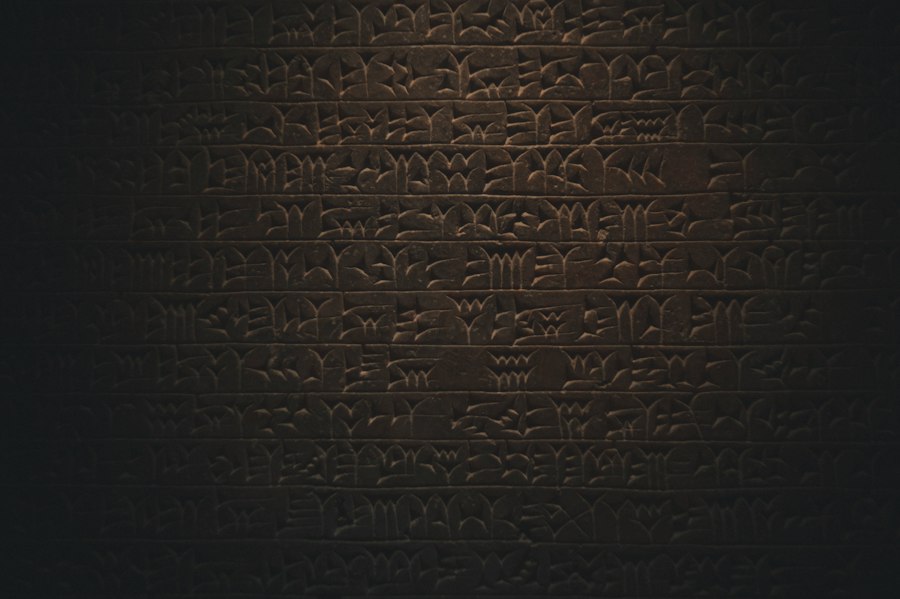
Beyond the mechanics of writing, “Uncovering Ancient History: Sumerian Tablets” delved into the profound content of these ancient texts. The documentary explored the rich tapestry of Sumerian literature, mythology, and legal codes, revealing a society far more complex and sophisticated than previously imagined. Viewers were introduced to epic tales, hymns to gods, and proverbs that resonated with timeless human truths. The film emphasized that these tablets were not just historical documents but windows into the human condition, offering insights into the aspirations, fears, and beliefs of a people who lived so long ago. The universality of many of their concerns, from love and loss to justice and the search for meaning, served as a powerful reminder of our shared humanity.
The Epic of Gilgamesh and Beyond
A significant portion of the documentary was dedicated to the Epic of Gilgamesh, arguably the oldest surviving work of literature. The film presented key passages, bringing to life the immortal king’s quest for immortality and his profound grief over the loss of his friend Enkidu. Expert analysis explained the epic’s enduring themes of mortality, friendship, and the search for meaning in a transient world. The documentary also explored other literary forms, including creation myths, lamentations, and wisdom literature, showcasing the diverse range of intellectual and creative expression in Sumer. The narrative skillfully wove together scholarly interpretation with dramatic readings and evocative imagery, making these ancient stories accessible and impactful for a modern audience.
The Birth of Law and Governance
The impact of Sumerian tablets on the development of legal systems was a crucial theme. The documentary highlighted the Code of Ur-Nammu, predating Hammurabi’s Code by several centuries, as evidence of early attempts to establish justice and order within society. The film discussed the principles enshrined in these laws, such as the concept of retribution and the protection of the vulnerable. The administration of justice, the roles of judges, and the procedures for resolving disputes were all illuminated through the analysis of these ancient legal texts. The documentary argued that these early legal frameworks provided a blueprint for subsequent legal traditions, influencing the development of justice systems across the globe.
Unlocking the Secrets of Sumerian Society
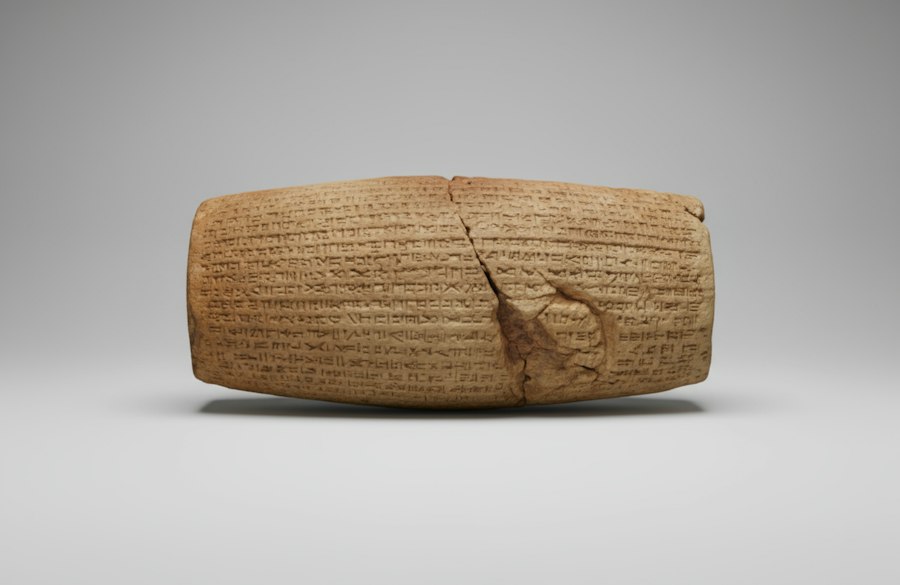
The Sumerian tablets provided an unparalleled level of detail about the daily lives, social structures, and economic activities of this ancient civilization. The documentary used these artifacts to paint a vibrant picture of Sumerian society, moving beyond the grand narratives of kings and gods to explore the lives of ordinary people. The insights gleaned from these records allowed viewers to understand the intricacies of their agricultural practices, their sophisticated trade networks, and their intricate social hierarchies. The film presented a nuanced portrayal, acknowledging both the achievements and the challenges faced by the Sumerians.
The discovery of Sumerian tablets has significantly enriched our understanding of ancient civilizations, revealing insights into their culture, economy, and governance. For those interested in exploring how historical conflicts have shaped modern geopolitics, a related article discusses the escalating tensions in the Ukraine border conflict, shedding light on how ancient patterns of power and territory continue to influence contemporary issues. You can read more about it in this insightful piece here.
Daily Life in the Fertile Crescent
The film meticulously detailed the everyday realities of Sumerian life, drawing evidence from administrative and economic tablets. Views of reconstructed Sumerian households, along with animated sequences depicting farming, craftsmanship, and market scenes, brought the ancient world to life. The documentary explored their diets, their clothing, their housing, and their leisure activities, offering a surprisingly relatable glimpse into their existence. The economic tablets revealed a complex system of trade and commerce, with detailed records of goods exchanged, prices, and wages. The social structure, with its various classes and professions, was also illuminated, providing a comprehensive overview of the societal fabric.
Religion, Ritual, and the Cosmos
The spiritual lives of the Sumerians were another key area explored. The documentary discussed their pantheon of gods and goddesses, their elaborate temple complexes, and their religious rituals. The tablets offered insights into their creation myths, their understanding of the cosmos, and their efforts to appease the divine. The role of priests and priestesses in Sumerian society was examined, along with the significance of religious festivals and ceremonies. The film presented these beliefs not as primitive superstitions but as a fundamental aspect of their worldview, shaping their understanding of life, death, and the universe. The connection between the divine and the earthly was a pervasive theme, influencing art, architecture, and governance.
The Lasting Legacy of Sumer
The documentary concluded by emphasizing the profound and often overlooked legacy of Sumer. It argued that many of the fundamental aspects of modern civilization – from writing and mathematics to urban planning and legal systems – have their roots in Sumer. The film positioned Sumer not as a distant historical curiosity but as a foundational pillar of human progress. The meticulous presentation of evidence throughout the documentary supported this central thesis, leaving viewers with a deep appreciation for the achievements of this ancient civilization. The interconnectedness of history was powerfully demonstrated, showing how the innovations of the Sumerians continue to shape our world in tangible ways.
From Cuneiform to Computers
The documentary drew direct parallels between Sumerian innovations and their modern counterparts. The transition from spoken language to written script, the development of complex numbering systems, and the early forms of accounting were all presented as precursors to modern communication, mathematics, and financial systems. The film suggested that the very concept of recording and transmitting information, initiated by the Sumerians with their clay tablets, has evolved into the digital age of computers and the internet. This comparison served to underscore the enduring relevance of Sumerian ingenuity, demonstrating how their foundational ideas continue to resonate.
A Bridge Across Time
Ultimately, “Uncovering Ancient History: Sumerian Tablets” served as a powerful reminder of humanity’s shared heritage. By deciphering the messages from the past, the documentary offered a bridge across time, connecting us to the aspirations, struggles, and triumphs of our ancestors. The film left viewers with a renewed sense of wonder about the depths of human history and the enduring power of our collective capacity for innovation and expression. It invited contemplation on what future generations might discover about our own era, encouraging a deeper appreciation for the vast, unfolding narrative of human civilization. The final moments, featuring shots of the vast Mesopotamian landscape, evoked a sense of timelessness, suggesting that the whispers of Sumer continue to echo in the winds of time.

The Anunnaki Origin Story Changes When You Read the Tablets
FAQs
What are Sumerian tablets?
Sumerian tablets are ancient clay tablets inscribed with cuneiform script, the earliest known form of writing, used by the Sumerians in Mesopotamia.
What information do Sumerian tablets contain?
Sumerian tablets contain a wide range of information including administrative records, legal documents, religious texts, literature, and historical accounts of the Sumerian civilization.
Where were Sumerian tablets discovered?
Sumerian tablets have been discovered in various archaeological sites in Mesopotamia, particularly in modern-day Iraq, where the ancient Sumerian civilization thrived.
How old are Sumerian tablets?
Sumerian tablets date back to as early as the late 4th millennium BCE, making them some of the oldest known written records in human history.
What can we learn from studying Sumerian tablets?
Studying Sumerian tablets provides valuable insights into the social, political, economic, and religious aspects of the ancient Sumerian civilization, as well as its interactions with neighboring cultures.