
The genesis of humanity has been a question that has echoed through millennia, a tapestry woven with myth, religion, and increasingly, scientific inquiry. Among the most enduring and poetic of these origin stories is the concept of clay-born humans, a narrative that imbues our very substance with divine intent and celestial essence. This idea, far from being a singular tale, manifests across diverse cultures, speaking to a shared human intuition of a profound, almost sacred, connection to the earth and a benevolent creative force. The notion of divine blood creation, intertwined with the act of shaping life from inert matter, suggests a lineage not merely biological but spiritual, a bloodline that carries the very spark of the divine.
The Primordial Artistry of the Divine Sculptor
The image of a divine being meticulously shaping humanity from clay is a powerful one, resonating with the primal act of creation. It suggests a deliberate, thoughtful process, not one of random chance, but of artistry and purpose. This anthropomorphic portrayal of the divine, as a craftsman or artist, grounds the abstract concept of creation in tangible, relatable terms. The clay itself, a humble and abundant material, becomes a symbol of the raw potential of existence, waiting to be animated by a higher power. The divine breath, or spirit, breathed into the lifeless form, signifies the infusion of consciousness, life, and perhaps even the immortal spark.
Whispers from Mesopotamia: The Enuma Elish and Atrahasis
One of the earliest and most influential narratives of clay-born humans emerges from ancient Mesopotamia. The Enuma Elish, the Babylonian creation epic, while primarily focusing on the cosmic struggle that led to the creation of the world and the gods, also touches upon the creation of man. In this epic, the gods, weary from their labors, decide to create humankind. The raw materials are often implied or derived from the vanquished primordial god, Kingu, whose blood is mixed with clay. This act serves a dual purpose: to relieve the gods of their burdens and to provide beings who will worship and serve them. This narrative, while demonstrating the clay origin, also highlights a more utilitarian motivation for creation, a stark contrast to more altruistic portrayals.
The Epic of Atrahasis offers a more detailed and human-centric account. Here, the lesser gods revolt against the burden of labor imposed by the higher gods. To appease them, the gods decide to create humans to bear the toil. A divine artisan, Geshtu-e, is instructed to take clay and mix it with the blood and spittle of a slain god. This mixture is then molded into human form. The act of killing a god to imbue humanity with divine essence is significant. It suggests that even in their earliest conceptions, humans were not merely organic beings but carried within them a fragment of the divine, a divine blood that flowed through their veins, connecting them to their celestial progenitors. The story emphasizes the suffering and struggles of early humanity, highlighting the arduousness of the divine plan and the inherent limitations of their clay-born existence, yet also their capacity for resilience and devotion.
Egyptian Roots: The Ram-Faced Creator
In ancient Egypt, the creation of humanity is often attributed to the god Khnum, a ram-headed deity associated with fertility, creation, and the inundation of the Nile. Khnum is frequently depicted as a potter, working at his divine wheel, shaping humans from the clay of the Nile riverbed. This imagery reinforces the terrestrial origin of humanity, linking our existence directly to the fertile soil that sustained Egyptian civilization. The clay was not just a raw material; it was the very essence of the land, imbued with its life-giving properties.
The narrative of Khnum’s creation often emphasizes the divine craftsmanship and the deliberate act of breathing life into the clay figures. This act of divine animation is crucial. It’s not enough to be formed; one must be given life, a vital spark that distinguishes the living from the inert. While the concept of “divine blood” isn’t always explicitly stated in the same way as in Mesopotamian texts, the act of creation by a god inherently imbues the created with a divine connection, a lineage that traces back to the divine. The clay, in this context, is not just mud; it is infused with the potential for life and divine purpose by Khnum himself.
In various mythologies, the creation of humans from clay and divine blood symbolizes the intricate relationship between the earthly and the divine. This theme is explored in depth in the article “The Role of Private Companies in Military Space Infrastructure,” which discusses how humanity’s aspirations and innovations often draw upon ancient narratives of creation and power. To learn more about the intersection of myth and modern advancements, you can read the article here: The Role of Private Companies in Military Space Infrastructure.
The Theosophy of Earthly Vessels
The concept of clay-born humans is more than just a mythological origin story; it delves into a theosophical understanding of existence. It suggests that the material form of humanity is not an accident but a vessel, specifically designed and crafted to contain something far more profound: a divine essence, a spirit, or a soul. This perspective elevates the physical body from a mere biological construct to a sacred space, a temporary dwelling for an eternal, divine spark. The “divine blood” then becomes a metaphor for this inherent divinity, this cosmic inheritance that makes humanity unique.
Hellenic Echoes: Prometheus and the Earthly Mix
Ancient Greek mythology, while often focusing on the Olympian gods and their complex interactions with mortals, also contains threads that speak to the origin of humankind. The myth of Prometheus, the Titan who stole fire from the gods for humanity, is a pivotal one. While Prometheus is credited with fashioning humans from clay and water, the act itself is often imbued with a sense of rebellion and a clandestine bestowal of divine gifts. The clay, once again, represents the earthly foundation, while the stolen fire symbolizes a divine spark, a fragment of the celestial realm.
Some interpretations of the Prometheus myth suggest that he not only gave humans fire but also mixed their earthly substance with divine elements. This subtle infusion, though not explicitly described as “blood,” signifies a shared essence, a connection to the divine that sets humanity apart. The consequences of Prometheus’ actions, his eternal punishment, underscore the profound significance of this act of creation and the bestowal of divine attributes upon mortals. The very act of creation in this context is intertwined with defiance and a profound empathy for the nascent human race, suggesting that humanity was not merely a servant but a creation worthy of divine intervention.
From Gaia’s Womb: The Earth as Mother and Creator
Beyond specific mythological figures, the broader concept of Gaia, the primordial Earth Mother in Greek cosmology, also plays a role. The earth itself, considered a living, conscious entity, can be seen as the ultimate source and cradle of all life, including humanity. In this view, humans are not just made of clay but are born from the earth, literally rising from its embrace. This perspective emphasizes a deep, reciprocal relationship between humanity and the planet, where our very being is inextricably linked to the terrestrial realm.
The idea of divine blood creation, when viewed through the lens of Gaia, suggests that the earth itself is imbued with a divine essence, and therefore, its creations, including humans, carry that essence within them. The blood that flows through our veins is, in this sense, a continuation of the earth’s vital force, a terrestrial manifestation of divine energy. This understanding fosters a sense of reverence for the natural world, recognizing it not merely as a resource but as the sacred matrix from which we emerged.
The Cosmic Inheritance: Bloodlines and Divine Spark
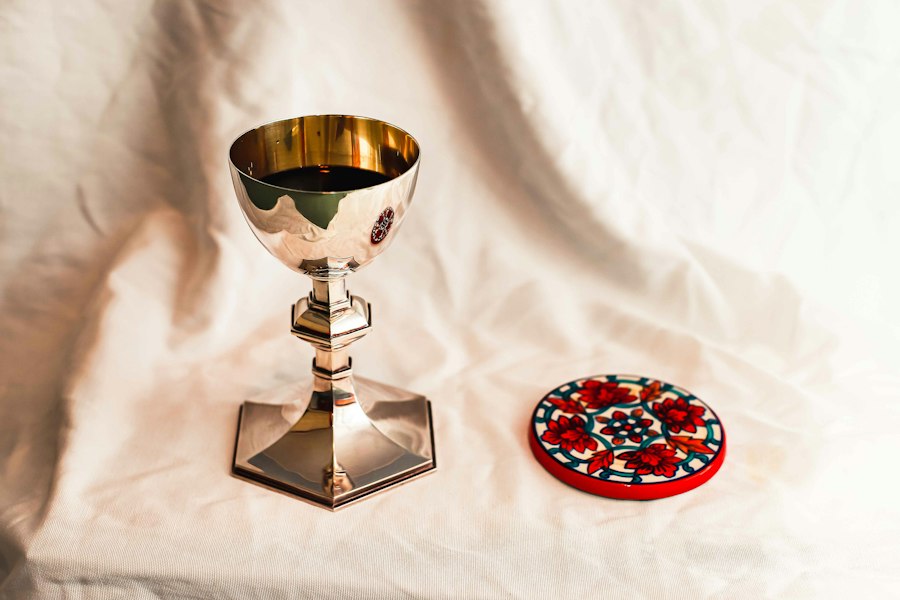
The notion of divine blood creation carries profound implications for our understanding of humanity’s place in the cosmos. It suggests that we are not simply biological accidents but are imbued with a legacy, a heritage that connects us to the very origins of existence. This “divine blood” is not necessarily a literal sanguine substance, but a metaphorical representation of the divine spark, the innate potential for consciousness, creativity, and spirituality that resides within each human being. This inheritance bestows upon us a unique responsibility and a unique destiny.
The Gnostic Perspective: Dualities and Divine Seeds
Gnosticism, a diverse set of religious and philosophical traditions that emerged in the early centuries CE, often explored themes of dualism and the divine nature of humanity. Many Gnostic systems posited a transcendent, unknowable God, from whom emanated various divine beings. The material world, in contrast, was often seen as flawed or even malevolent, created by a lesser, ignorant deity. Within this framework, humans were understood to possess a “divine spark” or “light” trapped within their material bodies.
For Gnostics, this divine spark was akin to a fragment of the divine blood, a celestial seed that originated from the higher, true God. The purpose of Gnostic practice was often to awaken and liberate this divine spark, allowing it to return to its divine source. The creation of humans from clay, in this context, symbolized the entrapment of the divine within the material. The “divine blood” was the inherent spiritual essence, a reminder of humanity’s true, otherworldly origin, and a potential for transcendence beyond the material realm. This perspective emphasizes a hidden divinity within, waiting to be discovered and realized.
Zoroastrian Echoes: The Ahura Mazda Connection
Zoroastrianism, one of the world’s oldest monotheistic religions, also offers insights into the divine creation of humanity. According to Zoroastrian beliefs, Ahura Mazda, the supreme benevolent deity, created humanity through his creative spirit, Spenta Mainyu. While not explicitly described as clay-born in every text, the concept of divine origin is central. Humans are seen as imbued with a vital spirit, a connection to the divine that allows them to participate in the cosmic struggle between good and evil.
The idea of “divine blood” in Zoroastrianism can be interpreted as the inherent purity and spiritual potential bestowed upon humans by Ahura Mazda. This inherent goodness, this divine spark, allows humans to make choices that align with the forces of good, contributing to the ultimate triumph of Ahura Mazda. The creation narrative, therefore, implies a direct lineage from the divine, a heritage that carries within it the capacity for righteousness and spiritual awareness.
The Weight of Divinity: Responsibility and Purpose
The concept of being “divine-born” or having “divine blood” imbues humanity with a profound sense of responsibility and purpose. If our origins are rooted in the divine, then our lives, and indeed our very existence, must hold some significance beyond the mundane. This belief has shaped ethical systems, philosophical inquiries, and the development of societies throughout history, urging humanity to strive for higher ideals and to recognize the sacredness inherent in life itself.
The Covenant of Being: Divine Law and Human Conduct
The notion of divine blood creation often leads to the concept of a covenant or a divine law that governs human conduct. If humanity is a creation of the divine, then there are expectations, implicit or explicit, about how humans should behave. These expectations are often codified in religious laws, moral precepts, and ethical guidelines. The “divine blood” within us, in this view, acts as an internal compass, a natural inclination towards righteousness, or at least a recognition of what constitutes it.
This connection to divine law suggests that our actions have cosmic implications. Disregarding divine commandments or acting against the principles of goodness is not merely a personal failing but an offense against the divine order. Conversely, living a life of virtue and adherence to divine will is seen as fulfilling our purpose and honoring our celestial lineage. The divine blood, therefore, is not just a passive inheritance but an active principle that calls for righteous living and contributes to the cosmic balance.
The Quest for Divinity: Spiritual Evolution and Transcendence
For many philosophical and spiritual traditions, the concept of divine blood creation points towards a potential for spiritual evolution and transcendence. If we are born with a divine spark, then the ultimate goal of human existence might be to nurture and expand that spark, ultimately returning to or merging with the divine source. This quest for divinity is a recurring theme in human thought, manifesting in various forms of asceticism, meditation, mystical practices, and the pursuit of knowledge and wisdom.
The “clay-born” aspect of our nature reminds us of our earthly limitations, the challenges and struggles inherent in our material existence. However, the “divine blood” aspect offers hope and a promise of something greater. It suggests that even within our humble earthly forms, we carry the potential for divinity, for achieving a state of being that transcends our physical limitations. This journey of spiritual evolution is often seen as the ultimate fulfillment of our divinely created purpose.
In various mythologies, the creation of humans often involves divine elements, such as clay and celestial blood, symbolizing the connection between the divine and the earthly. This intriguing concept is explored in depth in a related article that delves into the origins of humanity and the significance of these materials in ancient narratives. For a fascinating read on this topic, you can check out the article here, which examines how different cultures interpret the divine act of creation.
Modern Interpretations: Echoes in Science and Philosophy
| Aspect | Description | Source/Reference | Symbolism |
|---|---|---|---|
| Material Origin | Clay or earth used as the physical substance for creation | Various mythologies including Mesopotamian, Biblical, and Islamic texts | Represents the earthly, mortal nature of humans |
| Divine Blood | Infusion of divine essence or blood into the clay figure | Mythologies such as Greek (Prometheus), Sumerian, and some interpretations of Genesis | Symbolizes the divine spark or soul, granting life and consciousness |
| Creation Process | Shaping clay into human form followed by divine intervention | Genesis 2:7, Enuma Elish, Epic of Gilgamesh | Highlights the collaboration between earthly and divine elements |
| Purpose | To create beings with both physical and spiritual qualities | Religious and mythological narratives | Explains human duality: mortal body and immortal soul |
| Symbolic Meaning | Represents the connection between humanity and the divine | Philosophical and theological interpretations | Emphasizes human dignity and potential |
While the ancient narratives of clay-born humans and divine blood creation belong to the realm of mythology and religion, their underlying themes continue to resonate in modern thought. Science, in its exploration of the origins of life and consciousness, grapples with questions that echo these ancient inquiries, albeit through a different lens. Philosophy, too, continues to ponder the nature of human existence, our place in the universe, and the search for meaning, often drawing upon the symbolic weight of these primordial stories.
The Alchemical Humors: Earth, Body, and Spirit
Alchemy, the proto-scientific and philosophical discipline of transforming matter, offers an interesting parallel to the concept of clay-born humans. Alchemists sought to transmute base metals into gold, but their work was also deeply symbolic, representing a spiritual transformation. The alchemical process often involved the manipulation of earthly elements, aiming to purify and elevate them.
The alchemical understanding of the human body as a microcosm of the universe, composed of earth, air, fire, and water, resonates with the idea of being formed from earthly matter. The pursuit of the Philosopher’s Stone, a legendary elixir that could grant immortality and wisdom, can be seen as a metaphor for the search for the divine spark within, the activation of the “divine blood” that leads to spiritual perfection. The alchemical humors, with their association with bodily fluids and temperaments, also hint at the idea of internal essences, akin to a divine essence flowing through our being.
Existentialism and the Search for Meaning
Modern existentialist philosophy, while often emphasizing human freedom and responsibility in a seemingly meaningless universe, can be seen as indirectly engaging with the questions raised by divine creation narratives. The existentialist emphasis on creating one’s own essence, on defining oneself through choices and actions, can be viewed as a response to the absence of a preordained, divinely dictated purpose.
However, even in this secular framework, the echoes of our desire for a meaningful origin persist. The very act of grappling with existence, of questioning our purpose, and of striving for authenticity can be seen as a continuation of the age-old human quest for understanding our place in the grand scheme of things, a quest that was once answered by tales of divine artistry and celestial lineage. The “clay-born” aspect might be acknowledged in our material limitations and the challenges of existence, while the search for meaning and transcendence can be seen as the enduring yearning for something beyond the clay, a connection to a deeper truth, perhaps a spiritual echo of that “divine blood.”
The Anunnaki Origin Story Changes When You Read the Tablets
FAQs
What is the origin of the belief that humans were created from clay and divine blood?
The belief that humans were created from clay and divine blood can be traced back to various creation myths and religious texts from different cultures around the world.
Which cultures or religions have stories about humans being created from clay and divine blood?
Some of the cultures and religions that have stories about humans being created from clay and divine blood include ancient Mesopotamian mythology, Greek mythology, and Islamic beliefs.
What significance does the belief in humans being created from clay and divine blood hold in these cultures and religions?
The belief in humans being created from clay and divine blood often symbolizes the idea of humans having a special connection to the divine or being created in the image of a higher power. It can also represent the idea of humans being a unique and sacred creation.
Are there any scientific explanations or evidence to support the idea of humans being created from clay and divine blood?
From a scientific perspective, there is no evidence to support the idea that humans were created from clay and divine blood. This belief is primarily found in religious and mythological texts.
How does the belief in humans being created from clay and divine blood impact the way people view themselves and their relationship to the divine?
The belief in humans being created from clay and divine blood can influence how people view themselves as being connected to a higher power or having a special purpose in the world. It can also shape their understanding of their relationship to the divine and their place in the universe.