The Weight of Divine Will: Atrahasis and the Genesis of Humanity
The ancient Mesopotamian epic of Atrahasis offers a stark and compelling narrative of creation, one that diverges significantly from more benevolent depictions found in other traditions. Within its cuneiform tablets lies a foundational myth that explains not only the origins of humankind but also their inherent purpose: to serve the gods. This purpose, however, was not born of affection or a desire for companionship, but from the desperate need of the divine to alleviate their own toil. The story of Atrahasis, therefore, becomes a testament to the often-unpleasant realities of divine existence and the pragmatic, even exploitative, nature of their creative act.
The very act of creation in Atrahasis is rooted in divine discontent. The younger gods, freed from the arduous labor of irrigating the land and digging canals – tasks that constituted the very essence of their divine existence – found themselves bored and resentful. They had delegated these responsibilities to the older gods, the Igigi, and now sought leisure and pleasure. Their constant clamor and demands for respite reached a boiling point, forcing the supreme god Enlil to confront the escalating unrest. It is within this context of divine idleness and the need for a ready workforce that the idea of creating humanity takes root. The genesis of mankind is not a gift, but a solution to a problem, a calculated and instrumental endeavor.
The Divine Burden and the Birth of the Plan
The narrative begins with a description of the primeval state and the initial division of labor among the gods. The Anunnaki, the elder gods, bore the brunt of the physical work required to maintain the cosmos and the fertile lands of Mesopotamia. This labor involved immense effort: digging ditches, diverting water, and cultivating the earth. It was a life of constant exertion, devoid of the ease and enjoyment that the younger Igigi godlings had come to expect. The Igigi, upon their emergence, were presented with a fait accompli: the established order of labor. However, they quickly grew weary of this inherited burden. Their dissatisfaction manifested as a persistent and disruptive noise, a constant complaint that echoed through the divine realms, disrupting the peace and tranquility that the elder gods had hoped to achieve after their own arduous efforts.
Enlil, the king of the gods, was particularly exasperated by the ceaseless din of the Igigi. Their demands for a cessation of work and a life of ease became an unbearable nuisance. He recognized the inherent contradiction: the gods had created a world that required constant maintenance, yet the younger generation refused to partake in this essential upkeep. The problem was multifaceted. The infrastructure of the world, the very systems that sustained life and the gods’ comfort, were at risk of decay if the labor ceased. Furthermore, the continued grumbling of the Igigi threatened to unravel the fragile harmony of the divine community. A solution was desperately needed, one that would satisfy the demands of the younger gods while ensuring the continued functioning of the cosmos.
This confluence of divine ennui and the necessity for manual labor led to a momentous decision. The gods convened to discuss their predicament, and it was Anu, the sky god, who initially proposed the creation of a new race of beings. However, it was Enlil, driven by his desire for peace and efficiency, who refined this idea into a concrete plan. The creation would not be for the sake of having beings to love or admire, but for the explicit purpose of performing the tasks that the gods themselves found distasteful. Humanity, in this conception, was to be a divinely crafted workforce, a tool to serve the divine agenda. This pragmatic, almost Machiavellian, approach to creation underscores the unique perspective offered by the Atrahasis epic.
In the ancient Mesopotamian epic of Atrahasis, the gods created humans primarily to relieve themselves of laborious tasks, highlighting the relationship between divinity and humanity in the context of work and servitude. This theme resonates with modern discussions about the role of power and governance, as explored in the article on the US National Emergency Powers Act, which examines how governmental authority can impact citizens’ lives and assets. For further insights into the implications of power dynamics, you can read the article here: US National Emergency Powers Act: Protecting Assets.
The Crafting of Mankind: Clay, Blood, and Divine Design
The process of creating humanity in Atrahasis is a graphic and somewhat gruesome affair, highlighting the utilitarian nature of their genesis. The gods, in their collective wisdom and need, decided to fashion beings from clay, a substance readily available and malleable. However, the process was not merely about shaping form. A crucial element was introduced: the blood of a slain god. This divine essence, mixed with the clay, was intended to imbue the newly formed beings with a spark of life, a divine breath that would animate them. Yet, it was not a benevolent spark, but one that bound them to their ordained purpose.
The selection of the god to be sacrificed was itself a matter of divine consensus and expediency. It was Qe-mu-shum-bi-um, a god whose offenses were deemed minor, who was chosen to provide the blood. His sacrifice, therefore, was a calculated act, a necessary sacrifice for the greater good of the divine collective. This detail further emphasizes the transactional nature of human creation. The lifeblood of a god, a precious and powerful substance, was literally mixed into the very fabric of humanity to enable them to perform the tasks that the gods found burdensome. This act cemented the inherent connection between humanity and the gods, but it was a connection forged in servitude, not in love.
The actual creation was overseen by the goddess Nintu, the mother goddess, who played a pivotal role in shaping and birthing the first humans. She mixed the clay and the divine blood, fashioning the primordial couple. This act of midwifery, however, was not one of gentle nurturing but of mechanical production. The intention was to create beings who would toil, who would labor tirelessly, and who would ultimately appease the gods by freeing them from their obligations. The first humans were, in essence, biological machines designed for labor, imbued with just enough intelligence and vitality to perform their assigned duties. The subsequent reproduction of humanity was equally, if not more, significant, as it ensured a continuous supply of workers for the divine masters.
The Weight of Toil: The Endless Cycle of Human Labor
Once created, humanity was immediately put to work. The Atrahasis epic meticulously details the myriad tasks assigned to humans: digging canals, clearing the earth, irrigating fields, and tending to the needs of the gods. These were not simple chores; they were backbreaking, relentless tasks that consumed their lives. The gods, now freed from their own drudgery, reveled in their leisure, while humanity toiled under the scorching Mesopotamian sun. The noise that had once plagued the gods was replaced by the sounds of human exertion – the scraping of shovels, the rhythmic chant of laborers, the groans of exhaustion.
The epic emphasizes the sheer scale of this labor. Humans were tasked with maintaining the vast agricultural infrastructure that sustained both the mortal and divine populations. They dug and maintained the intricate network of canals that brought life-giving water to the arid lands, ensuring plentiful harvests for the gods’ sustenance and offerings. They tilled the soil, planted seeds, and reaped the bounty, all for the benefit of their divine creators. This was not a cooperative venture; it was a system of imposed servitude. Humanity’s existence was defined by their work, and their worth was measured by their productivity.
The very rhythm of human life became dictated by the demands of the gods. Sleep was a brief respite, and waking hours were consumed by labor. There was little room for personal pursuits, for art, or for contemplation. Their existence was a stark illustration of what it meant to be created for a singular, utilitarian purpose. The gods, in their newfound freedom, demanded constant appeasement and sustenance, and humanity was the engine that provided it. The relentless cycle of labor was not only physically exhausting but also spiritually draining, as it offered no true fulfillment beyond the fulfillment of their divine obligation.
Divine Dissatisfaction and the Seeds of Destruction
Despite the immense labor performed by humanity, the gods’ contentment was not long-lived. The very success of their creation became a source of renewed divine dissatisfaction. The sheer number of humans, their increasing noise and activity, and their perceived success in their endeavors began to irk the gods once again. Enlil, in particular, found himself increasingly irritated by the clamor of the teeming human population. What was once the sound of dutiful labor gradually transformed into a bothersome din, a constant reminder of the beings that had been created to serve them.
The gods, accustomed to a life of relative quiet and focused on their own pleasures, found the ever-present activity of humanity disruptive. They began to perceive the humans not as faithful servants, but as a nuisance, a constant source of irritation. This divine discontent manifested in a desire for annihilation, a wish to erase the very beings they had so pragmatically created. The Atrahasis epic portrays a god who, having used humanity for their own needs, now grows weary of their existence and seeks to eliminate them, not out of malice, but out of a simple desire for peace and quiet.
The decision to send the Great Flood was a direct consequence of this divine displeasure. The gods, led by Enlil, plotted to destroy humanity through a catastrophic deluge. This decision, however, was not unanimous. Some gods, like Ea, the god of wisdom and waters, recognized the injustice of this plan and sought to mitigate its devastating effects. Ea’s intervention, which ultimately leads to the survival of Atrahasis and the repopulation of the earth, highlights a tension within the divine council, suggesting that not all gods subscribed to Enlil’s harsh pragmatism. Nevertheless, the initial impetus for destruction stemmed from the gods’ renewed weariness with the very beings they had created to alleviate their own burdens.
In the ancient Mesopotamian epic of Atrahasis, the gods created humans primarily to relieve themselves of the burdens of labor, highlighting the theme of divine hierarchy and the role of humanity in serving the divine will. This concept of labor and its implications can be further explored in a related article that discusses the development of sustainable energy sources, such as lunar power, which reflects humanity’s ongoing quest to harness resources for greater efficiency. For more insights on this topic, you can read about it in the article on securing lunar power grid development.
The Enduring Legacy: Humanity’s Purpose Defined by Divine Need
The epic of Atrahasis leaves an indelible mark on our understanding of early Mesopotamian cosmology and the perceived relationship between humanity and the divine. It presents a creation narrative deeply rooted in pragmatism, where human existence is not a gift but a consequence of divine need. The gods, weary of their own labor, engineered humanity to bear their burdens, to toil and to serve, thus securing their own comfort and leisure. This narrative offers a sobering perspective on creation, one that emphasizes divine self-interest and the instrumentalization of sentient beings.
The enduring legacy of Atrahasis lies in its stark portrayal of a divinely ordained purpose for humanity. Their reason for being was to work, to sustain the gods, and to maintain the order that the gods themselves found inconvenient. This purpose, though imposed, became the defining characteristic of human existence within this mythological framework. The epic suggests that humanity’s role was not to achieve enlightenment, nor to experience divine love, but to fulfill a utilitarian function. Their creation was a response to a problem, and their continued existence was contingent upon their ability to solve it for the gods.
While other cultures may offer narratives of divine benevolence and humanity as cherished creations, Atrahasis presents a starkly different vision. It speaks to a world where divinity is not inherently compassionate but driven by its own needs and desires. The story of Atrahasis, therefore, serves as a powerful reminder of the complex and often uncomfortable ways in which ancient peoples sought to understand their place in the cosmos, a place forged not in love, but in the unyielding weight of divine will and the relentless demands of labor. The echo of their toil, woven into the very fabric of creation, continues to resonate, a testament to humanity’s divinely appointed, and often burdensome, purpose.
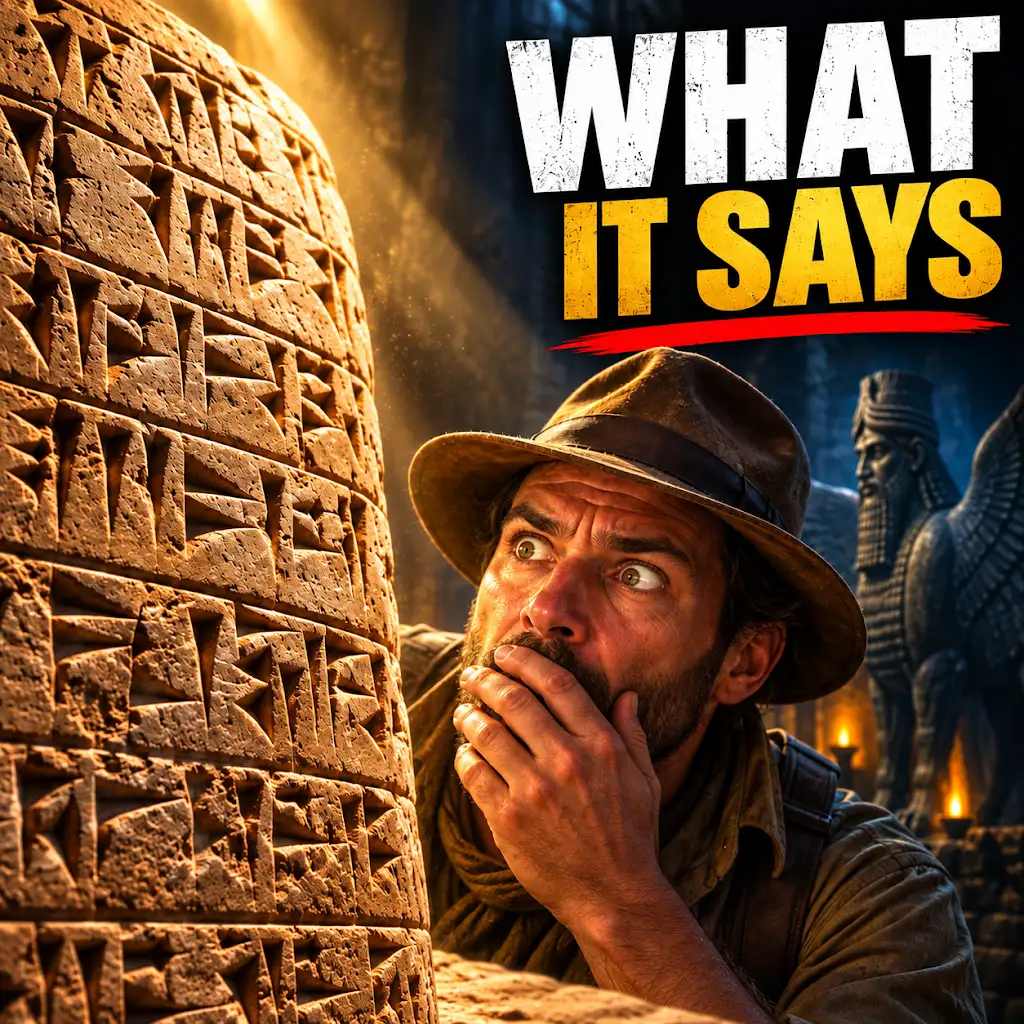
The Anunnaki Origin Story Changes When You Read the Tablets
FAQs
What is the story of Atrahasis?
The Atrahasis is an ancient Mesopotamian epic that tells the story of how the gods created humans to perform labor and serve them.
Which gods are involved in the creation of humans in the Atrahasis epic?
In the Atrahasis epic, the gods Enlil, Anu, and Ea are involved in the creation of humans for the purpose of performing labor and serving the gods.
Why did the gods create humans in the Atrahasis epic?
The gods created humans in the Atrahasis epic to relieve themselves of the burden of hard labor and to have the humans perform the work for them.
What role did Atrahasis play in the epic?
Atrahasis is the protagonist of the epic who is warned by the god Ea about the impending flood and instructed to build an ark to save himself, his family, and animals from the flood.
What is the significance of the Atrahasis epic in Mesopotamian mythology?
The Atrahasis epic is significant in Mesopotamian mythology as it provides insights into the beliefs and values of ancient Mesopotamian society, as well as the relationship between humans and gods.