
The Enki and Ninmah Creation Tale, a cornerstone of Mesopotamian mythology, offers a profound glimpse into the ancient Sumerian understanding of cosmic origins, the roles of the gods, and the very essence of humanity. Unlike many creation narratives that focus on a singular, all-powerful deity, this tale presents a more complex and communal divine endeavor, highlighting the interplay of personalities and responsibilities among the Anunnaki. At its heart, the story grapples with the fundamental question of why the gods, after creating the universe, were burdened with labor, and how a solution was found that ultimately led to the creation of humankind. This narrative, preserved on cuneiform tablets, is not merely a recounting of divine acts but a sophisticated exploration of power, hierarchy, and the inherent flaws and strengths within the divine pantheon, with significant implications for the perceived purpose and fragility of human existence.
The genesis of this tale lies within the fertile crescent of ancient Mesopotamia, a region that cradled some of the world’s earliest civilizations. The Sumerians, the first to develop a written language and complex city-states, imbued their mythology with a worldview shaped by their environment and social structures. Their gods, mirroring the complexities and often capricious nature of human rulers, were not remote and perfect beings but rather powerful, often fallible, individuals. The Enki and Ninmah Creation Tale, therefore, emerges from a rich cultural tapestry, reflecting concerns about order, labor, and the relationship between the divine and the mortal. The story’s enduring power lies in its vivid imagery, its dramatic unfolding of divine conflict and resolution, and its nuanced portrayal of the gods’ motivations.
The Divine Burden and the Genesis of Labor
The narrative begins not with the creation of the universe, but with a fundamental problem faced by the celestial beings themselves. The Anunnaki, the pantheon of Sumerian gods, found themselves overwhelmed by the arduous tasks required to maintain the cosmos. This was not a situation of divine idleness, but rather one of overwhelming toil. The very act of existence, of sustaining the heavens and the earth, demanded constant effort. The gods, despite their immense power, were subject to the same pressures of work and exhaustion that would later define human life. This initial predicament sets the stage for the central conflict and the subsequent creation of humanity.
The Gods’ Complaint and the Need for a Solution
The Anunnaki, weary and burdened, voiced their collective discontent. They were tasked with the fundamental operations of the universe – digging canals, irrigating fields, and generally managing the infrastructure of the cosmos. These were not glorious, effortless feats but labor-intensive duties that taxed their divine energies. The myth emphasizes that the gods themselves had to perform these menial tasks, a striking departure from narratives where divine beings are served by their creations. Their complaints were not directed at the system itself but at the fact that they, the powerful Anunnaki, were the ones performing this drudgery. They yearned for a respite, a way to alleviate their burden. This desire for liberation from labor became the primary impetus for the extraordinary act of creation that followed.
The Decision to Fashion a New Being
The problem demanded a solution, and after much deliberation, the gods conceived of a radical idea: to create a new being, one that would assume their burdensome tasks. This being would be fashioned from the earth, imbued with a portion of the divine essence, and specifically designed to toil on their behalf. This decision marks a pivotal moment in the narrative, shifting the focus from the internal struggles of the gods to the potential creation of a subservient race. The very concept of creating beings to perform labor foreshadows the complex ethical and existential questions that would later be explored in relation to humanity. The gods, in their pursuit of ease, were about to embark on a creation that would profoundly impact the future of the cosmos.
The Enki and Ninmah human creation story from ancient Mesopotamian mythology explores themes of divine intervention and the origins of humanity, paralleling modern discussions about the evolution of societal structures and agreements. For a deeper understanding of how human decisions shape our world, you can read about the evolution of trade agreements in North America in this article: The Evolution of NAFTA and USMCA. This article highlights the complexities of human collaboration and the impact of policies on society, much like the narrative of Enki and Ninmah reflects the complexities of creation and governance in ancient times.
The Divine Council and the Key Players
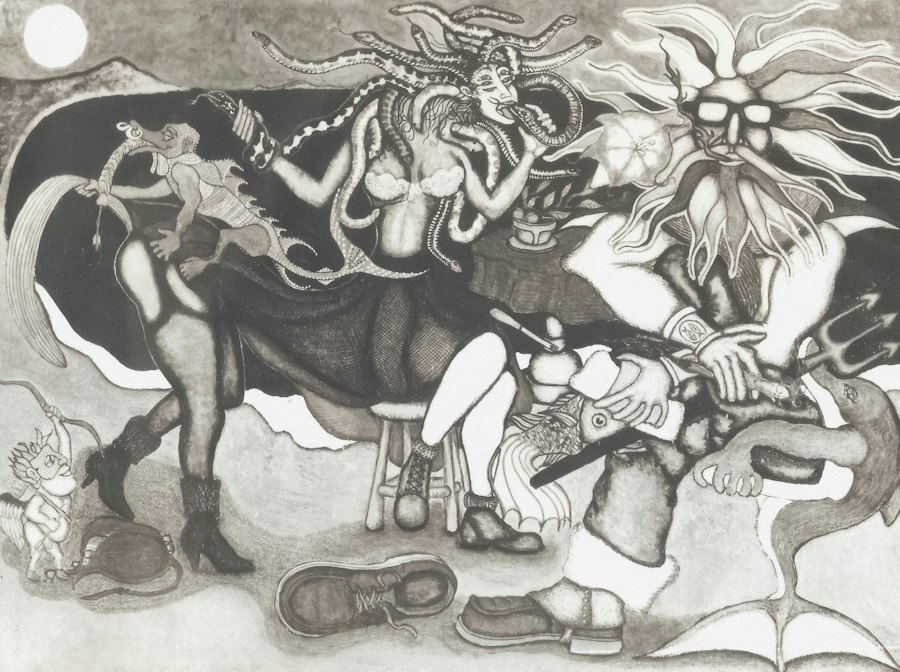
The creation of humanity was not a unilateral act but a collaborative effort, a testament to the complex social and political structures within the Sumerian pantheon. While Enki, the god of wisdom, magic, and water, and Ninmah, the mother goddess associated with creation and childbirth, are central figures, other deities also played crucial roles, highlighting the collective decision-making and the diverse responsibilities within the divine realm. This council of gods, each with their unique powers and perspectives, debated and enacted the plan for humanity’s creation.
Enki’s Wisdom and Ingenuity
Enki, often depicted as a cunning and benevolent deity, was instrumental in proposing and devising the method for creating humans. His wisdom and understanding of the fundamental elements of existence made him the ideal candidate to tackle such a complex problem. He envisioned a being that would possess a measure of divine essence but would be fundamentally distinct from the gods, capable of enduring the rigors of labor. Enki’s role was not just theoretical; he was also actively involved in the practical aspects of creation, employing his magical abilities and his profound knowledge of the natural world. His presence signifies the intellectual and strategic aspect of the divine endeavor.
Ninmah’s Maternal Role and Creative Power
Ninmah, the formidable mother goddess, was the embodiment of creative force. Her role in the creation tale is paramount, as she directly participated in the shaping and formation of the first humans. Her maternal instincts and her profound understanding of life’s genesis lent a nurturing yet firm hand to the process. It was Ninmah who physically molded the beings from clay, imbuing them with the breath of life. Her actions highlight the physical and elemental aspects of creation, emphasizing the earth as the raw material and the divine will as the animating force. She represented the power of birth and the continuation of life.
The Participation of Other Anunnaki
While Enki and Ninmah are the most prominent figures, the narrative implies the participation and consent of the wider Anunnaki. The initial complaint about labor, which spurred the creation, was a collective grievance. Therefore, the decision to create humanity was likely a consensus reached by the divine council. Each god may have contributed in their own way, perhaps through their blessings, their powers, or their acceptance of the outcome. This collective involvement underscores the idea that the actions of the gods, even those impacting lesser beings, were a result of a shared divine will and not solely the whim of one or two individuals.
The Ritual of Creation and the First Beings
The actual creation of humankind is depicted as a ritualistic and somewhat experimental process. It involved a specific procedure, a symbolic act, and a series of attempts, highlighting the challenges and the potential for error even in divine endeavors. This section of the tale delves into the tangible aspects of bringing human life into existence, from the raw materials to the infusion of life itself.
The Primordial Clay and the Divine Seal
The process began with the gathering of primordial clay, a substance believed to contain the essence of the earth. This clay was then mixed with the blood of a slain god, a sacrifice that would imbue the created beings with a spark of divine life. This act of mixing blood and clay is a potent symbol of the intertwined nature of the divine and the earthly, the celestial and the terrestrial. The divine seal, a mark of divine authority and essence, was then applied, signifying that these beings were intentionally created by the gods and bore their mark. This ritualistic preparation underscores the sacredness of the act and the profound significance of the beings being brought into existence.
Ninmah’s Sculpting and Enki’s Influence
Ninmah, with her skillful hands, began to sculpt the clay into the form of humans. However, the tale presents a fascinating element of divine intervention and potential imperfection. It is suggested that Enki, perhaps in a drunken state or through a calculated intervention, influenced the outcome of some of these creations. This led to the formation of beings with certain flaws or deficiencies, hinting at the idea that even divine creation is not without its imperfections. These early attempts, some successful and others less so, demonstrate the experimental nature of the creation process and the inherent variability that can arise even from the most deliberate of acts.
The Birth of the First Humans and Their Purpose
Through this meticulous and somewhat experimental process, the first humans were born. They were brought forth from the earth, animated by the divine breath, and intended for a singular purpose: to bear the yoke of the gods. Their creation was a direct response to the Anunnaki’s desire for relief from labor. The myth clearly states that humans were made to serve, to perform the digging, the irrigation, and all the other arduous tasks that the gods found unbearable. This foundational purpose established a clear hierarchy, with humanity placed in a subservient role, their existence intrinsically linked to the needs and comforts of the divine realm.
The Test of Labor and the Flaws of Creation
The creation of humanity was not a one-time, perfect act. The narrative highlights a series of attempts, each showcasing a different aspect of divine intention and a varying degree of success. These trials, often mediated by Ninmah and influenced by Enki, reveal the divine understanding of what constituted a suitable laborer and the inherent challenges in replicating divine perfection in mortal form. This section delves into the consequences of the creation and the divine reaction to its initial outcomes.
Ninmah’s Attempts and the Imperfect Models
Ninmah, in her capacity as the primary sculptor, made several attempts to create a perfect laborer. Each time, she would fashion a being from the clay and imbue it with life. However, the narrative suggests that Enki, perhaps intentionally or due to his own unpredictable nature, would interfere. He might introduce a flaw, a weakness, or a deviation from Ninmah’s ideal. These flawed creations were not discarded but were presented as distinct individuals with specific limitations. This highlights a more nuanced understanding of creation, where imperfections are not necessarily failures but rather unique characteristics.
The Birth of the ‘Lame’ and the ‘Weak’
Among Ninmah’s creations were beings described as ‘lame’ and ‘weak’. These were not necessarily monstrous beings but rather individuals who, by divine standards, were not perfectly suited for the most demanding labor. The story seems to suggest that these were the result of Enki’s interventions, perhaps a demonstration of his wisdom in recognizing that a single mold might not fit all purposes, or a playful subversion of Ninmah’s more rigid approach. These imperfect beings, however, were still deemed viable laborers, albeit for tasks requiring less physical prowess. This introduces the concept of varied capacities and the potential for different roles within the newly created human race.
The Divine Assessment and the Final Solution
The Anunnaki, observing these various creations, assessed their suitability. While some were undeniably capable, others presented limitations. The narrative culminates in the creation of a more generally capable human, a being that could perform a wider range of tasks and endure the general burdens of labor. This final, more successful model, was the one that ultimately became the progenitor of humanity as it would be known. The assessment process, while seemingly pragmatic, also underscores the divine perspective on human worth, which was largely defined by their utility and their capacity to serve. The story thus establishes a precedent for a human existence defined by labor and servitude.
The ancient Sumerian myth of Enki and Ninmah provides a fascinating glimpse into the origins of humanity, illustrating how the gods collaborated to create humans from clay and divine essence. This story not only highlights the significance of creation myths in understanding early civilizations but also parallels modern discussions about the ethical implications of creation and ownership. For a contemporary perspective on the complexities of ownership and the rights associated with creation, you might find it interesting to read about how government entities can confiscate property in this article on property rights.
The Purpose of Humanity and the Legacy of the Tale
| Aspect | Description | Significance |
|---|---|---|
| Deities Involved | Enki (god of wisdom and water) and Ninmah (goddess of earth and birth) | Represents collaboration between wisdom and earth in creation |
| Creation Method | Shaping humans from clay mixed with divine blood | Symbolizes the divine origin and earthly nature of humans |
| Purpose of Creation | To relieve the gods from labor by creating humans to serve them | Explains human role and relationship to gods in mythology |
| Human Traits | Humans created with varying abilities and imperfections | Highlights diversity and imperfection as inherent human qualities |
| Mythological Source | Sumerian mythology, particularly the Enki and Ninmah myth | One of the earliest known human creation stories |
The Enki and Ninmah Creation Tale offers a foundational understanding of humanity’s place in the cosmos within the Sumerian worldview. It defines their purpose, their relationship to the gods, and the inherent vulnerabilities that would shape their existence. The story’s legacy lies in its enduring influence on subsequent creation myths and its profound exploration of the human condition.
Humanity as the Substitute Laborer
The most significant implication of the tale is the establishment of humanity as the direct substitute for the gods in terms of labor. They were created not out of love or a desire for companionship, but out of necessity. The gods, weary of their toil, sought relief, and humanity was the solution. This cemented the idea of human servitude as an inherent part of their existence. They were born to work, to build, to irrigate, and to maintain the divine order, thereby freeing the gods for more celestial pursuits. This concept of divine burden-sharing, with humanity taking on the more arduous tasks, is a central theme that resonates throughout Mesopotamian thought.
The Fragility and Resilience of Mortal Life
The tale also implicitly acknowledges the fragility and resilience of mortal life. The very act of creation, with its experimental nature and potential for flaws, suggests that human existence is not inherently perfect or immutable. Yet, the fact that these beings were created and sustained implies a certain resilience. They were designed to endure hardship, to bear the weight of labor, and to continue their existence despite the imperfections. This duality of fragility and resilience would become a defining characteristic of the human experience as depicted in subsequent myths and stories.
Echoes in Later Mythologies and Enduring Questions
The Enki and Ninmah Creation Tale, with its themes of divine labor, the creation of humanity from clay, and the flawed nature of creation, has left an indelible mark on the history of mythology. Its influence can be seen in later Mesopotamian myths and potentially in the creation narratives of other ancient cultures. The story raises enduring questions about free will, the nature of suffering, and the purpose of human existence. It prompts reflection on the often-unseen forces that shape our world and the complex relationship between the creators and the created, a dialogue that continues to resonate in philosophical and theological discussions to this day. The myth, in its ancient Sumerian context, provided a framework for understanding the human condition, a condition defined by both their divine origins and their earthly destinies.

The Anunnaki Origin Story Changes When You Read the Tablets
FAQs
What is the Enki and Ninmah human creation story?
The Enki and Ninmah human creation story is an ancient Sumerian myth that explains how humans were created by the gods Enki and Ninmah.
Who are Enki and Ninmah in the Sumerian mythology?
Enki is the god of wisdom, magic, and water in Sumerian mythology, while Ninmah is a goddess associated with fertility and creation.
How did Enki and Ninmah create humans in the story?
In the Enki and Ninmah human creation story, Enki and Ninmah mix clay with the blood of a slain god to create the first humans, giving them the ability to reproduce and populate the Earth.
What is the significance of the Enki and Ninmah human creation story?
The Enki and Ninmah human creation story is significant as it provides insight into the Sumerian beliefs about the origins of humanity and the role of the gods in creating and shaping human existence.
Are there variations of the Enki and Ninmah human creation story in other mythologies?
Similar creation stories involving gods creating humans from clay or other materials can be found in various mythologies around the world, showcasing the universal themes of creation and divine intervention in human origins.