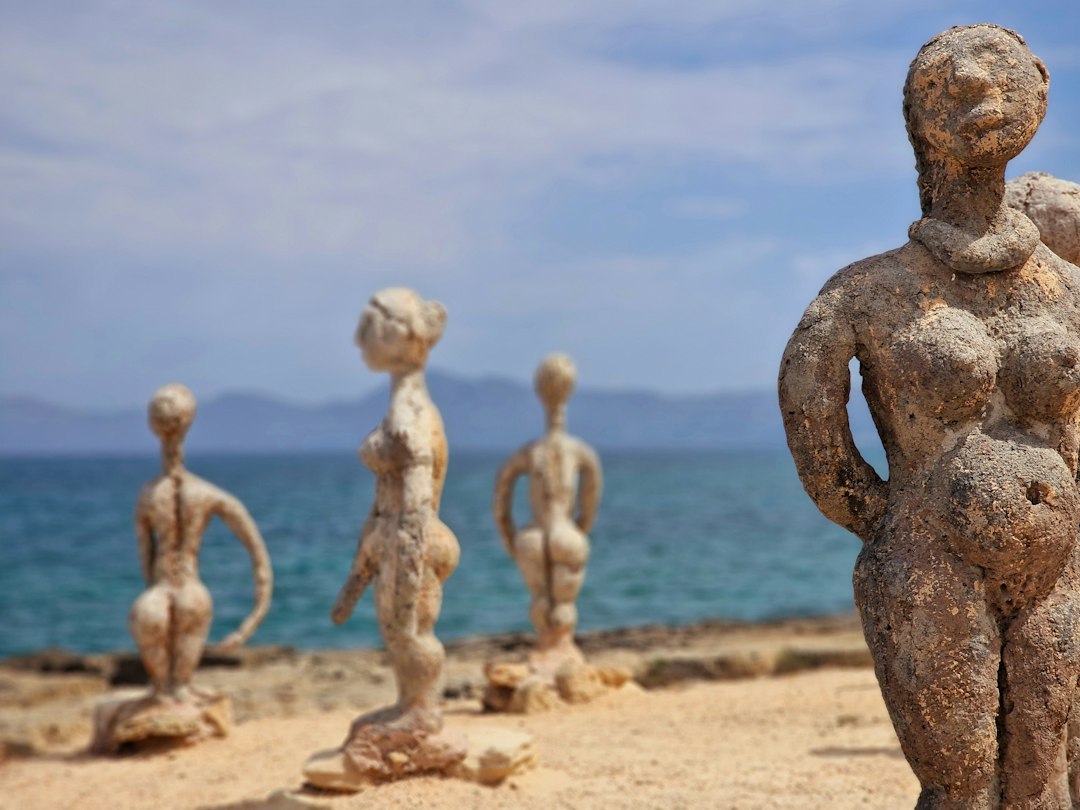
The sands of time have shifted, carrying whispers and forgotten doctrines across millennia. Among the most persistent of these echoes is the notion that humanity, in its very genesis, was not a creation of divine whim or benevolent design, but rather a product of necessity. The gods of old, it is posited, did not sculpt humankind from love or an inherent desire for companionship, but from a profound and pressing need for labor. This perspective, often found buried within ancient cosmogonies and dismissed as primitive superstition by modern sensibilities, offers a compelling, if unsettling, interpretation of our origins, one that frames human existence not as a gift, but as a sophisticated tool.
The Divine Burden and the World’s Making
The prevailing narratives of creation often depict deities as all-powerful beings who effortlessly bring forth existence with a word or a thought. However, a significant undercurrent in some ancient mythologies suggests a different reality. The gods, far from being indolent architects, were depicted as toiling beings, burdened by the immense task of shaping the cosmos and sustaining its order. The very act of creation, in these accounts, was not a pleasure but a labor, requiring immense effort and resources.
The Cosmic Toil of the Primordials
In many early cosmogonies, the universe was not born from a void but from a primordial chaos, a raw and untamed substance that needed to be ordered and sculpted. This was not a passive process. Ancient Sumerian myths, for example, speak of the gods exhausting themselves in the initial creation, battling monstrous forces and exerting immense energy to establish boundaries and bring forth land and sea. The Babylonian Enuma Elish portrays a cosmic war where Tiamat, the primordial goddess of saltwater, is slain and her body is split to form the heavens and the earth. This act of violence and division, while creative, was clearly a strenuous undertaking for the victorious gods, primarily Marduk. The energy expended, the resources consumed – these point to a divine existence that was not effortless but actively engaged in a demanding physical and spiritual endeavor.
The Unfulfilled Laborers
This initial, monumental labor of establishing the cosmos left the gods weary. They had brought forth the world, but the world itself required constant maintenance. Rivers needed to flow, mountains needed to stand, and the cycles of nature, from the rising sun to the falling rain, demanded perpetual attention. These were not tasks that could be delegated to lesser beings in the initial stages, as such beings, including humans, did not yet exist. The gods were, in essence, the sole workforce, perpetually engaged in maintaining the very fabric of existence. This state of perpetual effort, it is argued, became unsustainable. The gods, despite their power, were finite in their capacity for exertion. They sought a way to alleviate their burden, to find beings who could undertake the endless chores of a divinely created world.
In exploring the intriguing concept of ancient gods creating humans for labor, one can draw parallels to various mythologies that depict divine beings shaping humanity for their own purposes. A related article that delves into the mysteries of ancient civilizations and their connections to the natural world is available at this link: Unveiling the Antarctic Ice Cap: Seismic Profile. This article discusses how ancient knowledge and environmental factors may have influenced the beliefs and practices of early societies, shedding light on the broader context in which these myths emerged.
The Divine Dilemma: A Shortage of Hands

The argument for human creation as a solution to divine labor shortages stems from the observation that many ancient creation myths, when detailing the gods’ initial struggles, also portray them as facing a practical problem: a lack of sufficient help. While they possessed immense power, their numbers, or their individual capacities for certain types of work, were limited. This led to a state of divine exhaustion and a growing realization that their own efforts, while necessary for cosmic order, were ultimately unsustainable in the long run.
The Exhaustion of the Divine Workforce
Imagine a divine bureaucracy tasked with managing an entire universe. Even with immense power, the sheer scale of maintaining celestial bodies, regulating weather patterns, tending to the growth of flora, and overseeing the countless processes that sustain life would be an overwhelming responsibility. The gods, as depicted in many texts, were not exempt from the concept of fatigue. The Hebrew Bible, for instance, depicts God resting after the six days of creation, suggesting a limit to his sustained exertion. While this is a metaphorical representation, it resonates with the broader theme of divine effort. If the gods themselves grew weary, who would perform the less glorious but essential tasks that kept the world running smoothly? It is this weariness, this dawning realization of their own limitations, that is believed to have sparked the contemplation of a new class of beings.
The Search for a Substitute Workforce
The core of the “gods created humans for labor” theory lies in the perceived need for a substitute workforce. The gods had performed the grand acts of creation, but the ongoing, mundane tasks – the farming of the earth, the digging of canals, the mining of resources, the construction of temples – were essential for their comfort and the continued prosperity of their creation. These were tasks that, while perhaps beneath the divine dignity or simply too time-consuming for beings preoccupied with cosmic governance, were nevertheless critical. Therefore, a solution was sought: beings who could be imbued with the physical capacity and the will to perform these duties, freeing the gods to focus on higher matters of cosmic strategy and divine decree. This pragmatic approach, driven by a need for efficiency and sustainability within the divine realm, is the foundational premise of this theory.
The Genesis of the Laborer: From Clay and Sweat
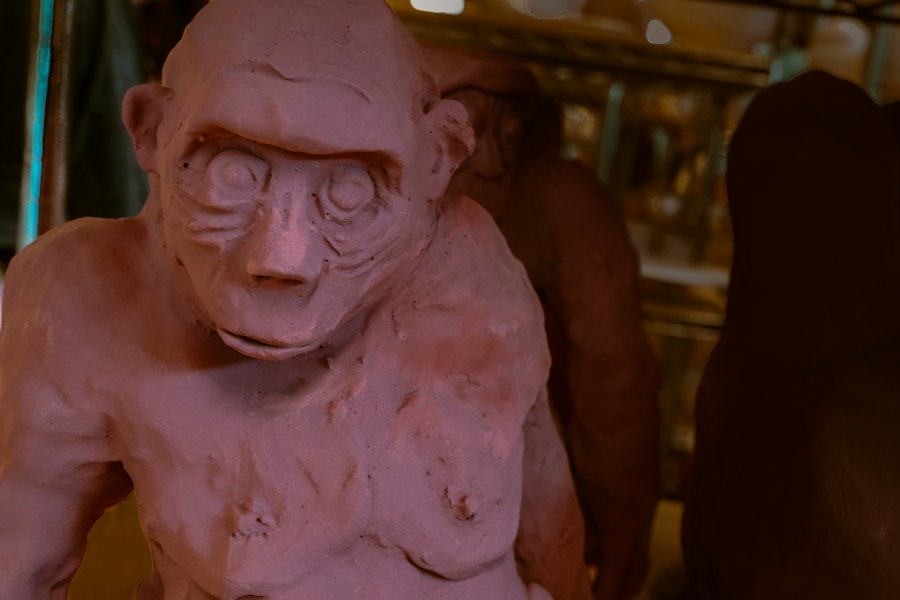
The methods by which the gods are said to have created humans vary widely across cultures, but many share a common theme: the use of earthly materials and a deliberate, often arduous, process. This imagery of shaping, molding, and imbuing life into inert matter further supports the idea that human creation was a purposeful act of engineering, designed to produce beings fit for service.
The Primordial Clay and Divine Breath
Numerous myths describe humans being formed from clay or dust. The Mesopotamian Atrahasis epic is particularly explicit. In this narrative, the lesser gods revolt against the hard labor of digging, mining, and providing for the greater gods. To quell the rebellion, the gods decide to create humans. The solution proposed is to mix the blood of a slain god with clay, and from this mixture, humans are formed. This act of creation is presented as a direct response to the gods’ labor issues. The blood of a god infuses them with a spark of life and, implicitly, the capacity for the kind of work that the gods found so burdensome. The Greek myth of Prometheus creating humans from clay, later brought to life by Athena’s breath, also carries echoes of this theme. The material is earthly and malleable, suggesting a constructed being, while the divine breath signifies the impartation of life for a purpose.
The Deliberate Impartation of Form and Function
Beyond mere biological creation, the myths often imply a deliberate engineering of human form and function to suit their intended purpose. Humans are given bodies capable of physical exertion, minds capable of learning and following instructions, and a lifespan that allows for sustained labor throughout their lives. They are not depicted as having been created with divine intellects or innate philosophical inclinations, but rather with the basic faculties necessary to perform their assigned roles. This focus on practical capabilities, rather than intrinsic divine qualities, further underscores the utilitarian nature of their creation. The gods, in this view, were not aiming to create equals or beings in their own image in a spiritual sense, but rather specialized tools with the ability to learn, adapt, and toil.
The Societal Contract: Divine Authority and Human Obligation
Once created, humanity was not simply set loose to wander the earth. The myths consistently depict a structured relationship between the gods and their human creations, one characterized by clear lines of authority and an expectation of reciprocal obligation, with human labor forming the bedrock of that obligation.
The Mandate of Service: Tending to the Divine Needs
The most prominent aspect of this divine-human relationship is the clear mandate of service. Humans were created to serve the gods, and this service manifested in various forms. The most obvious was the provision of sustenance. The gods, it is argued, required offerings of food, drink, and precious materials to maintain their existence and their power. Agriculture, animal husbandry, and resource extraction were not merely human endeavors for human benefit, but divinely ordained activities to appease and support the celestial beings. Temples were built, sacrifices were made, and rituals were performed not out of an intrinsic human need for spiritual connection, but as part of the agreed-upon contract of their creation – a contract where their labor directly benefited their creators.
The Price of Existence: The Burden of Labor as Human Purpose
In this framework, human existence gains a specific, albeit pragmatic, purpose: to labor for the gods. This purpose, while potentially alienating from a modern perspective, provided a definitive reason for being within the context of ancient belief systems. The struggles and hardships of life – the sweat of the brow, the toil in the fields, the arduous construction projects – were not seen as the unfortunate byproducts of a fallen world, but as the inherent purpose of their creation. The gods, having shouldered the initial burden of cosmic creation, had now passed on the mantle of ongoing maintenance and provision. Humans, in turn, accepted this burden, understanding that their very existence was predicated on their ability to fulfill these divine expectations. This understanding, ingrained through generations of myth and ritual, shaped the social and economic structures of ancient societies, all centered around the appeasement and service of the divine.
In various ancient mythologies, there are intriguing narratives suggesting that gods created humans primarily for labor, serving their divine purposes and alleviating their own burdens. This concept resonates with the themes explored in the article on unexplained ancient artifacts, which delves into the mysteries of the past and how they reflect the beliefs of early civilizations. For a deeper understanding of these fascinating ideas, you can read more about it in this related article.
Echoes in Philosophy and Modern Interpretation
| Ancient Culture | God(s) Involved | Purpose of Creating Humans | Type of Labor Assigned | Mythological Source |
|---|---|---|---|---|
| Mesopotamian | Enki and Ninhursag | To serve the gods and perform labor | Temple maintenance, agriculture, and offerings | Enuma Elish, Atrahasis Epic |
| Egyptian | Khnum | Created humans to serve the gods and maintain order | Building temples, farming, and ritual duties | Various creation myths |
| Mayan | Tepeu and Gucumatz | To provide worship and labor for the gods | Farming, construction, and ritual service | Popol Vuh |
| Greek | Prometheus | Created humans to populate the earth and serve gods | Various labors including agriculture and craftsmanship | Hesiod’s Theogony and Works and Days |
| Norse | Odin, Vili, and Ve | Created humans to inhabit Midgard and serve divine order | Farming, hunting, and craftsmanship | Prose Edda |
While the literal interpretation of gods creating humans for labor may seem like a relic of a bygone era, the underlying themes resonate surprisingly in philosophical discourse and continue to be reinterpreted through a modern lens. The concept of purpose, duty, and the inherent struggle of existence finds echoes in various intellectual traditions.
The Pragmatic Gods and Utilitarian Creation
The idea of gods acting out of practical necessity rather than pure altruism offers a more pragmatic, and perhaps more relatable, view of divinity. It suggests that even divine beings operate within constraints and make decisions based on efficiency and resource management. This aligns with some secular philosophical viewpoints that emphasize utility and functionality. If one were to approach the question of creation from a purely functional standpoint, the creation of beings specifically designed to perform necessary tasks would be a logical, albeit impersonal, solution. This perspective can be seen as a precursor to modern utilitarian ethics, where actions are judged by their consequences and their ability to produce the greatest good for the greatest number – in this case, the greatest “good” for the gods, which in turn established the order of the universe.
The Existential Weight of Purposeful Creation
The notion that humanity’s primary purpose is to labor raises profound existential questions. It challenges the romanticized view of human exceptionalism and instead positions us as integral, yet not necessarily superior, components of a larger cosmic machinery. This perspective can be both humbling and disquieting. It forces introspection on the meaning of our lives, our perceived freedoms, and our inherent drives. Are our ambitions and desires merely programmed responses, designed to fulfill our programmed purpose? Or is there a deeper meaning to be found, even within a framework of externally imposed labor? The “gods created humans for labor” theory, when stripped of its mythological trappings, becomes a potent metaphor for the human condition, where individuals often grapple with a sense of inherited duty, societal expectations, and the search for a purpose that transcends mere obligation. It invites a re-evaluation of what it truly means to be human, and whether our endeavors are driven by intrinsic will or by the enduring echoes of divine intention.

The Anunnaki Origin Story Changes When You Read the Tablets
FAQs
What is the theory that ancient gods created humans for labor?
The theory suggests that ancient gods from various mythologies created humans to serve as laborers to help them with tasks and responsibilities.
Which ancient civilizations believed in the idea of gods creating humans for labor?
Various ancient civilizations such as the Sumerians, Egyptians, Greeks, and Mayans had beliefs and myths that involved gods creating humans for the purpose of serving them as laborers.
What evidence supports the theory of ancient gods creating humans for labor?
Some evidence includes ancient texts, myths, and artwork depicting gods creating humans or assigning them tasks related to labor and service.
How did ancient gods supposedly benefit from creating humans for labor?
According to the theory, ancient gods benefited from humans by having them perform tasks such as building structures, farming, and providing offerings and worship.
Is the theory of ancient gods creating humans for labor widely accepted by scholars?
The theory is considered more of a speculative interpretation of ancient myths and beliefs rather than a widely accepted scholarly consensus. Scholars continue to debate and explore the various interpretations of ancient texts and artifacts.